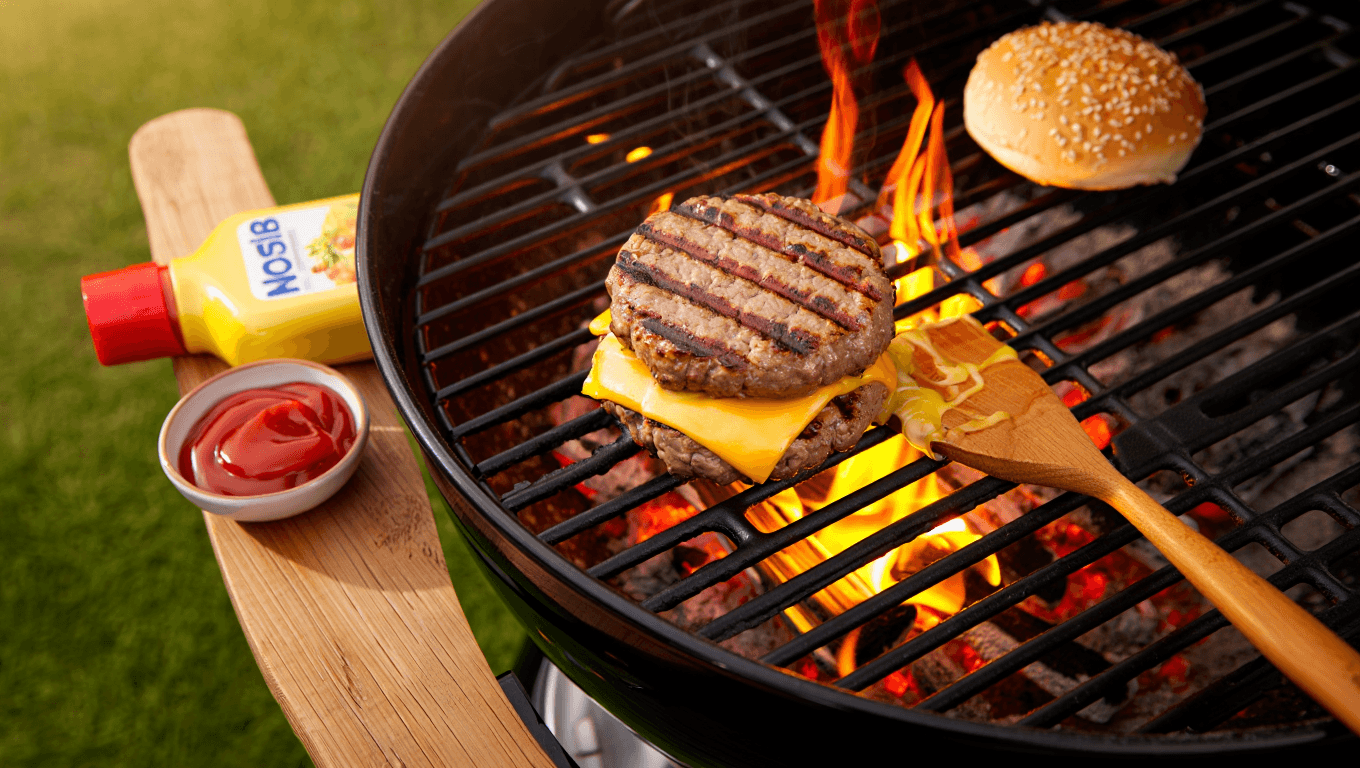
Every grill master needs a reliable hamburger recipe that delivers juicy, well-seasoned results without fuss. This version uses straightforward pantry ingredients and a few smart techniques so you can make classic grilled hamburgers that please a crowd. Ground beef gets a flavor lift from steak sauce and Dijon while simple seasonings keep the beef itself front and center. Keep an instant-read thermometer nearby and you will nail doneness every time.
Which ingredients and tools should you gather?
Bicycle thief cocktail recipe: bittersweet gin, zesty citrus, soda
Amaryllis Negroni recipe: how to make a balanced, bittersweet cocktail
Start with 80–85% lean ground beef for the juiciest burgers, although leaner meat will work if you prefer less fat. You will add a few simple components that punch up the flavor: steak sauce, Dijon mustard, minced garlic, dried oregano, dehydrated onion, kosher salt and black pepper. These staples usually live in a well-stocked kitchen and transform plain ground beef into a flavorful patty with minimal effort.
- 1¼–1½ lb ground beef (80–85% lean)
- 3 tbsp steak sauce (such as A1) and 1 tbsp Dijon mustard
- ½ tsp kosher salt, ¼ tsp black pepper, 2 cloves minced garlic
- ¾ tsp dried oregano and 1 tbsp dehydrated onion
- 6 hamburger buns and desired toppings
Equip yourself with a large mixing bowl and an outdoor grill or hot skillet. An instant-read digital thermometer is the most useful tool for consistent results, and vous will appreciate its precision when checking internal temperatures. If you plan to freeze or store patties, have parchment paper and airtight containers ready.
How should you mix the meat and form patties?
Place the ground beef in a roomy bowl and drizzle the steak sauce and Dijon over the meat. Add salt, pepper, garlic, oregano and the dehydrated onion and then fold the ingredients into the beef gently until evenly distributed. Use food-safe gloves or a light touch with your hands to avoid overworking the meat and keep the burger texture tender.
Divide the mixture into 4–6 portions depending on your preferred burger size and shape each into even patties. Press a shallow indentation with your thumb into the center of each patty so they cook flat and do not dome up on the grill. This small trick makes a visible difference in cook time and bite consistency.
If vous want cheeseburgers, plan to add cheese with 1–2 minutes left on the cook time so it melts perfectly. Store any uncooked patties separated by parchment if you do not cook them immediately, which also makes freezing straightforward later on.
What grilling techniques yield the best results?
Preheat the grill to medium heat before placing patties on the grates so you get an even sear. Grill patties about 7 minutes per side as a baseline, then adjust time according to thickness and your desired doneness. For greater control, start over indirect heat and finish with a quick sear over direct heat to develop a flavorful crust.
Toast buns briefly on the grill or in a skillet with a touch of butter for added flavor and structure. If you add cheese, place it on the patties during the final 1–2 minutes of cooking so it becomes melty without overcooking the meat. Prepare toppings while the burgers cook so assembly is effortless when they come off the grill.
Keep juices inside the patties by avoiding excessive pressing with a spatula while grilling. Let cooked burgers rest for a couple of minutes off the heat to redistribute juices before you build your sandwiches. Small habits like these separate a good burger from a memorable one.
Which internal temperatures indicate burger doneness?
An instant-read thermometer removes uncertainty when checking burgers and ensures food safety for ground beef. The USDA recommends a minimum internal temperature of 160°F in the thickest part of the patty to reduce risk from bacteria mixed through ground meat. Many home cooks and restaurants still choose lower targets for tenderness, so use the guide below and always measure at the center.
The following table summarizes common doneness levels, recommended internal temperatures, and a rough per-side time for a typical ¾-inch patty cooked over medium heat.
| Doneness | Internal Temp (°F) | Texture | Approx. time per side |
|---|---|---|---|
| Medium rare | 130–135°F | Warm red center, very tender | 4–6 minutes |
| Medium | 140–145°F | Pink center, balanced juiciness | 6–7 minutes |
| Medium well | 150–155°F | Light pink center, firmer | 7–8 minutes |
| Well done | 160–165°F | No pink, fully cooked | 8+ minutes |
Allow for a small amount of carryover cooking while the patties rest which can raise the internal temperature a few degrees. If vous prefer a juicier burger, aim for the lower end of your chosen range while still following food-safety guidance for your household. Always measure in the thickest part of the patty for an accurate reading.
Which toppings work best and can patties be prepped ahead?
Toppings let you customize each burger, so keep a mix of textures and flavors on hand. Crisp lettuce, sliced tomato, red onion, pickles and strips of bacon create contrast, while cheeses like cheddar, American, Havarti or pepper jack add richness. Condiments including mayonnaise, ketchup and mustard round out the profile and let guests build sandwiches to taste.
- Romaine or iceberg for crunch
- Thick tomato slices and red onion
- Pickle chips and crispy bacon
- Melted cheese varieties and classic condiments
Prepare patties up to 1–2 days in advance and store them separated by parchment in a covered container in the fridge. For longer storage, freeze patties layered between parchment in an airtight package for up to two months and thaw in the refrigerator before cooking. If cooking from frozen, add a few minutes per side and check temperature carefully so you reach the desired doneness.

Jonathan Pierce specializes in approachable main dishes for everyday family meals. His writing emphasizes clarity, structure, and reliable recipes that are easy to recreate at home.