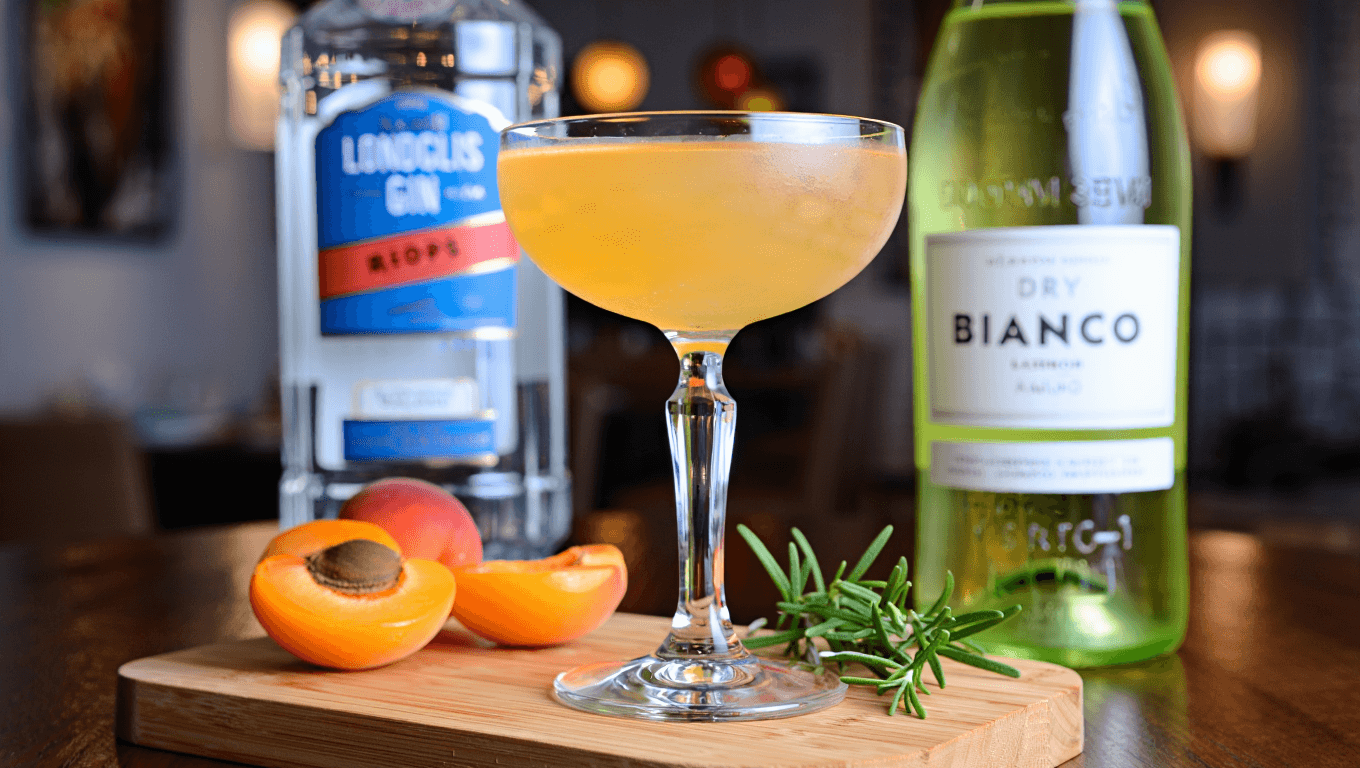
The Amaryllis is a quietly elegant cocktail that brings together London dry gin, a dry bianco vermouth and a soft apricot liqueur for a drink that is both aromatic and balanced. This gin-forward recipe works well as an evening sipper or a refined aperitif, and the recipe below explains ingredients, preparation and what to expect from its flavour and strength without unnecessary fuss. Whether you are crafting this at home or refining your bar menu, the Amaryllis delivers a polished drink with minimal steps and maximum character.
What is the Amaryllis cocktail?
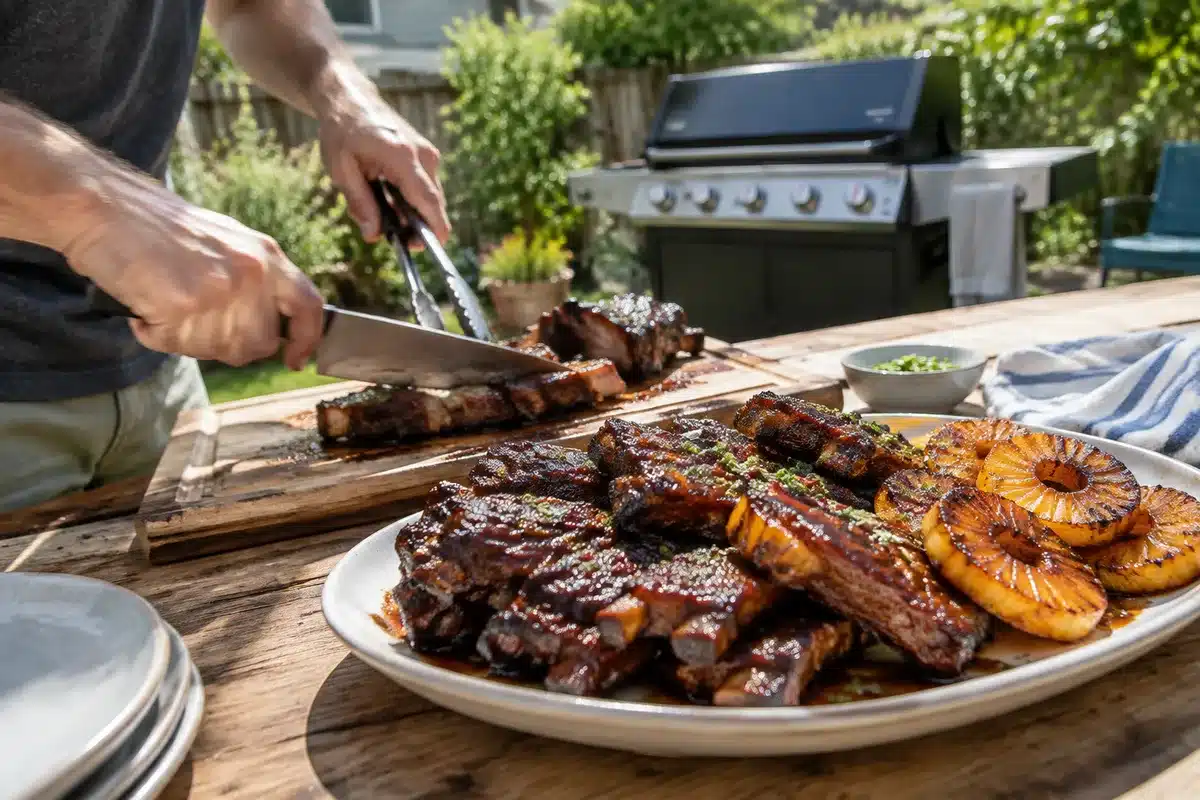
How to make a Lucky Lily margarita: spicy tequila and pineapple cocktail recipe
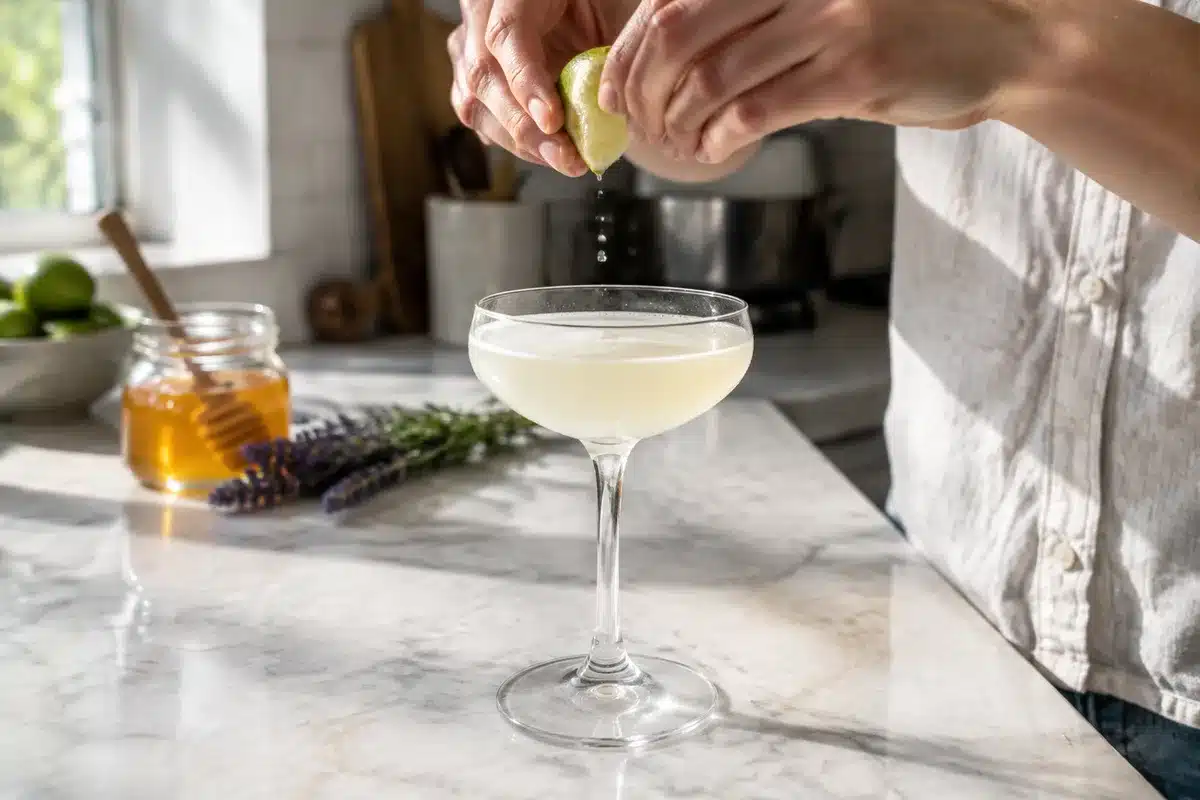
Lavender and honey daiquiri recipe: easy floral cocktail
The Amaryllis is a spirit-forward cocktail that pairs classic gin and vermouth with a touch of stone-fruit sweetness from apricot liqueur. It gained attention after being shared by bartenders in the late 2000s and has since found a niche among lovers of dry, aromatic cocktails.
This drink keeps the focus on the botanicals in the gin while the bianco vermouth brings herbal complexity and the apricot liqueur adds roundness without dominating. A few dashes of orange bitters and a twist of orange peel finish the drink with bright aromatics and a subtle citrus lift.
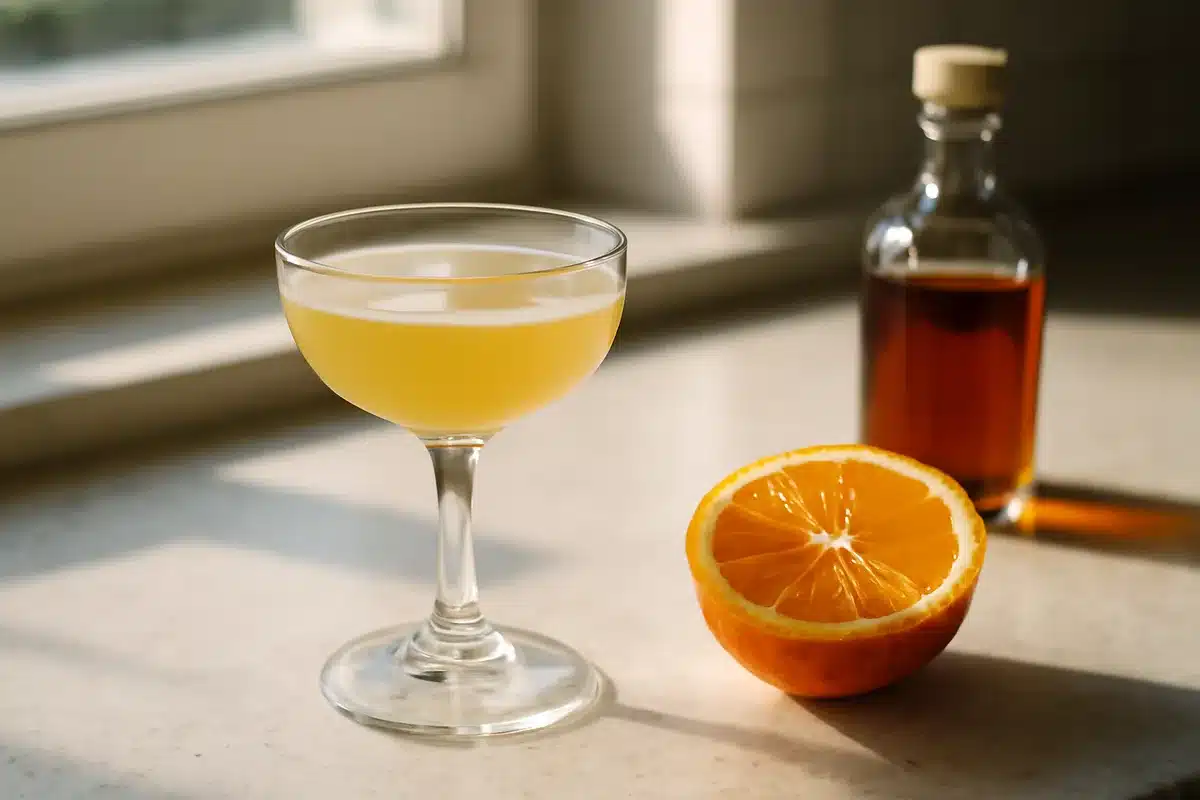
Presentation is part of the appeal. Serve the Amaryllis in a chilled coupe glass and garnish with an expressed orange twist to release essential oils and add a fragrant top note.
What ingredients are needed and how much?
This cocktail relies on a short list of quality components and precise measures to achieve balance. Use a London dry gin you trust, a chilled bianco vermouth, an apricot brandy-style liqueur and orange bitters for the aromatic lift.
| Ingredient | Amount (ml) | Notes |
|---|---|---|
| Hayman’s London Dry Gin | 52.5 | or a similar bold dry gin |
| Strucchi Bianco Vermouth | 22.5 | serve chilled |
| Apricot (brandy) liqueur | 15 | adds stone-fruit sweetness |
| Orange bitters | 2 dashes | Angostura or similar |
Small adjustments are possible if you prefer a slightly drier or sweeter profile. If vous favour a drier drink, reduce the apricot liqueur by a few millilitres; if you want more fruit, add a touch more.
How should you prepare and serve the Amaryllis?
Start by chilling a coupe or coupette glass and preparing a long twist of fresh orange peel for garnish. Cooling the glass will keep the drink crisp and showcase its aromatics.
Fill a mixing glass with plenty of fresh ice and add the measured gin, chilled vermouth, apricot liqueur and bitters. Stir gently for about 20–30 seconds to achieve dilution and a silky texture without over-chilling.
Strain the mixture into the pre-chilled coupe glass. Express the orange zest over the surface to release oils and then place the twist on the rim or floating atop the drink.
For service consider these small tools and tips
- Mixing glass and bar spoon for smooth stirring
- Hawthorne strainer or julep strainer to avoid shards of ice
- Channel knife or vegetable peeler for a clean orange twist
What does the Amaryllis taste like and when is it best served?
The first sip highlights juniper and botanical notes from the gin, supported by the floral and herbal threads of the bianco vermouth. The apricot liqueur adds a round, stone-fruit sweetness that softens the edges and makes the drink approachable.
Expect a balanced mouthfeel that sits on the drier side but finishes with a faint fruit echo and citrus oil on the nose. The orange bitters provide an understated spice that ties the components together.
How strong is the Amaryllis and what about calories?
The Amaryllis is a moderate-to-strong cocktail that leans toward boozy rather than low-alcohol. A single measure of this recipe yields approximately 25.98% alc./vol. which equates to about 1.7 standard drinks depending on local calculations.
Nutrition is concise for a cocktail of this style. One serving contains roughly 182 calories and about 23.6 grams of pure alcohol. Use these figures as a guide when planning servings or menu listings.
If vous plan events or want to scale the recipe, multiply the ingredients proportionally and remember that larger batches chill and dilute at different rates than single serves.

Andrew Cole focuses on everyday drinks, from warm comfort beverages to refreshing options. His writing emphasizes balance, clarity, and ease of preparation.