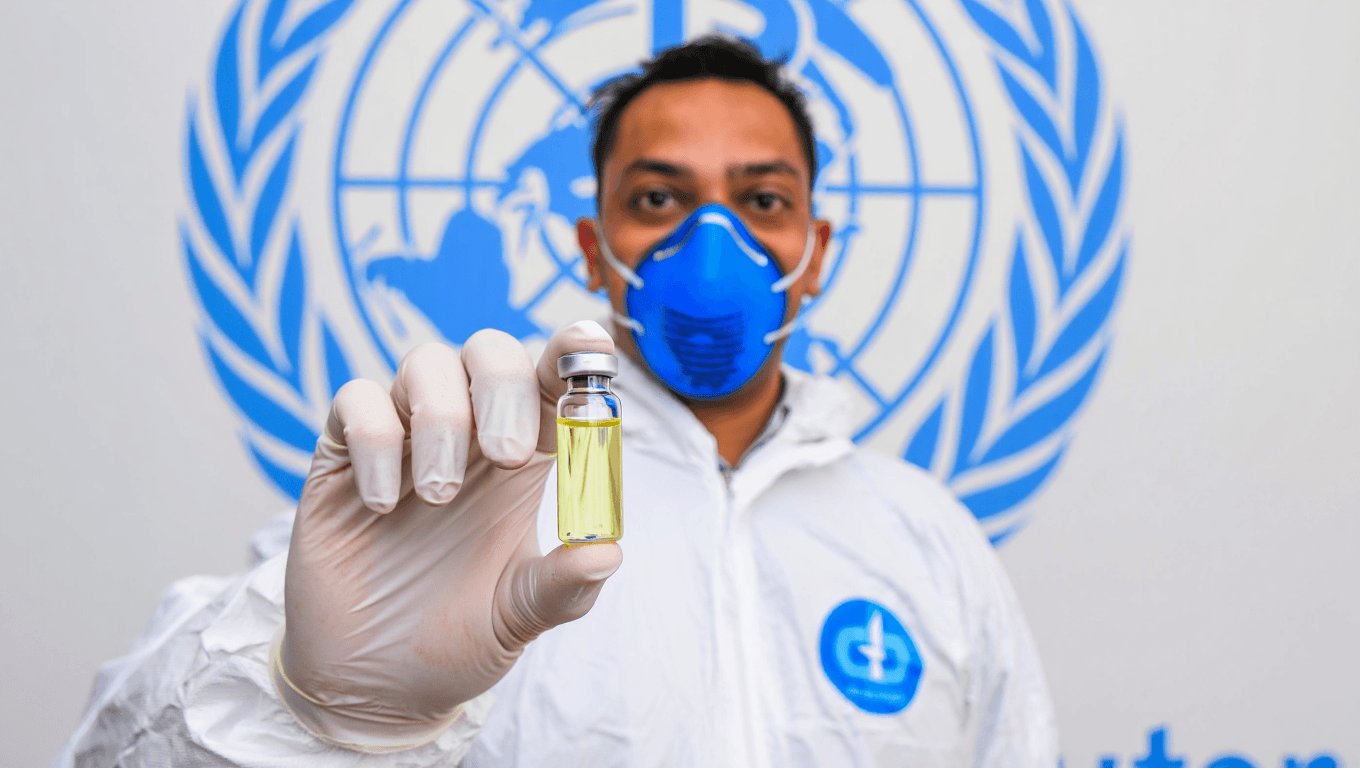
The World Health Organization has long pushed public attention toward global health challenges and every year the observance of World Health Day offers a moment to reflect on progress and perils. We remember the leaps in medicine such as the discovery of penicillin and also the new threats that have emerged from antibiotic resistance and pandemics. This blend of triumph and risk shapes how we think about health today and even influences the names and stories behind some inventive cocktails. If you follow health news or simply enjoy a well-crafted drink, the links between medicine, history, and mixology make for a fascinating conversation.
Why does World Health Day still matter?
How to make a Lucky Lily margarita: spicy tequila and pineapple cocktail recipe
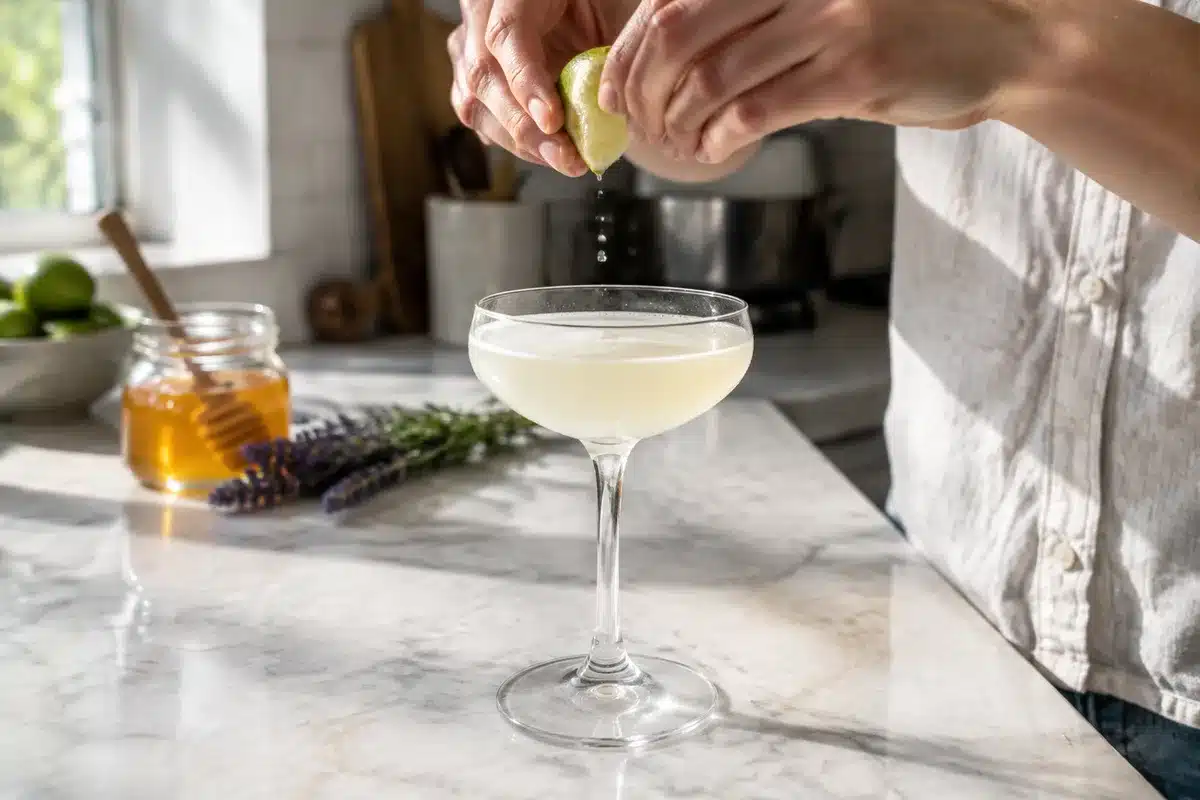
Lavender and honey daiquiri recipe: easy floral cocktail
The WHO created World Health Day to focus global attention on pressing health issues, from infectious diseases to vaccine access. Each year gives governments and communities a chance to rally around themes that highlight gaps in care and prevention. Observance helps steer funding, research priorities, and public awareness toward problems that would otherwise stay invisible.
Major discoveries like penicillin changed clinical practice, but new challenges such as antimicrobial resistance and emerging viruses remind us that the work is ongoing. Global coordination matters because pathogens do not respect borders and unequal health systems create vulnerabilities. The day acts as a yearly checkpoint for advocacy and strategy.
Clinicians, researchers and citizens all have roles to play when campaigns translate into local action. Awareness alone is not enough, yet it often sparks the policy shifts and personal choices that protect communities. That is why World Health Day remains relevant.
How did penicillin change medicine and why does resistance matter?
Alexander Fleming’s observations in 1928 ushered in the antibiotic era and saved millions of lives from previously fatal infections. The idea of a chemical that could kill bacteria without harming humans revolutionized surgery, childbirth and treatment of wounds. Penicillin quickly became a symbol of modern medicine’s power.
Overuse and misuse of antibiotics accelerated microbial adaptation, leading to resistant strains sometimes called superbugs. Resistant infections reduce treatment options and increase healthcare costs and mortality. Public health messaging now balances celebrating past successes with urgent calls to preserve antibiotic efficacy for future generations.
Which medical‑themed cocktails are worth exploring?
Cocktails inspired by medical language and history blend storytelling with creative flavors and many of these recipes nod to the past. Some drinks use smoky whiskies or herbal liqueurs to mimic “medicinal” tones, while others adopted pandemic-era names as cultural commentary. Fans of classic and contemporary cocktails will find intriguing choices whether you prefer rum, gin or Scotch.
Here are standout recipes and what makes each one notable. The list mixes time-honored classics with inventions that rose during modern crises, and each cocktail links to a theme or ingredient that echoes medicine.
| Drink | Origin | Base spirit | Medicinal link |
|---|---|---|---|
| Doctor Funk | 1950s Don the Beachcomber era | Rum | Tiki-era tonic complexity |
| Penicillin Cocktail | Modern classic by Sam Ross | Scotch | Smoky Islay float evokes a medicinal splash |
| Gin Quarantini | 2019, popular in 2020 lockdowns | Gin | Named during quarantine culture |
| Vodka Quarantini | Social media trend, 2020 | Vodka | Lockdown-era riffs on the martini |
| Monkey Gland | 1920s classic | Gin | Historic name with citrus and grenadine |
For vous preparing these drinks at home, a few practical tips will improve results and safety. Use fresh citrus and quality spirits, measure with a jigger, and, when a recipe calls for a smoky float, add it sparingly. Garnishes and ice quality affect aroma and mouthfeel, so pay attention to small details.
What are quick serving suggestions and variations?
Cocktails with medicinal names lend themselves to playful but tasteful presentation that honors their history. For a Penicillin-style drink choose a blended or peaty Scotch depending on whether you want subtle smoke or a bold iodine note. Light syrups, honey and ginger work well as soothing balances to high-proof spirits.
Consider the following easy variations that preserve a drink’s character while adapting to what you have on hand.
- Swap Scotch for a smoky rye to change the backbone while keeping spice.
- Replace Yellow Chartreuse with a milder herbal liqueur for subtler sweetness.
- Use fresh ginger syrup instead of candied ginger for brighter flavor.
- Serve Quarantini styles in chilled coupés to emphasize aromatics.
What connects King Kong and the Monkey Gland cocktail?
April 7 marks the release date of the original King Kong in 1933, a film that offered escapism during difficult times and left a lasting cultural footprint. The era overlapped with the popularity of many prohibition-era and post‑prohibition cocktails, when imaginative names and theatrical presentations were in vogue. The giant ape and the imaginative drink share an appetite for drama.
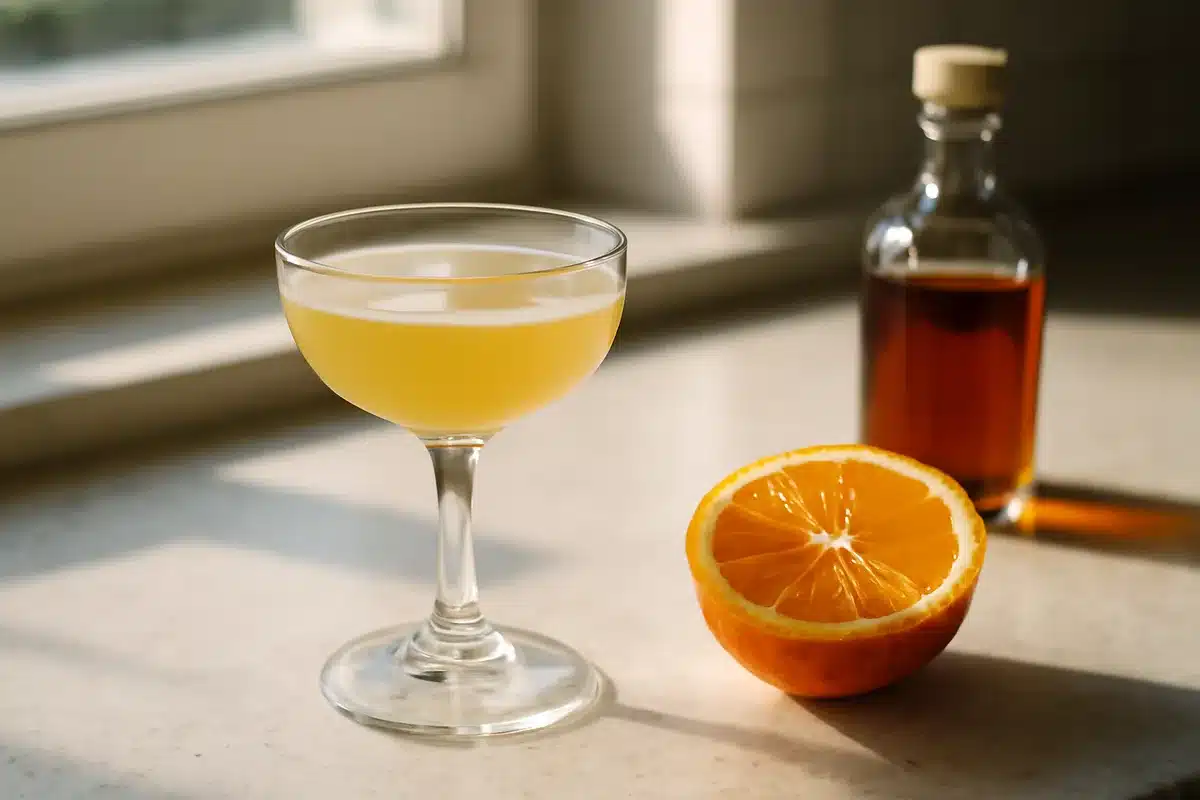
The Monkey Gland cocktail predates the movie but fits the same fascination with sensational names and exotic myths. The recipe blends gin with orange, grenadine and an absinthe‑like element, creating a bright, slightly mysterious cocktail that remains popular in classic bars. Enjoying one offers a small sensory bridge between cinema history and cocktail culture.

Andrew Cole focuses on everyday drinks, from warm comfort beverages to refreshing options. His writing emphasizes balance, clarity, and ease of preparation.