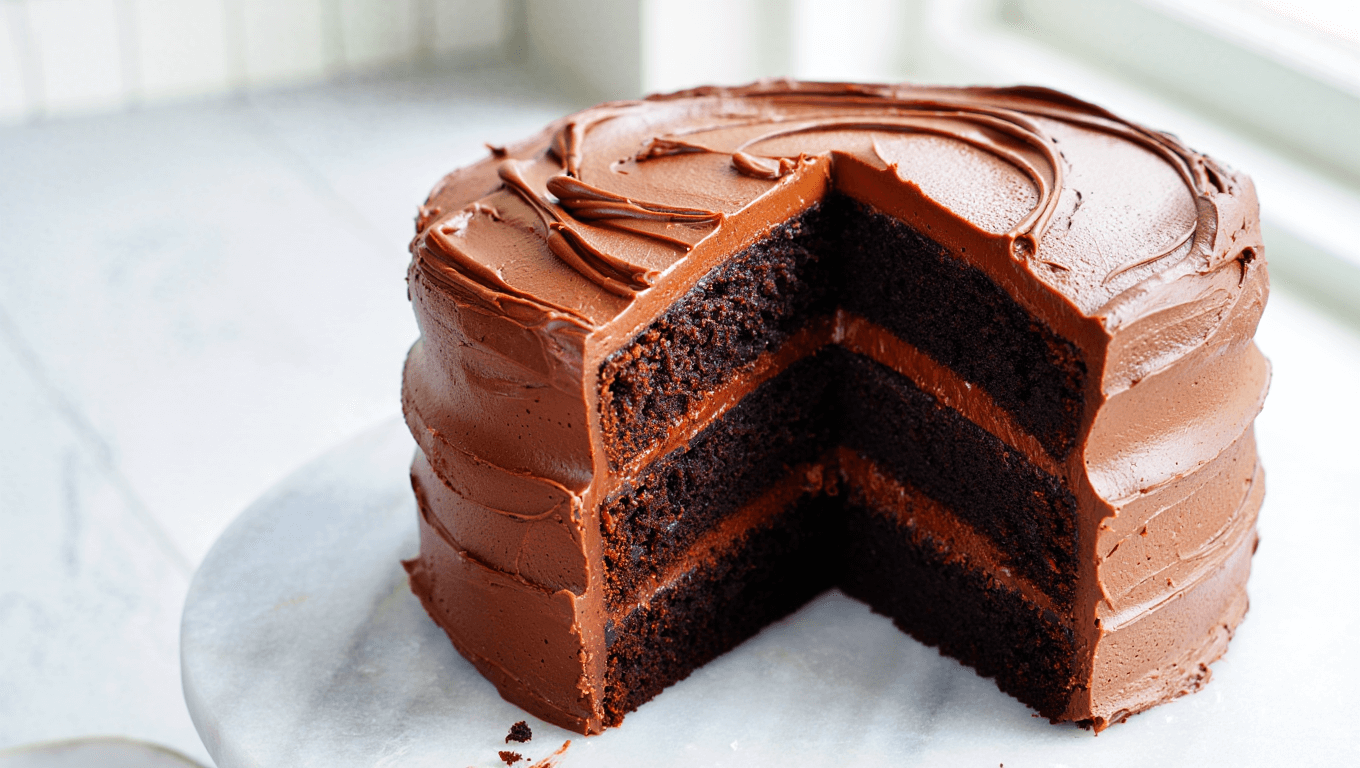
This oil-based chocolate cake delivers a rare combination of fudgy density and airy tenderness, achieved thanks to cake flour and a careful balance of wet ingredients. The frosting has a light, silky texture because it begins as a warm chocolate pudding and is whipped into a buttercream that feels both rich and feather-light. This recipe highlights Dutch-process cocoa, crème fraîche and strong coffee to deepen chocolate flavor while keeping the crumb moist and tender.
Which ingredients make this oil-based chocolate cake stand out?
How to make a Lucky Lily margarita: spicy tequila and pineapple cocktail recipe
Lavender and honey daiquiri recipe: easy floral cocktail
This section lists the essentials for the cake and the frosting so you can shop and prepare without surprises. Ingredients include cake flour for softness, Dutch-process cocoa for rounded chocolate notes, and crème fraîche for moisture and subtle tang. Strong brewed coffee amplifies the cocoa while neutral oil keeps the crumb tender and longer-lasting than butter-only cakes.
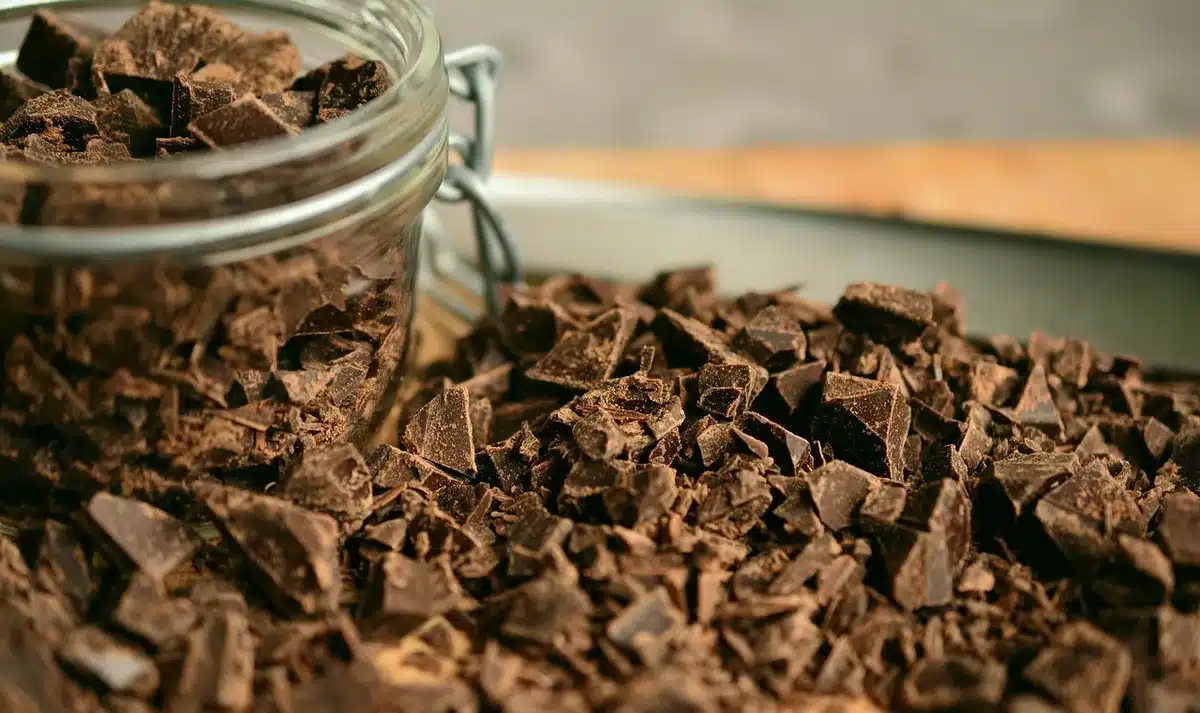
For the buttercream, the base is a chocolate pudding that gets whipped with butter. Using semisweet chocolate in the 54–64% cacao range delivers brightness without excessive bitterness. Egg yolks and a small amount of flour stabilize the pudding so the final frosting is glossy and spreadable.
| Ingredient | Amount for Cake | Amount for Buttercream |
|---|---|---|
| Cake flour | 2 cups / 260 g | — |
| Granulated sugar | 2¼ cups / 450 g | ½ cup / 100 g (plus ¼ cup / 50 g for pudding) |
| Salt | 2 tsp Diamond Crystal or 1 tsp Morton | 1½ tsp Diamond Crystal or ¾ tsp Morton |
| Baking soda and baking powder | 1½ tsp each | — |
| Unsweetened Dutch-process cocoa | 1 cup / 80 g | 3 tbsp for pudding |
| Hot strong coffee | ¾ cup / 177 g | — |
| Crème fraîche | 1 cup / 240 g | — |
| Eggs | 5 large eggs + 2 yolks | 4 large yolks |
| Neutral oil | ¾ cup / 180 g | — |
| Semisweet chocolate (54–64%) | — | 8 oz / 226 g, finely chopped |
| Whole milk | — | 1 cup / 240 g |
| Unsalted butter | — | 1¼ cups / 284 g, room temperature |
| Vanilla extract | 1 tbsp | 2 tsp |
How should you prepare the pans and the batter?
Arrange two oven racks so one sits in the upper third and the other in the lower third, then preheat the oven to 350°F (175°C). Lightly butter three 8-inch pans, line each bottom with parchment rounds and press the paper to remove air pockets. This quick prep helps the layers release cleanly after baking.
In a stand mixer fitted with a paddle, blend cake flour, sugar, salt, baking soda and baking powder on low until evenly combined. Bloom the cocoa by whisking it with the hot coffee, then stir in crème fraîche and vanilla until smooth. In a separate bowl, whisk the five whole eggs and two extra yolks until homogenous; they will give the batter structure and richness.
What is the best technique for mixing and baking the layers?
Add the oil and half of the cocoa mixture to the dry ingredients and mix on low until the flour has absorbed the liquids. Pause to scrape the bowl, then beat on medium for about 30 seconds until the batter looks pasty and cohesive. Add the whisked eggs and remaining cocoa mixture, then beat until the texture resembles thin pancake batter and is very silky, roughly one minute.
Divide the batter evenly between the three prepared pans. For consistent layers weigh about 550 g per pan if you have a kitchen scale. Bake with two pans on the upper rack and one on the lower, rotating them side to side and swapping racks at the 20-minute mark. Expect 25–30 minutes of baking time until cakes are domed and springy and a tester comes out clean.
How do you create the chocolate pudding base and convert it into buttercream?
Start the buttercream by heating the milk with half of the sugar until it simmers and the sugar dissolves. In a bowl whisk the cocoa, flour, salt and the remaining sugar, then add the egg yolks and whisk until smooth. Slowly incorporate about half of the warm milk into the yolk mixture while whisking, then combine everything back in the saucepan.
Cook the mixture over medium-low, whisking constantly until it thickens and just starts to bubble, which takes one to three minutes. Pour the hot pudding immediately over the finely chopped semisweet chocolate in a clean mixing bowl so the residual heat melts the chocolate. Let it sit briefly, then mix on low until smooth and glossy.
Beat the pudding on medium until the bowl feels cool to the touch, about 10–15 minutes. With the mixer running, add the softened butter in small pieces, allowing each addition to incorporate fully before adding more. Finish by mixing in the vanilla for a creamy, spreadable chocolate buttercream with a light, airy mouthfeel.
What are the best practices for assembling and storing the cake?
Once the layers have cooled completely, loosen them with a butter knife and invert onto a rack to remove parchment. Invert again so the domed tops face up and level each layer with a serrated knife held parallel to the counter. Keep the trimmed scraps for snacking.
Place the first layer cut side down on your serving plate or cake board and spread about 1 cup of buttercream across its surface. Repeat with the second layer then the third, using another cup of buttercream between layers. Apply roughly half of the remaining frosting as a thin crumb coat, chill for 10–15 minutes to set, then finish with the remaining buttercream for an even, polished finish.
Room temperature storage works for a day if the cake is loosely covered after chilling so the frosting firms first. For longer storage wrap cut surfaces tightly and refrigerate; bring the cake to room temperature before serving so the buttercream regains its silky texture.
For make-ahead planning, you can bake the layers a day ahead and keep them wrapped in the refrigerator, or make the pudding base and chill it briefly before whipping in the butter the next day. These small timing choices make the process far more manageable when you prepare for guests.

Samuel Knox writes about desserts with a focus on comfort and simplicity. His recipes highlight homemade sweets that are easy to prepare and meant to be shared.