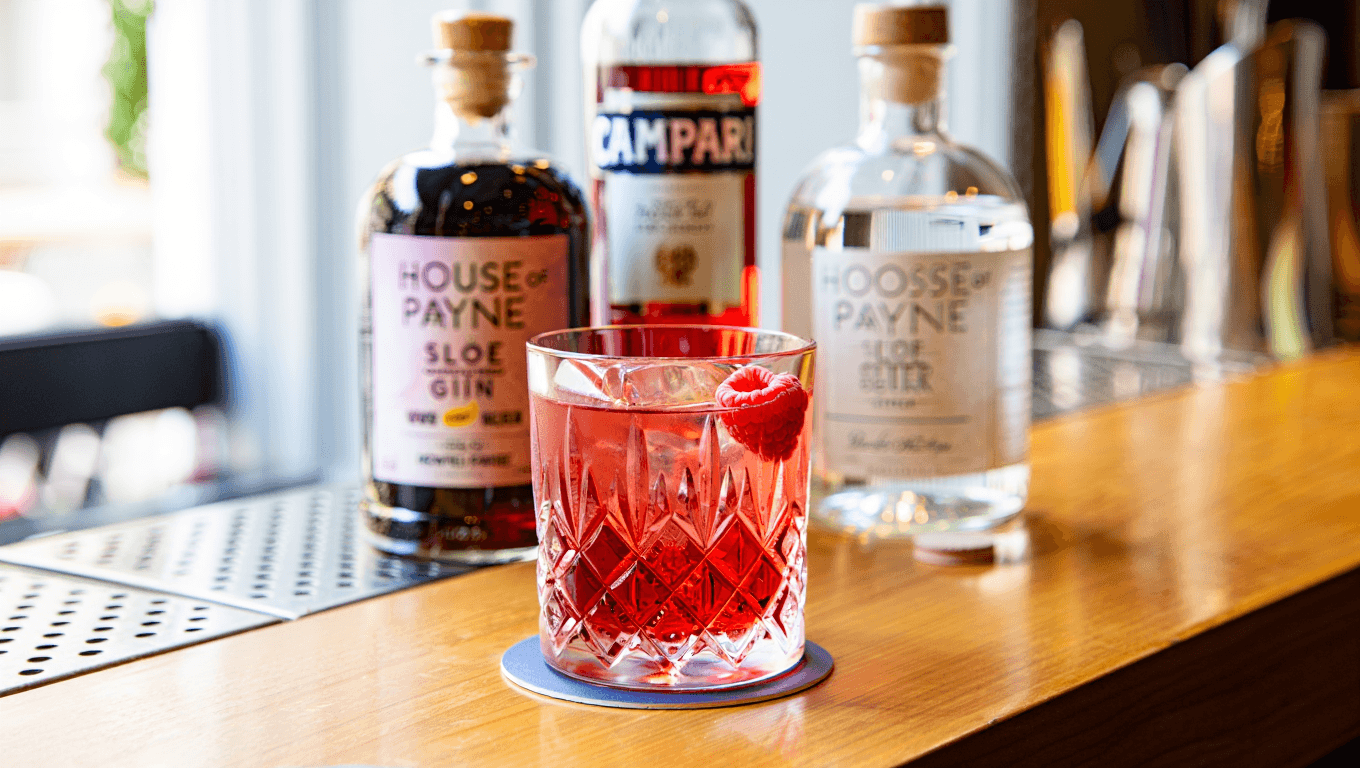
This raspberry-tinted riff on a Negroni blends Sloe Gin, London Dry gin and a Campari-style bitter to create a spirit-forward aperitivo with a fruity edge. The House of Payne stands out for its balance of tart raspberry and botanical gin, making it a smart choice when you want something both classic and slightly playful. You will find clear instructions, ingredient proportions, and serving tips below that help you reproduce the drink at home with confidence. The recipe suits bartenders and home mixologists who value texture, color and a properly chilled presentation.
What defines the House of Payne cocktail?
How to make a Lucky Lily margarita: spicy tequila and pineapple cocktail recipe
Lavender and honey daiquiri recipe: easy floral cocktail
The House of Payne is essentially a Sloe Gin Negroni that uses fresh raspberries for brightness and color. Its backbone is Hayman’s London Dry Gin paired with Hayman’s Sloe Gin and a red bitter in the Campari family, creating a bittersweet profile with fruity lift. This cocktail leans toward the spirit-forward side, yet the muddled fruit softens the bitterness and adds aromatic freshness.
Expect a ruby hue and a mouthfeel that sits between a stirred Negroni and a fruit-forward smash. When crafted properly, the raspberries contribute both aroma and a light velvet texture. Vous may appreciate how the fruit balances the botanicals without turning the cocktail into a sweet punch.
Which ingredients and glassware do you need?
Gather fresh raspberries, a quality London Dry gin, sloe gin and a red bitter that mirrors Campari. Use fresh fruit rather than syrup for a cleaner, less sweet finish and more nuanced texture. Choose a sturdy old-fashioned glass and large ice for best presentation and slow dilution.
| Ingredient | Amount |
|---|---|
| Fresh raspberries | 4 fruit |
| Hayman’s London Dry Gin | 45 ml |
| Hayman’s Sloe Gin | 30 ml |
| Strucchi Red Bitter or Campari-style liqueur | 30 ml |
How do you prepare and mix it?
Begin by chilling an old-fashioned glass so the final drink stays cool longer. Muddle the raspberries gently in the base of a mixing glass to release juices without pulverizing the seeds into the mix. Add gin, sloe gin and the red bitter, then fill the mixing glass with ice and stir until well chilled.
Strain the cocktail through a fine sieve into the pre-chilled glass over a large ice cube or block. This extra straining step removes seeds and pulp for a cleaner sip and a silky mouthfeel. For consistent results, stir for roughly 20–30 seconds until the exterior of the mixing glass feels cold to the touch.
- Use fresh raspberries and a fine strainer to avoid grainy texture.
- Prefer large ice to slow dilution and maintain structure.
- Adjust bitters quantity by 5–10 ml if you want a drier or sweeter finish.
How is the drink finished and garnished?
Finish the cocktail by placing it over a single large cube or chunk of ice to keep it visually appealing and properly chilled. The big ice melts slowly and preserves the balance between spirit and fruit as you sip. Garnish simply with three fresh raspberries perched on a pick and seated on the ice.
For an elevated presentation, freeze a raspberry within the ice cube or lightly express an orange peel over the drink to release oils, then discard the peel. These small touches increase aroma without altering the original recipe significantly. Vous will find that a restrained garnish keeps the focus on the drink’s color and aromatic profile.
What does the House of Payne taste like and how strong is it?
This cocktail sits in the bittersweet territory with a clear botanical backbone and a sweet-tart raspberry note on top. The sloe gin adds depth and a rounded fruitiness while the red bitter enforces the classic aperitivo bitterness. Together they create a layered flavor where each sip reveals more of the gin’s botanicals and the berry’s acidity.
Alcohol strength is noticeable but not overwhelming; the recipe contains an appreciable amount of spirit. Based on the listed measures, expect roughly 26.7 grams of pure alcohol per serving, which places the drink in the spirit-forward category for aperitifs. Adjust proportions or serve in smaller measures if you prefer a milder experience.
Where did this recipe come from and what variants exist?
The House of Payne traces its lineage to Phil Ward’s work in New York at Death & Co., originating around 2008 as an inventive twist on the Negroni family. It borrows the bitter-sweet template while leaning on sloe gin and fresh fruit for a seasonal feel. That history explains the cocktail’s combination of old-school technique and modern flavor play.
Common variations include the Sloegroni and the Slow Negroni, which explore the same components with small swaps in proportions or fruit. Some bartenders temper the bitterness with a touch of syrup, while others increase the sloe gin for a sweeter, denser profile. Experimenting with alternate red bitters can also shift the balance toward more herbal or citrus notes.
More advanced adaptations replace fresh raspberries with an infused raspberr y liqueur for consistency in high-volume bars. You can also substitute the London Dry base with a more floral gin to accentuate delicate berry aromatics, but keep the sloe gin and red bitter proportions near the original for best balance.

Andrew Cole focuses on everyday drinks, from warm comfort beverages to refreshing options. His writing emphasizes balance, clarity, and ease of preparation.