
Cuban Paloma takes the sunny zest of a classic Paloma and replaces tequila with Cuban rum, creating a lighter, fruit-forward highball that suits warm afternoons and casual gatherings. This rum Paloma recipe highlights pink grapefruit soda and fresh lime, offering a balance between bright citrus and mild sweetness while keeping the drink refreshingly low in alcohol. You will find practical tips on ingredients, glassware, technique, and nutrition below so you can recreate this modern twist at home.
What is a Cuban Paloma?
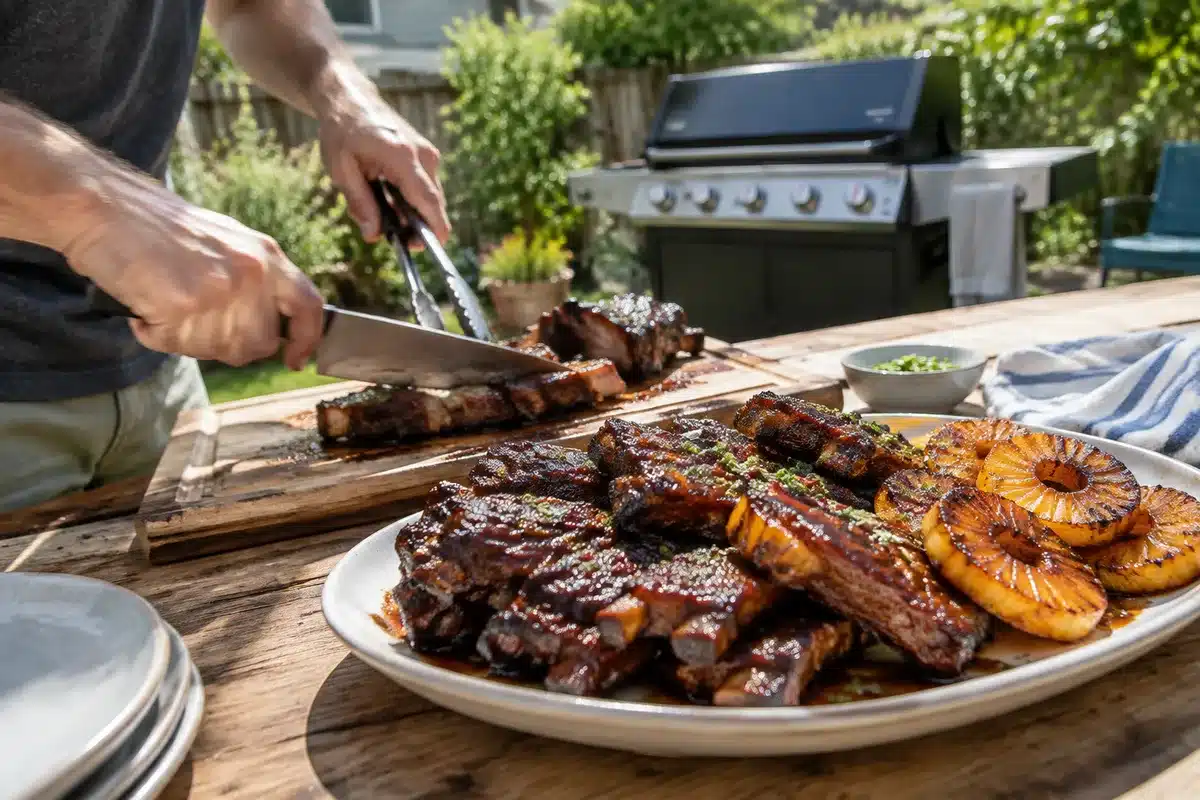
How to make a Lucky Lily margarita: spicy tequila and pineapple cocktail recipe
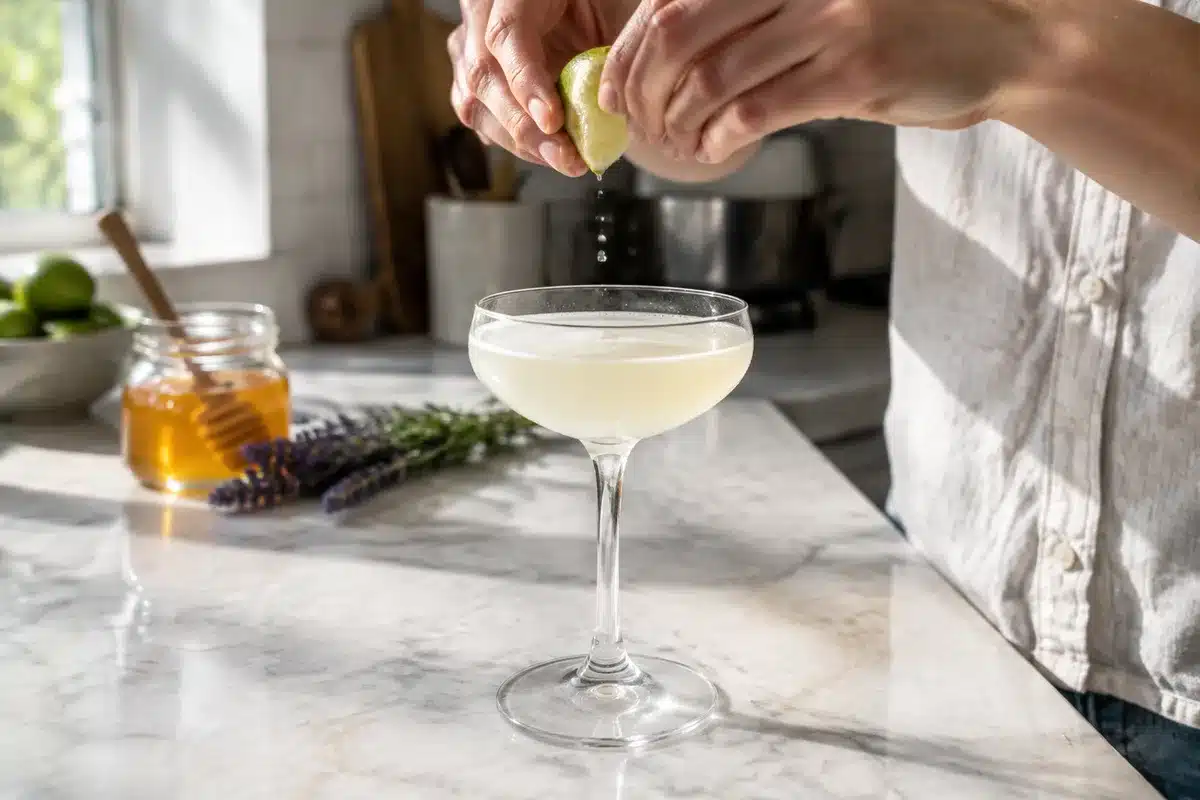
Lavender and honey daiquiri recipe: easy floral cocktail
The Cuban Paloma is a refreshing variation on the traditional Paloma cocktail. Instead of tequila, this version uses aged Cuban rum, which adds a gentle vanilla and caramel backdrop to the grapefruit and lime.
bartenders often choose a 3-year-old añejo rum such as Havana Club Original Añejo 3 Años for its approachable profile. The result feels lighter than many rum cocktails and works well as a long drink for daytime sipping.
Many drinkers appreciate the Cuban Paloma as an easygoing alternative when you want a citrusy highball without a heavy boozy finish.
Which ingredients and measurements are needed?
This Cuban Paloma keeps the ingredient list short and pantry-friendly. Fresh citrus and a quality grapefruit soda make the biggest difference in flavor.
| Ingredient | Quantity | Notes |
|---|---|---|
| Cuban rum (añejo) | 45 ml | Havana Club 3 Años recommended |
| Fresh lime juice | 15 ml | Freshly squeezed for brightness |
| Rich sugar syrup | 10 ml | 2:1 sugar to water for texture |
| Pink grapefruit soda | 90 ml | Chilled, such as Thomas Henry Pink Grapefruit |
| Garnish | 1 wedge | Grapefruit wedge for aroma and visual appeal |
Substitutions are possible if you prefer different sweetness or fizz. You may swap the pink soda for fresh grapefruit and tonic, but carbonation and pink grapefruit character are key for the signature Paloma feel.
How should you prepare the Cuban Paloma?
Begin by chilling a Collins glass and preparing the garnish so everything comes together quickly. Ice and temperature matter here, since the cocktail relies on cold dilution to balance flavors.
- Fill a shaker with ice and add rum, lime juice, and rich sugar syrup.
- Shake briefly until well chilled, about 6–8 seconds.
- Fill the pre-chilled Collins glass with fresh ice.
- Strain the shaken mix into the glass and top gently with chilled pink grapefruit soda.
- Give a light stir to integrate soda, then garnish with a grapefruit wedge.
When you pour the soda, aim to preserve carbonation by pouring slowly down the side of the glass. That small detail keeps the drink lively and visually appealing.
What glass and garnish work best?
A cold Collins glass fits the Cuban Paloma perfectly, offering room for ice, soda, and a tall presentation that keeps aromas rising toward the nose. Presentation helps the palate anticipate the grapefruit-forward profile.
A single grapefruit wedge serves both fragrance and function. You can express oils from the rind over the top before dropping the wedge in for an aromatic lift that complements the rum.
What does the Cuban Paloma taste like and what are the nutrition numbers?
Flavor leans bright and slightly tart with a hint of sweetness. The aged rum rounds out the edges with soft vanilla notes while the pink grapefruit soda supplies the characteristic bitterness and effervescence.
| Nutritional element | Per serving |
|---|---|
| Calories | 172 kcal |
| Alcohol by volume | 7.76% alc./vol. |
| Standard drinks | 0.9 |
| Pure alcohol | 12.4 g |
Simple swaps will change those numbers, so consider using lower-sugar soda or smaller pours if you want to reduce calories or alcohol content.
Practical tips for a better Cuban Paloma?
Small adjustments make a noticeable difference when you repeat this recipe. Fresh ingredients and careful pouring matter most.
- Always use freshly squeezed lime juice for clarity and brightness.
- Choose a chilled pink grapefruit soda for best carbonation and color.
- Adjust the sugar syrup by taste if you prefer more or less sweetness.
- Serve over plenty of ice to maintain temperature without over-diluting quickly.

Andrew Cole focuses on everyday drinks, from warm comfort beverages to refreshing options. His writing emphasizes balance, clarity, and ease of preparation.