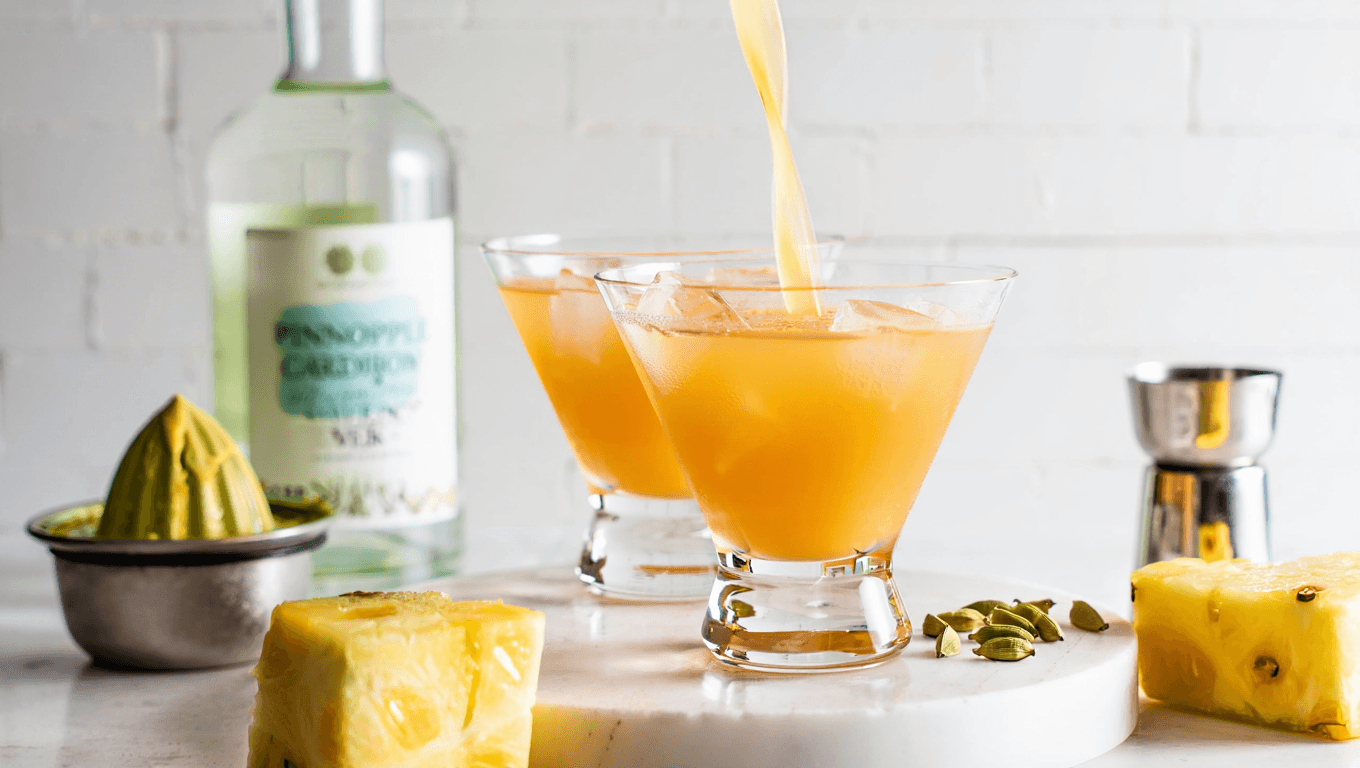
Pineapple and cardamom lift a familiar daiquiri into a lively, aromatic cocktail that balances tropical sweetness with warm spice. This riff on a classic features light white rum and fresh citrus, and it works beautifully when served in a chilled coupe glass for a refined presentation. Whether you plan a summer gathering or a quiet evening, the combination of pineapple juice, lime, and just a hint of cardamom delivers a memorable sip.
Which ingredients are required for a Pineapple and Cardamom Daiquiri?
How to make a Lucky Lily margarita: spicy tequila and pineapple cocktail recipe
Lavender and honey daiquiri recipe: easy floral cocktail
The recipe keeps a short ingredient list so each element can shine. You will need fresh pineapple juice, freshly squeezed lime juice, a rich sugar syrup, light white rum, and whole green cardamom pods for an aromatic lift. Difford’s bitters remain optional but can add subtle complexity if you want a slightly spiced edge.
| Ingredient | Amount |
|---|---|
| Green cardamom pods | 4 whole |
| Light white rum (charcoal-filtered 1–4 years) | 50 ml |
| Pineapple juice | 37.5 ml |
| Fresh lime juice | 10 ml |
| Rich sugar syrup (2:1) | 7.5 ml |
| Difford’s Daiquiri Bitters | 4 drops optional |
Quality matters for this style of daiquiri because the ingredients are few and prominent. Choose a light, clean rum and press your pineapple and lime fresh for the brightest flavour. Small upgrades in syrup and rum payoff in balance and mouthfeel.
How should you prepare the cocktail?
Start by pre-chilling a coupe glass so the drink arrives cold and stable. Prepare a pineapple wedge for garnish and set aside. Crack the cardamom pods slightly to release their oils before using them.
Begin the process by muddling the cracked cardamom gently in the base of a shaker to capture aroma without creating bitterness. Next add the rum, pineapple juice, lime juice, rich syrup, and bitters if using. Place ice into the shaker and shake vigorously until the outside feels frosty.
- Use a fine strainer to remove cardamom fragments and small ice chips for a silky texture
- If the fresh pineapple is fibrous, double strain to avoid sediment in the glass
Finish by fine-straining into the chilled coupe and place the pineapple wedge on the rim. When serving friends, vous will notice how the scent of cardamom lifts the first sip and prepares the palate for the fruit and rum.
What glass and garnish work best?
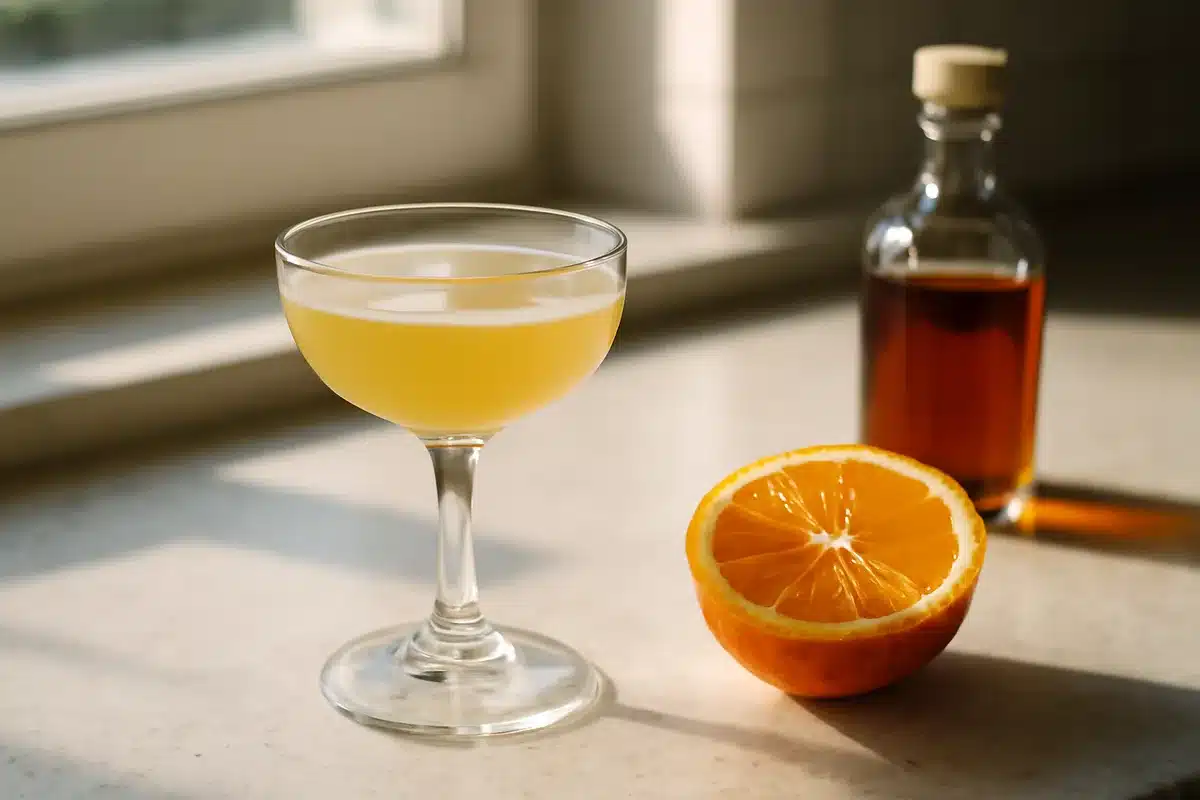
A classic coupe is ideal because its shallow bowl concentrates aroma and shows off the pale, golden colour. Chilled glassware enhances the drinking experience and keeps the balance lively rather than flat.
The garnish should stay simple so it supports the flavour rather than competing. A pineapple wedge clipped to the rim provides visual appeal and a hint of additional aroma when the drink is brought to the lips. For a modern touch, consider a small sprig of herb or a lightly toasted pineapple skewer, but keep the presentation uncluttered.
What flavour profile and strength should you expect?
Expect a medium-strength cocktail that sits between fruity and dry. The pineapple contributes a bright sweetness while the lime brings crisp acidity to keep it refreshing. Cardamom imparts a floral, slightly herbal warmth that pairs surprisingly well with white rum.
The drink reads as more sour than sweet when balanced correctly, with the rich syrup smoothing edges without overwhelming. If you prefer a drier finish, reduce the syrup by a small measure and rely on the rum and citrus to carry flavour.
Approximate alcohol content for this single serving equates to about 15.8 grams of pure alcohol based on the known ingredients. That figure gives a sense of strength but will vary with rum proof and exact measures you use.
Where does this cocktail originate?
This version is a tasteful riff on a Pineapple and Cardamom Martini created by Henry Besant and later adapted and rebalanced at The Clocktower in Rye, England. The updated proportions shift the drink toward a classic daiquiri structure to highlight rum while preserving the aromatic signature of cardamom.
Such riffs demonstrate how a few thoughtful tweaks create a distinct experience while keeping the original idea intact. Bartenders and home enthusiasts both find that small changes in muddling, straining, and glassware produce surprisingly different final results.

Andrew Cole focuses on everyday drinks, from warm comfort beverages to refreshing options. His writing emphasizes balance, clarity, and ease of preparation.