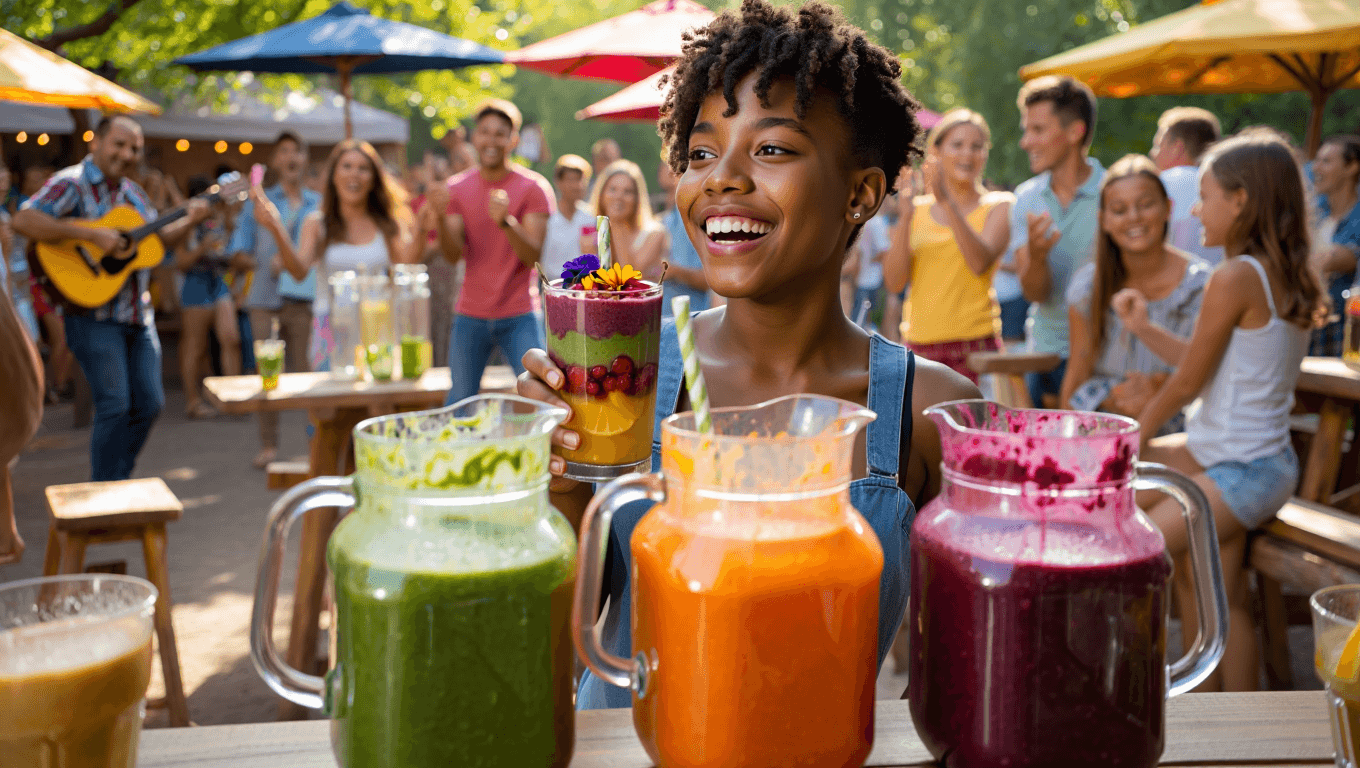
Every year on July 21 people have a simple reason to celebrate one of the most flexible and health-forward drinks around: the smoothie. This day invites home cooks, café owners and wellness enthusiasts to experiment with fruit, greens, and creamy bases while sharing easy smoothie recipes and tips for morning or daytime sipping. Smoothies work well as a quick breakfast, a post-workout boost or a refreshing nonalcoholic option at gatherings, and the variety of ingredients keeps the possibilities open. Expect inspiration, practical guidance and a few creative twists to help you shop, blend and enjoy.
What is National Smoothie Day and why celebrate it?
How to make a Lucky Lily margarita: spicy tequila and pineapple cocktail recipe
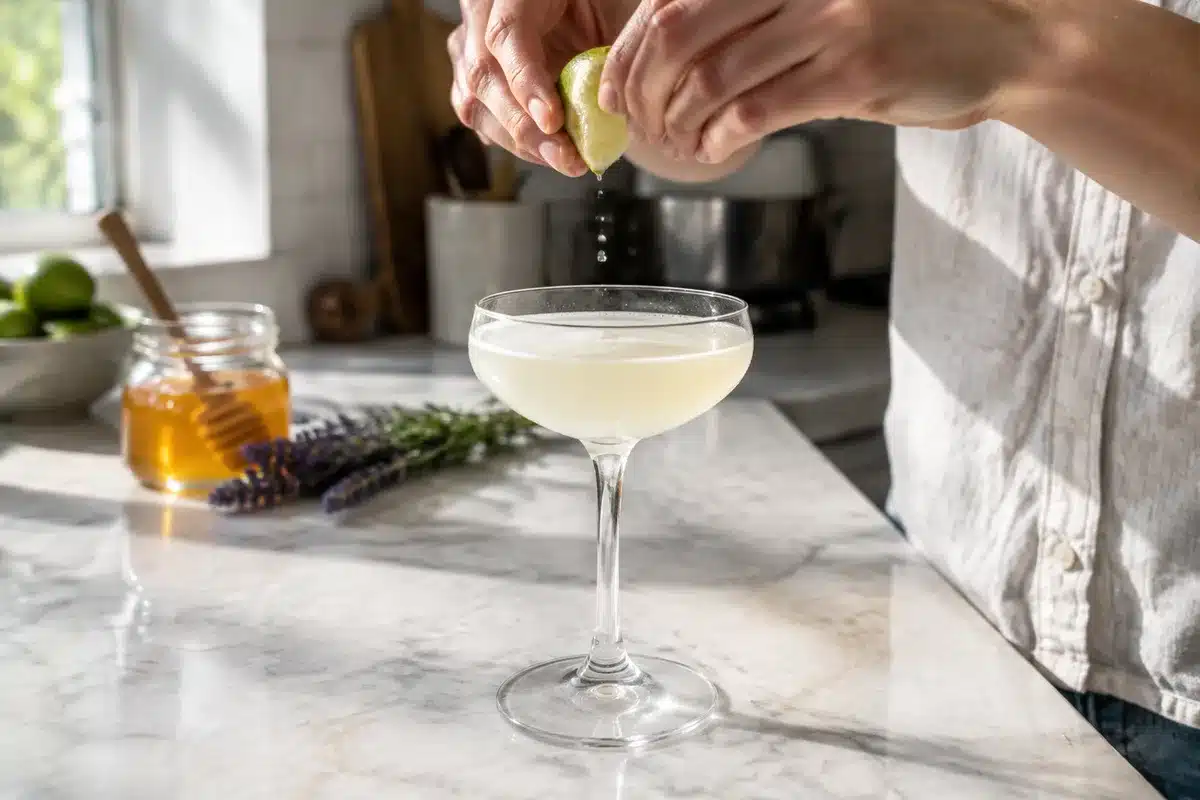
Lavender and honey daiquiri recipe: easy floral cocktail
National Smoothie Day falls on July 21 each year and highlights a drink that has moved from health-food niche to mainstream staple. The day encourages simple rituals like trying a new recipe or swapping a sugary snack for a fruit- and-veggie blend. Many cafés and brands mark the date with promotions, while home cooks use it as a reason to sharpen their blending skills and explore seasonal produce.
Celebration may focus on taste, nutrition or creativity, depending on what matters most to you. Some people use the day to demonstrate sustainable choices by using imperfect fruit or plant-based milks, while others treat it as an opportunity to craft an indulgent, protein-rich shake. The point remains the same: celebrate a versatile beverage that supports different lifestyles and moments of the day.
Recognizing this annual occasion helps shine a light on smoothie culture and innovation. It also encourages low-barrier experimentation at home, whether you have a high-powered blender or a simple countertop model. On National Smoothie Day you can discover new flavor pairings, learn about texture, and refine your approach to balance between sweetness, acidity and creaminess.
How did modern smoothies develop and what makes them different?
The modern smoothie emerged during the health food movement of the 1960s and 1970s, when electric blenders became common in households and juice bars opened in urban centers. Early versions paired fruit with yoghurt or milk, but quickly evolved as new ingredients and dietary trends arrived. Today blends range from simple fruit-and-yoghurt combos to complex green mixes with superfood add-ins.
Texture defines the difference between a smoothie and a juice in most cases. Smoothies keep the whole fruit or vegetable, preserving fibre and producing a thicker, more filling mouthfeel. That fibre also moderates blood sugar response and adds bulk, which can make a smoothie more satisfying than an extracted juice.
Beyond texture, smoothies offer flexibility in nutrition and culinary style. You can build a smoothie around protein, increase healthy fats with nut butter or avocado, or boost micronutrients with leafy greens. The result is a drink that adapts to goals like weight management, recovery after exercise, or simply a flavorful daytime treat.
Which ingredients reliably improve texture and flavour?
Certain staples turn good blends into great ones. Bananas create a creamy base and natural sweetness while berries contribute bright colour and antioxidant benefits. For tropical depth, mango or pineapple add richness and acidity that balances dairy or plant-based milks.
Leafy greens like spinach and kale bring complexity without overwhelming sweetness, and additions such as oats, seeds or nut butters add texture and staying power. Consider these practical pairings when you plan recipes:
- Creamy base: banana, avocado, yoghurt, silken tofu
- Liquid choices: milk, almond milk, coconut water, water
- Boosters: oats, chia seeds, flaxseed, nut butter, protein powder
- Flavor lifts: citrus zest, ginger, cinnamon, fresh herbs
How can you build simple recipes for daytime and celebrations?
Start with a template that suits your goal: a 2:1 ratio of solid ingredients to liquid works well for a thick, spoonable smoothie, while 1:2 creates a drinkable texture. For morning energy choose a base with complex carbs and protein, and for a light afternoon serve keep liquids lighter like coconut water or chilled green tea. If serving a group, vous can scale ingredients and prepare toppings like granola or toasted nuts on the side.
For occasions linked to local celebrations there is room to blend culture into the menu. Greenland’s national day, Ullortuneq, coincides with long summer daylight and calls for festive drinks that nod to tradition and the midnight sun. A bright, citrus-forward cocktail can gently echo that mood, while a champagne-topped creation brings a playful contrast between day and night.
Here is a compact table of ideas to try at home, from quick smoothies to festive serves:
| Occasion | Drink | Key ingredients | Tip |
|---|---|---|---|
| Morning boost | Banana Protein Smoothie | Banana, protein powder, oats, almond milk, cinnamon | Freeze banana slices for extra creaminess |
| Green daytime | Green Smoothie | Spinach, mango, coconut water, chia seeds | Blend greens first with liquid for a smoother texture |
| Festive national day | Night & Day | Champagne or sparkling wine, citrus, berry purée | Add a foamy top and a citrus twist for drama |
| Evening cocktail alternative | Greenpoint | Whiskey, vermouth, bitters, herbal garnish | Serve small and sip slowly to complement the evening |
What practical tips will help you get consistent results?
Quality of ingredients matters more than equipment in many cases, so choose ripe fruit and fresh greens. Layer ingredients in the blender, placing liquids and soft items first and frozen or fibrous elements on top for even blending. Pulse initially to break down large pieces, then increase speed until the texture you want is reached.
Minor adjustments make a big difference in repeatability. Keep a small stash of frozen fruit and pre-portioned smoothie packs in the freezer for quick assembly on busy mornings. For richer consistency reduce liquid or add a creamy element like yoghurt or nut butter, and for thinner results add more liquid in small increments until you reach the desired flow.
Experimentation leads to personal favourites, so keep a simple notebook or a notes app entry with ratios that worked well. That way you will recreate successful blends and refine them over time while staying aligned with your nutritional or flavour goals.

Andrew Cole focuses on everyday drinks, from warm comfort beverages to refreshing options. His writing emphasizes balance, clarity, and ease of preparation.