The Aurora arrives as a bright, golden alternative to the familiar spritz, offering a light vodka lift and a gentle sparkle that works beautifully as an aperitif. This elegant cocktail balances citrus, bitter-sweet accents, and effervescence for an easy-drinking experience that suits warm evenings and casual gatherings alike. Readers searching for a vodka spritz alternative or a refreshing golden cocktail will find practical tips, a clear recipe, and ideas for variations in the sections below. Expect approachable instructions and sensory cues that make the Aurora simple to master at home.
What is an Aurora cocktail?
Aurora cocktail recipe: a golden, lightly vodka-laced spritz alternative
How a dash of absinthe and crème de pêche elevates a subtle vodkatini cocktail recipe
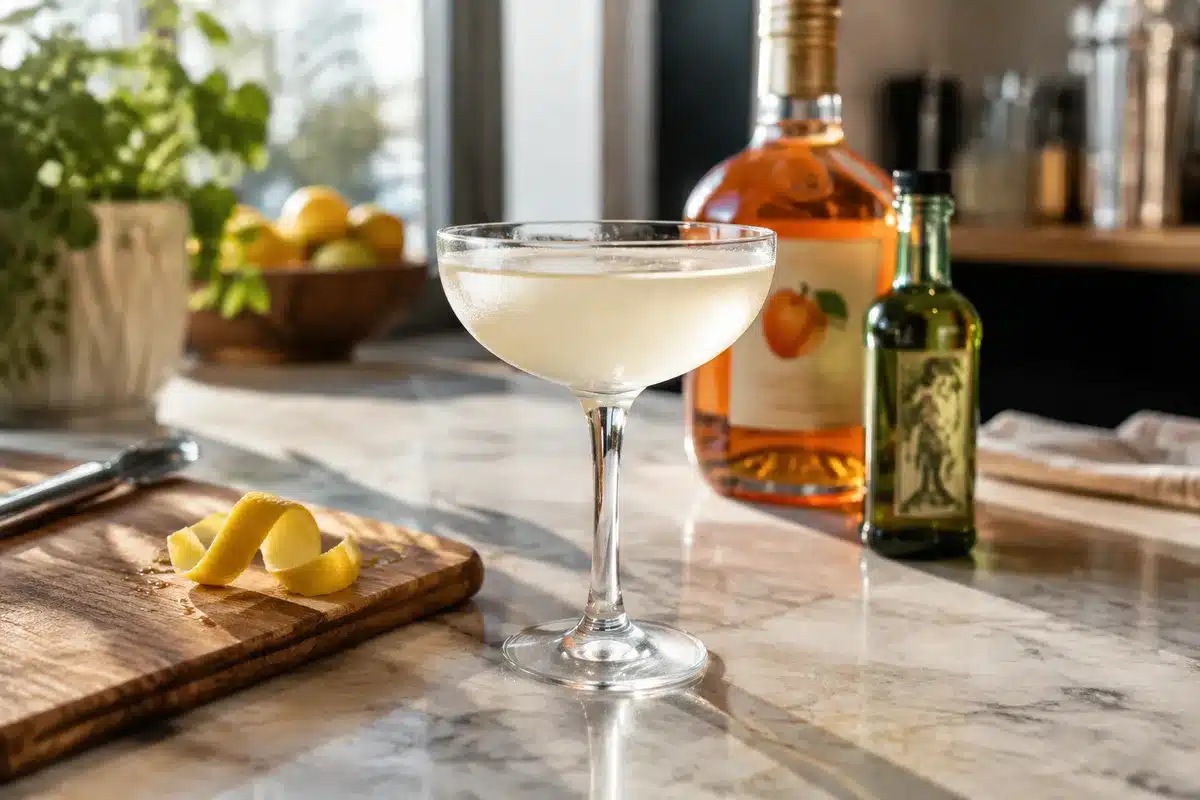
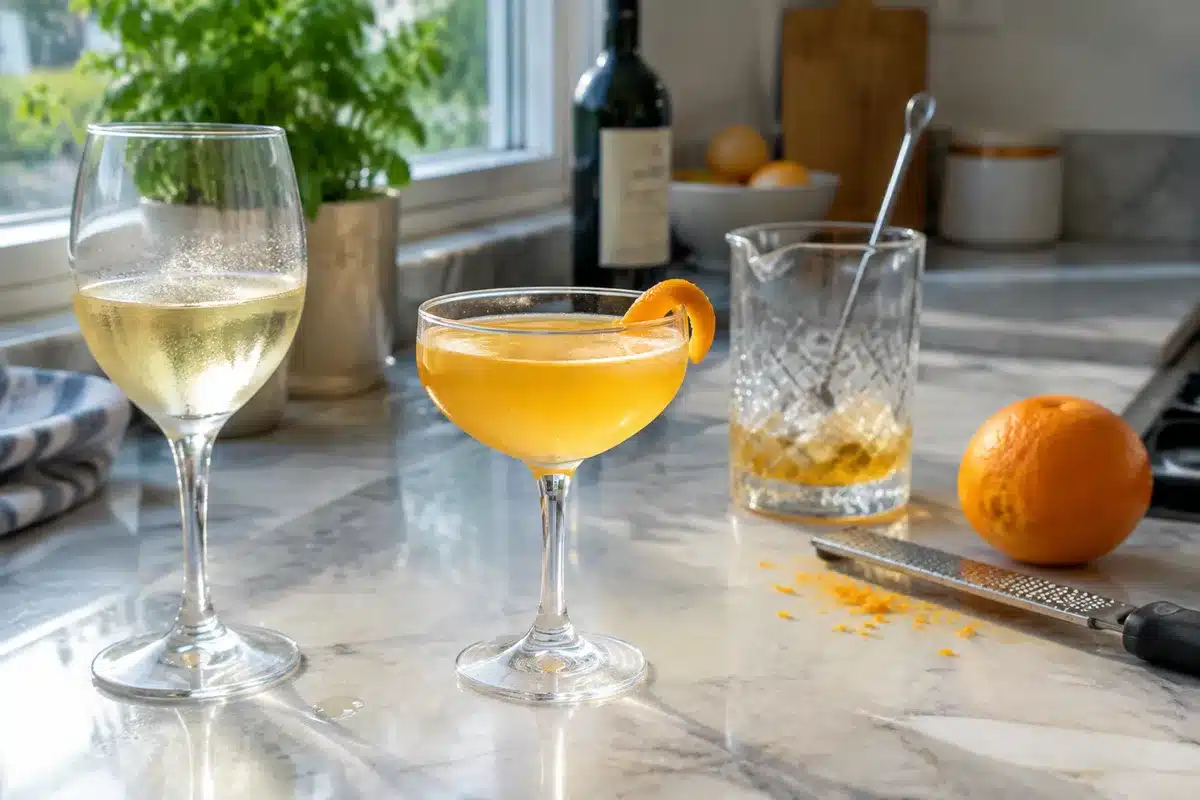
The Aurora is a contemporary aperitif-style drink built around vodka, a bright modifier, and a fizzy top. It presents a golden hue that comes from light liqueur or a small measure of aged spirits, and the finish is lightly bitter rather than cloying. This profile makes it an excellent option when you want something fresher and less heavy than a traditional spritz.
Flavor notes typically include citrus peel, subtle herbal bitterness, and a clean vodka backbone that does not overpower the other ingredients. Balance matters more than volume, and a thoughtful pour of each component keeps the drink lively. Many bartenders praise the Aurora for its drinkability and its ability to pair with a variety of small plates.
Origins of the recipe are modern and somewhat flexible, with variations appearing in cocktail bars that favor lower-alcohol apertifs. Crafting the Aurora at home allows you to control sweetness, bitterness, and effervescence. Attention to glassware and ice will amplify the visual appeal, and a simple garnish can transform the drink into a signature serve.
How do you make an Aurora at home?
Ingredients
Gather a short list of quality ingredients and aim for balance rather than complexity. Use vodka you enjoy, a bitter or amaro element in small quantity, and a sparkling wine or soda to add fizz. Fresh citrus is important for brightness, and a light sweetener can smooth the edges without masking the bitterness.
- 50 ml vodka (preferably neutral and smooth)
- 15–20 ml light amaro or bitter liqueur (adjust to taste)
- 20 ml fresh lemon or orange juice
- 10–15 ml simple syrup or honey syrup, optional
- 60–90 ml dry sparkling wine or chilled soda water
- Ice and an orange twist for garnish
Method
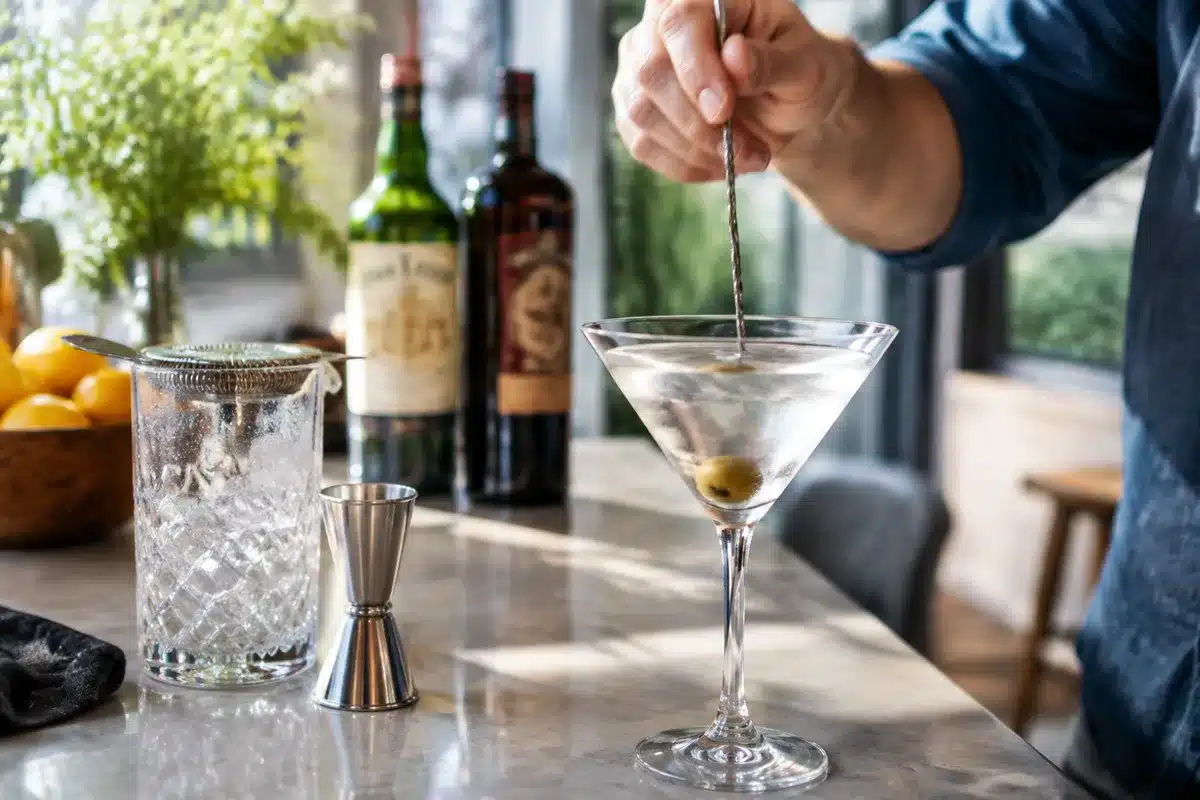
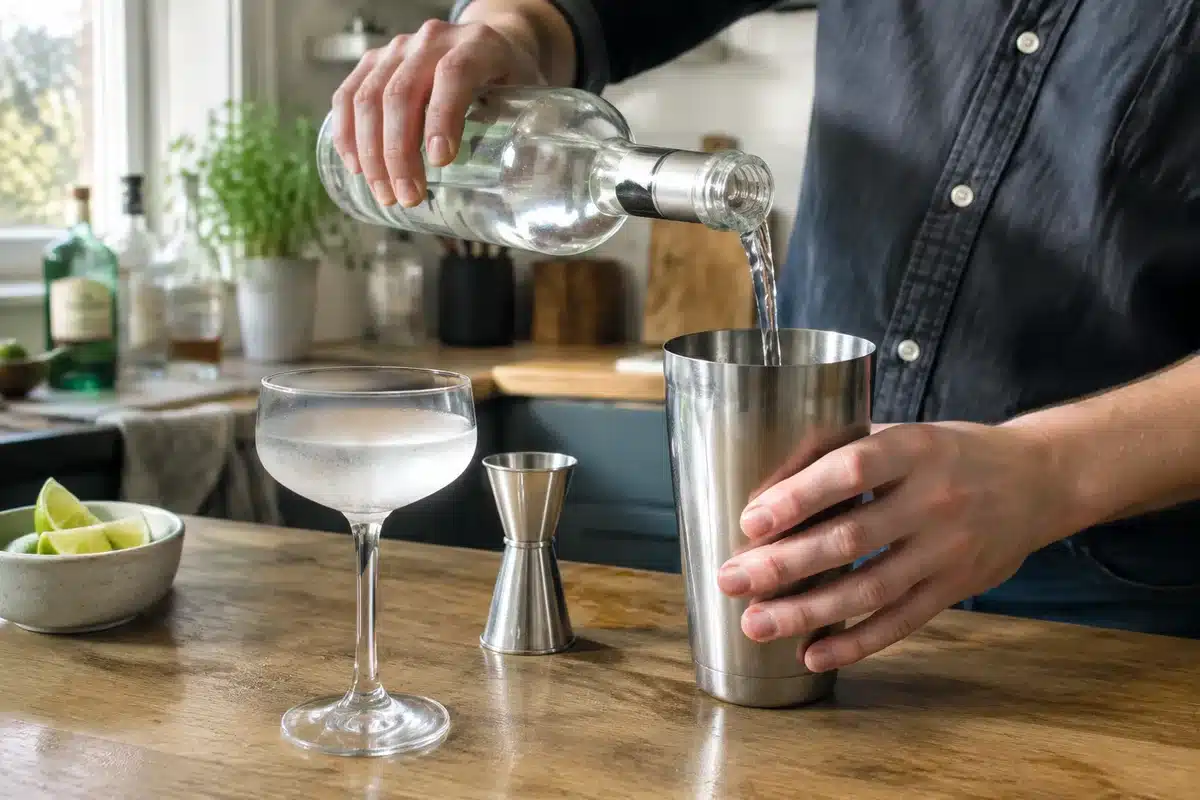
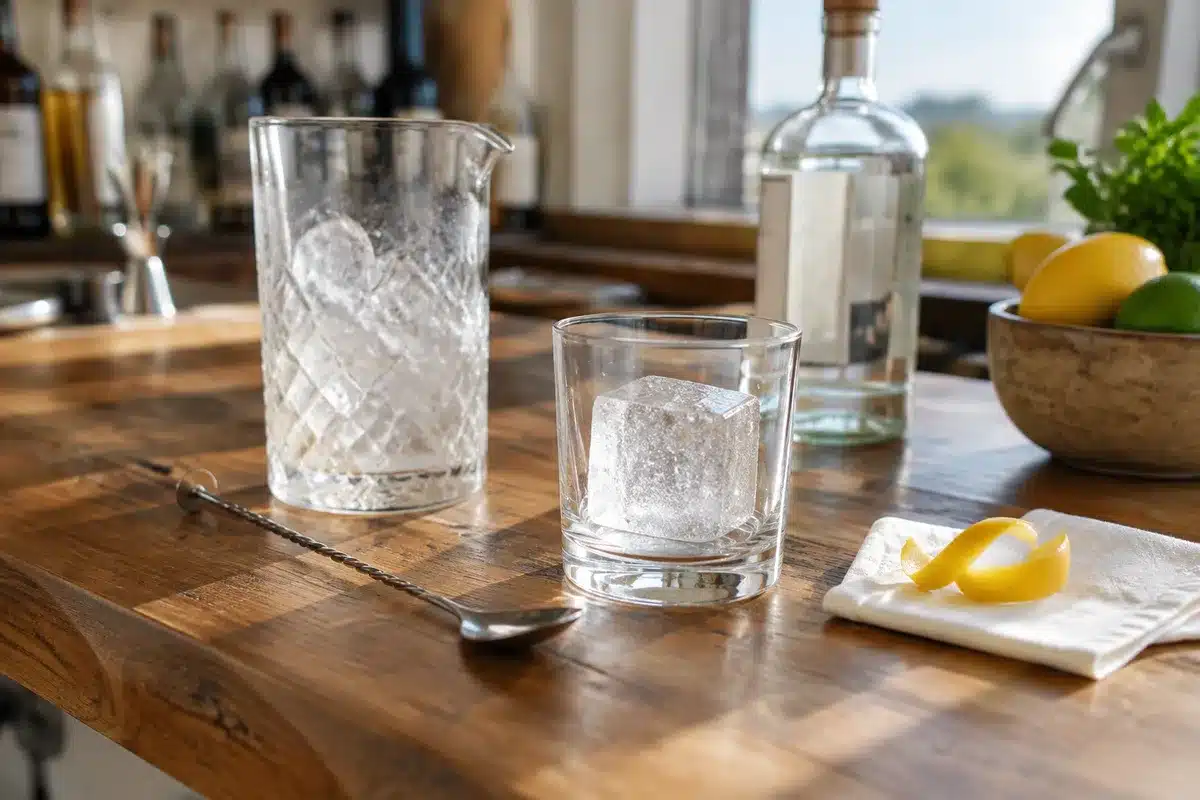
Begin by adding vodka, the bitter liqueur, citrus, and syrup into a mixing glass with ice. Stir briefly to chill and dilute, then strain into a chilled wine glass or coupe over fresh ice if preferred. Top gently with sparkling wine or soda, and finish with a bright orange twist expressed over the drink.
How does Aurora compare with a classic spritz?
At first glance the Aurora and a classic spritz share a bubbly, aperitif-friendly character, but their construction and flavor focus diverge. The spritz often relies on bitter liqueurs like Aperol or Campari paired with prosecco and soda. The Aurora swaps the bitter component and wine ratio for a vodka base that makes the drink lighter on bitters and more neutral in spirit tone.
Alcohol by volume usually differs as well, with an Aurora offering a more controlled spirit presence thanks to measured vodka and smaller bitter quantities. A spritz leans on a larger volume of wine which creates a sweeter, fuller mouthfeel. Serving temperature and dilution influence both drinks, and the Aurora tends to feel brisker and cleaner on the palate.
| Feature | Aurora | Classic Spritz |
|---|---|---|
| Main spirit | Vodka | No base spirit or light bitter liqueur with prosecco |
| Bitter component | Small measure of amaro or bitter liqueur | Aperol, Campari, or similar |
| Effervescence | Sparkling wine or soda, lighter top-up | Prosecco and soda, more wine-forward |
| Overall feel | Clean, bright, slightly bitter | Fruity, slightly sweet, bitter finish |
Choosing one over the other depends on occasion and personal taste. Select the Aurora when you prefer a cleaner, vodka-driven aperitif with a hint of bitterness. Choose the spritz when you want something fruitier and more wine-centric for sipping over a longer social gathering.
What serving tips and variations can enhance the drink?
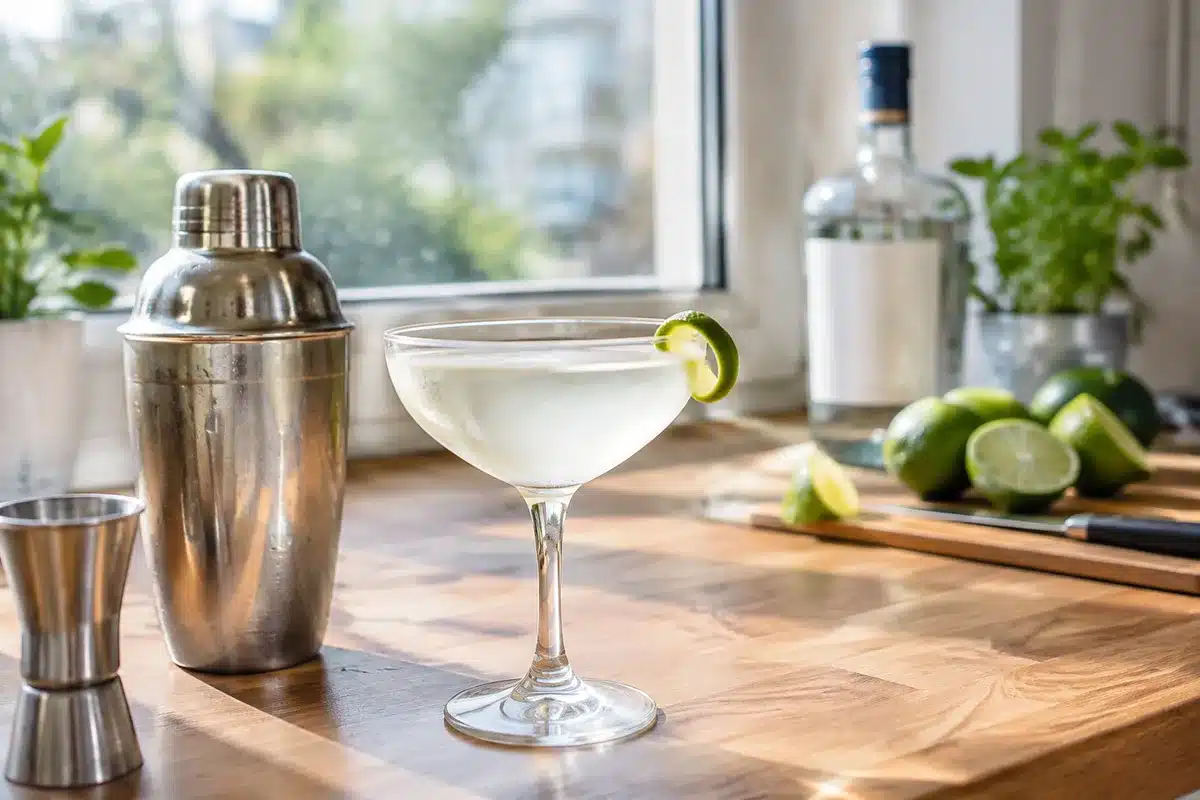
Glassware shapes perception, so favor a large white-wine glass or a coupe for an elegant presentation. Use large ice cubes if serving over ice to slow dilution and preserve aromatics. A long citrus twist expresses oils that brighten the nose and draw attention to the golden color.
Experimentation will yield delightful spins on the original recipe. Consider swapping sparkling wine for a high-quality soda water for a lower-alcohol option, or choose a barrel-aged vermouth for a warmer backbone. Small adjustments often change the character in surprising and pleasant ways.
- Citrus swap — Use grapefruit for sharper aromatics
- Herbal touch — Add a sprig of rosemary or thyme as garnish
- Low alcohol — Replace vodka with blanc vermouth and top with soda
If vous host a tasting flight, present the Aurora alongside a traditional spritz and a simple prosecco-citrus serve so guests can compare structure and balance. Such side-by-side serving helps clarify why the Aurora stands out as a lighter, vodka-laced alternative with its own place in modern aperitif culture.

Andrew Cole focuses on everyday drinks, from warm comfort beverages to refreshing options. His writing emphasizes balance, clarity, and ease of preparation.