Voyager Vodka Martini is a modern take on a classic that challenges the standard approach of adding a single vermouth. This version invites experimentation with different fortified wines and small adjustments in ratio so the spirit of vodka can truly shine while acquiring nuanced aromatics. You will find ideas here for mixing vermouths, balancing dryness and mouthfeel, and crafting a martini that feels considered rather than routine. The article uses practical tips and tasting rationale to help you refine your own signature pour.
What makes the Voyager Vodka Martini different?
Why use more than one vermouth in a vodka martini?
Sotol twist on the Naked and Famous cocktail recipe
The Voyager Vodka Martini emphasizes layering rather than masking. Mixologists often prefer one type of vermouth, but this recipe explores how blending or modifying the vermouth component changes aromatics and finish.
By adjusting the vermouth quality and quantity you can shift the drink from austere and bracing to round and herbaceous. Small changes in chilling, dilution, and glassware also play a decisive role in the final impression.
Why combine vermouths instead of using only one?
Single-vermouth martinis remain popular because they are simple and reliable. Yet combining a crisp dry vermouth with a touch of a richer aromatized wine creates complexity without overwhelming the vodka.

Blending gives you control over sweetness, botanicals, and texture. You can layer a floral white vermouth for perfume and finish with a drier option for lift, making each sip evolve.
If vous prefer a smoother finish you might increase the richer vermouth fraction for a softer palate and more rounded mouthfeel. Small proportions matter, and trial and tasting will reveal the ideal balance.
How should you balance vodka and vermouth for best results?
Begin by setting a base ratio and then make micro-adjustments until the vodka’s character and the vermouth’s aromatics complement one another. Many prefer a heavier vodka presence while allowing a hint of vermouth to frame the nose.
Consider these practical steps when dialing in the balance
- Start at a conservative ratio such as 6:1 (vodka to vermouth) and taste. Adjust incrementally.
- Chill both components thoroughly before mixing to reduce the need for excessive dilution.
- Experiment with a rinse of vermouth versus measured ounces to control intensity.
Which vermouths work best with vodka?
Not all vermouths pair equally with vodka, which is often neutral by design. Choose a vermouth that adds desired flavor notes without clashing with the vodka’s subtle profile.
Below is a quick reference comparing common vermouth styles and their usual effect on a vodka martini.
| Vermouth Style | Typical Flavor Notes | Effect in a Vodka Martini |
|---|---|---|
| Dry (French or Italian) | Citrus peel, light herb, mineral | Adds lift and clarity without sweetness |
| Bianco | Sweet floral, vanilla, subtle spice | Softens edges and introduces perfume |
| Sweet/Rosso | Carmelized fruit, bitter herbs, spice | Creates richer, dessert-like variations |
| Aromatic or vermouth blends | Bold botanicals, bitter undertones | Adds depth and complexity for sipping |
How should you build a Voyager Vodka Martini at home?
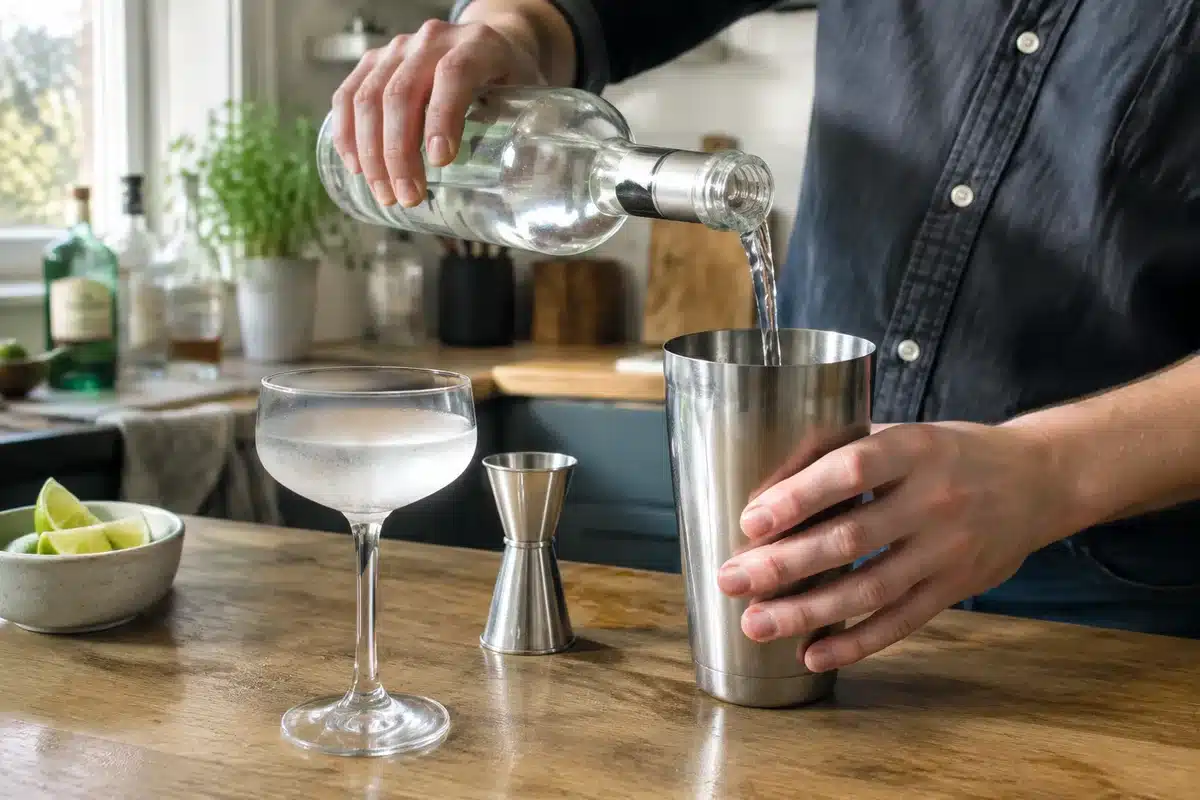
Start by choosing a clean, high-quality vodka and at least one vermouth that complements the vodka’s profile. Measure carefully and keep all ingredients cold to limit dilution and preserve aroma.
Follow this simple method and iterate based on tasting notes
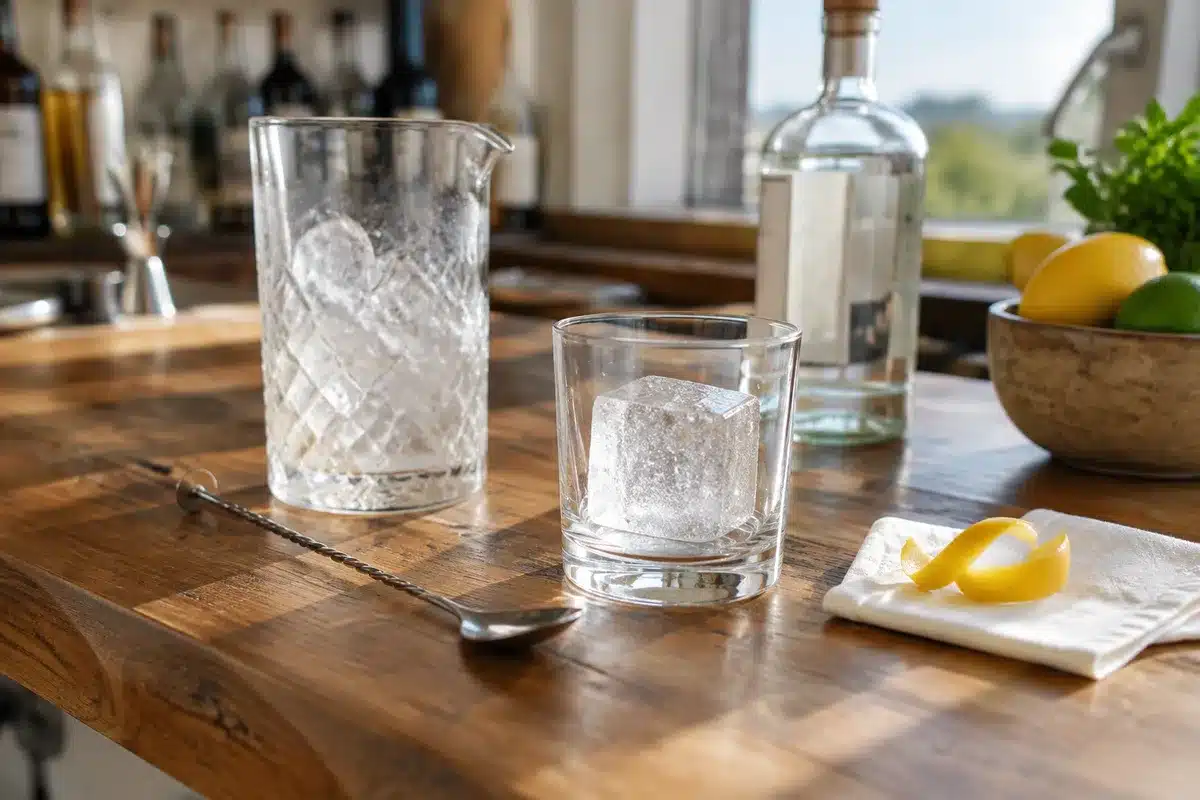
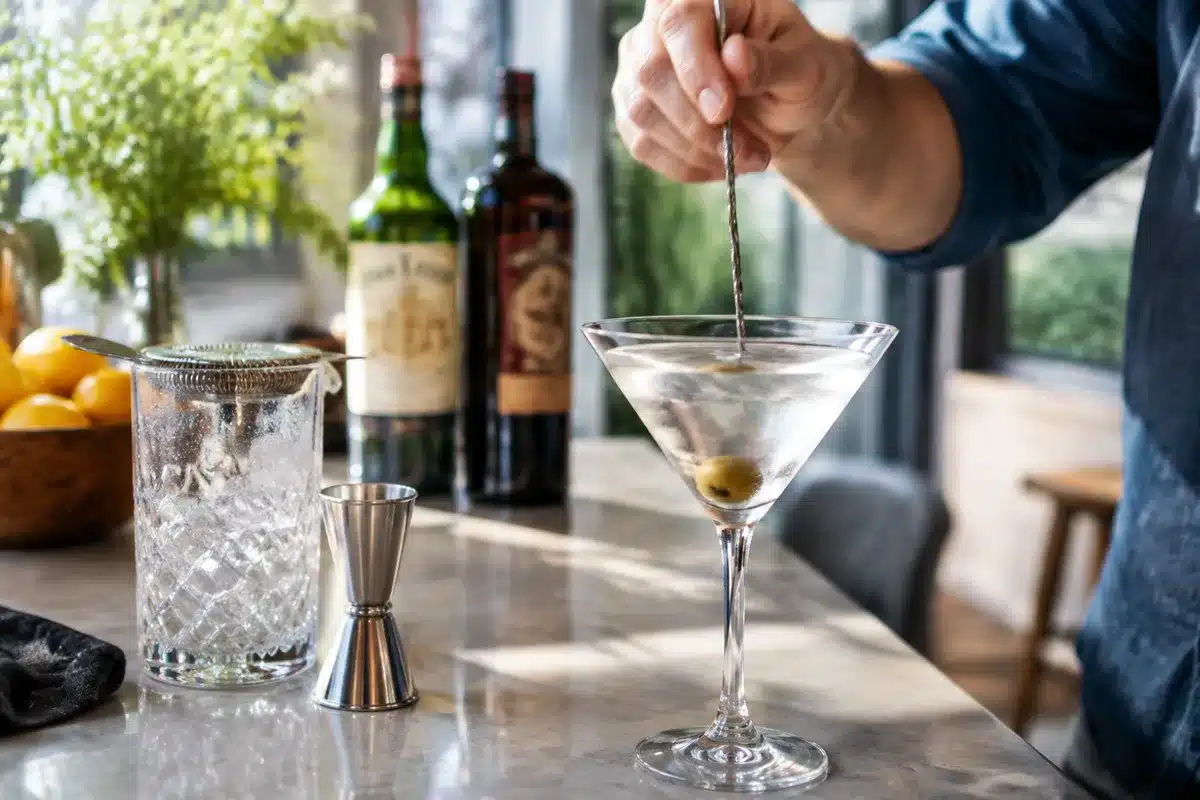
- Chill a mixing glass and your cocktail glass for a few minutes.
- Add vodka and vermouth into the mixing glass with ice and stir for about 20–30 seconds.
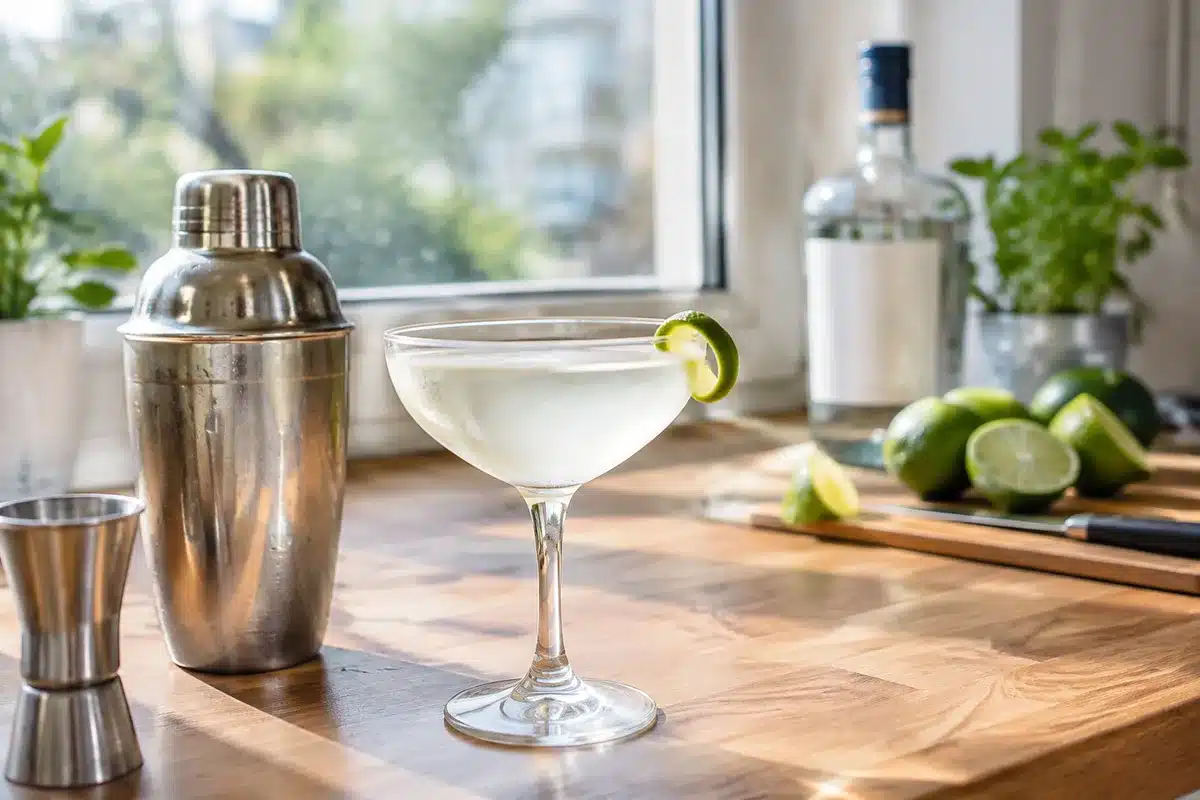
- Strain into the chilled glass and garnish with a twist or an olive depending on the flavor direction you prefer.
Adjust ratios and the choice of vermouth until the balance feels right for you. Small changes create meaningful differences, so keep tasting while you refine.

Andrew Cole focuses on everyday drinks, from warm comfort beverages to refreshing options. His writing emphasizes balance, clarity, and ease of preparation.