
The Holland House is a refined classic that hides a tropical twist behind a sleek, spirit-forward profile. This cocktail, rooted in Craddock’s recipes and built on London Dry Gin, feels dry and precise even when a pineapple garnish whispers island notes. Readers searching for a dependable Holland House recipe or curious about gin cocktails will find clear steps, tasting notes, and serving tips here. Expect practical guidance geared to home mixologists and bartenders who want a balanced, elegant drink.
What exactly is the Holland House cocktail?
Lavender and honey daiquiri recipe: easy floral cocktail
Easy Hawaiian-style BBQ short ribs recipe with grilled pineapple
The Holland House is a gin-based cocktail originally cataloged by Craddock and other early 20th century writers. It leans on London Dry Gin as its backbone and favors a drier, spirit-forward balance rather than cloying sweetness. That firmness makes it a favorite among drinkers who enjoy clarity of botanical gin flavors.
Classic recipes often combine gin with a restrained measure of sweet or dry modifiers and a touch of citrus for lift. If vous prefer cocktails that showcase the base spirit, this one rewards careful ingredients and precise technique. Bartenders appreciate the Holland House for its adaptability and its ability to pair with light hors d’oeuvres.
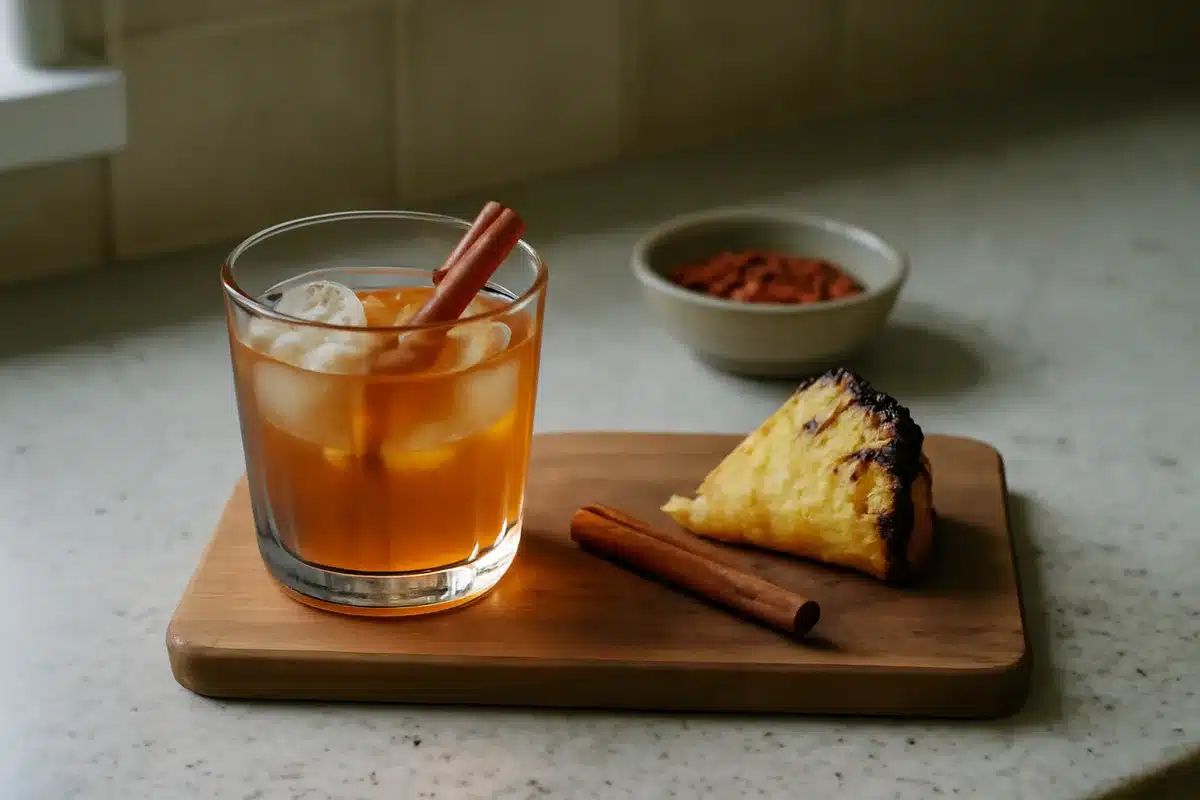
The pineapple garnish contributes aroma more than sugar, so the overall character remains dry and assertive. Expect an elegant sip where botanicals and brightness compete pleasantly on the palate.
How should you make an authentic Holland House?
Start by selecting a quality London Dry Gin with clear botanical notes. Use chilled mixing glass and fresh citrus juice whenever the recipe calls for it, and prefer small, measured pours over eyeballing.

Here is a practical recipe and toolkit to recreate the cocktail at home.
| Component | Amount | Notes |
|---|---|---|
| London Dry Gin | 60 ml (2 oz) | Choose a gin with balanced botanicals |
| Dry vermouth or light modifier | 10–15 ml (1/3–1/2 oz) | Adjust for dryness |
| Fresh lemon juice | 7–10 ml (1/4–1/3 oz) | Optional, for brightness |
| Garnish | Pineapple wedge or twist | For aroma and visual contrast |
Begin by filling a mixing glass with ice, then add the gin and the modifier. Stir for about 20–30 seconds until well-chilled, and strain into a chilled coupe or cocktail glass. Finish with the pineapple garnish to release tropical aromatics over the surface.
What tips help keep the Holland House dry and balanced?
Small adjustments will dramatically change the drink’s profile, so measure accurately. Reduce the vermouth slightly if you want a more spirit-forward result, or increase it for a softer mouthfeel.
Consider these simple rules when you experiment
- Use fresh citrus for clean acidity and avoid bottled juice.
- Chill glassware to maintain temperature without over-dilution.
- Match garnish size to the glass so aroma remains subtle.
Why is pineapple used when the cocktail stays dry?
Pineapple functions primarily as an aromatic accent rather than a sweetener. When placed on the rim or floated, the fruit releases volatile aromatic compounds that mingle with botanicals. That scent primes the palate and adds a tropical impression without increasing perceived sugar.

Mixologists use this trick often: aroma can change how a drink is perceived without altering its chemistry. If vous smell pineapple first, your brain reads the sip as brighter and more complex even when the liquid remains decidedly dry.
For a lighter aromatic touch, flame a thin pineapple peel quickly over the cocktail or use a micro-brushed wash of pineapple essence. Avoid adding fresh pineapple juice unless a sweeter variant is desired, because that will push the balance away from the original Holland House intent.
How should you serve and pair the Holland House?
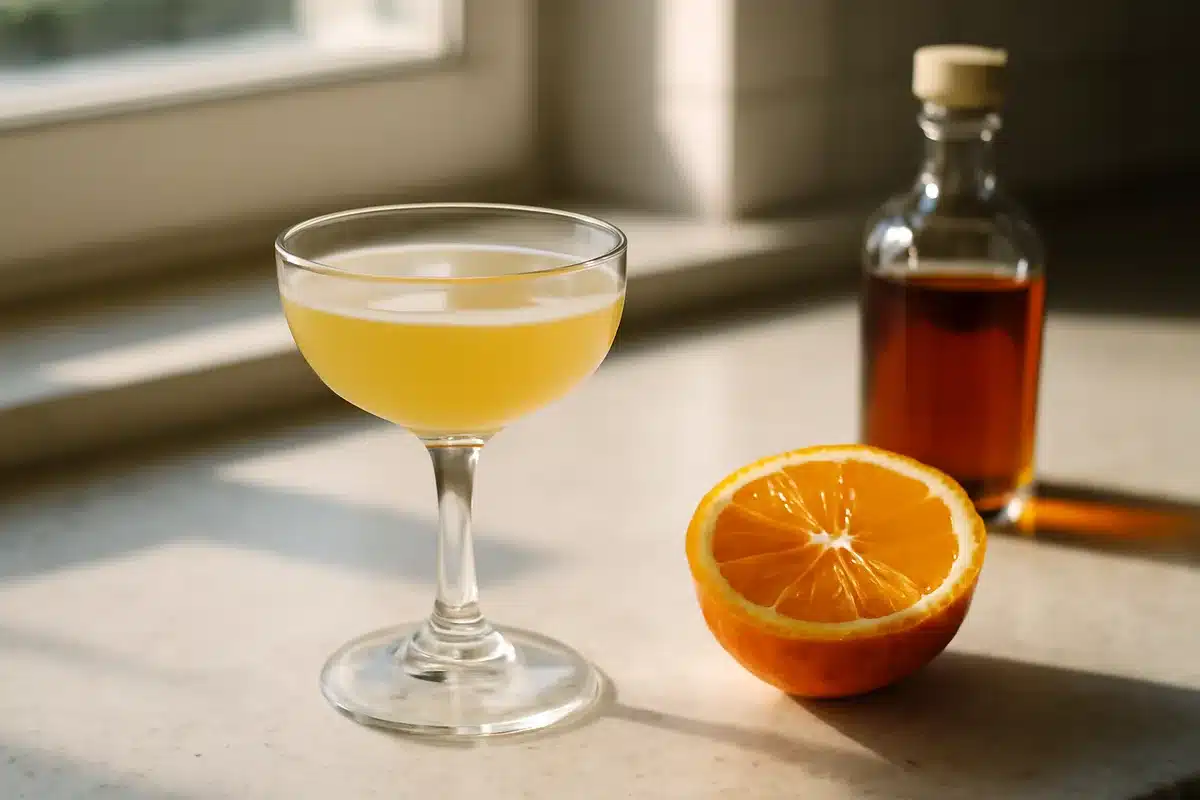
Serve this cocktail neat in a coupe, Nick and Nora, or chilled martini glass to preserve the focused profile. A small, aromatic garnish works best because the drink’s personality relies on purity and restraint.
Food pairings should echo the drink’s bright dryness. Think light seafood, ceviche, or a plate of marinated olives that complement the gin’s botanicals. If vous entertain with themed menus, the Holland House pairs well with fusion bites that carry citrus or herbal notes without heavy sauces.
When building a cocktail menu, place this glass near other spirit-forward options to help guests compare profiles and appreciate the subtlety of a dry gin classic.

Andrew Cole focuses on everyday drinks, from warm comfort beverages to refreshing options. His writing emphasizes balance, clarity, and ease of preparation.