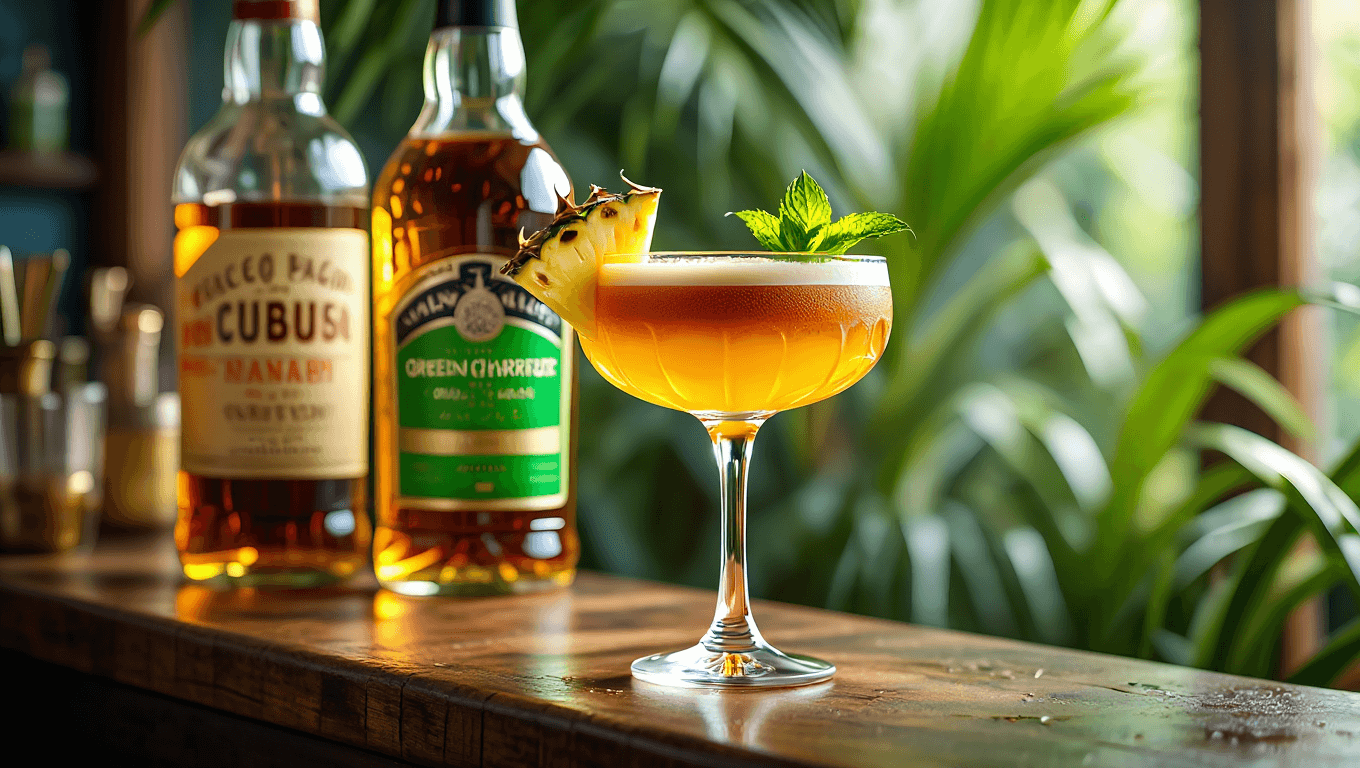
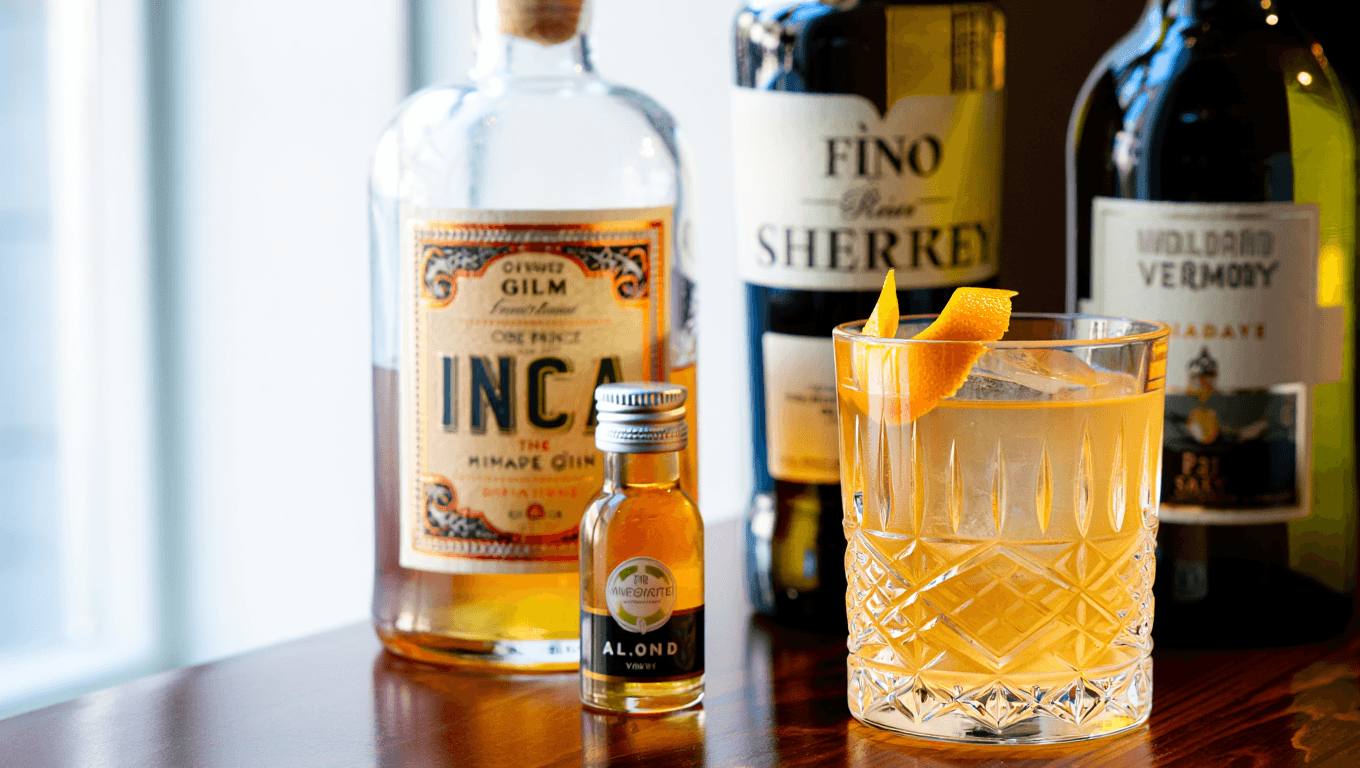
The Inca cocktail blends floral gin, dry fortified wine and a whisper of almond syrup into a refined vintage drink that works beautifully before dinner or at a quiet gathering. This classic recipe highlights gin, fino sherry and dry vermouth balanced with orgeat and a couple of dashes of orange bitters, finished with an expressive orange zest and a pineapple wedge for aroma and presentation. The result is a medium-strength, dry-sour cocktail that rewards careful chilling and a gentle shake rather than over-agitation.
What ingredients does the Inca cocktail require?
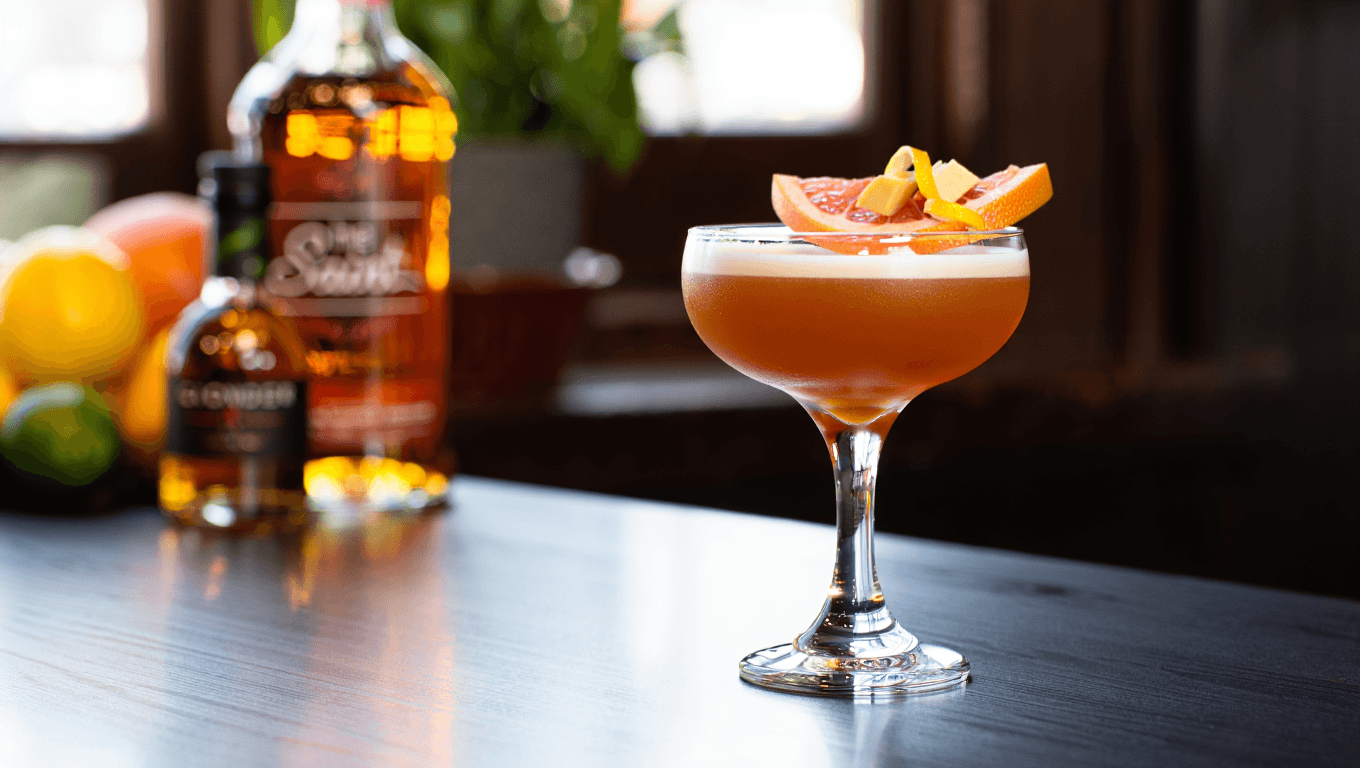
The Saint cocktail: a Brown Derby riff bourbon sour with citrus and ginger
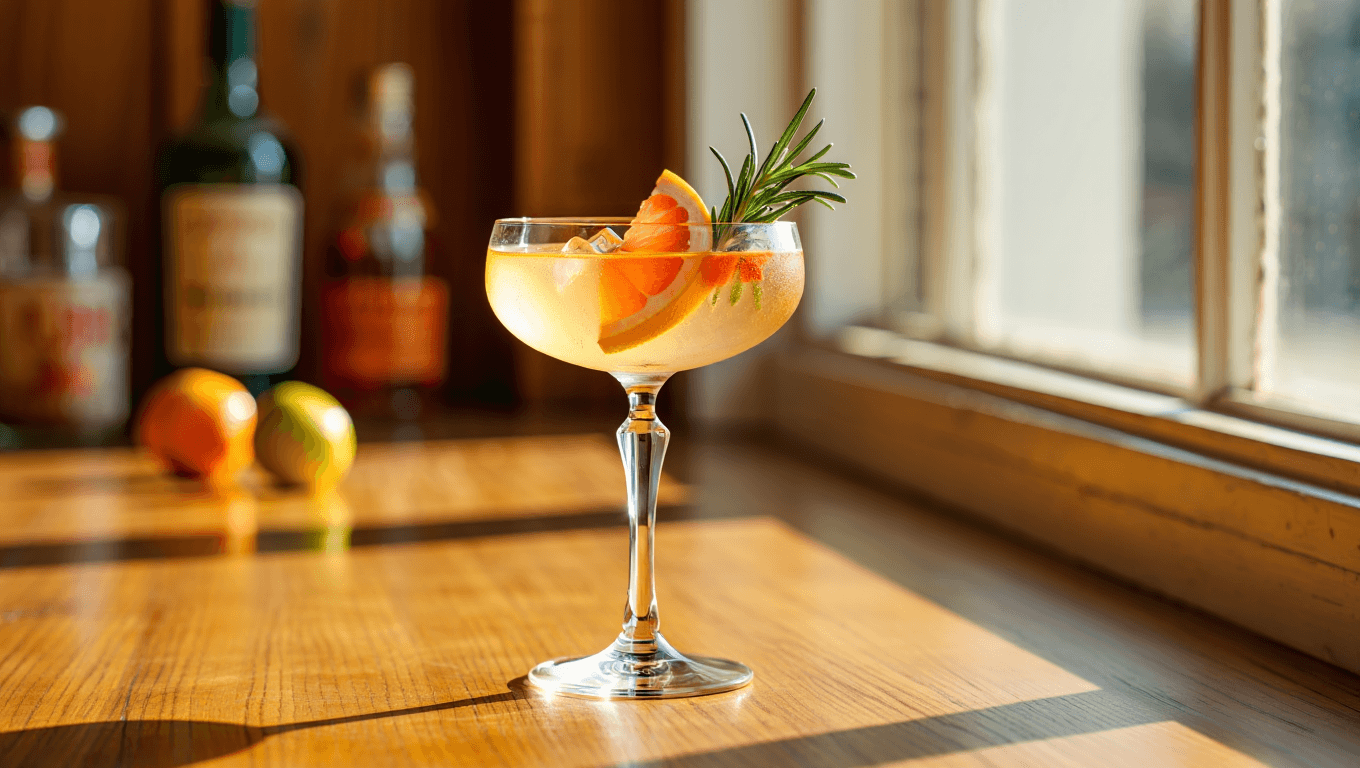
Pan Am aperitivo recipe: citrusy cocktail balanced with almond syrup
The modern proportions call for equal parts gin, fino sherry and dry vermouth, complemented by a small measure of orgeat and two dashes of orange bitters. Most recipes use 30 ml of each primary spirit and 10 ml of orgeat, which preserves the drink’s delicate balance.
Below is a clear ingredient table you can use as a quick reference when shopping or preparing at home.
| Ingredient | Measure | Notes |
|---|---|---|
| Hayman’s London Dry Gin | 30 ml | Classic London dry style works well |
| Lustau Jarana Fino Sherry | 30 ml | Keep chilled for best texture |
| Dry vermouth (eg. Strucchi) | 30 ml | Also serve well chilled |
| Orgeat (almond) syrup (2:1) | 10 ml | Gives gentle almond sweetness and body |
| Orange bitters (Angostura) | 2 dashes | Brightens the aromatics |
Be aware of allergens in the recipe. The orgeat contains tree nuts and both sherry and vermouth may contain sulphites. Mark these clearly if vous serve guests with dietary restrictions.
How should you prepare the Inca cocktail?
Begin by chilling a coupe glass thoroughly. A cold glass preserves the drink’s texture and keeps dilution controlled while you serve.
Follow these steps for consistent results:
- Fill a shaker with ice and add the gin, fino sherry, dry vermouth, orgeat and orange bitters.
- SHAKE vigorously until the shaker feels chilled to the touch.
- FINE STRAIN into the pre-chilled coupe glass.
- Express an orange zest over the surface and discard, then perch a pineapple wedge on the rim.
Which glassware and garnish suit the recipe best?
The coupe glass remains the traditional and most flattering choice for the Inca. Its shallow bowl focuses the aroma of the orange oils while the cold surface highlights the cocktail’s silky mouthfeel.
Garnish plays a vital role in the drinking experience. Expressing the orange peel releases essential oils that lift the almond and juniper notes. Place a small pineapple wedge on the rim for visual contrast and a hint of tropical scent.
Gin choice will influence the final character. A full-flavored London dry adds backbone without overpowering the sherry and vermouth. Avoid navy strength gins unless you plan to adjust the proportions, because they can dominate the delicate orgeat. If vous prefer a softer profile, a gentler gin or slightly less gin will soften the finish.
Chilling every component matters. Keep the sherry and vermouth refrigerated and use fresh ice for shaking to control dilution precisely.
Where does the Inca cocktail come from?
The Inca traces its printed origin to early 20th-century cocktail books. Robert Vermeire included it in his 1922 collection, attributing the drink to H. C. Harrison, a prominent bar supervisor at notable London hotels.
Contemporary sources from the 1920s reproduce a nearly identical formula: gin, dry sherry, dry vermouth, orgeat and orange bitters, served with a small piece of pineapple and an orange peel expressed over the glass. Bartenders over decades have preserved that basic skeleton while refining proportions and presentation.
Modern bartenders often keep the classic balance but recommend chilling and shaking rather than stirring, which gives the Inca a brighter, more aerated texture than early stirred recipes.
What are the nutrition, alcohol strength and allergens?
A single serving of the Inca contains approximately 160 calories and about 16.4% alc./vol., roughly equivalent to 1.3 standard drinks. These values will shift if you alter spirit brands or measures.
- Allergens: Orgeat contains nuts (almonds).
- Sulphites: Present in fina sherry and dry vermouth.

Andrew Cole focuses on everyday drinks, from warm comfort beverages to refreshing options. His writing emphasizes balance, clarity, and ease of preparation.