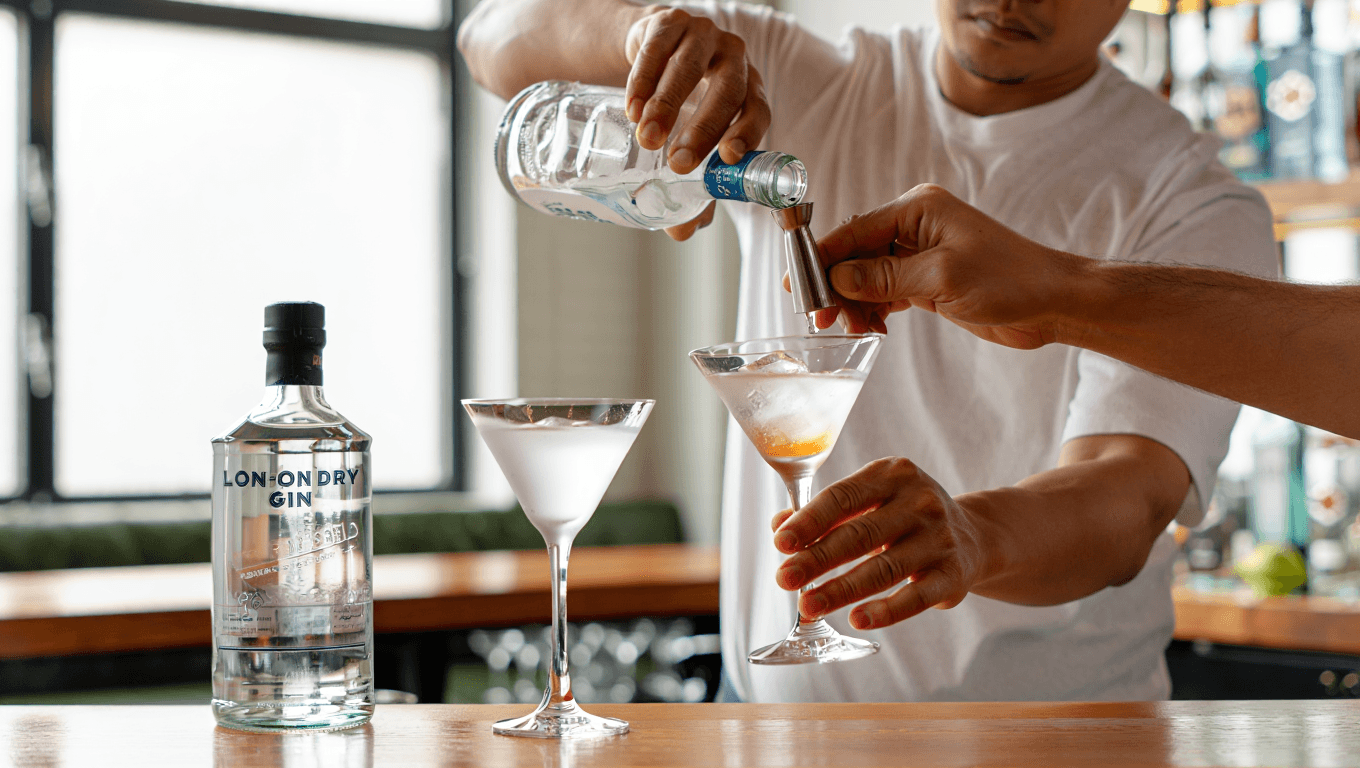

The Extra Time Martini reimagines a classic martini for match-night moments by combining vodka, gin, dry vermouth and fino sherry into a crisp, slightly savory cocktail. This martini recipe delivers a firm alcohol backbone with a dry finish and a citrus pop from an expressed lemon twist. Home bartenders will appreciate the precise measures and chilled technique that make the drink elegant and consistent. Read on for ingredients, step-by-step preparation, garnish ideas and practical notes on strength and allergens.
What exactly is the Extra Time Martini?
Extra time martini recipe: map soccer extra time to cocktail proportions
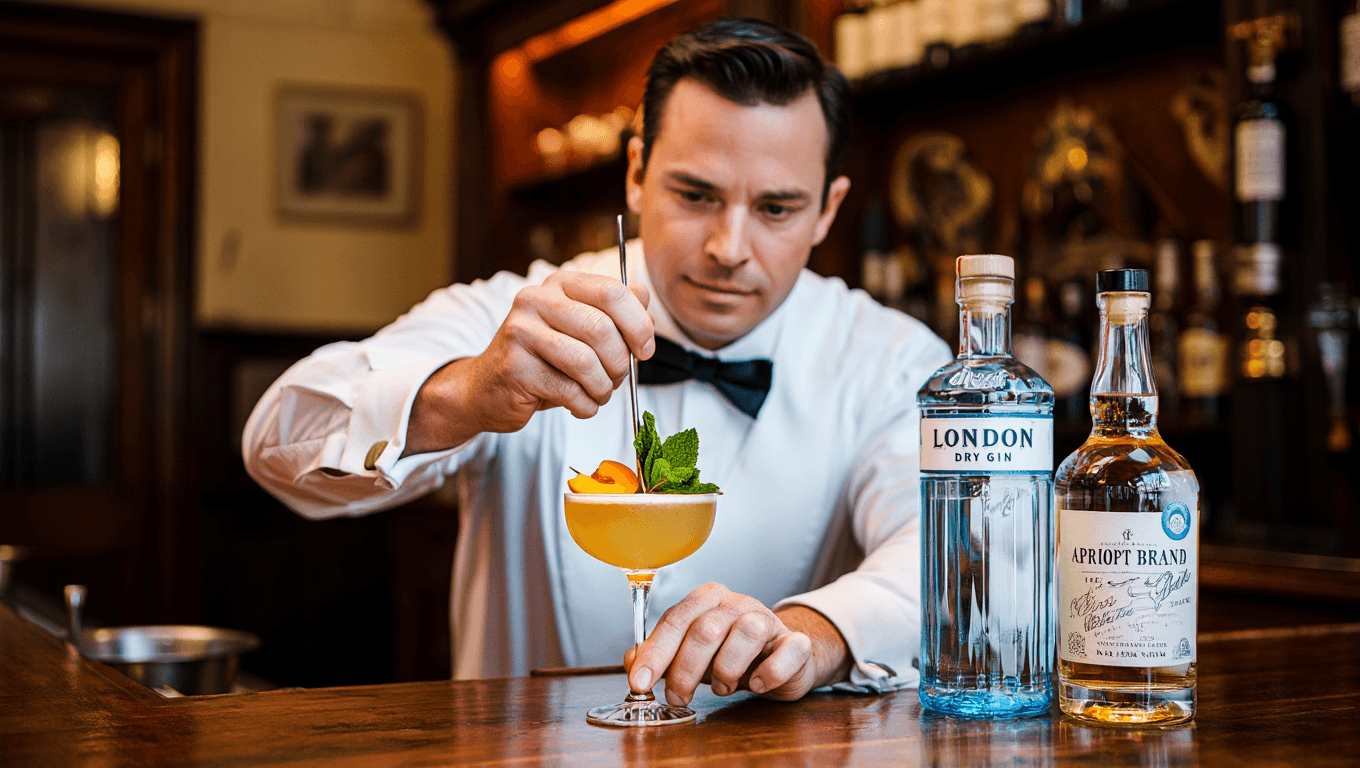
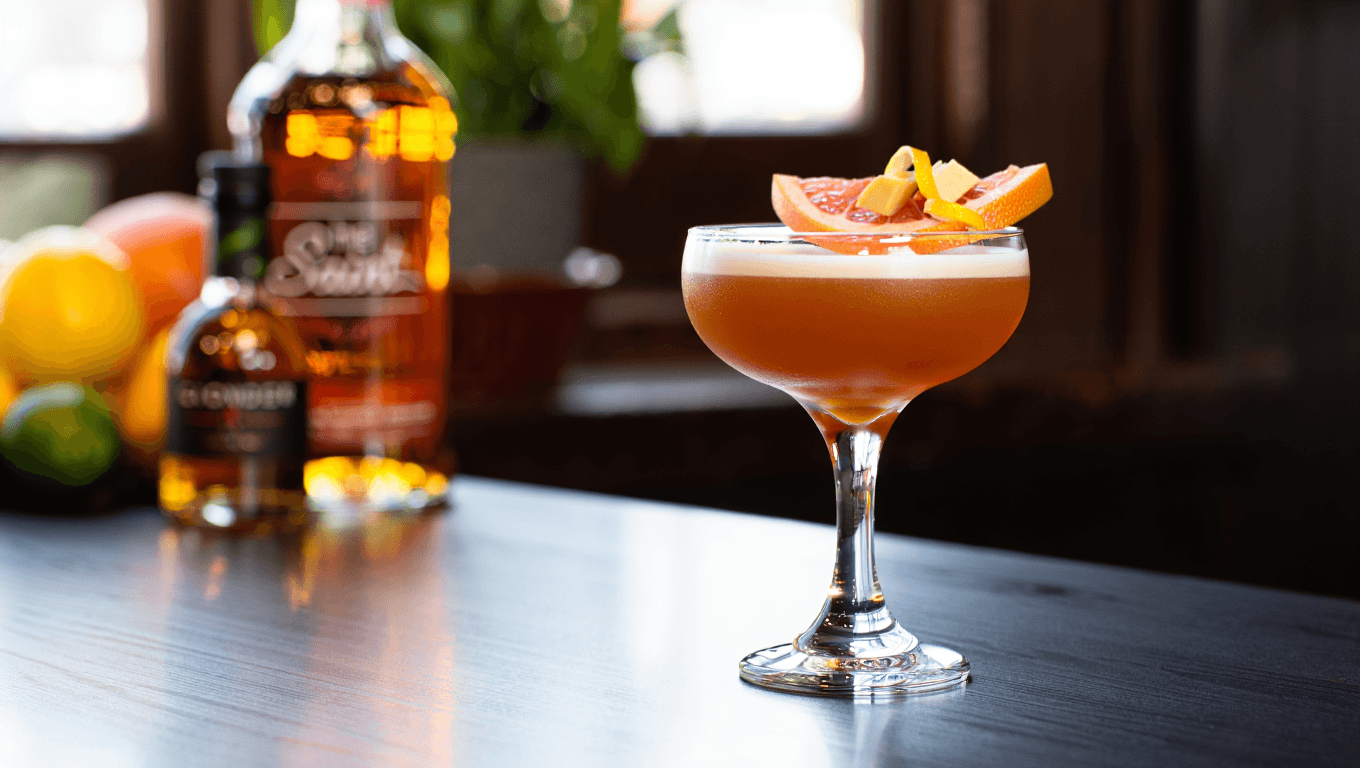
Pendennis Club special: gin-laced apricot sour recipe
This cocktail takes the familiar martini silhouette and stretches it into a four-part composition that nods to football extra time. The blend balances neutral vodka with a touch of gin, then layers dry vermouth and fino sherry for complexity. The result reads as a vodka martini with savory, nutty and saline accents rather than a purely botanical drink.
Designed for sipping rather than casual knocking back, the Extra Time Martini suits aperitif moments or a themed match-day serve. Vous may find its profile surprisingly adaptable when paired with salty snacks or light canapés.
Which ingredients do you need?
Gather high-quality spirits and chill the appropriate bottles in advance for the cleanest flavour and coldest serve. Using vodka and gin from the freezer tightens texture while chilled vermouth and sherry preserve aromatics without dulling the nose.
| Ingredient | Amount | Notes |
|---|---|---|
| Ketel One Vodka | 45 ml | From freezer |
| Strucchi Dry Vermouth | 45 ml | Chilled |
| Hayman’s London Dry Gin | 15 ml | From freezer |
| Lustau Jarana Fino Sherry | 15 ml | Chilled |
Adjust proportions only if you seek a drier or softer profile. The listed amounts create the intended balance between spirit weight and fortified nuance.
How do you prepare an Extra Time Martini?
Select a martini glass and place it in the freezer or fill with ice to chill while you work. Mise en place makes the process smooth and ensures each serve matches the last.
- Fill a mixing glass with large ice cubes until cold to the touch.
- Add vodka, vermouth, gin and fino sherry.
- Stir gently for at least 20–30 seconds to achieve dilution and silkiness.
- Double-strain into the pre-chilled martini glass and finish immediately with the garnish.
Stirring rather than shaking retains a glass-clear finish and integrates the sherry without bruising delicate aromatics. Serve promptly for the best nose and mouthfeel.
What garnish and presentation suit this martini?
An expressed lemon twist brightens the drink and cuts through the savoury edge of the sherry and vermouth. Express the oils over the surface, then discard the peel or rest it briefly on the rim for aroma.
For a playful match-day touch, knot a small edible decoration or skewer an olive alongside a miniature chocolate football as a nod to extra time. Keep garnishes simple so they complement rather than compete with the cocktail.
Are there allergens and what are the nutrition and alcohol details?
This recipe contains fortified wine and vermouth components that may include sulphites. Please note the presence of Sulphur Dioxide/Sulphites in dry vermouth and fino sherry if you or your guests have sensitivities.
A single serving of the Extra Time Martini provides approximately 198 calories. Alcohol content breaks down as roughly 1.9 standard drinks, with an ABV around 22.66% alc./vol. and about 27.2 grams of pure alcohol per serve.
- Calories: 198 per serving
- Standard drinks: 1.9
- Alcohol by volume: 22.66%
Where did the Extra Time Martini come from?
The cocktail was conceived for the 2026 World Cup and crafted to echo the structure of a match that extends into extra time. The proportions mirror the idea of two full halves plus extra minutes, giving the drink both theme and balance.
Recipe authorship dates to May 2026 and finds roots in contemporary bartending that blends classic technique with playful storytelling. Bartenders seeking a conversation piece will appreciate how the drink connects technique, flavour and event-driven creativity.

Andrew Cole focuses on everyday drinks, from warm comfort beverages to refreshing options. His writing emphasizes balance, clarity, and ease of preparation.