Bright, gently boozy and centered on pear, the Escalator is a short, sippable cocktail that balances fruity sweetness with a faint grassy edge. You will find it approachable for home bartending and flattering for dinner parties when you want something light but distinctive. This recipe highlights Poire William flavours alongside a hint of bison grass vodka and cloudy apple juice, all served in a chilled coupe for a refined finish. Natural fruit aromas and low alcohol strength make it an excellent choice when you prefer a relaxed, elegant drink.
What is the Escalator cocktail?
How to make a Lucky Lily margarita: spicy tequila and pineapple cocktail recipe
Lavender and honey daiquiri recipe: easy floral cocktail
The Escalator is a modern classic built around pear ingredients and apple juice. Mixologists created it as a short, shaken drink that showcases orchard fruits rather than heavy spirits. Its name plays on rhyming slang for stairs, linking apples and pears with a playful backstory.
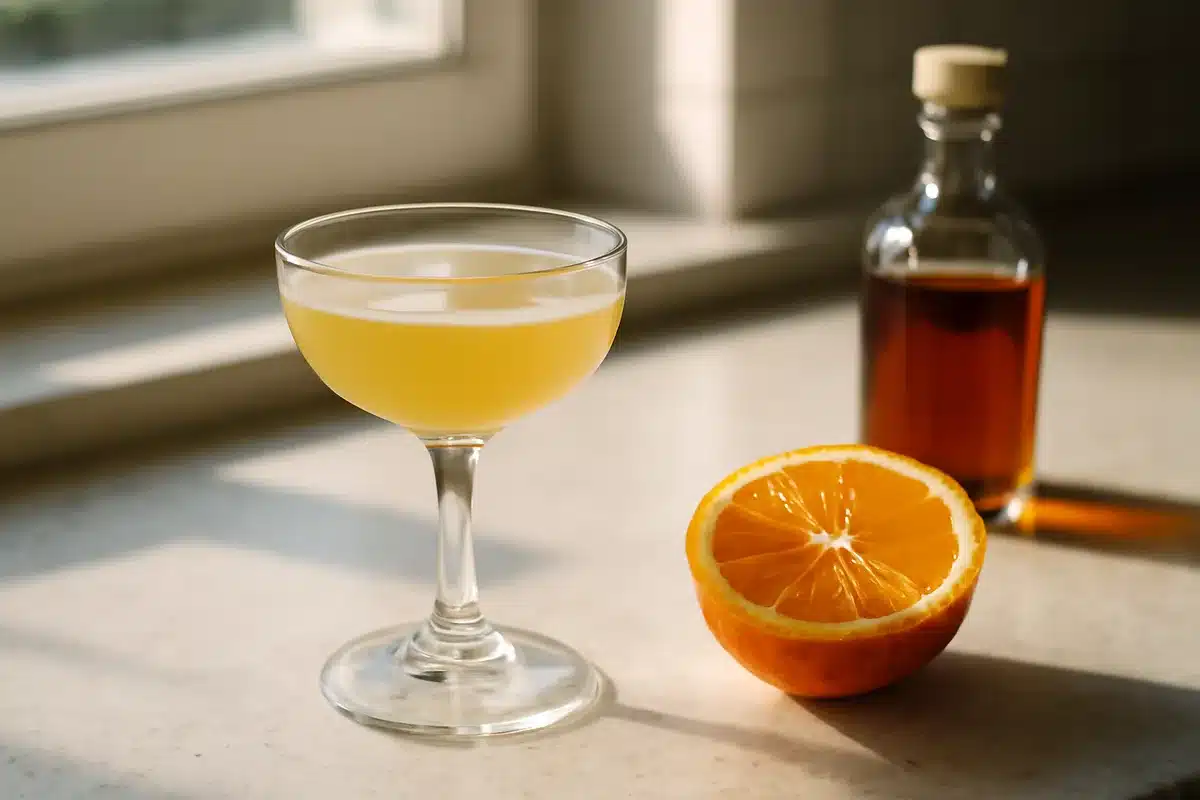
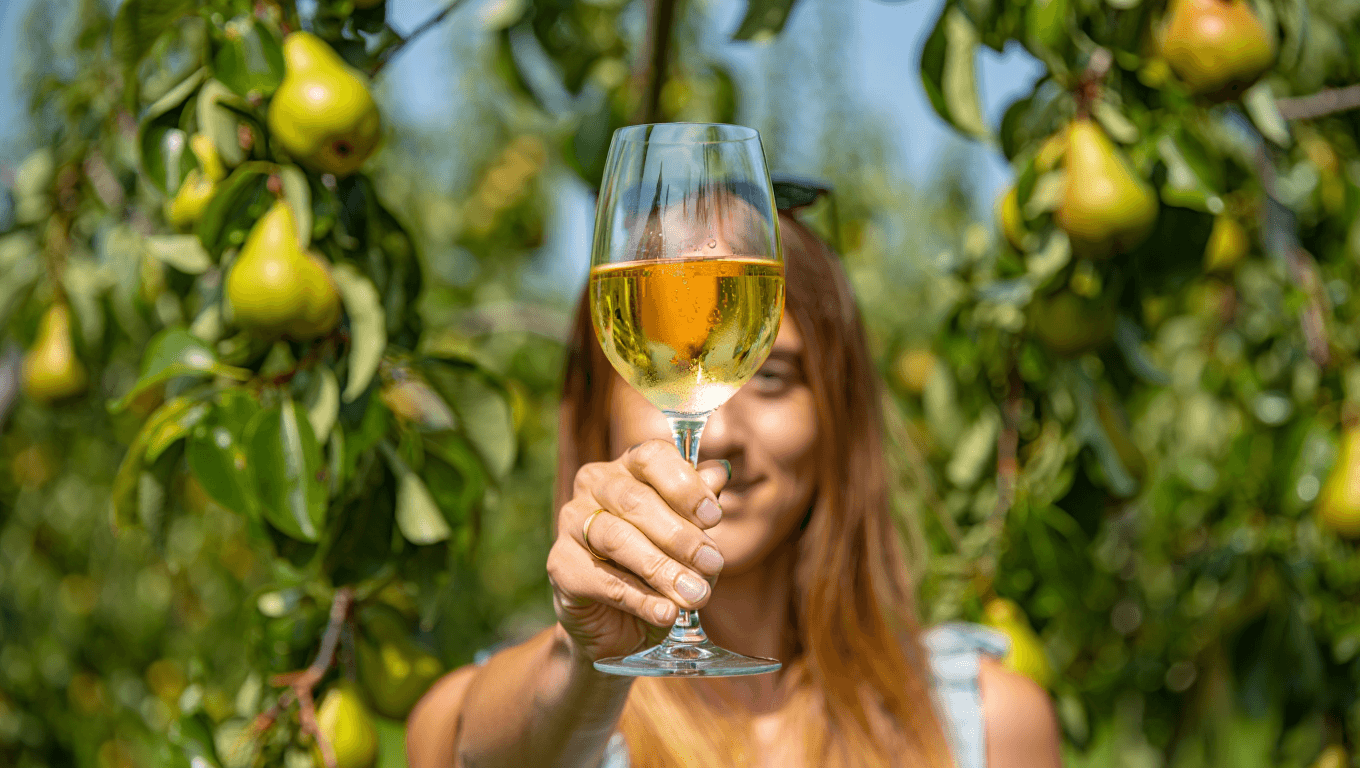
Appearance leans toward pale gold with a clean, slightly cloudy texture when made with unfiltered cider. Aroma brings forward ripe pear and subtle grassy notes from the bison grass vodka. The overall style reads as low-to-medium strength and easily drinkable.
Expect a balance between fruity sweetness and light herbaceousness without cloying sugar. The Escalator is often chosen by people who want a cocktail that complements food or works as an aperitif. Professional bars favour it for its simplicity and broad guest appeal.
Which ingredients do you need to make an Escalator?
Gather quality components for the best result, since the drink is short and the flavors are exposed. Use a sweet pear liqueur paired with a small measure of pear eau-de-vie to provide depth and authentic pear character. Choose a chilled, cloudy apple juice or unfiltered apple cider to retain texture and natural acidity.
| Amount | Ingredient | Note |
|---|---|---|
| 20 ml | Poire William liqueur | adds sweetness and pear aroma |
| 15 ml | Poire William eau-de-vie | brings authentic pear spirit note |
| 15 ml | Bison grass vodka | gives a delicate herbal edge |
| 40 ml | Cloudy apple juice or cider | chilled and unsweetened |
How should you prepare and mix an Escalator?
Start by chilling a coupe glass and preparing a small pear wedge for garnish. Fill a cocktail shaker with ice before adding the liqueur, eau-de-vie, vodka and apple juice. Cold components help retain clarity and texture in the final drink.
Close the shaker and shake vigorously until the exterior frosts. Strong shaking achieves a silky mouthfeel and brings the fruit forward. Then fine strain into the pre-chilled coupe to remove small ice shards and deliver a smooth surface.
Garnish by placing a pear wedge on the rim or floating a thin slice for a neat presentation. For a slight twist, express a light peel of lemon over the drink before serving to lift the aromatics. Remember that balance matters more than extra sweetness, so avoid adding sugar unless you prefer it noticeably sweeter.
Helpful tips for consistent results:
- Use chilled apple juice and a well-cooled glass to preserve texture.
- Fine strain to keep the drink silky and free of shards.
- Measure precisely; small differences change the balance quickly.
What does the Escalator taste like and how strong is it?
Flavours lean toward orchard fruit with a pronounced pear identity and a whisper of herb from the bison grass vodka. Sweetness sits in the medium range while acidity from the apple juice keeps the profile fresh. The result is easy to sip and not dominated by ethanol.
The cocktail has a modest alcohol level. One serving contains about 14.26% alc./vol. and roughly 145 calories per glass. That makes it a lighter option compared with spirit-forward classics while still offering a layered, adult flavour.
Where did the Escalator cocktail come from?
The drink was devised in the early 2000s and later adapted to reflect ingredient availability. Original versions used Hungarian pear brandy, but variations replaced that spirit with more widely distributed pear liqueurs and a dash of bison grass vodka. Professional bartenders adapted quantities over time to maintain balance when original components became harder to source.
Its playful name references rhyming slang connecting apples and pears with stairs, which influenced how bartenders presented the cocktail. Creators focused on preserving orchard fruit character while making the recipe practical for modern bars and home mixologists.
As a living recipe, the Escalator continues to evolve in small ways while retaining its essential pear-and-apple identity. You may encounter slight adjustments in sweetness or spirit ratio depending on the venue, but the core concept remains the same: elegant, fruity and approachable.

Andrew Cole focuses on everyday drinks, from warm comfort beverages to refreshing options. His writing emphasizes balance, clarity, and ease of preparation.