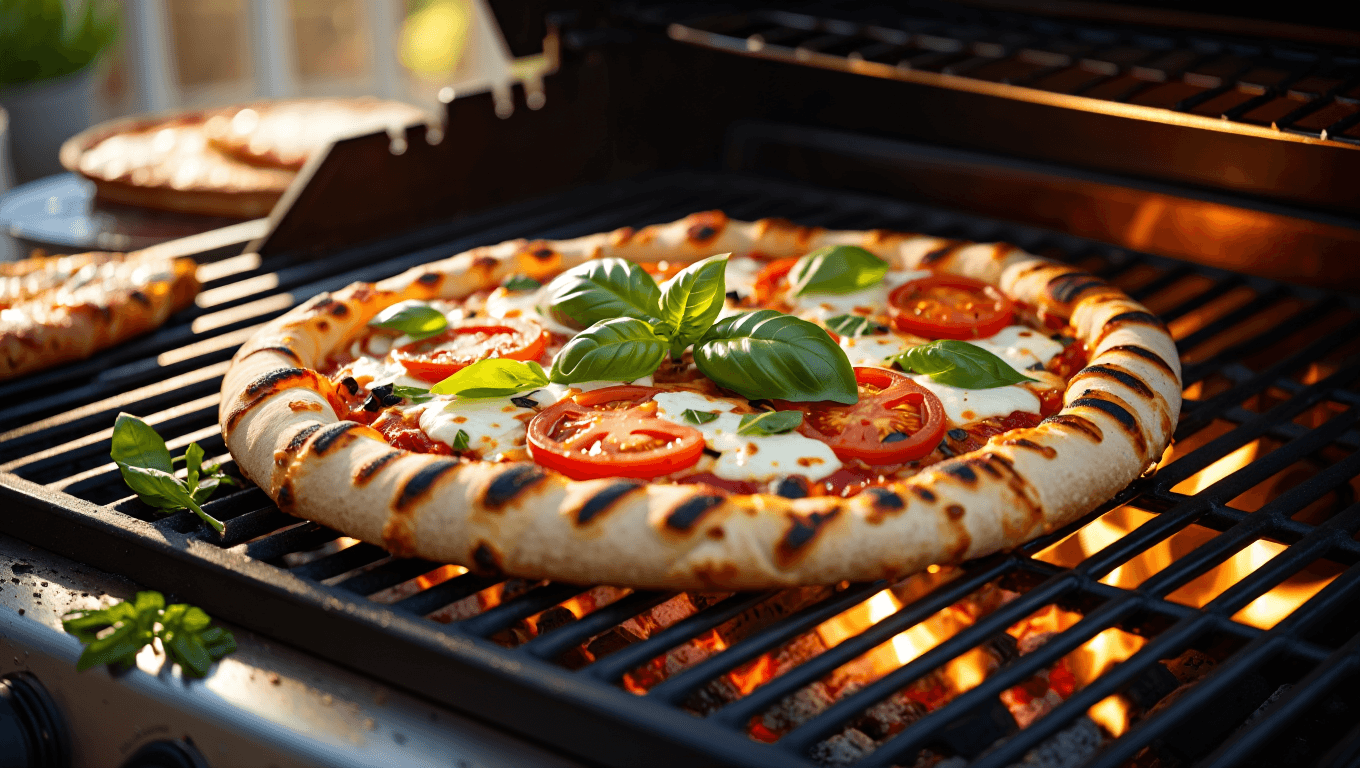
Grilling pizza transforms a simple weeknight meal into an engaging, smoky experience that rivals wood-fired pies from your favorite pizzeria. Many home cooks struggle to get a crisp, flavorful crust in a conventional oven, but a hot grill delivers quick, even heat and beautiful char marks that bring homemade pizza to the next level. This article covers practical grilled pizza tips, dough choices, topping strategies, and storage advice so you can confidently host a pizza night that impresses.
Why choose grilling over the oven
Grills produce intense direct heat that sears dough rapidly and adds a subtle smokiness most ovens cannot match. That quick sear prevents the crust from turning chewy like ordinary bread and helps toppings finish without drying out.
How to make a wet martini (2:1 gin to vermouth)?
The Saint cocktail: a Brown Derby riff bourbon sour with citrus and ginger
Another benefit lies in speed and flexibility. Individual-size pies cook in minutes, making the grill ideal for parties where each person wants a custom pizza. The method also prevents overcrowding and ensures every pie gets optimal heat.
Finally, grilling invites experimentation. Different woods, heat zones, and toppings interact in ways that reward exploration and creativity.
What pizza dough works best on the grill?
Look for dough that stretches thin without tearing and that contains enough hydration to blister rather than harden immediately. Neapolitan-style dough or any high-hydration recipe tends to perform well because it puffs and chars quickly.
Store-bought fresh dough can be an excellent shortcut if you handle it gently and roll it thin. For parties, consider portioning and freezing individual balls so you can thaw just what you need and avoid overproofed lumps on a hot day.
Pro tip: Chill dough slightly before stretching if your kitchen is warm; cold dough is easier to manage and less sticky on the grill.
Which toppings perform best on the grill?
Keep toppings light and well-prepped so heat reaches the crust and everything cooks evenly. Large, wet ingredients slow the process and increase the risk of a soggy center.
Classic combinations shine: simple tomato sauce with shredded mozzarella, prosciutto and arugula added after baking, or barbecue sauce paired with smoked chicken. Fresh herbs should be added off-heat to preserve aroma and color.
- Meats: pepperoni, grilled chicken, pancetta, or pre-cooked sausage work best
- Veggies and fruit: roasted peppers, thinly sliced onions, mushrooms, or stone fruit like peaches
- Cheeses: shredded mozzarella, fresh buffalo mozzarella, ricotta dollops, or smoked gouda
If vous plan to serve a group, offer small bowls of toppings and let guests assemble their own pies for a fun, interactive meal.
How do you cook pizza on the grill?
Start by heating the grill until the grates are very hot; this initial high temperature creates the signature char and jump-starts the crust’s rise. For gas grills, medium-high is a good baseline; for charcoal, wait until coals are glowing with a thin white ash.
Arrange your workspace so toppings, brushes, and a sturdy spatula are within arm’s reach. Speed matters during grilling, and being organized prevents rushed mistakes and burned dough.
- Roll dough very thin, no thicker than 1/4 inch, and brush one side lightly with olive oil.
- Place oiled side down on the hot grates and close the lid. Cook about 2–5 minutes until the bottom shows grill marks.
- Brush the uncooked top side with oil, flip the crust, add sauce and toppings, then close the lid again until cheese melts and the bottom crisps.
- If you notice excessive charring or uneven cooking, switch to indirect heat by disabling the burner under the pizza or moving coals to one side.
Timing varies with dough thickness and grill temperature, so check often during your first few pies and adjust heat or placement as needed.
How can you store dough and leftovers effectively?
Leftover pizzas keep well refrigerated if wrapped tightly. Store whole pies or slices in an airtight container and consume within three days for best texture and flavor.
Preparing dough in advance saves time and stabilizes results. Freeze portioned dough balls for up to one month and thaw in the fridge overnight before stretching.
| Item | Best practice | Storage time |
|---|---|---|
| Fresh dough balls | Portion, oil lightly, freeze on tray then bag | Up to 1 month |
| Baked pizza | Cool, wrap tightly, refrigerate | 3 days |
| Toppings prep | Store in labeled containers for easy assembly | 3–5 days |
Can you use foil or a grill mat for grilled pizza?
Cooking directly on the grates yields the best char and texture, but foil or a dedicated grill mat offers a forgiving alternative for beginners. Lightly oil the surface to prevent sticking and avoid trapping too much moisture.
Use foil when toppings are particularly wet or when you want to avoid direct flame contact. Remember that mats and foil reduce some of the smoky flavor and distinct grill marks but can make the process less stressful for first-timers.

Jonathan Pierce specializes in approachable main dishes for everyday family meals. His writing emphasizes clarity, structure, and reliable recipes that are easy to recreate at home.