
Fast, flavorful, and pantry-friendly, these Thai peanut noodles deliver the kind of comforting Asian-inspired meal that disappears from the table in minutes. The secret is a silky peanut sauce made from simple staples like peanut butter, soy sauce, honey and broth, finished with fresh lime, ginger and garlic for brightness. This recipe works as a quick weeknight dinner or as an easy option when you want to impress guests without fuss. You’ll need about 20 minutes and minimal prep to make a dish that tastes like takeout but cooks at home.
What ingredients make the peanut sauce so good?
How to make a Lucky Lily margarita: spicy tequila and pineapple cocktail recipe
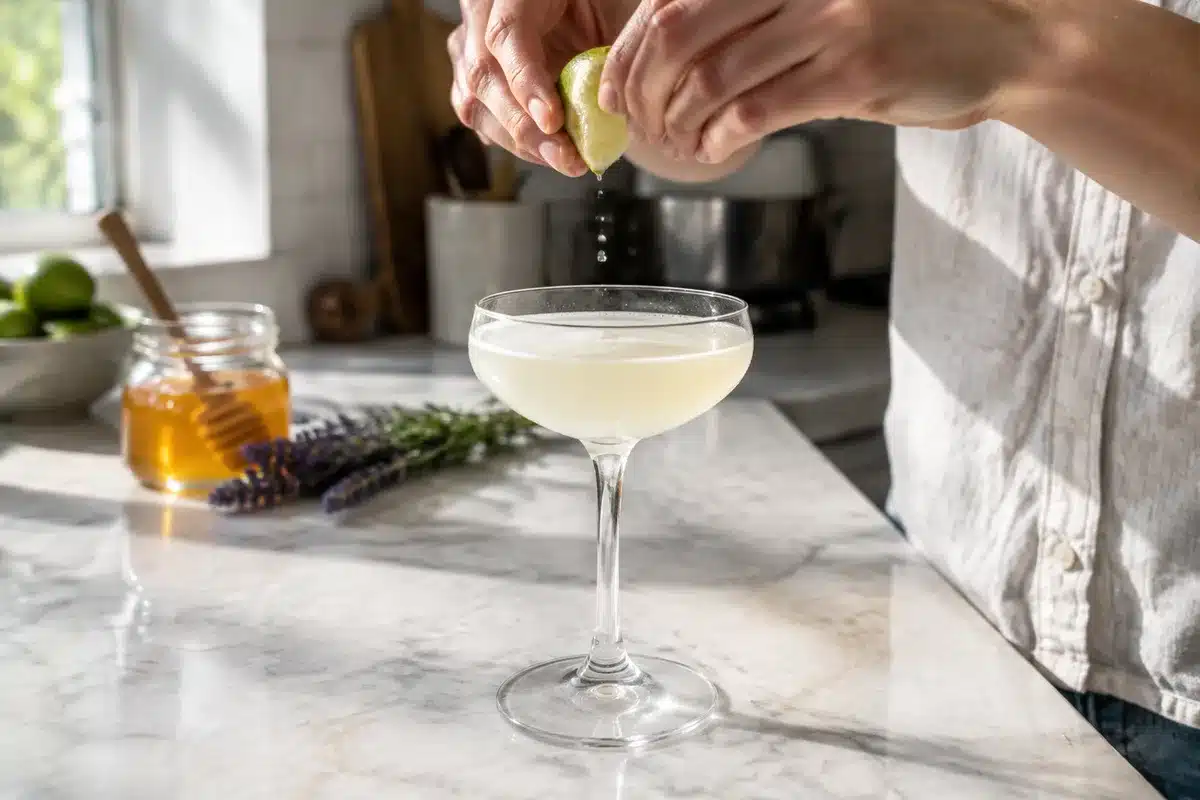
Lavender and honey daiquiri recipe: easy floral cocktail
The base of a deeply flavorful sauce starts with creamy peanut butter and salty soy sauce. Add a little chicken or vegetable broth to achieve a pourable consistency and a touch of honey to balance the savory notes.
Fresh aromatics lift the whole dish, so include minced garlic and grated ginger while preparing the sauce. A modest amount of Sriracha or chili crisp oil brings optional heat and complexity for those who like spice.
Finish the sauce with lime juice for acidity and chopped peanuts for texture when serving, and you’ll have a balanced, addictive coating for any noodle you choose.
How do you cook the noodles and assemble the dish?
Bring a large pot of salted water to a rolling boil and cook your chosen noodles according to package directions. While the pasta cooks, finely mince garlic and ginger, slice green onions, chop cilantro and quarter the limes so everything is ready at plating time.
In a small saucepan over medium-low heat, gently combine broth, peanut butter, soy sauce, honey and Sriracha, whisking until smooth. If preferred, briefly sauté the garlic and ginger in a tablespoon of oil first for a sweeter, toasted flavor before adding the liquids.
Drain the noodles and immediately toss them with the warm peanut sauce so the pasta absorbs the flavor. Serve in bowls topped with green onions, cilantro, chopped peanuts and a generous squeeze of lime, and offer extra Sriracha or chili crisp at the table.
Which noodles and add-ons work best?
Linguine is a great everyday stand-in because its shape holds sauce, but Asian-style noodles like udon, rice noodles or even ramen are excellent choices. For a gluten-free version, use rice noodles or gluten-free linguine and check your soy sauce is labeled gluten-free.
Protein and vegetables make the dish heartier and more balanced. Grilled shrimp, thinly sliced chicken or steak fit well, and quick veg options include snow peas, shredded cabbage or carrots tossed in at the end.
- Noodle options: linguine, udon, rice noodles, ramen
- Vegetable ideas: shredded carrots, bean sprouts, bell pepper, frozen stir-fry mix
- Protein suggestions: shrimp, grilled chicken, steak, tofu
How should you store and reheat leftovers?
Store leftovers in an airtight container and keep them refrigerated for up to three to four days for best texture and taste. The sauce will naturally thicken as it cools and the noodles will soak up liquid over time.
When reheating, loosen the mixture with a splash of warm broth or hot water and heat gently on the stove or in the microwave. If you need to refresh the flavors, add another squeeze of lime and a few chopped herbs before serving so the dish feels bright again.
Can this be prepared ahead or frozen?
Yes, the components lend themselves to make-ahead planning. You can prepare the sauce up to three days in advance and refrigerate it in a sealed jar, then simply warm it and toss with freshly cooked noodles on the day you serve.
For freezing, portion the sauce into ice cube trays or small containers so you can thaw just what you need. Readers report that frozen sauce thaws and reheats well, while cooked noodles tend to change texture if frozen then thawed.
If vous plan to assemble everything ahead for a gathering, keep noodles and sauce separate until serving and reserve crunchy toppings like peanuts and herbs to add last minute.
How can this recipe be adapted for allergies and dietary preferences?
Simple swaps let you tailor the recipe to many diets without losing flavor. Swap peanut butter for tahini or sunflower seed butter if a nut-free option is required, and choose gluten-free noodles and tamari in place of regular soy sauce.
Below is a practical substitution table to help you adapt the recipe quickly and confidently.
| Ingredient to Replace | Recommended Substitute | Notes |
|---|---|---|
| Peanut butter | Tahini or sunflower seed butter | Tahini yields a more sesame flavor; reduce broth slightly when using tahini |
| Soy sauce | Tamari or coconut aminos | Tamari is gluten-free if labeled so; coconut aminos is lower in sodium |
| Linguine | Rice noodles or gluten-free pasta | Rice noodles work best for a lighter texture |
| Honey | Maple syrup or agave | Adjust sweetness to taste |

Jonathan Pierce specializes in approachable main dishes for everyday family meals. His writing emphasizes clarity, structure, and reliable recipes that are easy to recreate at home.