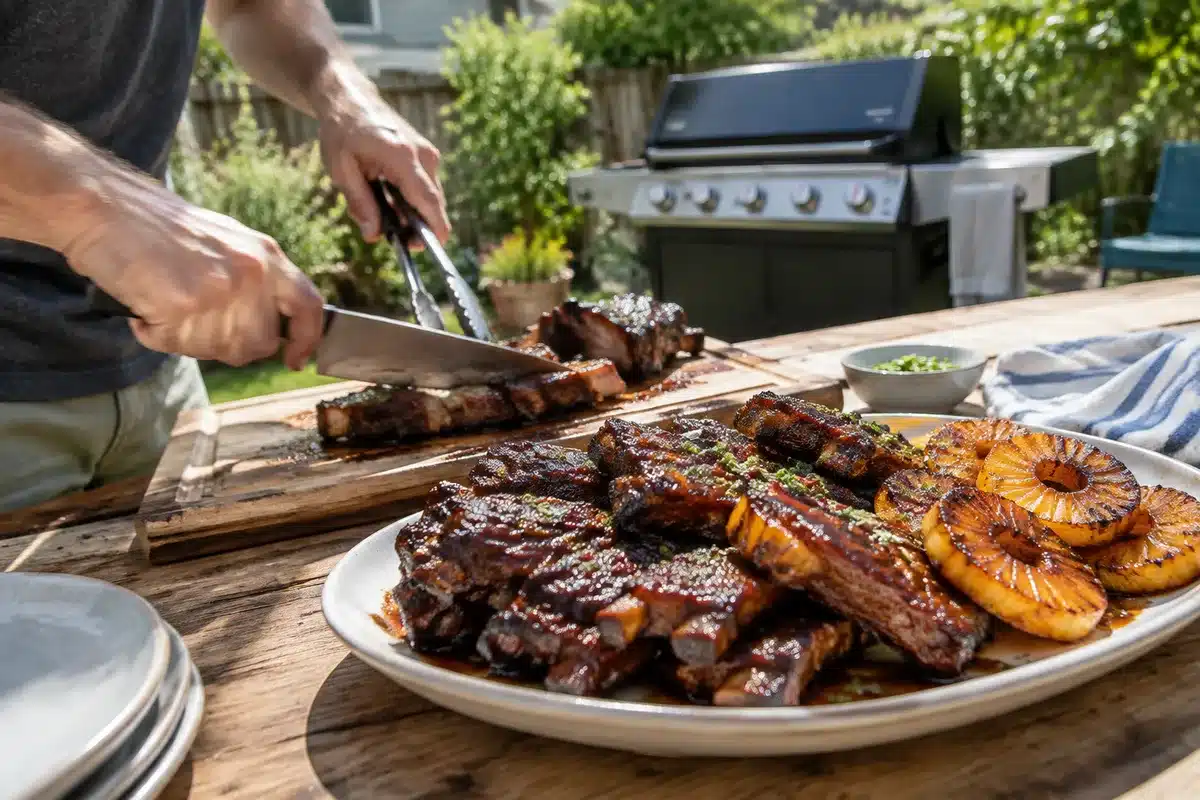

Smoking a ham until it becomes tender enough to pull apart by hand changes everything you thought you knew about holiday ham. Smoked pulled ham delivers a glossy, spiced glaze, deep smoke flavor, and a texture that shreds like pulled pork, perfect for sandwiches, family dinners, or a centerpiece for a special occasion. This guide covers which ham cut to buy, how long smoking and roasting take, oven alternatives, and simple finishing steps so you can recreate a memorable smoked ham at home.
Which ham cut gives the best pulled ham?
How to make a Lucky Lily margarita: spicy tequila and pineapple cocktail recipe
Lavender and honey daiquiri recipe: easy floral cocktail
Choose a bone-in ham shank or a portion labeled “shank” for the most reliable results. The shank carries a bit more intramuscular fat and connective tissue, which break down during low-and-slow cooking and produce that melt-in-your-mouth texture you want.
Avoid spiral-cut, pre-sliced hams for this method because the slices will fall apart and the rub and glaze cannot penetrate properly. If you cannot find a shank, a bone-in butt or portion ham will still work, but expect slightly leaner meat.
When shopping, look for hams that are fully cooked and not pre-sliced; these are common in most U.S. supermarkets. If you want maximum flavor, select a ham with a visible layer of fat and a clean label so you can manage the salt level in the final dish.
How long should you smoke and roast a ham?
Maintain a low smoking temperature near 225°F for the initial smoking phase so sugars in the rub don’t scorch and the smoke has time to penetrate. Depending on ham size, this stage usually brings the internal temperature to about 155–165°F and often takes around six hours for a 9 lb shank.
After smoking, finish the ham in a roasting pan at a higher temperature, approximately 350°F, until the meat is tender enough to shred and the internal temperature reads about 200–205°F. That final roast commonly takes another two to three hours, though results vary by size and oven or smoker performance.
Can pulled ham be made in the oven?
Yes, oven-roasted pulled ham is an excellent alternative when you don’t have a smoker. Slow-roasting mimics the low-and-slow breakdown of collagen; the difference is mainly in the absence of pronounced smoke flavor.
Set the oven at around 300°F and cook the covered ham in a pan with liquid for several hours until it reaches the same pull-ready texture and 200–205°F internal temperature. You can add a splash of liquid smoke to the glaze if you want a touch of smoke character without a smoker.
If vous are preparing the ham a day ahead, cook fully, shred the meat, and refrigerate in an airtight container. Reheat gently with a little added liquid and reserved glaze for best texture and flavor.
What rub and glaze work best?
A balanced dry rub will pair sweet and warming spices without adding salt, since cured hams already carry sodium. A classic blend that complements orange glaze includes brown sugar, cinnamon, ground ginger, allspice, cloves, and a touch of red pepper for brightness.
For the glaze, combine brown sugar with fresh orange zest and juice, Dijon mustard, and apple cider vinegar for acidity and balance. Reserve a small portion of the glaze before basting so you can finish the shredded ham without over-salting it.
- Dry rub essentials: brown sugar, cinnamon, ginger, allspice, cloves, ground red pepper.
- Glaze highlights: brown sugar, orange zest and juice, Dijon, apple cider vinegar.
What times and temperatures should you follow?
The interplay of temperature and texture matters more than a fixed clock. Begin with smoking at low heat, then finish with a hotter roast until the meat pulls easily and a thermometer slides in and out smoothly.
| Stage | Temperature | Target internal temp | Approximate duration |
|---|---|---|---|
| Smoking | 225°F | 155–165°F | 4–8 hours depending on size |
| Roasting (finish) | 350°F | 200–205°F (pull-ready) | 2–4 hours depending on size |
| Oven-only slow roast | 300°F | 200–205°F | 5–7 hours typical for 7–9 lb shank |
How do you spritz, baste, and finish the ham?
Keep the surface moist during smoking with periodic spritzes of apple juice or water every two to three hours. This step helps prevent the sugar in the rub from burning and encourages an attractive bark.
After the smoking phase, transfer the ham to a roasting pan and add enough liquid to keep the bottom of the pan about half an inch full. Brush the ham with the prepared glaze, reserve a bit for finishing the shredded meat, then cover tightly with foil for the final roast.
How should you store and reheat leftover smoked ham?
Place leftovers in an airtight container and refrigerate for three to five days for best quality. Freeze portions in vacuum-sealed bags or airtight containers if you want to preserve them longer.
When reheating large quantities, add a splash of water, apple juice, or broth in a covered pan and warm at 350°F until heated through. For individual servings, use the microwave or a skillet to quick-heat and crisp edges if desired, then toss with reserved glaze before serving.
Consider saving the bone for stock if you discard it; it adds deep flavor to soups and beans and makes excellent use of leftovers.
What are quick serving and leftover ideas?
Smoked pulled ham shines on buns with melted cheese or as the protein in hearty salads and grain bowls. It also makes a treat when pan-crisped and tucked into tacos, wraps, or breakfast fried rice.
For easy crowd-pleasers, prepare a warm sandwich station with brioche or rolls, pickles, coleslaw, and extra glaze so guests can assemble sandwiches à la carte. If you like, crisp some shredded ham in a skillet to add texture before serving.
Common questions about making pulled ham?
Yes, you may prepare the ham ahead of time and keep it wrapped in foil in a warm oven for short holding periods; alternatively, fully cook it a day earlier and gently reheat before serving. Smoking and roasting can take many hours, so build in plenty of buffer time on the day of service.
Oven-only pulled ham will be tender and flavorful even without the smoke ring. Use similar temperatures and internal temperature targets and add a little liquid smoke or smoked paprika to the glaze if you want a deeper smoked note. Always rely on texture as your final indicator: the meat should pull away from the bone effortlessly.

Jonathan Pierce specializes in approachable main dishes for everyday family meals. His writing emphasizes clarity, structure, and reliable recipes that are easy to recreate at home.