
Negus is a quietly comforting hot drink that resurfaces each cold season, blending fruity ruby port with bright lemon and warming spices. This simple hot cocktail delivers a cozy balance of sweet and tart, and it scales easily for a quiet night in or a small gathering. Many home bartenders appreciate how few ingredients produce such a layered flavor profile, and the recipe below helps you make a classic version with clear measurements and practical tips.
What is hot Negus and why is it popular?
How to make a Lucky Lily margarita: spicy tequila and pineapple cocktail recipe
Lavender and honey daiquiri recipe: easy floral cocktail
Negus is a traditional warm wine beverage made from port, hot water, sugar, and citrus with a dusting of nutmeg. Its appeal comes from the contrast between the wine’s richness and the refreshing lift of lemon, which brightens every sip. The drink sits comfortably among winter cocktails because it warms the hands and the palate while remaining gentle on alcohol strength.
Home cooks often serve Negus when they want something softer than mulled wine yet still festive. If vous are entertaining, it pairs well with simple pastries and seasonal fruit, and it is forgiving when scaled up for groups.
How do you make a classic hot Negus at home?
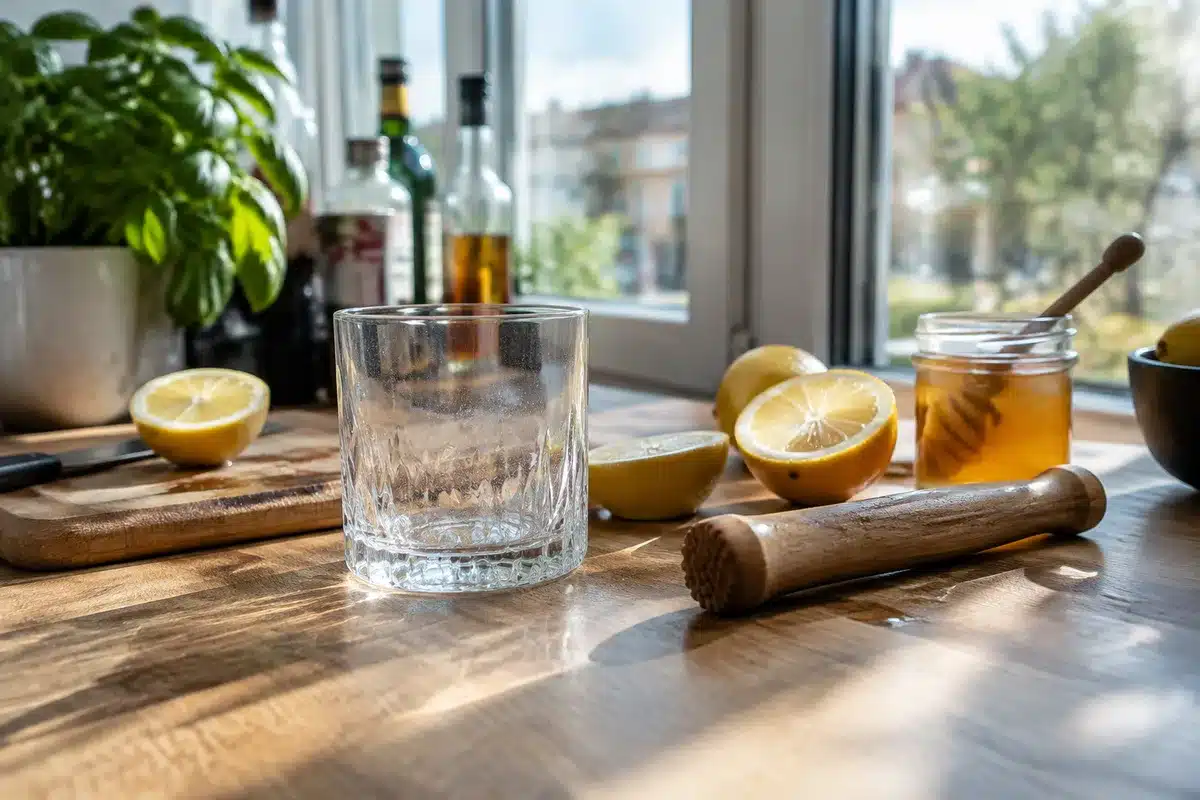
Gather the ingredients and warm your serving glass before mixing to keep the drink hot longer. Use 50 ml ruby port, 10 ml freshly squeezed lemon juice, 7.5 ml rich sugar syrup and 105 ml boiling water for a single-serving measure that balances sweetness and acidity.
| Ingredient | Amount |
|---|---|
| Ruby port (e.g., Cockburn’s) | 50 ml |
| Fresh lemon juice | 10 ml |
| Rich sugar syrup (2:1 sugar to water) | 7.5 ml |
| Boiling water | 105 ml |
Pre-heat a toddy or heatproof glass by rinsing with hot water, then discard the rinse. Add the port, lemon juice, and syrup, pour in boiling water, place a bar spoon in the glass briefly, and stir gently for about five seconds to marry the flavors.
Finish by grating fresh nutmeg over the surface and optionally presenting a cinnamon stick for aroma. Serve immediately while the drink is steaming and aromatic.
Which ingredients change the character of the drink?
The type of wine you choose defines the foundation of the Negus. A ruby port brings body, fruit and a touch of tannin; swapping to a tawny or a sweet sherry will move the flavor profile toward nuttier or lighter fruit notes.
Sugar level and lemon juice adjust the balance between sweet and tart very quickly. If vous prefer a drier drink, reduce the syrup slightly and add a touch more lemon; use a rich syrup (2:1) if you want silkier sweetness without extra dilution.
Are there common variations and garnish ideas?
Negus adapts well to small changes, which is why historical recipes and household guides offered many options. Classic alternatives replace port with sherry or lighter fortified wines, and some cooks add whole spices like clove or a strip of orange peel for extra fragrance.
- Use orange peel instead of lemon for a sweeter citrus profile.
- Add one clove while steeping for a lightly spiced note.
Garnish choices include grated nutmeg, a cinnamon stick, or a thin lemon twist. Each garnish alters the aroma and can make the drink feel more seasonal or tailored to personal taste.
What is the origin of Negus and how did it enter popular culture?
The drink likely dates back to the 18th century and carries the name of Colonel Francis Negus, an English figure associated with spirited social gatherings. Recipes from later eras show that Negus became a household warm beverage, often made with accessible wine rather than expensive vintages.
Writers and domestic manuals of the 19th century mention Negus as a familiar party drink, sometimes recommended for children’s gatherings when the wine used was inexpensive and fruity. Literary references and household recipes helped cement its place in British festive traditions.
Over time, the recipe remained elastic: household cooks adjusted proportions and spices based on what was available, which left a legacy of regional and personal variations that still inspire modern renditions.
What are the allergen, nutrition and alcohol details?
Negus made with ruby port contains sulphur dioxide/sulphites as a potential allergen due to the fortified wine. Anyone with sulphite sensitivity should choose an alternative beverage or check the wine label carefully.
| Metric | Value |
|---|---|
| Calories | 106 kcal |
| Standard drinks | 0.5 |
| Alcohol by volume | 4.34% alc./vol. |
| Pure alcohol | 7.5 g |

Andrew Cole focuses on everyday drinks, from warm comfort beverages to refreshing options. His writing emphasizes balance, clarity, and ease of preparation.