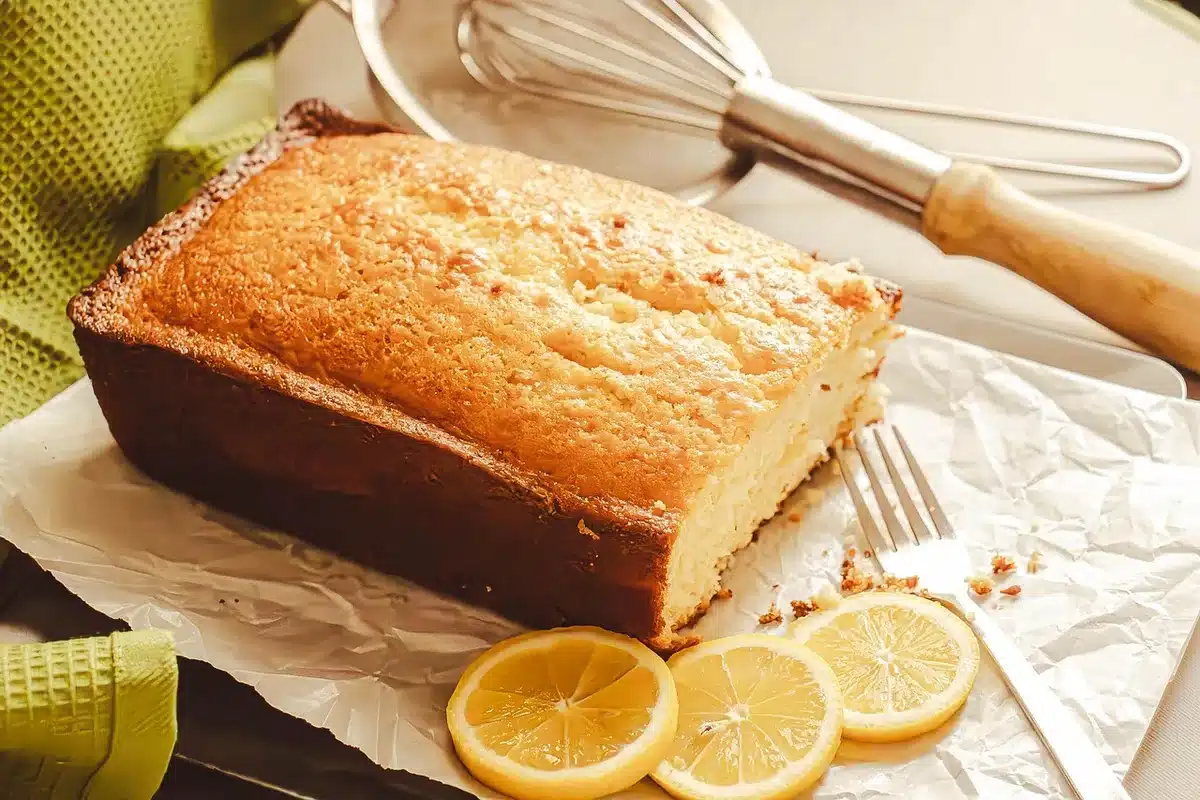

Sunshine and baking fragrance mingle when warm orange sweet rolls come out of the oven, offering a bright alternative to classic cinnamon rolls that still delivers that irresistible gooey center. A soft, enriched dough folds around a citrus-scented cinnamon filling, and a glossy orange glaze finishes each spiral with fresh, tangy sweetness. Home bakers who love a slightly elevated brunch treat will appreciate how these rolls can be made in a few hours or prepared overnight for an effortless morning service.
Why choose orange sweet rolls over regular cinnamon rolls?
How to make a Lucky Lily margarita: spicy tequila and pineapple cocktail recipe
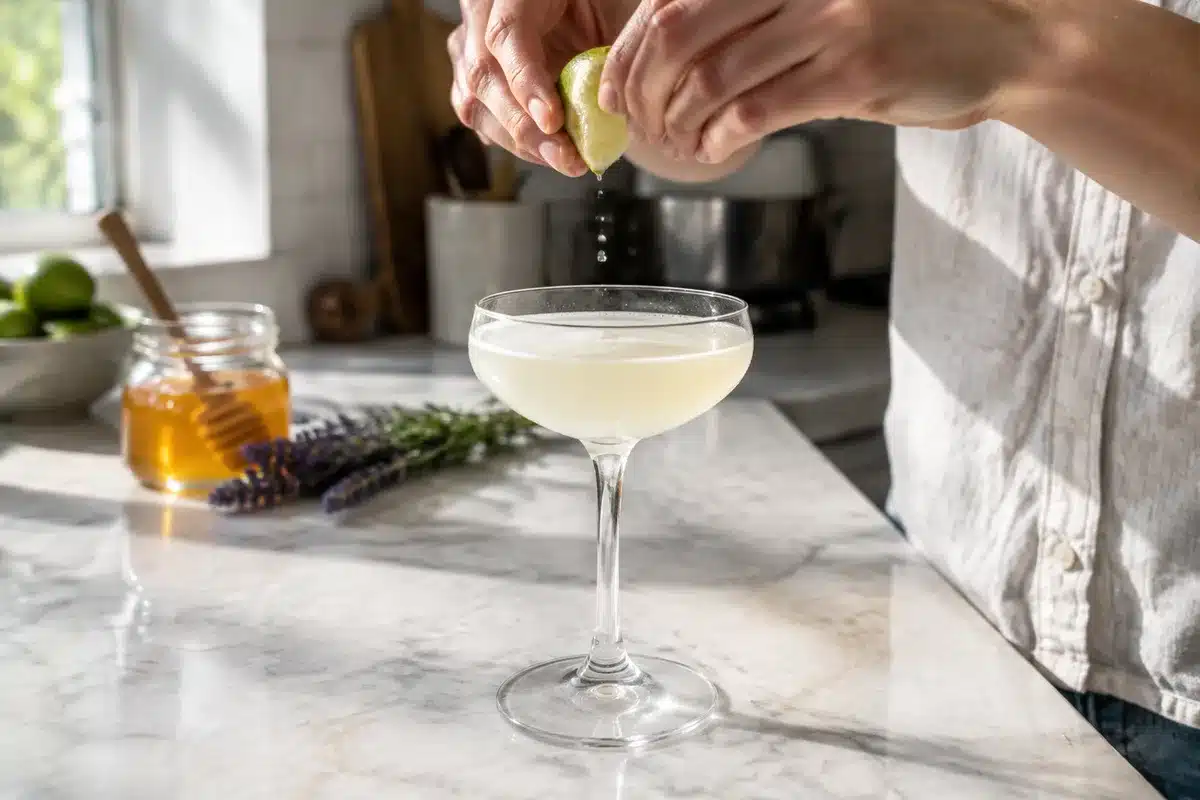
Lavender and honey daiquiri recipe: easy floral cocktail
Fresh orange zest lifts the familiar warmth of cinnamon and gives every bite a lively twist. The enriched dough—made with milk, butter, and eggs—stays tender and rich, creating pillowy spirals that hold the filling beautifully. Citrus lovers often prefer this version because the orange flavor balances the sweetness and keeps the rolls from feeling heavy.
Sticky, caramelized bottoms form as the sugar melts into the baking pan, adding a textural contrast that pairs perfectly with a silky glaze. The baking process mirrors traditional cinnamon rolls, so bakers familiar with that method will find the workflow comfortable. Small changes in ingredients yield a noticeably brighter final pastry.
What ingredients are required for the dough, filling and glaze?
Gather fresh oranges for both zest and juice, whole milk for richness, and a reliable yeast for consistent rise. Bread flour is recommended for structure and chew, though all-purpose flour will also produce tender rolls. Butter, eggs, sugar, cinnamon, and confectioners’ sugar complete the core components for dough, filling, and icing.
| Component | Key ingredients | Notes |
|---|---|---|
| Dough | Whole milk, granulated sugar, yeast, butter, orange juice, orange zest, eggs, salt, bread flour | Use warmed milk about 100°F and room-temperature eggs for best incorporation. |
| Filling | Softened butter, granulated or brown sugar, ground cinnamon, orange zest | Spread butter evenly and sprinkle the sugar-zest mixture for uniform swirls. |
| Orange glaze | Confectioners’ sugar, fresh orange juice, vanilla extract | Whisk until smooth, then drizzle over warm rolls for glossy finish. |
How do you make the dough and assemble the rolls?
Begin by proofing the yeast in warm milk mixed with a little sugar and wait for a foamy surface. Add the rest of the dough ingredients and mix until a soft, slightly tacky dough forms, using a stand mixer with a dough hook or by hand. Knead for several minutes until the dough passes the gentle bounce or windowpane test; the dough should remain tender, not dry.
Let the dough rise in a lightly greased bowl until roughly doubled, then punch it down and roll it into a rectangle. Spread softened butter over the surface and sprinkle the cinnamon-sugar-zest filling across the dough. Roll the sheet tightly into a log, slice into even rounds, and arrange the spirals in a greased 9×13 pan.
Allow the cut rolls to rise again until puffed and airy before baking at moderate heat. During baking the sugar will caramelize at the base and the tops will brown; tenting with foil midway prevents over-browning. Remove the pan and let the rolls cool slightly before finishing with the orange glaze so the icing melds into each swirl.
How long should rises and baking times be?
First rise usually takes between 1.5 and 2 hours at room temperature, depending on the warmth of the kitchen and the yeast type. The second rise after shaping is shorter, generally 30 to 45 minutes, until the rolls look noticeably puffy and soft. Using instant yeast typically shortens rise time a little, while active dry yeast may require slight extra patience.
Bake the rolls at 350°F (177°C) for around 25 minutes, watching for a light golden color on top. Tent with foil after the first 15 minutes if the crowns brown too quickly. An internal temperature near 190°F (88°C) indicates they are fully cooked without drying out.
Can these rolls be made ahead or frozen?
Yes, the recipe adapts well for overnight preparation and several freezing methods, making it a flexible choice for busy schedules and special occasions. If vous want to serve fresh rolls in the morning, shape them the night before and refrigerate for 8–12 hours; allow them to sit at room temperature an hour or two before baking. Do not refrigerate shaped rolls longer than recommended or yeast activity may be affected.
- Freeze shaped, unrisen rolls for up to 3 months and thaw overnight in the refrigerator; let rise, then bake.
- Par-bake for 10 minutes, cool completely, then freeze; finish baking from thawed state for 15–20 minutes.
- Fully baked rolls freeze well; reheat gently and refresh with warm glaze before serving.
Label and date frozen batches so you can rotate stock and maintain freshness. Returning frozen dough to a slow thaw in the fridge helps preserve texture and flavor.
What icing and topping options work best?
A simple orange icing made from confectioners’ sugar, fresh orange juice, and a touch of vanilla brightens the rolls without overpowering them. Whisk until smooth and adjust juice quantity for your desired thickness; a thinner glaze will soak into the spirals while a thicker one sits glossy on top. Cream cheese icing or classic vanilla glaze are excellent alternatives if you prefer a richer finish.
Finish with extra orange zest or a sprinkle of toasted nuts for visual contrast and added texture. Serve the rolls warm so the glaze glistens and the filling remains gooey for the best tasting experience.

Miles H. Whitaker writes about breakfast with a calm and practical approach. His recipes are designed for both busy mornings and relaxed starts, focusing on simplicity, comfort, and everyday nourishment.