
The Soyer au Champagne blends the elegance of sparkling wine with the indulgence of vanilla ice cream, creating a dessert-style champagne cocktail that feels festive and refined. This version balances brandy, orange liqueur and maraschino for warmth and aromatic lift while the bubbles brighten and lighten the texture. You will find the recipe straightforward whether you serve it at a holiday gathering or pair it with dessert. The clear ingredients and simple technique make it a favorite for hosts who want a visually impressive yet easy champagne cocktail.
What is Soyer au Champagne?
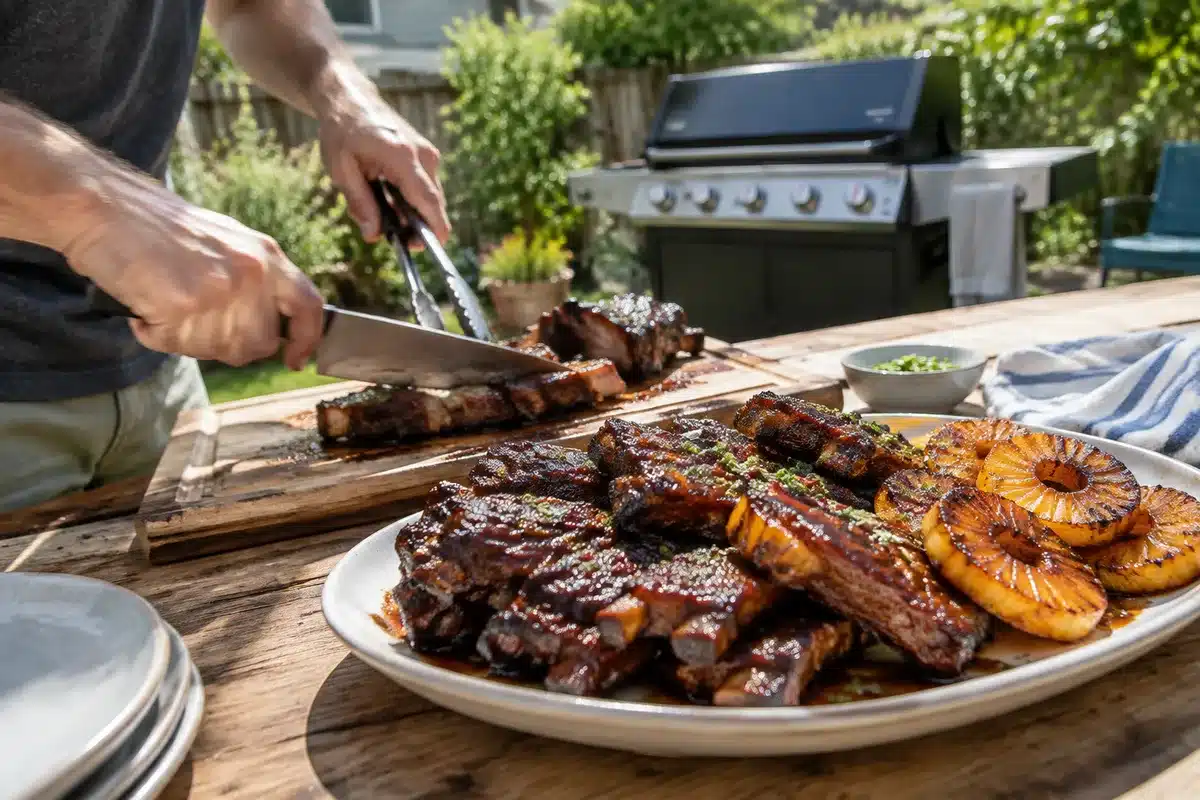
How to make a Lucky Lily margarita: spicy tequila and pineapple cocktail recipe
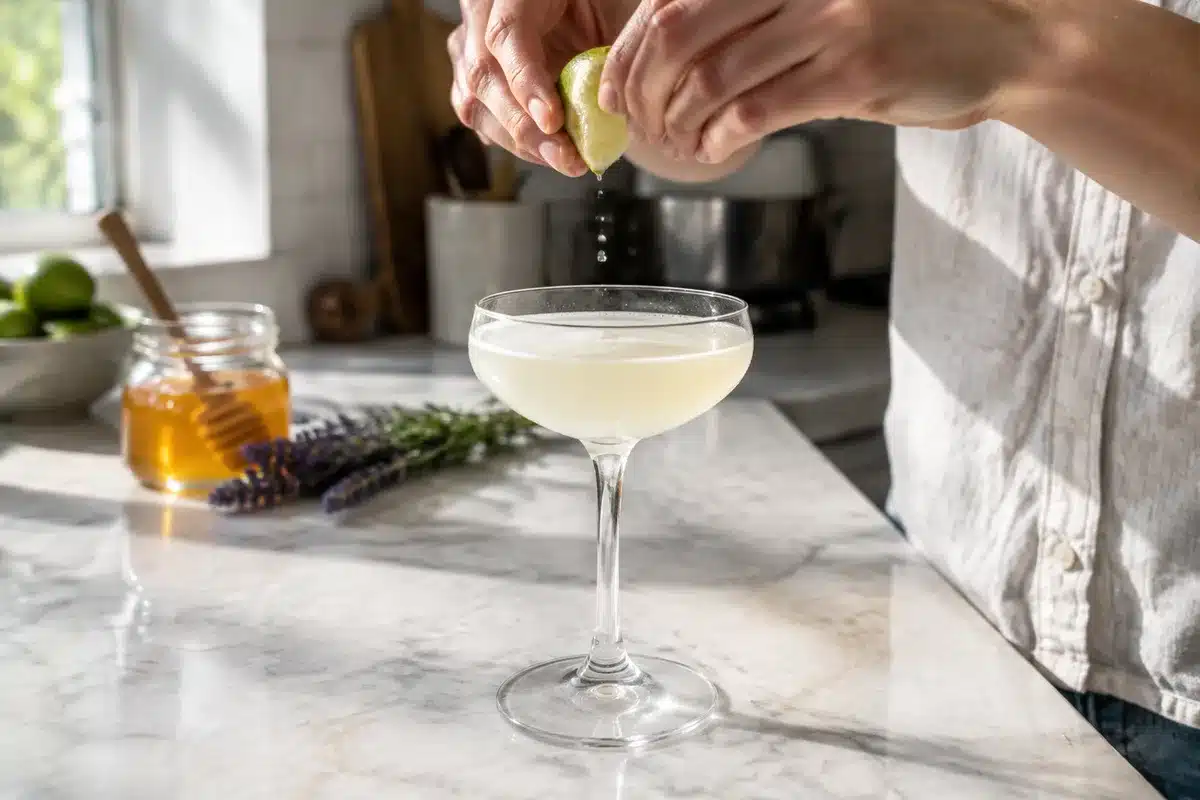
Lavender and honey daiquiri recipe: easy floral cocktail
The Soyer au Champagne is a vintage cocktail that combines ice cream with sparkling wine to produce a creamy, effervescent drink. It sits between a champagne cocktail and an ice-cream float, leaning toward dessert service rather than aperitif. Classic recipes include small measures of brandy, orange liqueur and maraschino, finished with chilled champagne.
This drink offers a contrast of textures with cold, melting ice cream and lively bubbles, and it traditionally appears at festive occasions. The ice cream integrates rather than dominates, giving a subtle creaminess while leaving room for the wine and liqueurs to show through.
Ingredients and measurements
Use quality components for the best result because each element is easily recognized in this light-format cocktail. Amounts below create a single serving presented in a chilled coupe or similar stemmed glass.
| Ingredient | Measure | Notes |
|---|---|---|
| Vanilla ice cream | 2/3 scoop | High quality, not overly sweet |
| Cognac or brandy | 15 ml | Brings warmth and depth |
| Orange liqueur | 15 ml | Grand Marnier or Curaçao |
| Luxardo Maraschino | 15 ml | Cherry floral notes |
| Brut champagne or sparkling wine | 45 ml | Well chilled for lift |
Pay attention to allergens when planning service. The recipe contains dairy from the ice cream and sulphites commonly present in sparkling wines. Offer alternatives for guests with dietary restrictions by substituting dairy-free ice cream and checking wine labels when possible.
How do you make it?
Start by pre-chilling a coupe or similar stemmed glass so the cocktail stays cold longer. Place the scoop of vanilla ice cream into the chilled glass and add the cognac, orange liqueur and maraschino. Stir gently to dissolve and marry the ice cream with the spirits so the texture becomes silky.
- Set a coupe in the freezer for a few minutes to chill it thoroughly.
- Place 2/3 scoop vanilla ice cream in the glass then add the 15 ml measures of cognac, orange liqueur and maraschino.
- Stir until the ice cream begins to integrate with the spirits and some melting occurs.
- Top with 45 ml chilled Brut champagne and allow the foam to settle.
If vous choose to prepare multiple servings, scale the spirits proportionally and add sparkling wine just before serving to keep the effervescence lively. Serve immediately and remind guests to enjoy the contrast of cold cream and bubbly wine.
What glass and garnish work best?
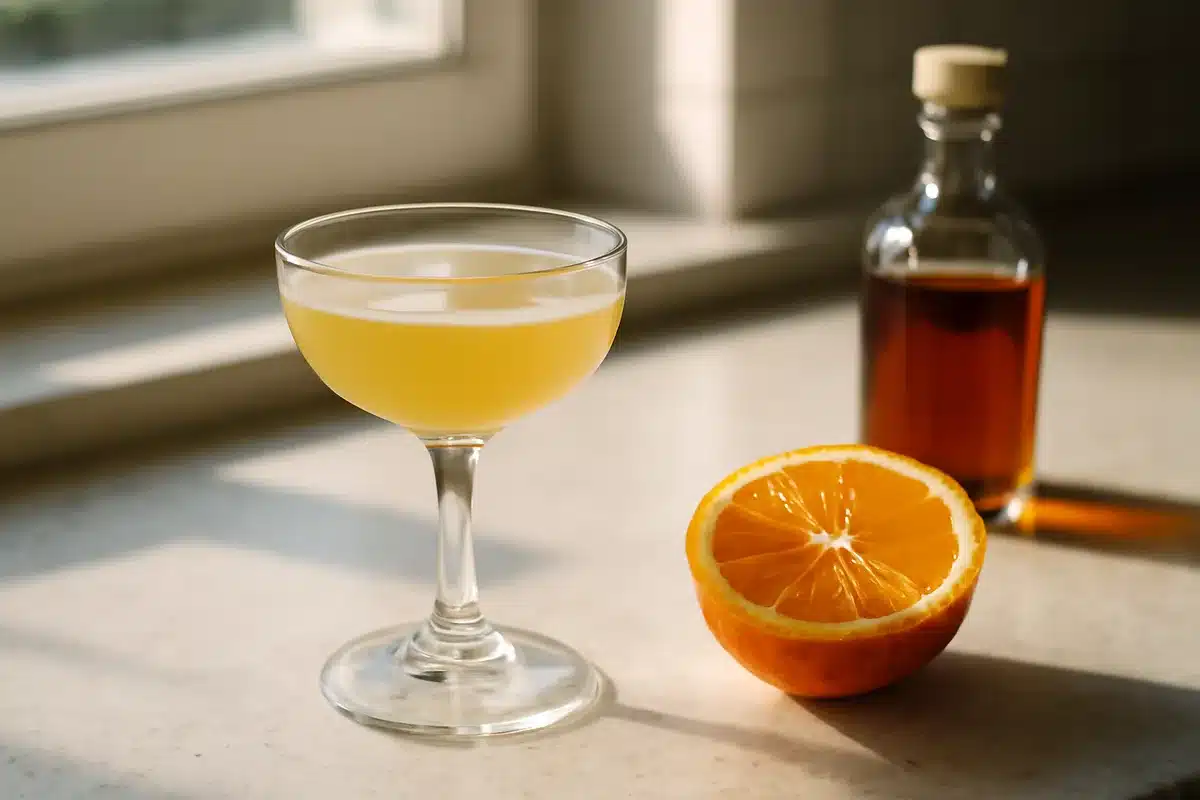
A coupe glass is the traditional and elegant choice, providing a shallow bowl that highlights the cocktail’s presentation and allows aromas to reach the nose. A chilled coupe enhances the visual appeal as the champagne foams gently around the ice cream. Alternatively, a chilled old-fashioned or large tumbler will work if coupes are not available, but the coupe reads most classic and refined.
Garnish simply to complement the ingredients rather than overwhelm them. A thin slice or small wedge of orange skewered with a maraschino cherry offers color and echoes the orange liqueur and maraschino notes. Avoid heavy garnishes that mask the drink’s delicate balance.
Consider presentation details such as a lightly sugared rim or a microplane of orange zest for an aromatic lift just before serving. Small touches create strong impressions with minimal effort.
Where did this cocktail come from?
The Soyer au Champagne traces back to 19th century culinary circles and was associated with Alexis Soyer, a celebrated Victorian chef known for theatrical presentations. Early printed versions of the recipe appear in late 1800s French and English cocktail manuals that adapted the idea of chilled fruit and ice combined with champagne. Over time the recipe migrated toward the more familiar formula combining ice cream and a trio of liqueurs capped with sparkling wine.
Notable bartenders and authors in the early 20th century helped codify the modern iteration. Writers like Harry MacElhone included an ice cream version in classic cocktail compendiums, which boosted its popularity in continental cafés and holiday menus. Variations in glassware and the addition of fruit garnishes evolved through those decades.
The drink remained associated with festive service and dessert courses rather than pre-dinner aperitifs. That history explains why the Soyer au Champagne often appears on Christmas and celebratory menus even today. Its blend of warmth from brandy, citrus lift and maraschino perfume suits seasonal occasions.
Modern bartenders sometimes reinterpret the recipe with alternative ice creams, different sparkling wines or a dash of additional flavoring, but the core idea persists. The charm lies in the contrast of creamy sweetness and bright sparkle.
Taste profile and serving tips
The cocktail delivers a creamy mouthfeel followed by fresh acidity and persistent bubbles, creating a layered tasting experience. Expect a gentle boozy note from the cognac, an orange citrus thread from the liqueur and a light cherry perfume from the maraschino. The ice cream tempers the alcohol while the champagne cleanses the palate.
- Serve immediately after adding champagne to keep carbonation lively
- Choose a dry Brut to avoid excessive sweetness
- Use high-quality vanilla ice cream for best texture and flavor
- Offer a dairy-free ice cream alternative for guests with allergies
Small adjustments will tailor the drink to your menu and guest preferences, and a light garnish adds both aroma and visual appeal. If vous are planning a festive tasting flight, this cocktail pairs well with light pastries and citrus-forward desserts.

Andrew Cole focuses on everyday drinks, from warm comfort beverages to refreshing options. His writing emphasizes balance, clarity, and ease of preparation.