Chocolate fudge that looks and tastes like it came from a bakery can be made at home with surprisingly few steps and minimal equipment. This condensed milk fudge recipe streamlines the process so you avoid boiling sugar and chasing precise temperatures, while still achieving a rich, slightly sandy texture that many people love in classic fudge. You will find the method forgiving and fast, and the ingredients list is short enough to keep on hand for quick gifts or last-minute desserts. Small adjustments let you tailor the final result to your preferences without adding complexity.
How does sweetened condensed milk change the fudge process?
How to make a Lucky Lily margarita: spicy tequila and pineapple cocktail recipe
Lavender and honey daiquiri recipe: easy floral cocktail
Using sweetened condensed milk removes the need to cook a sugar syrup to the soft‑ball stage. Manufacturers have already concentrated and cooked the milk and sugar, so home cooks skip a delicate and failure-prone step. That makes the recipe much more accessible for cooks who do not use a candy thermometer regularly. The result is reliable sweetness and a stable texture with far less effort.
The condensed milk also helps control crystallization, which is the main reason fudge becomes grainy. When you melt chocolate and condensed milk gently, the sugar is less likely to recrystallize in large grains. That leaves you with a pleasantly dense, slightly sandy crumb rather than a crunchy sugar texture. Small additions like butter or salt further round out the mouthfeel and flavor.
Because the method focuses on melting rather than boiling, the overall cooking time shrinks and cleanup is easier. You still need gentle heat and steady stirring to keep chocolate smooth. Chill time replaces cooking time, so plan ahead but expect simple active work in the kitchen.
What are the ingredients and exact steps for this easy chocolate fudge?
Below is a concise ingredient list and an efficient method that keeps things straightforward while delivering classic flavor. Measurements are written for a standard 8-inch square pan, which yields about 16 two‑inch squares. Use quality chocolate for best results since the recipe highlights the chocolate’s taste.
| Ingredient | Quantity | Notes |
|---|---|---|
| Butter | 4 tablespoons (½ stick) | Plus extra for greasing the pan |
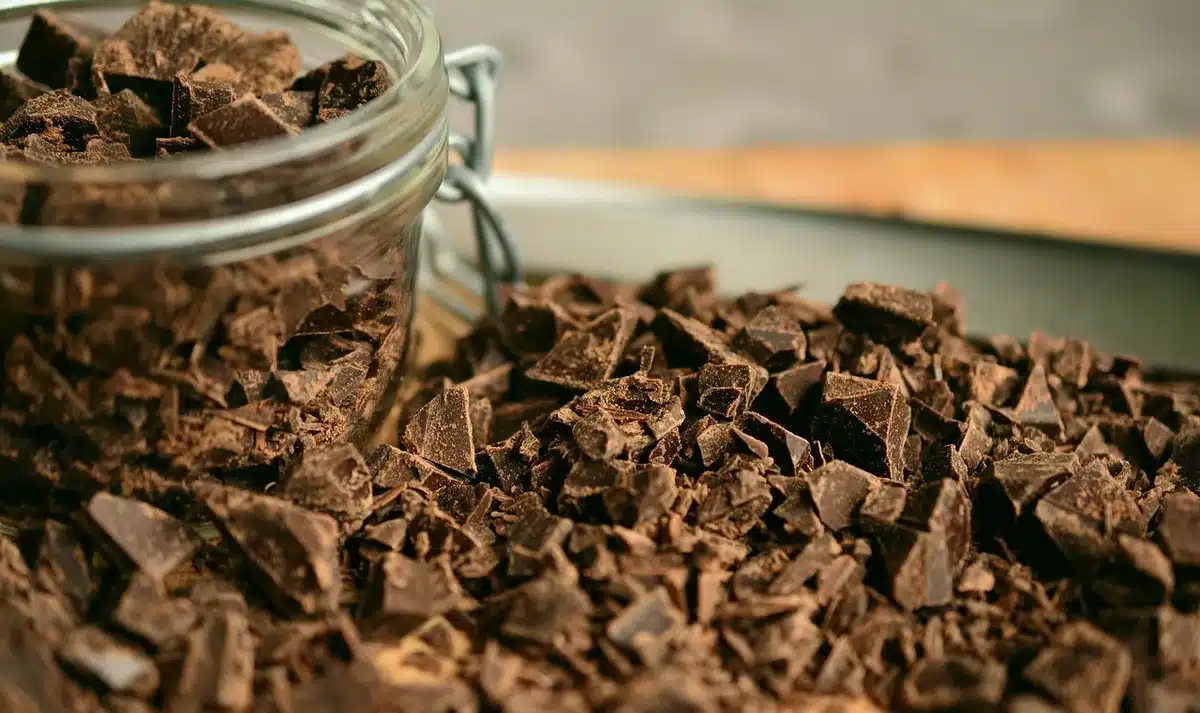
| Semisweet or bittersweet chocolate | 1 pound | Chop into uniform pieces for even melting |
| Sweetened condensed milk | 1 (14-ounce) can | Avoid evaporated milk, which is unsweetened |
| Salt | ⅛ teaspoon (optional) | Enhances chocolate flavor |
| Chopped nuts | ½ cup (optional) | Walnuts, pecans, or almonds work well |
Prep the pan first so nothing sticks later. Grease an 8‑inch square pan and line it with parchment, leaving a couple of inches of overhang for easy removal. Melt butter, chocolate, and condensed milk together over simmering water or in short bursts at low power in the microwave, stirring frequently until smooth. Work quickly and keep the temperature low so chocolate stays glossy and fluid.
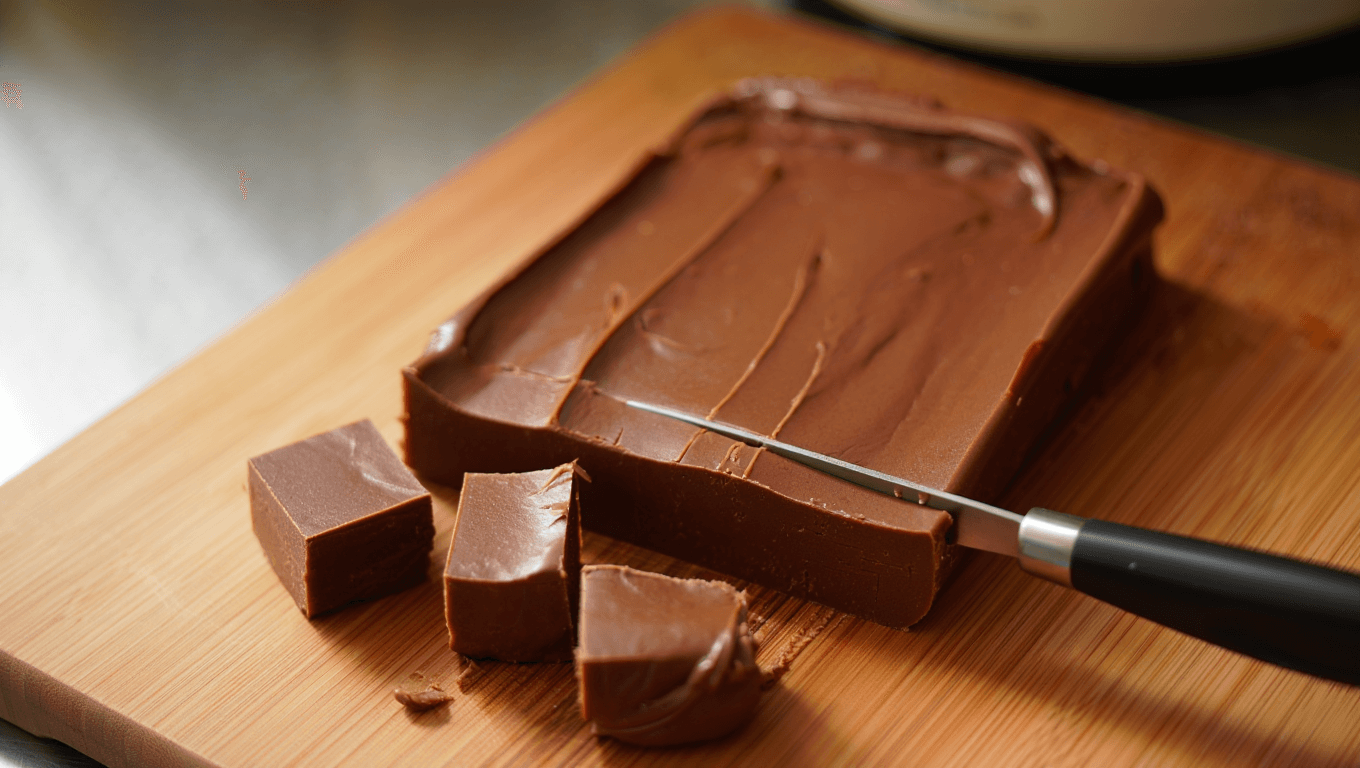
Fold in salt and any chopped nuts while the mixture is still warm, then scrape into the prepared pan and smooth the surface. Chill the pan until the fudge sets firmly, usually four hours or overnight for best slicing. Lift the parchment out and cut into squares with a large, sharp knife, wiping the blade between cuts for neat edges.
What makes fudge grainy and how can you avoid it?
Graininess happens when sugar recrystallizes into large particles during cooling. Rapid cooling, excessive stirring while hot, or heating sugar solutions too much can all encourage crystals. In this condensed milk approach, the risk is much lower because the sugar is already in a stable, cooked form. Gentle handling during melting remains essential, though.
For the smoothest texture, heat the mixture as little as possible and stir just until everything becomes one glossy mass. Avoid aggressive whisking or re‑heating after the chocolate has already melted. If you see any trapped granules or grit, a quick pass through a fine sieve can rescue the batch before chilling.
Small techniques make a noticeable difference in the finished product. Chill the fudge on a level surface so the texture sets evenly. If vous prefer a creamier or softer bite, reduce chilling time slightly and store at a cool room temperature briefly before serving. Adjusting nut inclusion and chocolate percentage also alters grain perception.
Quick troubleshooting checklist
- Mixture too thick before pouring: warm gently and stir until fluid.
- Grainy texture after setting: try heating gently to dissolve any sugar crystals and re-melting the chocolate, then re-chill.
- Fudge too soft: increase chocolate ratio or chill longer for firmer squares.

Samuel Knox writes about desserts with a focus on comfort and simplicity. His recipes highlight homemade sweets that are easy to prepare and meant to be shared.