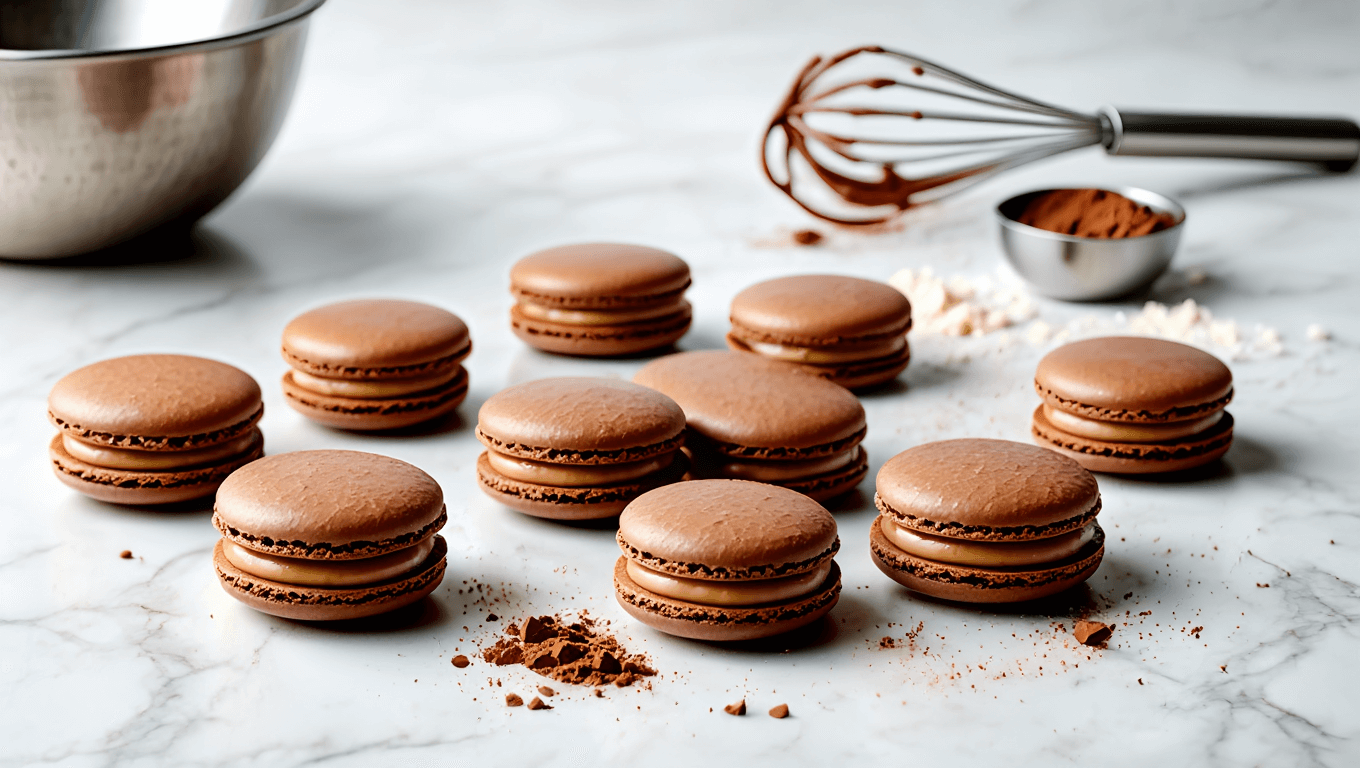
Chocolate macarons combine delicate meringue shells with a rich cocoa bite that balances sweetness and texture, making them a favorite for home bakers and pastry chefs alike. The cocoa in the batter shelters the shells from obvious browning, which gives you a bit more leeway with oven performance while still rewarding careful technique. This recipe walks through ingredients, troubleshooting tips, and step-by-step methods for glossy shells and a silky ganache filling so you can create bakery-quality chocolate macarons at home.
Which ingredients make the best chocolate macarons?
How to make a Lucky Lily margarita: spicy tequila and pineapple cocktail recipe
Lavender and honey daiquiri recipe: easy floral cocktail
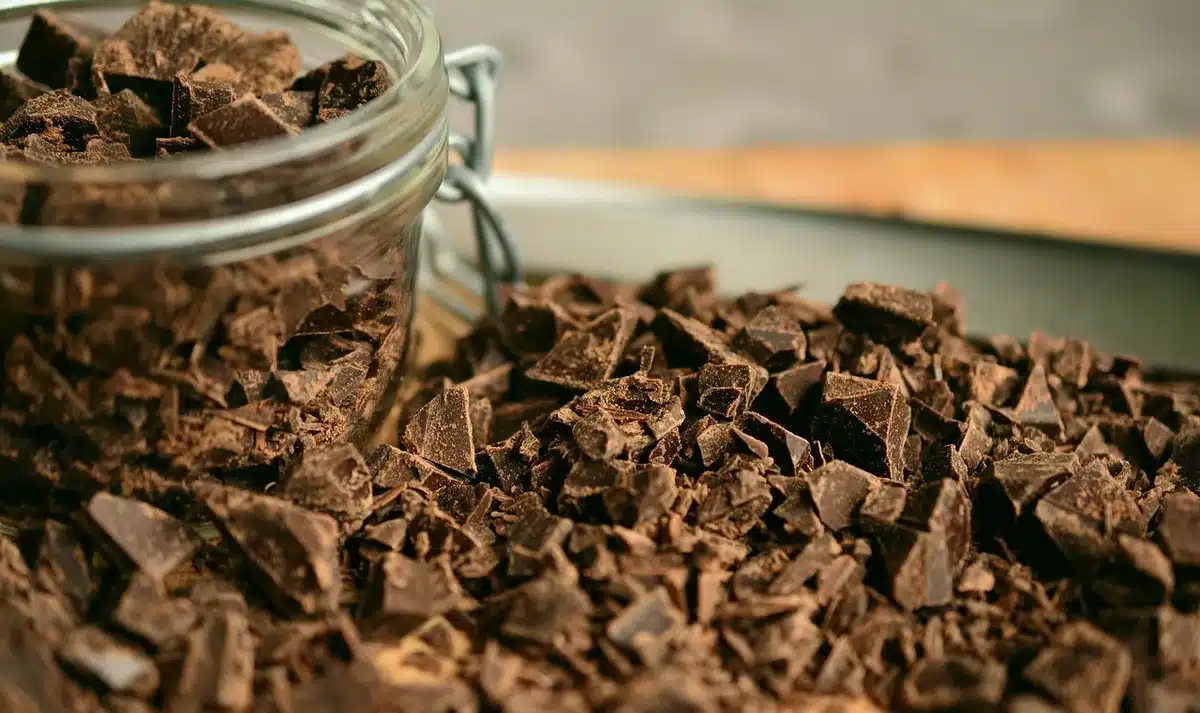
High-quality ingredients make a noticeable difference in macaron texture and flavor, so choose them carefully. For the shells, confectioners’ sugar, superfine almond flour, unsweetened cocoa powder, and room-temperature egg whites form the essential base. The filling calls for bittersweet chocolate and heavy cream plus a touch of vanilla and optional espresso powder to enhance the chocolate note.
A note about egg whites: fresh whites whipped well create stable peaks and predictable results, and a small pinch of salt brings out cocoa complexity. If vous are adapting the recipe, swapping almond flour for another nut flour will change both texture and flavor, so adjust expectations accordingly.
Below is a compact ingredients table to help with prep and shopping. Quantities are set for about 23 macarons, and you can scale the recipe if you need more or fewer cookies.
| Component | Ingredient | Amount |
|---|---|---|
| Shells | Confectioners’ sugar | 1 cup plus 2 tbsp (124 g) |
| Superfine almond flour | 3/4 cup (85 g) | |
| Unsweetened cocoa powder | 1/4 cup (25 g) | |
| Large egg whites, room temperature | 3 (about 90 g) | |
| Kosher salt | 1/2 tsp | |
| Granulated sugar | 6 tbsp (75 g) | |
| Filling | Bittersweet chocolate, chopped | 4 oz |
| Heavy cream | 1/2 cup (120 ml) | |
| Vanilla extract | 1 tsp | |
| Espresso powder (optional) | 1/2 tsp | |
| Pinch of kosher salt | As needed |
How should you prepare dry ingredients and the meringue?
Start by very finely combining and sifting the dry ingredients so they blend into a uniform color and texture. A food processor pulse followed by a medium-mesh sieve removes lumps and prevents gritty shells, which is crucial when working with cocoa and almond flour. Wasting a few extra seconds here improves consistency across every shell.
Cleanliness matters for the meringue. Make sure the mixing bowl and whisk are completely grease-free, and use room-temperature egg whites for easier whipping and greater volume. Beat the whites with a pinch of salt until frothy, then add granulated sugar slowly while increasing speed so the meringue reaches a matte, very stiff peak.
What is the correct macaronage technique and how do you pipe shells?
Macaronage is the controlled folding of dry ingredients into the meringue and it determines batter flow and final texture. Add half of the sifted mix, fold vigorously while scraping the bowl, then incorporate the remainder until the batter is smooth and glossy. Look for a ribbon that flows from the spatula and settles back into the mass within about 15 seconds; this indicates the ideal viscosity.
Transfer the batter into a piping bag fitted with a medium round tip and pipe into pre-drawn circles on parchment or a silicone mat. Apply steady pressure and lift with a quick twist to finish each piped disk; tapping the sheet on a towel helps release large bubbles. Use a toothpick to pop any stubborn air pockets and smooth small surface imperfections before drying.
Let the piped shells sit at room temperature until a thin skin forms and they feel nonsticky to the touch, which often takes 45 to 60 minutes but may run longer in humid conditions. If the surface remains tacky after a long wait, reduce kitchen humidity or extend drying times to avoid cracking during baking.
Which baking practices reduce hollows and improve feet?
Oven temperature consistency is one of the most common failure points, so check the internal oven temperature with an oven thermometer and aim for 300°F (about 150°C). Position the rack in the center, and bake one sheet at a time if your oven has hot spots so each tray receives even heat. Silicone mats may slow baking by a minute or two compared with parchment because they conduct heat differently.
Timing matters more than color for chocolate shells because cocoa masks browning, so rely on surface dryness and the presence of an even foot rather than shell color. If shells still wobble when nudged or feel soft in the center, add a minute or two of baking time rather than trying to compensate with higher temperature. Underbaked shells risk hollowing out, while overbaking makes them dry and brittle.
Useful troubleshooting list for common baking issues:
- No feet: Check meringue stiffness and drying time before baking.
- Cracked tops: Reduce oven temperature slightly and ensure proper drying.
- Hollow shells: Increase bake time in small increments and verify oven temp.
After baking, cool the shells completely on the sheet before peeling so they release cleanly and keep their round shape. Pair similar-sized shells together for a tidy sandwich and set aside for filling once fully cooled.
How do you make the ganache and assemble the macarons?
Chop the chocolate finely and place it in a heatproof bowl with vanilla, espresso powder if using, and a pinch of salt; this concentrates flavor and helps the ganache set with a smooth texture. Heat the cream to a gentle simmer, pour it over the chocolate, and let it sit for several minutes before whisking from the center outward until fully emulsified. If any chocolate remains unmelted, use a double boiler technique briefly until smooth.
Allow the ganache to cool until it thickens to a pipeable consistency, which usually takes 45 to 60 minutes at room temperature or less over an ice bath if you monitor closely. Transfer the mixture to a piping bag fitted with a medium tip and pipe a teaspoon or so onto half of the shells, then sandwich with paired shells and press gently so the filling reaches the edges.
Chill the assembled macarons 15 to 20 minutes to set the filling before packing them for aging, which helps the textures harmonize. Refrigeration also makes them easier to transport and keeps the ganache stable for slicing into gift boxes or plating for service.
How long should macarons age and what is the best storage method?
Aging macarons improves texture as moisture moves from the filling into the shells, softening them to the ideal chew. Place the sandwiches in a lidded container, cover, and refrigerate for at least 24 hours to allow flavors and textures to meld properly. Many bakers note a marked improvement after a day or two, so patience pays off.
Store macarons in the refrigerator for up to one week, keeping them in a single layer or separated by parchment to avoid sticking. Serve chilled for the best contrast between the crisp shell and creamy ganache, and bring them to room temperature briefly if you prefer a softer mouthfeel before serving.

Samuel Knox writes about desserts with a focus on comfort and simplicity. His recipes highlight homemade sweets that are easy to prepare and meant to be shared.