
Ganache combines chocolate and cream into a versatile, richly flavored mixture that elevates many desserts. Hot and glossy, it pours over ice cream or cakes for an elegant glaze that sets with a soft sheen. Once cooled, it whips into a light, creamy frosting that adds a professional finish to cupcakes and layer cakes. Chilled ganache becomes the ideal filling for truffles or flavor-packed bonbons when rolled and dusted with cocoa.
What exactly is chocolate ganache?
At its core, ganache is a simple emulsion of melted chocolate and warm cream that yields a smooth, shiny sauce. The balance between the two ingredients determines whether the result will be a pourable glaze, a spreadable filling, or a pipeable frosting. Professional pastry chefs rely on ganache for its clean chocolate flavor and its ability to transform texture with minimal technique. Espresso or strong coffee often enhances the chocolate profile, though it remains optional for purists.
Quality of ingredients matters more than complexity of method. Use good-quality bittersweet or semisweet chocolate and avoid ultra-processed creams when possible. Bittersweet chocolate will produce a deeper, more intense chocolate character, while semisweet will deliver a sweeter, more familiar profile. Small adjustments can change the result dramatically, which makes ganache both forgiving and precise at once.
Ganache behaves predictably if you respect heat and ratios. Gentle heat prevents graininess and keeps the emulsion intact. Whisking encourages a glossy finish, and brief rest periods allow flavors to meld. Once you master a basic batch, variations such as flavored creams or added liqueurs become straightforward ways to customize desserts.
Which ingredients yield the best ganache?
Choosing the right chocolate is the fastest route to great ganache. Look for chocolate labeled couverture or a bar that lists cocoa solids and cocoa butter rather than stabilizers. For intensely chocolatey ganache, pick bittersweet or dark chocolate with 60 to 70 percent cocoa. If you prefer a milder sweetness, semisweet or a 50 to 60 percent bar will work well.
Cream quality influences texture and mouthfeel more than most home cooks expect. Heavy cream with around 30 to 36 percent fat creates a silky, stable emulsion. Avoid creams that are ultrapasteurized when possible because they may not incorporate as smoothly. Small additions like a teaspoon of vanilla or a splash of espresso will deepen the flavor without overpowering the chocolate.
How should you prepare ganache for different uses?
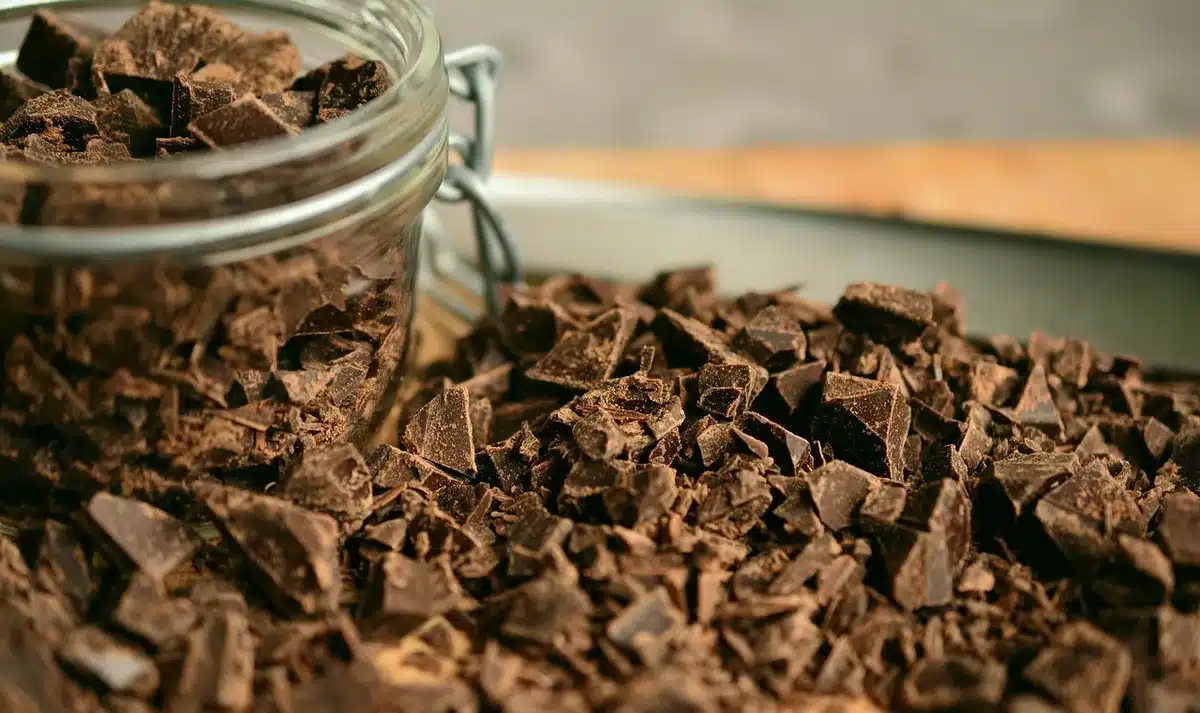
Start by chopping chocolate into even pieces and placing it in a heatproof bowl. Warm the cream until it is steaming but not boiling, then pour it over the chocolate and let it sit for a minute so the heat loosens the chocolate. After that, stir slowly from the center outward until the mixture becomes glossy and uniform. If a richer flavor is desired, stir in espresso, vanilla, or a tablespoon of liqueur while the mixture is still warm.
Different chocolate to cream ratios create distinct textures that suit specific applications. The table below summarizes common ratios and their best uses so you can pick the right formula for glaze, frosting, or truffles.
| Chocolate : Cream | Texture | Best Use |
|---|---|---|
| 2:1 | Thick, firm when chilled | Truffle centers, firm fillings |
| 1.5:1 | Spreadable, pipeable when whipped | Frosting, chocolate buttercream base |
| 1:1 | Pourable when warm, soft set | Glaze for cakes and tarts |
| 1:2 | Very soft, saucy | Ice cream topping, sauces |
After mixing, allow ganache to cool at room temperature for glazes or chill it for firmness. When you want a whipped frosting, refrigerate until thick but not solid, then beat with a mixer until light and fluffy. For truffles, let ganache become quite firm in the refrigerator, scoop or scoop-and-roll into balls, and finish with cocoa powder or finely chopped nuts.
What troubleshooting tips keep ganache smooth?
Curdled or grainy ganache often results from overheated cream or insufficient stirring. If the mixture breaks, a quick fix is to whisk in a tablespoon of hot water or warmed cream, adding it slowly until the emulsion comes back together. Gentle heat and persistent whisking usually restore gloss and texture without scrapping the batch.
Other practical tips help you avoid common pitfalls and fine-tune results:
- Warm chocolate slightly before adding cream for faster, more even melting.
- Use a bowl set over simmering water for gentle, controllable heat.
- Strain ganache for an ultra-smooth finish before spreading or piping.
Apply small adjustments as you work and taste as you go so that the final ganache matches your desired sweetness and intensity.

Samuel Knox writes about desserts with a focus on comfort and simplicity. His recipes highlight homemade sweets that are easy to prepare and meant to be shared.