
A Tawny Negroni elevates the familiar bitterness and botanical bite of gin by introducing the warm, nutty character of tawny port, creating a cocktail that feels both classic and unexpectedly refined. This variation keeps the structure of a Negroni while softening the edges and adding layers of dried fruit, caramel, and oxidative depth. Whether you are exploring Negroni variations or looking for an evening sipper that pairs well with rich cheeses and desserts, the Tawny Negroni deserves a place on your menu. Expect a balanced drink that leans smoother but preserves the iconic harmony of bitter, sweet, and spirit.
What characterizes a Tawny Negroni?
Why use more than one vermouth in a vodka martini?
Sotol twist on the Naked and Famous cocktail recipe
The Tawny Negroni swaps the usual sweet vermouth for tawny port, which brings a different sugar profile and a toasted, nutty finish. Gin continues to provide the aromatic backbone while the port adds a silkier texture and notes of dried fig, almond, and subtle caramel. The resulting cocktail still plays between bitter and sweet, but the port shifts the center of gravity toward a warmer, more vinous flavor.

Bar professionals describe this variation as a bridge between a fortified-wine cocktail and a classic spirit-forward drink. It holds onto the Negroni’s identity through the bitter element (often Campari or a similar aperitif) while offering greater complexity in the midpalate. When served over ice, the Tawny Negroni relaxes and opens up, revealing layers you might not notice in a traditional recipe.
Because ports vary by age and style, the exact character depends on your choice of tawny. Younger tawny ports will lend fresher fruit and acidity, whereas older bottlings provide concentrated toffee and nutty qualities. For consistency, choose a quality tawny that matches the texture and sweetness level you prefer in your cocktails.
How do you make a Tawny Negroni?
Start by assembling high-quality ingredients: gin, Campari, and tawny port. Measure carefully to keep balance; many bartenders use equal parts, but slight adjustments can tailor the drink toward bitterness or sweetness. Chill your mixing glass and add plenty of ice to achieve proper dilution and temperature.
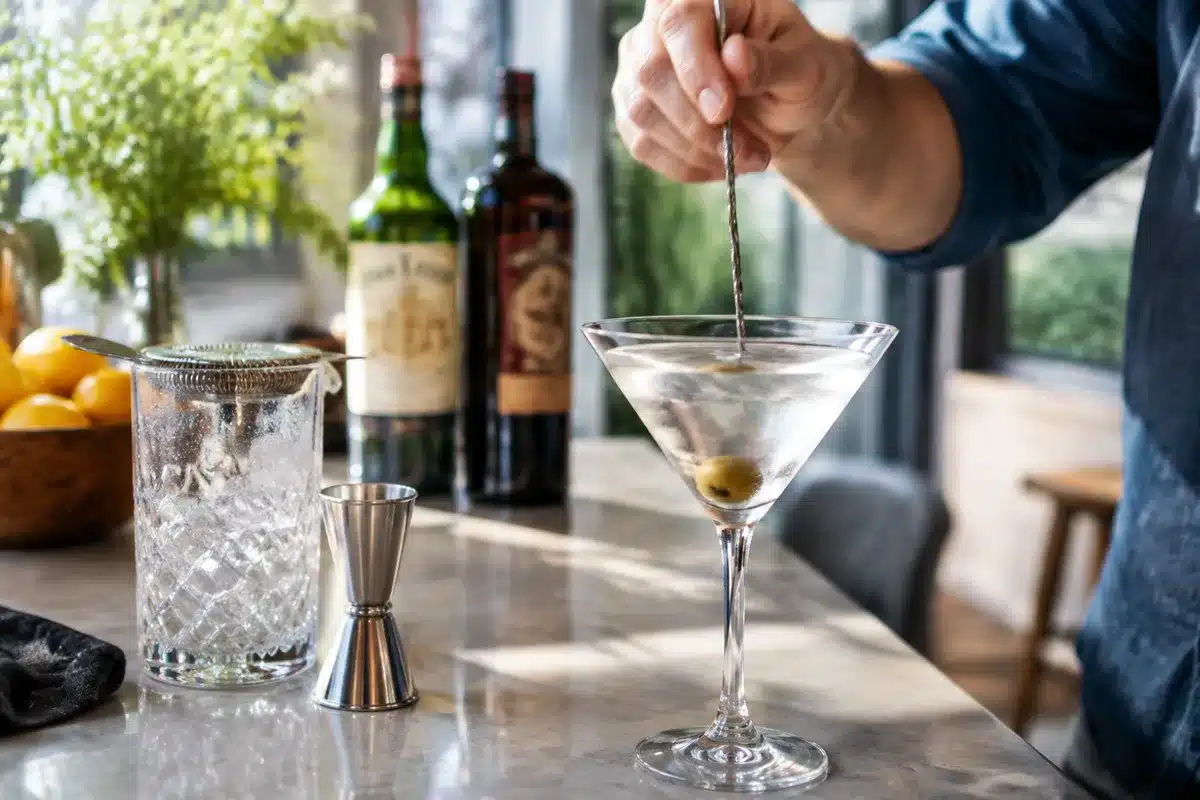
Use the stirring method to preserve clarity and texture. Strain into a rocks glass over a large ice cube and finish with a twisted orange peel to lift aromatics. Small touches like a rinse of port on the peel or an extra dash of orange bitters can enhance nuance without overpowering the core trio.
| Ingredient | Proportion (Typical) | Tasting Role |
|---|---|---|
| Gin | 30 ml | Botanical backbone, juniper clarity |
| Campari or similar | 30 ml | Bitter structure, citrus peel notes |
| Tawny port | 30 ml | Sweetness, dried fruit, toasted nuts |
What tips improve the final drink?
Quality of ingredients matters more than complexity of technique. Choose a gin with clear botanical notes that won’t be masked by the port, and select a tawny port with balanced sweetness and acidity. Use a large crystal-clear ice cube to limit over-dilution while keeping the drink cold and visually appealing.
Small adjustments can refine the profile if vous prefer a drier or more bitter version. Reduce the port by 5–10 ml for more bite, or increase it slightly for a rounder mouthfeel. Garnish thoughtfully; an expressed orange twist complements the port’s dried fruit while maintaining the Negroni’s citrus heritage.
- Stir for about 20–30 seconds to reach target dilution.
- Consider barrel-aged or Old Tom gins for a richer result.
- Try an aged tawny for dessert-style service and a younger tawny for daytime sipping.
Why choose tawny port over sweet vermouth?
Tawny port brings oxidative maturation flavors that sweet vermouth cannot match, such as toasted almond, dried fig, and subtle caramel. These notes create a layered sweetness that feels less cloying than many fortified or aromatized wines. The port’s finish can also leave a warmer impression that works well in cooler months or alongside richer dishes.
From a mixology standpoint, swapping port changes the cocktail’s texture and aromatic focus without dismantling its structure. The bitter-sweet equilibrium remains, while the port adds vinous weight and a lengthened finish. This makes the Tawny Negroni a versatile choice for food pairing and for drinkers who appreciate a softer sweetness profile.
A tasting note you might observe is how the gin’s botanicals interplay with the port’s oxidative notes to create an integrated palate experience. For those experimenting at home or behind the bar, tasting different tawny ages side by side reveals useful contrasts and helps you select the bottle that best fits your intended result.

Andrew Cole focuses on everyday drinks, from warm comfort beverages to refreshing options. His writing emphasizes balance, clarity, and ease of preparation.