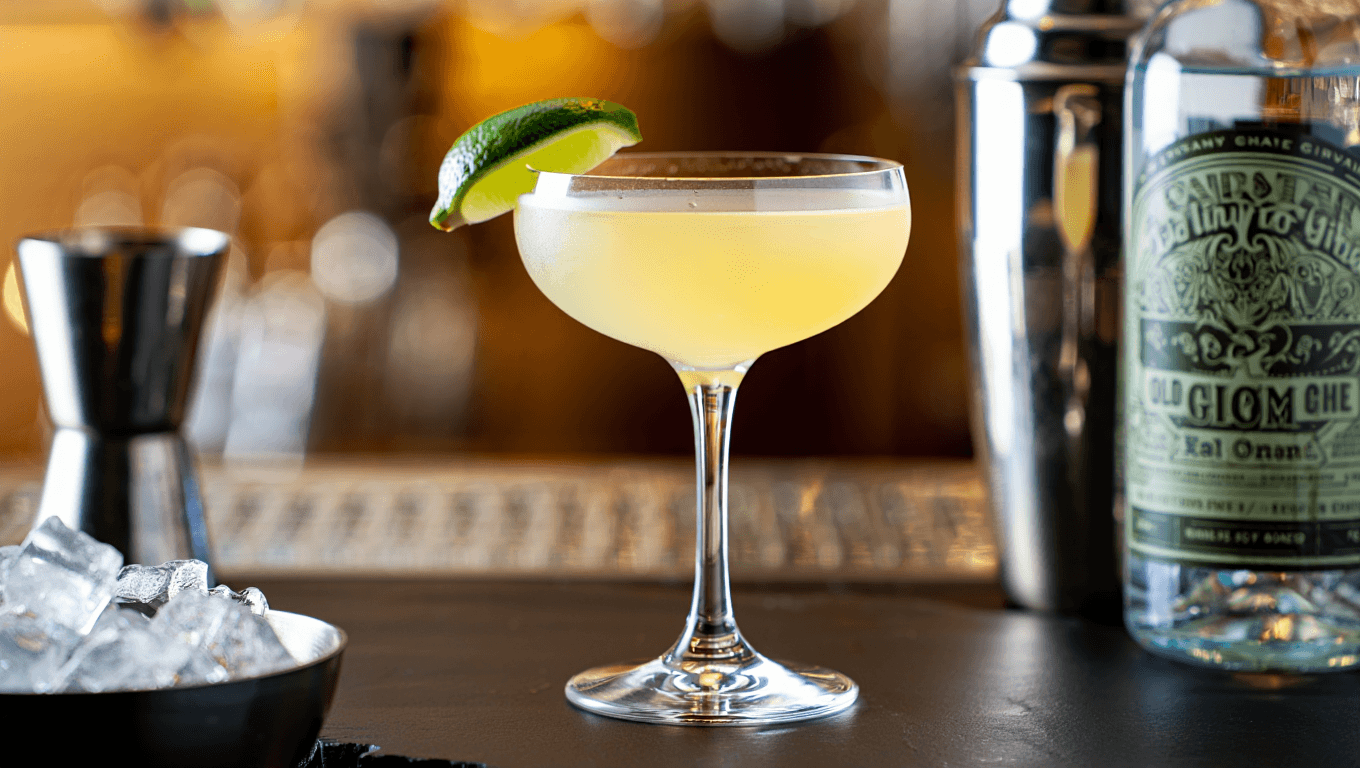
The Gillette Chicago Style stands as a refined example of an early gin sour, simple in composition yet precise in technique. This vintage cocktail highlights Old Tom gin and fresh lime, delivering a dry, spirit-forward profile that many consider a direct ancestor of the modern gimlet. Professionals and home bartenders alike will appreciate how a few measured ingredients transform into a glassable classic when chilled, stirred, and finished with an aromatic twist.
What ingredients make a Gillette Chicago Style?
How to make a Lucky Lily margarita: spicy tequila and pineapple cocktail recipe
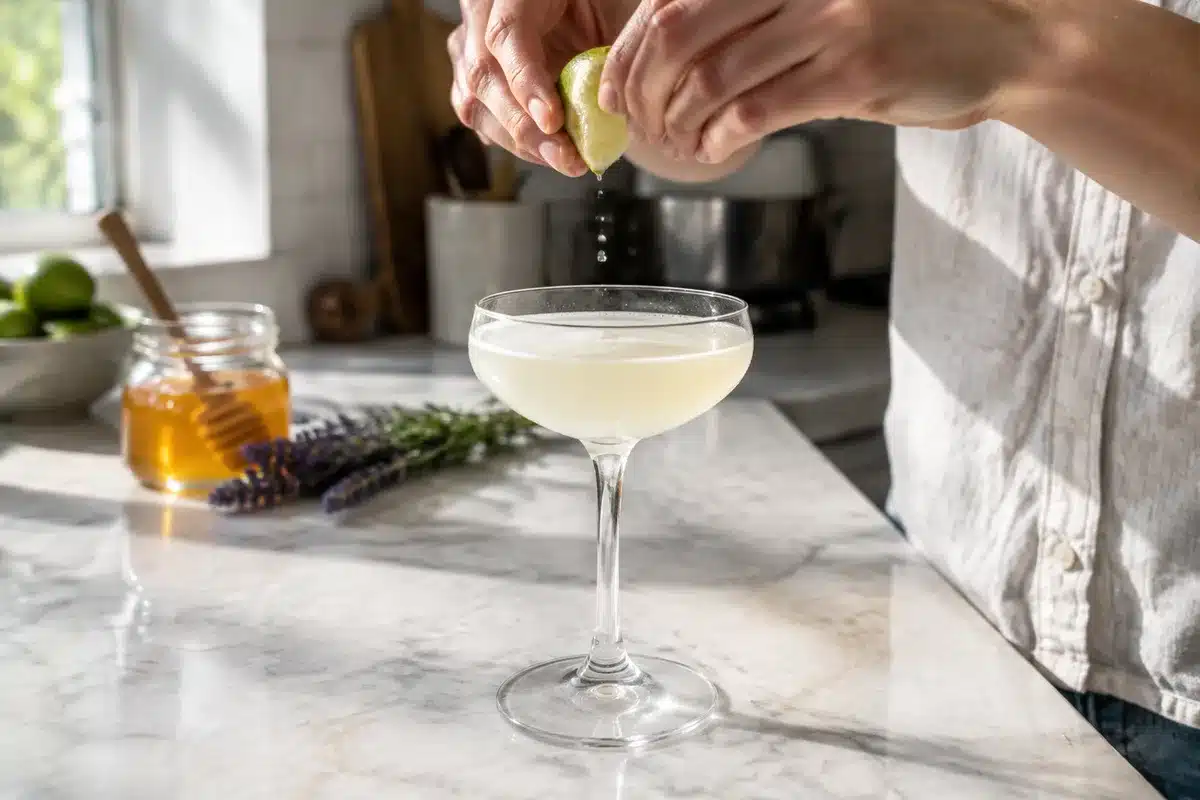
Lavender and honey daiquiri recipe: easy floral cocktail
The recipe is deliberately spare: a generous pour of Old Tom gin, a small measure of freshly squeezed lime juice and a touch of rich sugar syrup. Use Hayman’s Old Tom or a similar style of gin if you want the original rounded sweetness and botanical depth. A couple of drops of saline solution are optional and can sharpen the flavours without adding perceptible saltiness.
Quantities matter when a drink is this minimal. Precise volumes keep the balance between spirit, acid and sweetness, so weigh or measure where possible. If vous are scaling for a party, multiply the recipe and store in a chilled pitcher before stirring with ice.
Below is a quick reference table for measurements and common substitutions to help you adapt the drink for personal taste or bar inventory.
| Ingredient | Metric | US fl oz (approx) | Notes |
|---|---|---|---|
| Old Tom gin | 70 ml | 2.4 fl oz | Use Old Tom for slight sweetness; London Dry will be drier |
| Fresh lime juice | 15 ml | 0.5 fl oz | Always freshly squeezed for brightness |
| Rich sugar syrup (2:1) | 7.5 ml | 0.25 fl oz | 2 parts sugar to 1 part water; thicker than simple syrup |
| Saline solution | 2 drops (optional) | — | 20 g sea salt to 80 g water; use sparingly |
How should this cocktail be prepared?
Begin by selecting and pre-chilling a coupe glass so the drink maintains its temperature after straining. Place the measured gin, lime juice and rich syrup into a mixing glass with plenty of ice. Stir gently until the mixing glass feels cold to the touch, typically about 20–30 seconds, which both chills and dilutes the drink correctly.
Strain the chilled mixture into the pre-chilled coupe using a fine strainer to remove any small ice chips. If you added saline, incorporate it into the mixing stage so it integrates evenly. Express a lime zest over the surface and drop the twist into the glass for aroma and presentation.
For service at scale, prepare a stirred batch and keep it chilled, then give each portion a short stir with fresh ice before straining to ensure consistent dilution and temperature. Small technique details like ice quality and stirring pace make a marked difference in the final sip.
Which glass and garnish suit this drink?
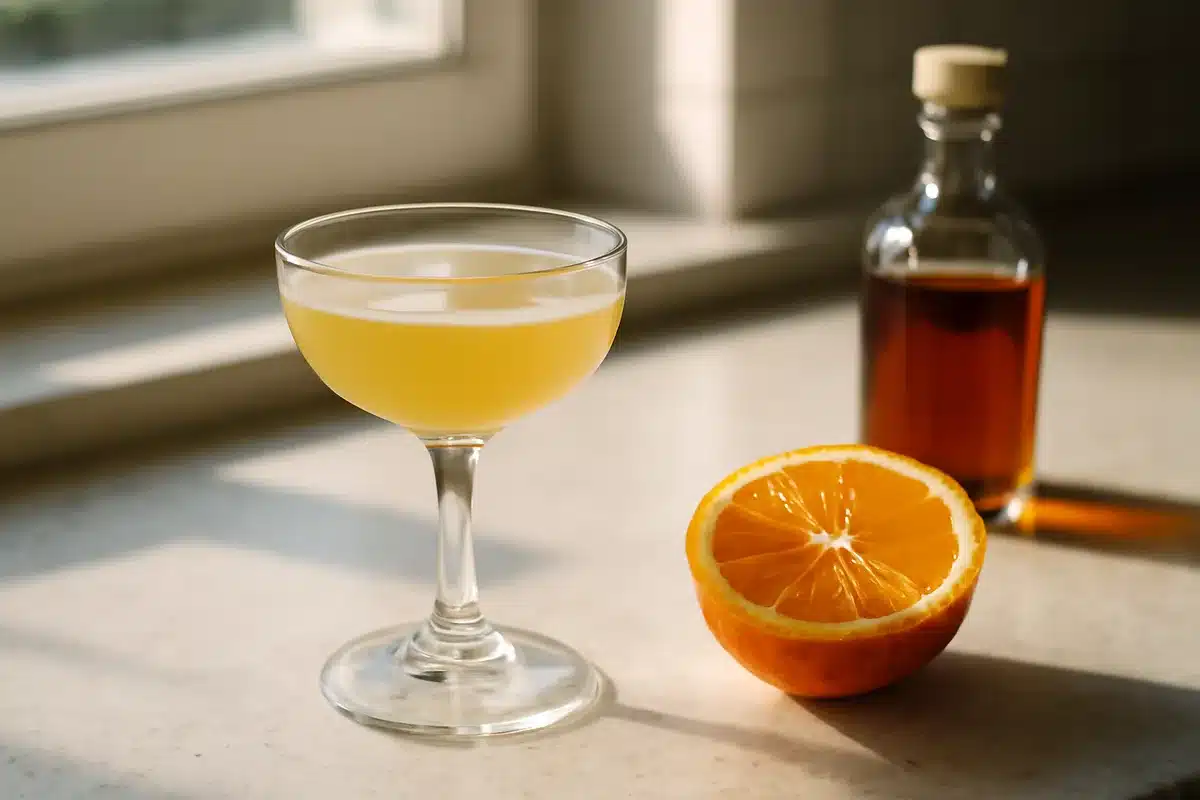
The classic presentation calls for a coupe glass which supports the drink’s elegant, no-foam profile and concentrates aromatic oils under the rim. Chilling the glass ahead prevents rapid warming and helps the drink retain its intended structure. A cocktail or coupe glass also signals the drink’s lineage to other pre-Prohibition sours.
Garnish should remain simple and purposeful. Expressing a lime twist over the surface releases essential oils that complement the lime juice and botanicals in the gin. Avoid busy garnishes that compete with the spirit-forward character; the twist is subtle but decisive.
What does the Gillette Chicago Style taste like and how strong is it?
This cocktail leans toward the dry and boozy end of the sour family, with the Old Tom gin offering gentle sweetness and a botanical backbone. The lime juice adds crisp acidity, while the rich syrup rounds the edges without making the drink cloying. A trace of saline can enhance perceived dryness and lift the aromatics.
Alcohol by volume for a standard serving is roughly 24.6% ABV, which equates to about 1.6 standard drinks and near 173 calories per serving. The weight of pure alcohol in a portion approaches 23 grams, so moderation matters for multiple rounds.
Pair the glass with light hors d’oeuvres or salty snacks that echo the saline accent and cut through the spirit intensity. Service temperature, ice dilution and glassware all shape how the cocktail presents itself on the palate.
Where did the Gillette Chicago Style originate?
The drink traces back to early 20th century bartending and is adapted from a recipe published by Tom Bullock in 1917. His version used an Old Tom style gin, bar sugar, and lime, stirred with ice and strained into a cocktail glass, reflecting the period’s preference for stirred spirit-forward sours. Modern bartenders have preserved the essence while refining proportions and garnish.
The Gillette Chicago Style sits historically as a bridge between classic gin sours and later gimlet variations. Its simplicity makes it a useful teaching example when discussing balance and technique in vintage cocktails. Many contemporary bars revive this formula to showcase traditional gin styles and precise stirring methods.
- Bar tip Use large, clear ice for slower dilution while stirring.
- Flavor tweak Swap Old Tom for London Dry if you prefer a crisper, more juniper-forward result.
- Batching Multiply the recipe by the number of servings and keep chilled; stir each portion briefly before serving.

Andrew Cole focuses on everyday drinks, from warm comfort beverages to refreshing options. His writing emphasizes balance, clarity, and ease of preparation.