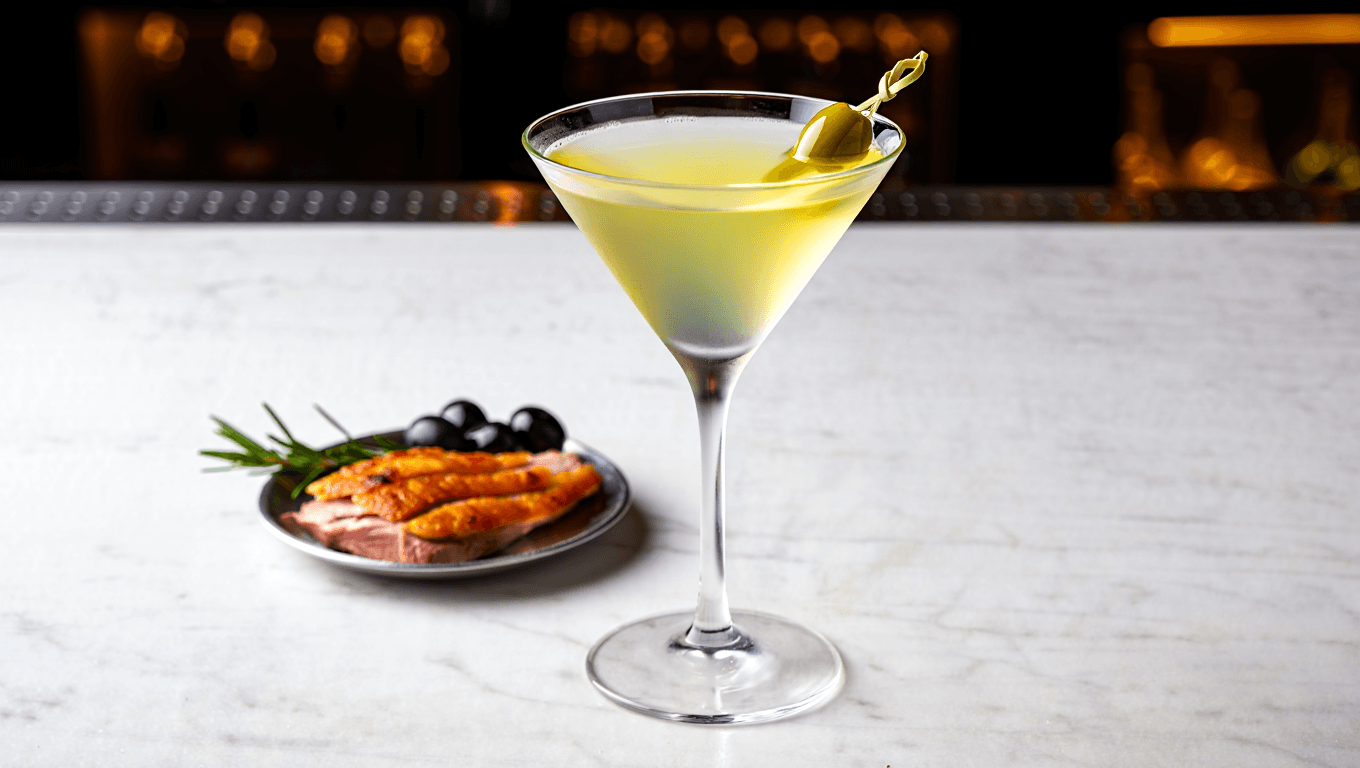
The Roasted Duck Dirty Vodkatini reinvents the classic martini with a savory twist that lingers long after the last sip. This bold cocktail blends chilled vodka, olive brine, a touch of dry vermouth and an unexpected roasted duck fat wash for an umami edge that intrigues both bartenders and adventurous drinkers. Ingredients are simple, but technique matters when you aim for a balanced, silky texture and a well-chosen garnish. Readers searching for unique martini variations and cocktail recipes will find practical guidance here for recreating the drink at home or behind the bar.
Which ingredients make up a Roasted Duck Dirty Vodkatini?
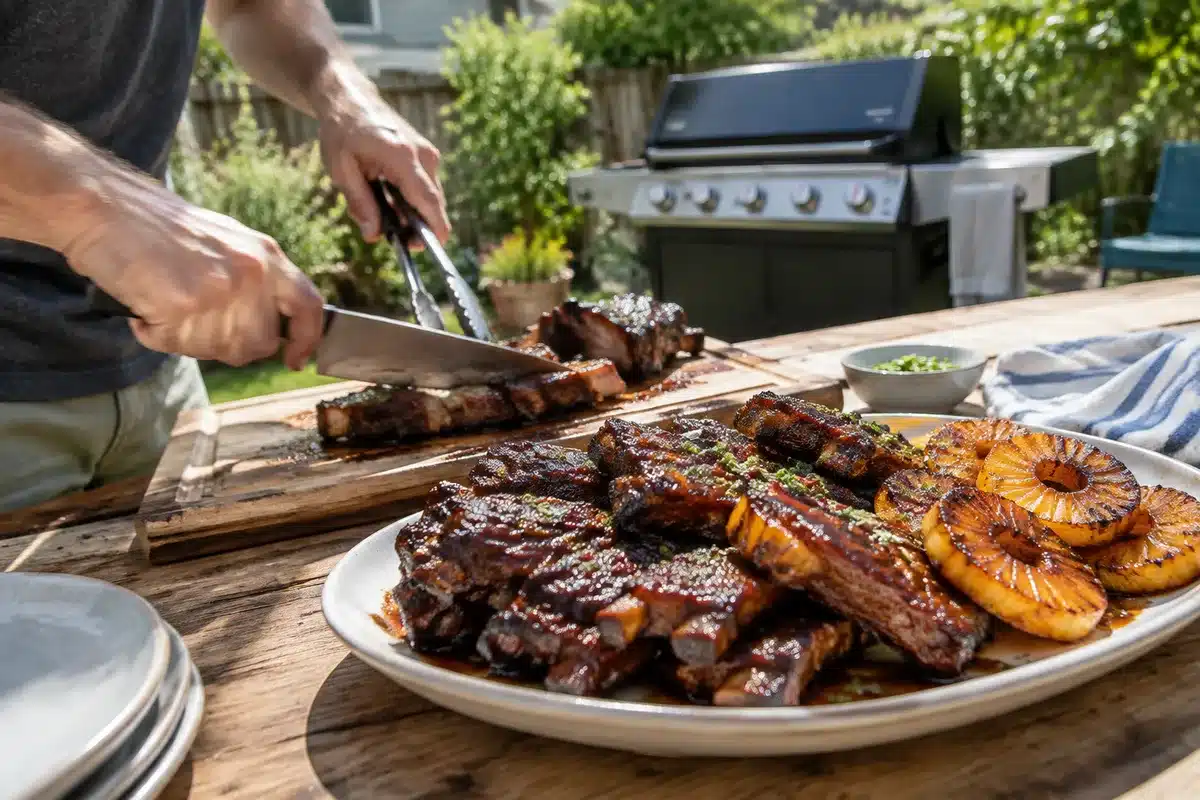
How to make a Lucky Lily margarita: spicy tequila and pineapple cocktail recipe
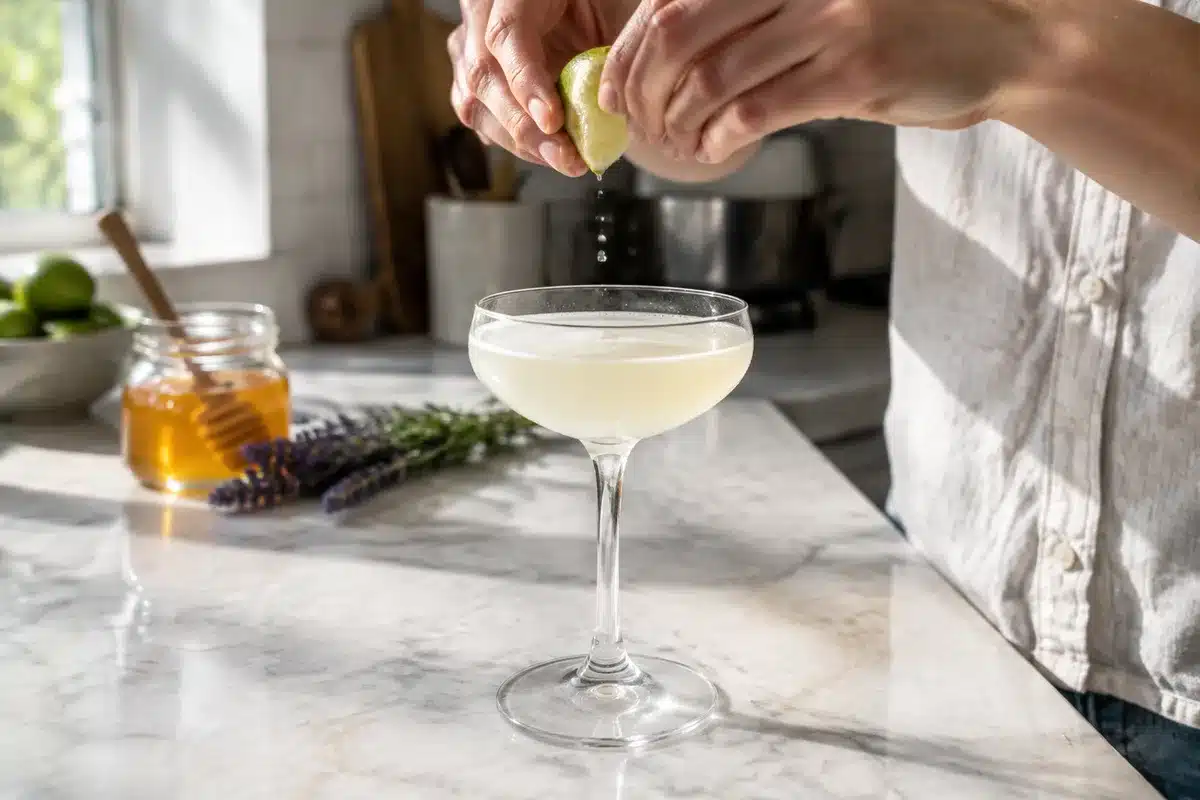
Lavender and honey daiquiri recipe: easy floral cocktail
The signature components remain vodka and olive brine like a traditional Dirty Martini, but this version adds a small measure of dry vermouth and a few dashes of a roasted duck fat wash for depth. Use a high-quality vodka chilled in the freezer to keep the mix clean and bright. Measure precisely so the savory notes complement rather than overwhelm the spirit.
Below is a compact ingredient table you can reference while shopping or scaling the recipe. Substitute brands to suit availability, but keep the proportions similar to maintain balance.
| Ingredient | Amount | Notes |
|---|---|---|
| Vodka (e.g., Ketel One) | 75 ml | Chilled from freezer |
| Green olive brine | 10 ml | Chilled; adjusts ‘dirtiness’ |
| Dry vermouth | 5 ml | Chilled; use a quality brand |
| Roasted duck fat wash | 3 dashes | Adds savory umami; use sparingly |
Garnish typically features a skewered green olive and a baby pickled onion for a contrasting bite and visual appeal. Adjust the brine quantity if vous prefer a milder or bolder dirty character.
How should you prepare and mix the cocktail?
Select and pre-chill a coupe glass so the drink stays cool without dilution. Prepare the garnish by threading a green olive and a baby onion onto a pick. Keep all liquid ingredients chilled to reduce melting when you stir with ice.
Fill a mixing glass with fresh ice and add vodka, olive brine, dry vermouth and the roasted duck fat wash. Stir gently for about 20–30 seconds until the liquid is well chilled and slightly viscous. Strain into the chilled coupe and finish with the skewered olive and onion on the rim or laid across the glass.
What flavor profile can you expect and what pairs well with it?
This cocktail reads as decidedly savory with a clean vodka backbone and saline notes from the olive brine. The roasted duck fat wash contributes a subtle roasted, meaty richness without making the drink greasy when used sparingly. Vermouth adds an aromatic dryness that keeps the finish lifted rather than cloying.
Food pairings that work especially well include smoked fish, charcuterie with aged cheeses, and dishes featuring roasted or gamey flavors. Vous may also serve the Vodkatini alongside olives, cornichons and savory tapas to emphasize the briny elements.
When hosting, present the cocktail as a palate-cleansing aperitif before hearty mains, or offer it as a statement drink for an intimate tasting menu where savory cocktails complement the food.
Are there allergens or nutrition details to consider?
Certain ingredients contain allergens you should disclose to guests. Dry vermouth may include sulphur dioxide/sulphites, and the roasted duck fat wash obviously derives from meat. Communicate these elements clearly if serving to a group.
Nutritionally, one serving of this Roasted Duck Dirty Vodkatini is estimated at 185 calories. Alcohol content equates roughly to 1.7 standard drinks, about 26.8% alc./vol., and 24.4 grams of pure alcohol per serving. Treat those numbers as approximations for menu labeling or personal tracking.
Who created this recipe and where did it originate?
The Roasted Duck Dirty Vodkatini is adapted from a recipe developed in 2026 by Brandon Pinkins of The Cocktail Lab in Rochester, New York. The idea grew from bartenders experimenting with fat washes and savory modifiers to push the boundaries of martini-style cocktails.
For bartenders and home mixologists looking to explore similar flavour directions, consider experimenting with other fat washes, different olive brines or small changes to vermouth to create your own signature variation. Below are quick suggestions for further experimentation:
- Try a lemon-thyme duck fat wash for a more herbaceous finish
- Swap green olive brine for a garlic or anchovy infusion for extra umami
- Adjust vermouth down or up to shift the drink from dryer to more aromatic

Andrew Cole focuses on everyday drinks, from warm comfort beverages to refreshing options. His writing emphasizes balance, clarity, and ease of preparation.