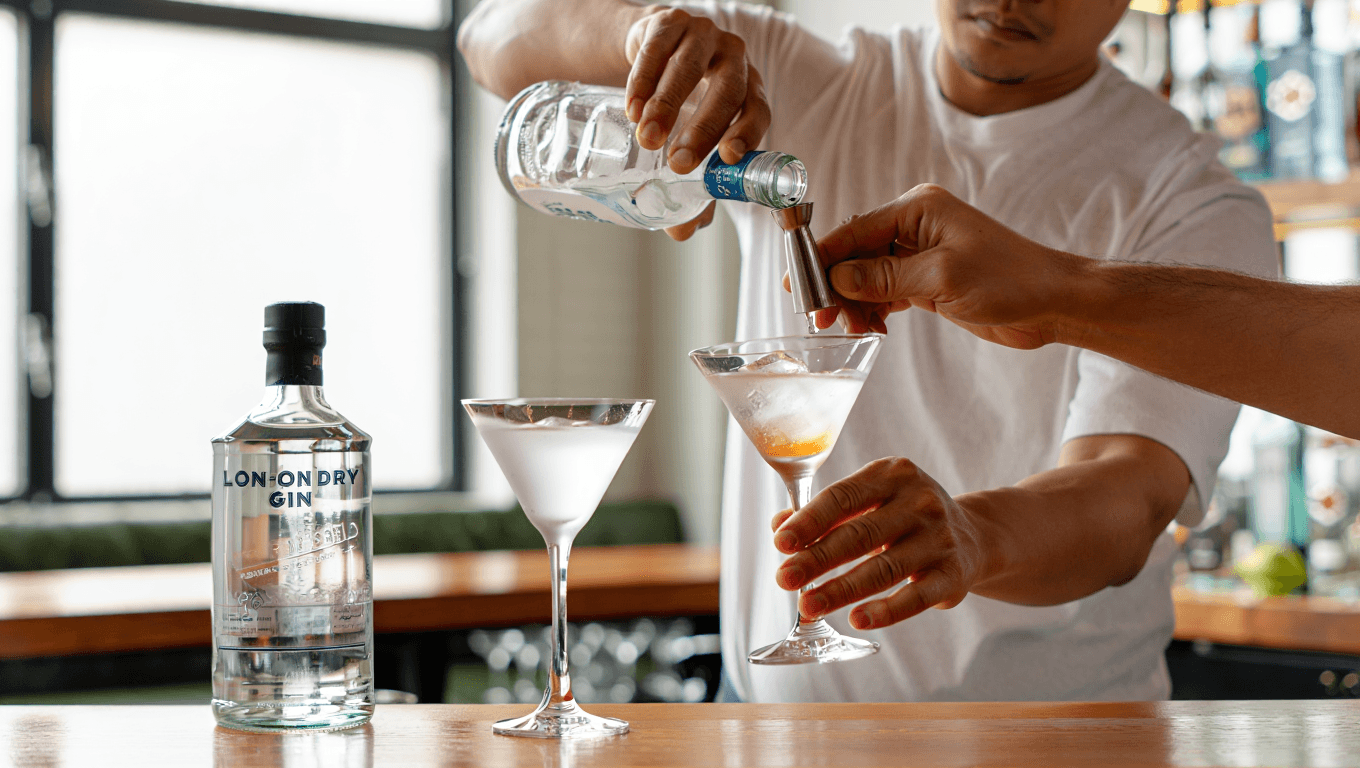
Gentle, brisk and deceptively simple, the Wet Martini refreshes the classic gin cocktail by leaning into a higher vermouth ratio that softens the spirit and opens up aromatic nuance. This version, often called a 2:1 Martini, pairs chilled London Dry gin with dry vermouth and an optional dash of orange bitters to highlight citrus and herbal notes. Home bartenders and professionals both appreciate how small adjustments to temperature, dilution and garnish change the character of the drink. Expect a crisp, aromatic serve that rewards patience at the mixing glass.
What defines a Wet Martini compared with a Dry Martini?
How to make a wet martini (2:1 gin to vermouth)?
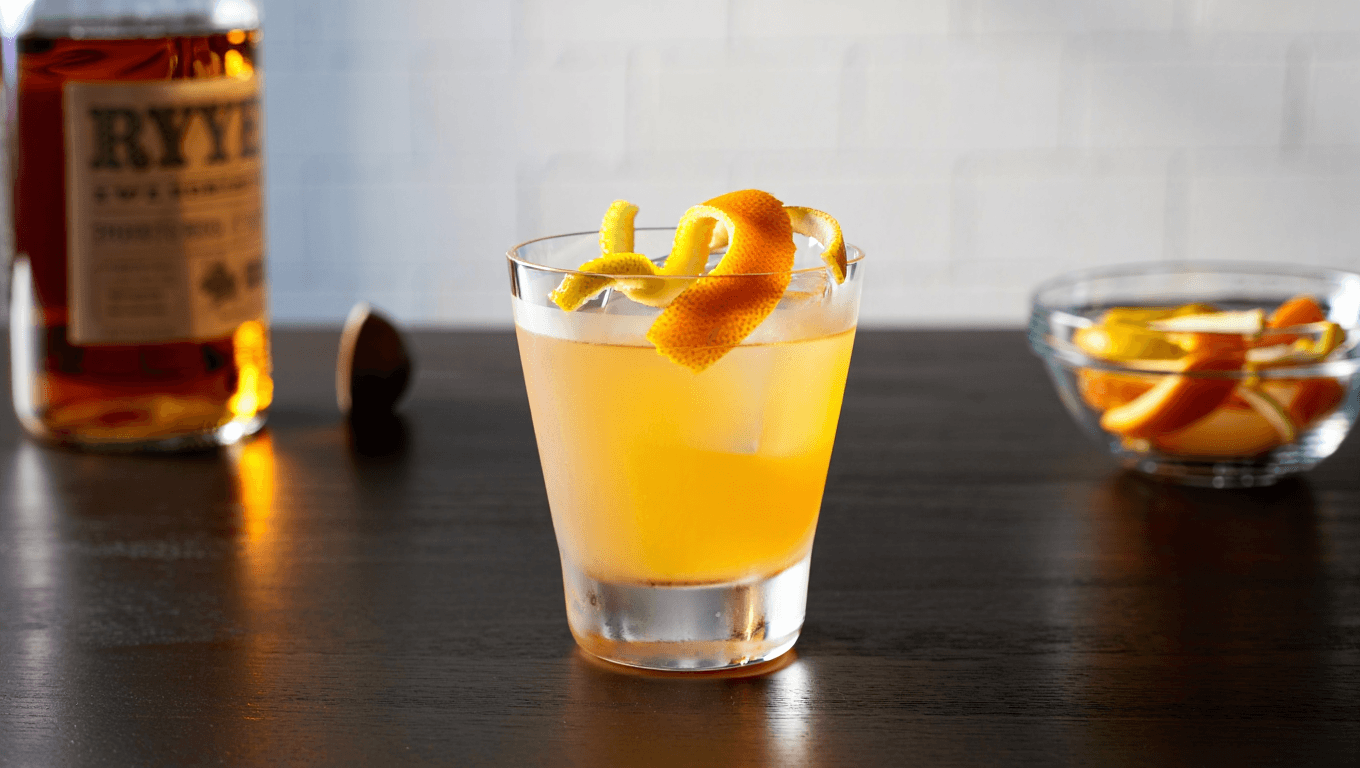
The Saint cocktail: a Brown Derby riff bourbon sour with citrus and ginger
A Wet Martini increases the proportion of vermouth compared with the much drier variants that flirt with just a rinse or a whisper of vermouth. The effect brings out softer herbal and floral facets that balance the gin’s juniper and citrus notes. This profile suits anyone who seeks a less austere, more approachable gin cocktail without sacrificing refinement.
The 2:1 ratio means you use twice as much gin as vermouth which produces a cocktail that still reads as gin-forward but not aggressively so. Bartenders often call this proportion a “wet” Martini because the vermouth presence is clearly felt in the nose and the mouth. Subtle choices like using a gin from the freezer or chilling the vermouth will noticeably change texture and temperature.
Which ingredients and measures make up the 2:1 Wet Martini
Below is a practical ingredients guide for one serving of the Wet Martini, reflecting the classic 2:1 ratio and optional additions that bartenders commonly use. Quantities and serving notes are included so vous can reproduce the recipe consistently at home.
| Ingredient | Amount | Notes |
|---|---|---|
| London Dry Gin | 60 ml | Preferably chilled or stored in the freezer |
| Dry Vermouth | 30 ml | Well chilled |
| Orange Bitters | 2 dashes | Optional, for citrus lift |
Choose quality ingredients because this cocktail exposes both strengths and faults in the base spirit and vermouth. A modest tweak in vermouth brand or gin style will lead to noticeable differences in aroma and finish.
How should you prepare and assemble a proper Wet Martini?
Begin by chilling a Martini glass thoroughly so the drink stays cold longer and exhibits a cleaner texture. Prepare garnish options such as a lemon twist and/or a skewered green olive according to personal preference. Keep all components as cold as possible without freezing the vermouth solid.
- Fill a mixing glass with plenty of ice and add 60 ml gin, 30 ml dry vermouth and two dashes orange bitters if using.
- Stir gently for 20–30 seconds to achieve proper dilution and silky integration of flavors.
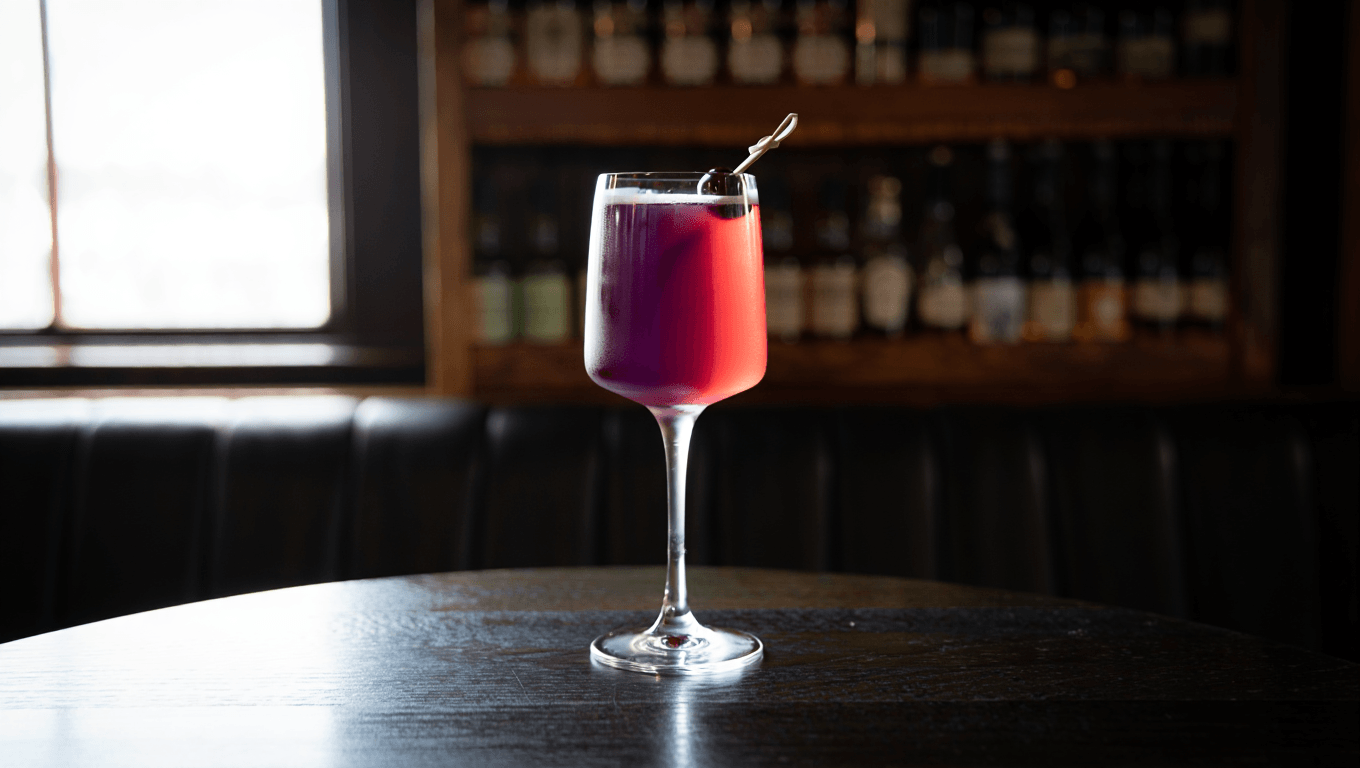
- Fine strain into the chilled Martini glass and finish with either an expressed lemon twist or a chilled olive on a cocktail pick.
Stirring rather than shaking keeps the texture smooth and the drink crystal clear. If vous prefer a slightly brighter nose, express lemon oil over the surface; for a rounder mouthfeel select a large, firm green olive.
Which allergens and nutritional facts are relevant?
This recipe contains dry vermouth which may include sulphur dioxide and sulphites used as preservatives. Anyone with sulphite sensitivity should avoid vermouth or choose a specialised sulphite-free alternative. Other typical allergens are not present unless you add a garnish or an ingredient that introduces them.
| Item | Value per serving |
|---|---|
| Calories | 167 kcal |
| Alcohol content | 26.3% alc./vol (approx) |
| Standard drinks | 1.7 |
Values are estimates and will vary by exact brands and pour accuracy. When you serve this cocktail be mindful of strength and pace for guests who might prefer lighter options.
What serving tips and variations elevate the Martini experience?
Small adjustments deliver big sensory shifts in a Martini. Try freezing your gin for a silkier mouthfeel while keeping the vermouth chilled but not frozen, and taste how the aromatics open with minimal dilution. Experiment with different vermouths to find a complementary herbal profile that matches the gin.
Consider these simple variations to refine the drink for different occasions and palates.
- Increase vermouth to create a wetter, more aromatic experience.
- Swap lemon twist for a large cocktail olive for salt and oiliness.
- Add a dash of orange bitters to brighten the finish.
Who made the Martini famous and what are a few historical notes?
The Martini evolved across bars and clubs in the late 19th and early 20th centuries and rose to iconic status thanks to both American cocktail culture and cinematic portrayals. It became a symbol of modern sophistication, with endless reinterpretations by bartenders and enthusiasts. Notable figures and royals have been associated with the drink, which only added to its mystique and ongoing popularity.
Over time, the balance of gin and vermouth moved between extremes of “dry” and “wet,” giving rise to named ratios such as the 2:1 Wet Martini. Each generation of bartenders refines technique and presentation, but the essential principles of temperature, proportion and high-quality ingredients remain constant.

Andrew Cole focuses on everyday drinks, from warm comfort beverages to refreshing options. His writing emphasizes balance, clarity, and ease of preparation.