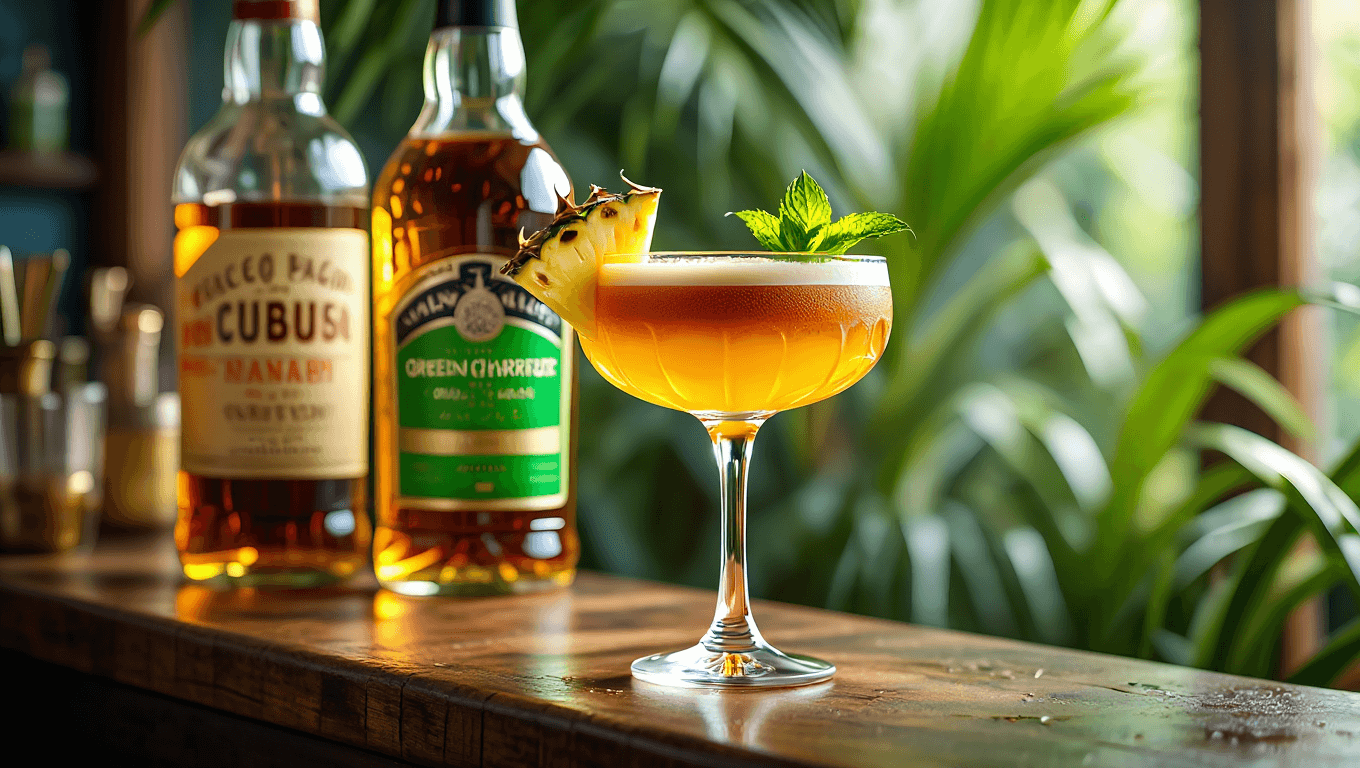
The Pago Pago cocktail pairs bright tropical fruit with a surprising layer of herbal chocolate, producing a refined take on the pineapple daiquiri. This rum-forward recipe highlights fresh pineapple, aged Cuban rum and a touch of Green Chartreuse for complexity while remaining easy to prepare at home. Readers searching for a sophisticated tiki-adjacent drink or a refreshing summer serve will find practical steps, ingredient swaps and presentation tips below.
What exactly is the Pago Pago cocktail?
How to make an aged honey daiquiri: rum cocktail recipe and flavor tips
Mint and basil pesto recipe: easy homemade pesto with fresh herbs
The Pago Pago is a vintage-style tropical cocktail that resembles a pineapple daiquiri but carries herbal and chocolate notes from two liqueurs. Its spirit base sits squarely on aged rum, which anchors the bright sweetness of pineapple and fresh lime. Bartenders who favor balanced fruit-forward serves appreciate how the Chartreuse and crème de cacao add depth without overwhelming the fruit.
Historically this drink appears in mid-20th century recipe collections and has been revived by modern mixologists who like its layered flavor. Expect a medium-strength cocktail that drinks smoother than its ingredient list might suggest.
Which ingredients and exact measures will you need?
Gather fresh produce and quality spirits for the best results. Use a good aged rum, freshly squeezed lime, and either fresh pineapple or high-quality pineapple juice chilled for convenience. Green Chartreuse provides an unmistakable herbal profile while white crème de cacao contributes a subtle cocoa sweetness.
| Ingredient | Measure |
|---|---|
| Fresh pineapple wedges | 3 wedges |
| Havana Club Añejo 7 Años or aged rum | 45 ml |
| Green Chartreuse or herbal liqueur | 10 ml |
| Giffard White Crème de Cacao | 10 ml |
| Chilled pineapple juice | 10 ml |
| Fresh lime juice | 15 ml |
Substitutions and small adjustments help when you lack a specific bottle or fresh fruit. Replace Green Chartreuse with another complex herbal liqueur if needed, and use 20 ml pineapple juice in place of 3 fresh wedges if you do not have ripe fruit. Consider these quick tips for equipment and garnish.
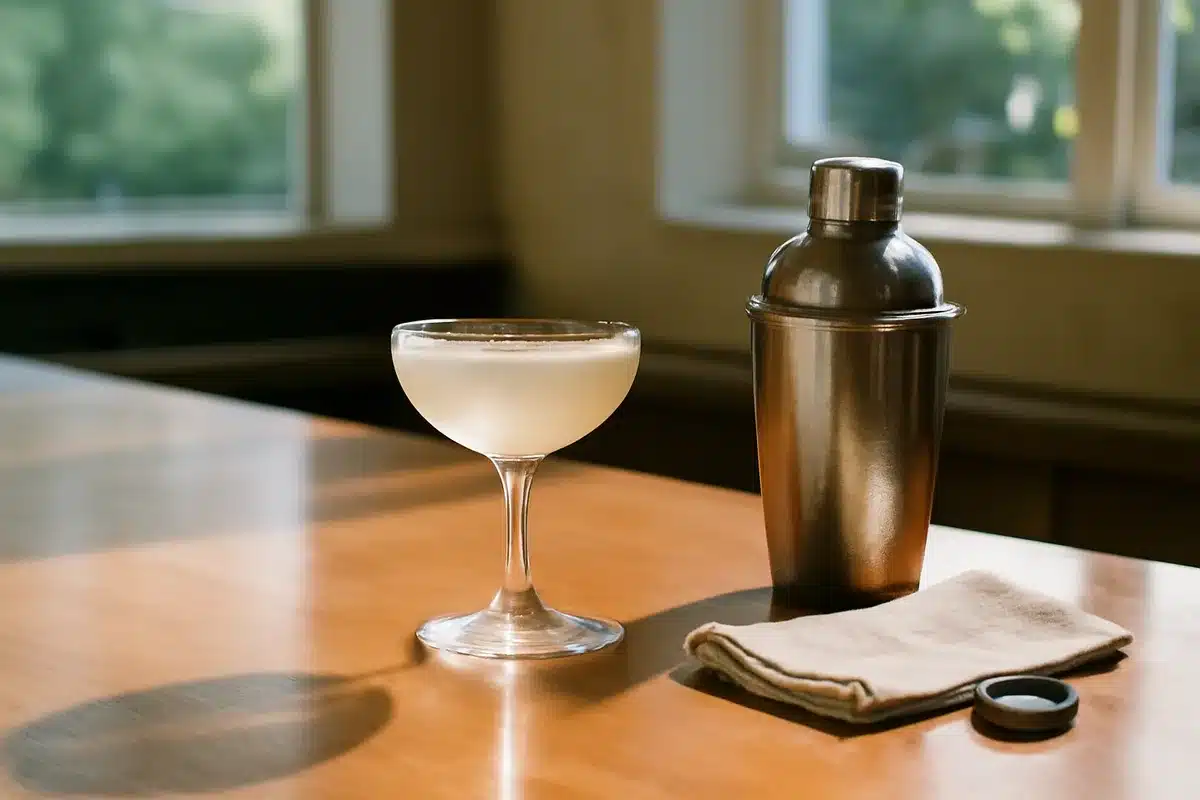
- Glassware and garnish: chill a coupe glass and prepare a pineapple wedge or an edible flower for a refined finish.
- Tools: shaker, fine strainer, muddler and a citrus press will make the technique straightforward.
How should you prepare and serve the Pago Pago?
Begin by pre-chilling a coupe glass so the drink stays cold without excess ice dilution. Muddle three wedges of fresh pineapple gently in the base of a shaker to release juices and fragrant oils. Add the rum, Green Chartreuse, white crème de cacao, chilled pineapple juice and fresh lime juice over ice.
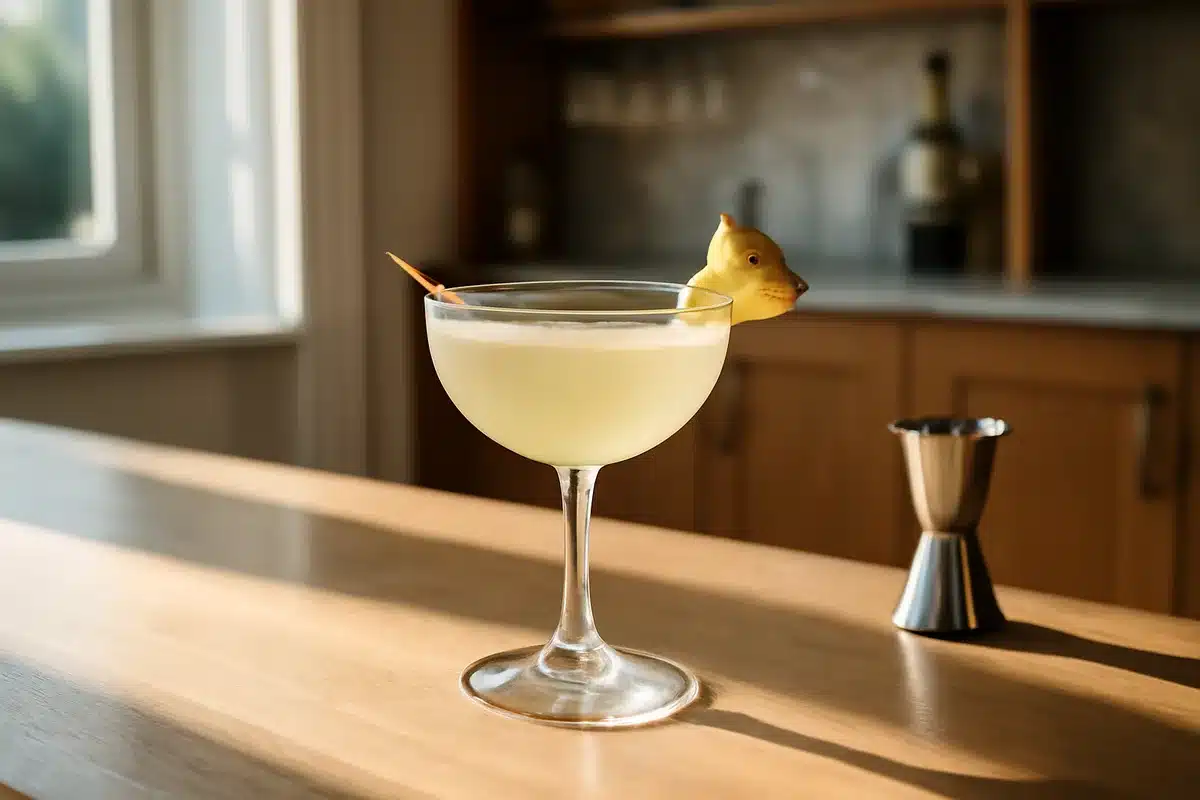
Shake vigorously until the shaker feels very cold to the touch and dilute has reached a balanced level. Use a fine strainer when you pour to remove pineapple fiber and ensure a silky texture in the coupe. Serve immediately and garnish with a pineapple wedge on the rim or float an edible flower for visual impact.
If vous plan to batch for a small gathering, multiply the measures and hold the mixture chilled without ice, then shake individual servings with ice before straining. This preserves freshness and keeps the herbal notes lively.
What strength and flavor profile can you expect and where does this drink come from?
Alcohol presence leans toward the boozy side while still tasting approachable thanks to fruit and balancing liqueurs. A single serving contains roughly 20.5 grams of pure alcohol based on the standard measures, which places it in the moderate-to-strong category. The rum character remains central, offering oak, caramel and warm spice beneath the pineapple.
Taste-wise the cocktail balances sweetness, acidity and herbaceous complexity. Pineapple and lime provide the bright, tangy core while crème de cacao lends soft chocolate notes and Chartreuse contributes an aromatic, slightly medicinal herbal edge.
The Pago Pago name and recipe trace back to classic cocktail books from the early 20th century, adapted through time by enthusiasts and authors who catalogued tropical specialities. Modern interpretations keep the spirit of the original while nudging measurements and garnish toward contemporary preferences.
For variations, try swapping the white crème de cacao for a darker cocoa liqueur if vous want a richer chocolate accent, or reduce Chartreuse slightly for a fruitier, less herbal result. Small changes can shift the drink from refined tiki to a balanced daiquiri-style serve depending on taste.

Andrew Cole focuses on everyday drinks, from warm comfort beverages to refreshing options. His writing emphasizes balance, clarity, and ease of preparation.