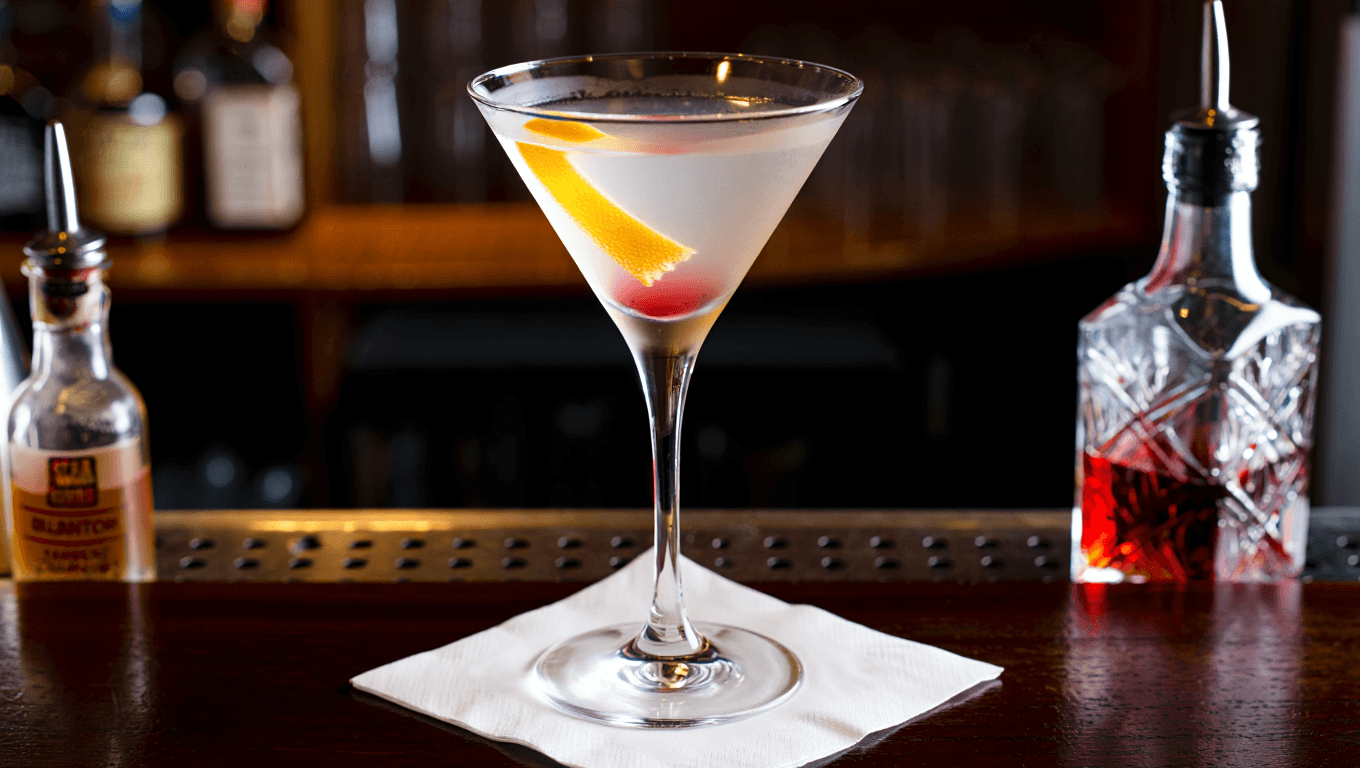
The R.A.C. Cocktail keeps a quiet elegance that appeals to anyone who enjoys a spirit-forward classic with a touch of sweetness. It blends London dry gin with equal parts dry and sweet vermouth, balanced by a whisper of grenadine and an aromatic dash of orange bitters. This recipe works beautifully as an after-dinner sipper or a refined aperitif, and it deserves a place on the menu if you serve classic cocktails. Read on for an accessible recipe, practical tips, and the background that makes this drink a small piece of cocktail history.
Which ingredients create an authentic R.A.C. Cocktail?
How to make a Lucky Lily margarita: spicy tequila and pineapple cocktail recipe
Lavender and honey daiquiri recipe: easy floral cocktail
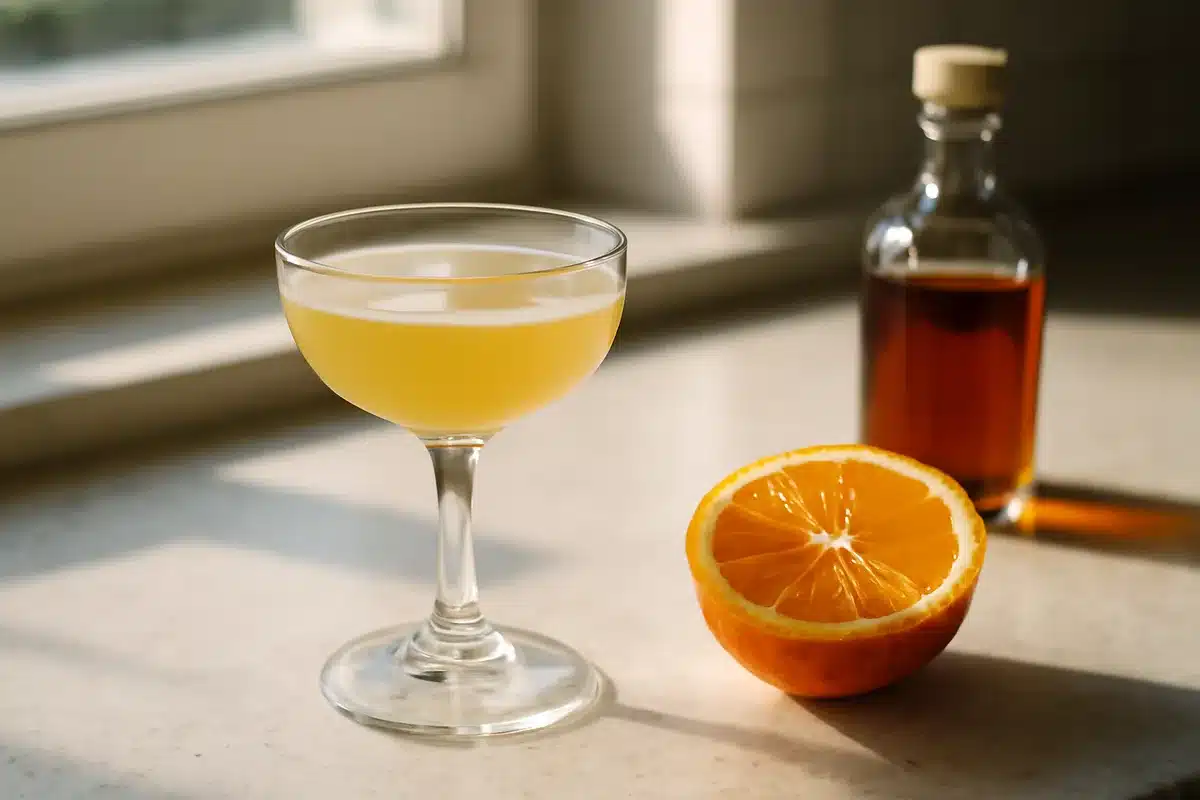
The charm of this cocktail lies in its simple, balanced ingredient list. You will need a quality London dry gin, both a dry vermouth and a sweet/rosso vermouth, a small measure of grenadine or pomegranate syrup and a dash of orange bitters. Precise proportions keep the drink crisp while the grenadine introduces a gentle red note that rounds the profile.
| Ingredient | Measure | Note |
|---|---|---|
| Hayman’s London Dry Gin | 45 ml | well chilled or straight from the freezer |
| Dry vermouth (e.g., Strucchi) | 22.5 ml | chilled |
| Sweet/rosso vermouth (e.g., Strucchi Rosso) | 22.5 ml | chilled |
| Grenadine / pomegranate syrup | 2.5 ml | just a touch for color and sweetness |
| Orange bitters (Angostura) | 1 dash | adds aromatic lift |
Note that the vermouths contribute sulfites if you or your guests are sensitive. Choose chilled bottles and avoid over-diluting the gin by keeping the mixing time focused and efficient. Small adjustments to the grenadine let you tune sweetness without changing the classic balance.
How do you mix and serve this classic?
Choose a coupe or similar stemmed glass and place it in the freezer or chill with ice water before you begin. Prepare a long orange zest and a Luxardo maraschino cherry or equivalent for garnish. Cold glassware keeps the cocktail bright and ensures the right texture on the palate.
- Fill a mixing glass with ice and add all ingredients.
- Stir until the bowl of the mixing glass becomes cold to the touch and gentle dilution is achieved.
- Fine strain into the chilled coupe glass.
- Express the orange zest over the drink, discard the peel, and finish with a maraschino cherry on a pick.
Stirring rather than shaking preserves clarity and a silkier mouthfeel. If you serve a group, you may prepare multiple drinks by scaling the recipe proportionally, but taste before serving to ensure dilution and sweetness remain correct. You will find small timing differences make meaningful changes in texture, so adjust by seconds rather than large steps.
What does the R.A.C. Cocktail taste like and how strong is it?
The flavor sits between dry and sweet with a dominant gin backbone. The vermouths create rounded herbal and fortified-wine notes while the grenadine supplies a soft fruity sweetness and visual warmth. Orange bitters contribute a citrusy spice that lifts the finish without overwhelming the other elements.
| Metric | Value |
|---|---|
| Calories per serving | 168 kcal |
| Alcohol by volume | 22.3% alc./vol. |
| Standard drinks | 1.7 standard glass |
| Pure alcohol | 20.7 g |
Where did the R.A.C. Cocktail originate?
This drink traces back to the Royal Automobile Club in London and carries the club’s initials in its name. Early printed recipes from the 1910s and 1920s attribute the mix to bartenders who worked in private clubs and bars around London, where fortified wines and fine gins were staples. Its straightforward formula made it easy to replicate and keep on menus across Europe.
Writers and recipe collectors in the 1920s and 1930s included the R.A.C. under slightly different directions, but the core components remained the same. Accounts in English and later Japanese bartending books preserved the cocktail as a balanced martini-style variant that adds a single dash of grenadine for color and body. That continuity explains why the drink still reads as both historical and approachable today.
Modern bartenders revive the R.A.C. for its elegant simplicity and adaptability. Small substitutions in vermouth or a different orange bitters can shift the aroma while preserving the original character. If you taste historical cocktails, this one offers a clear, direct window into early 20th century club culture.

Andrew Cole focuses on everyday drinks, from warm comfort beverages to refreshing options. His writing emphasizes balance, clarity, and ease of preparation.