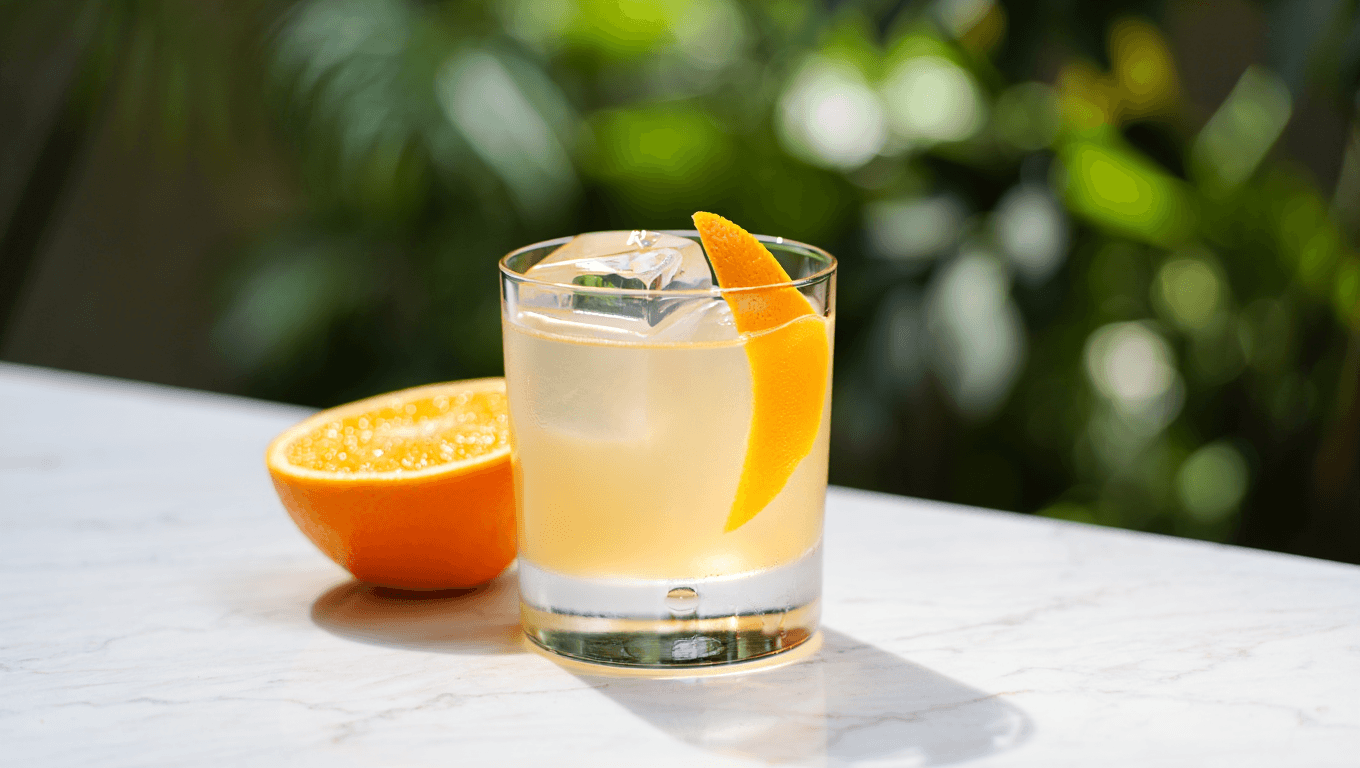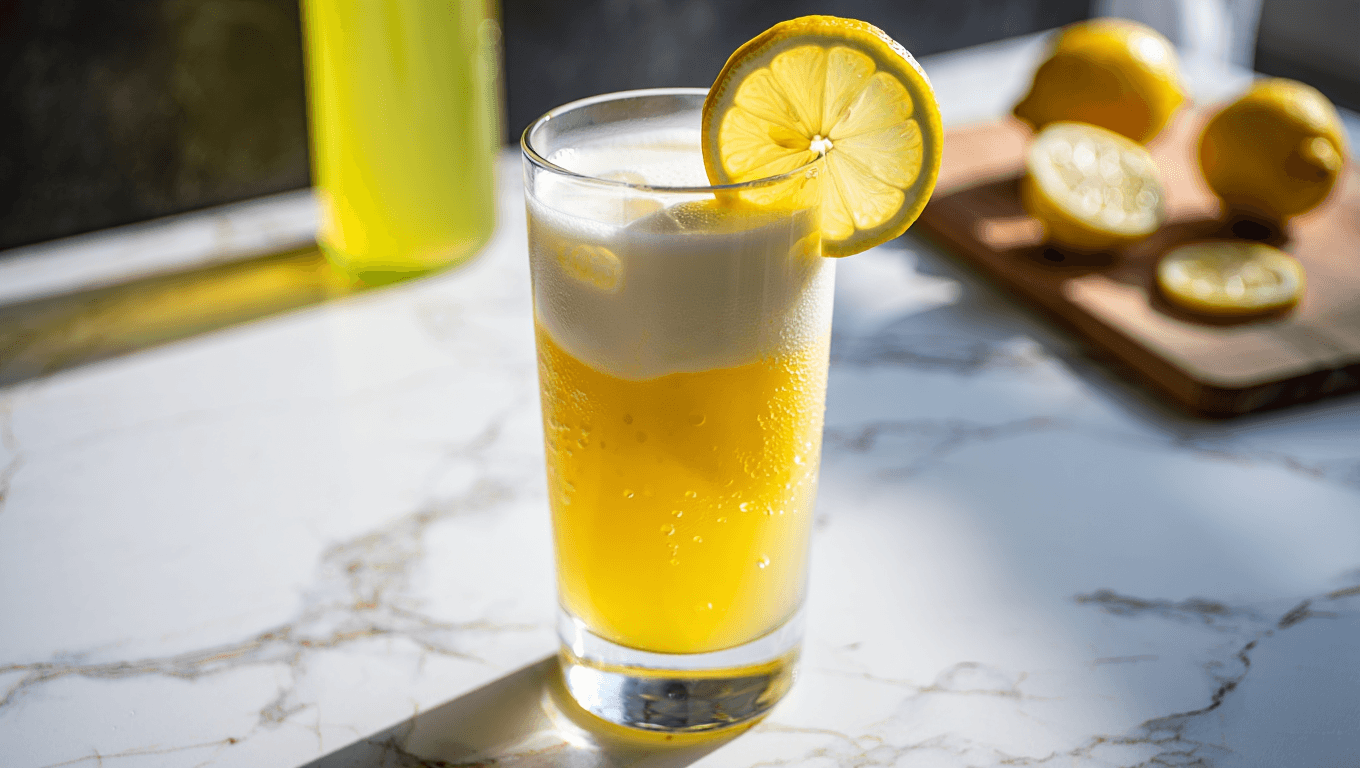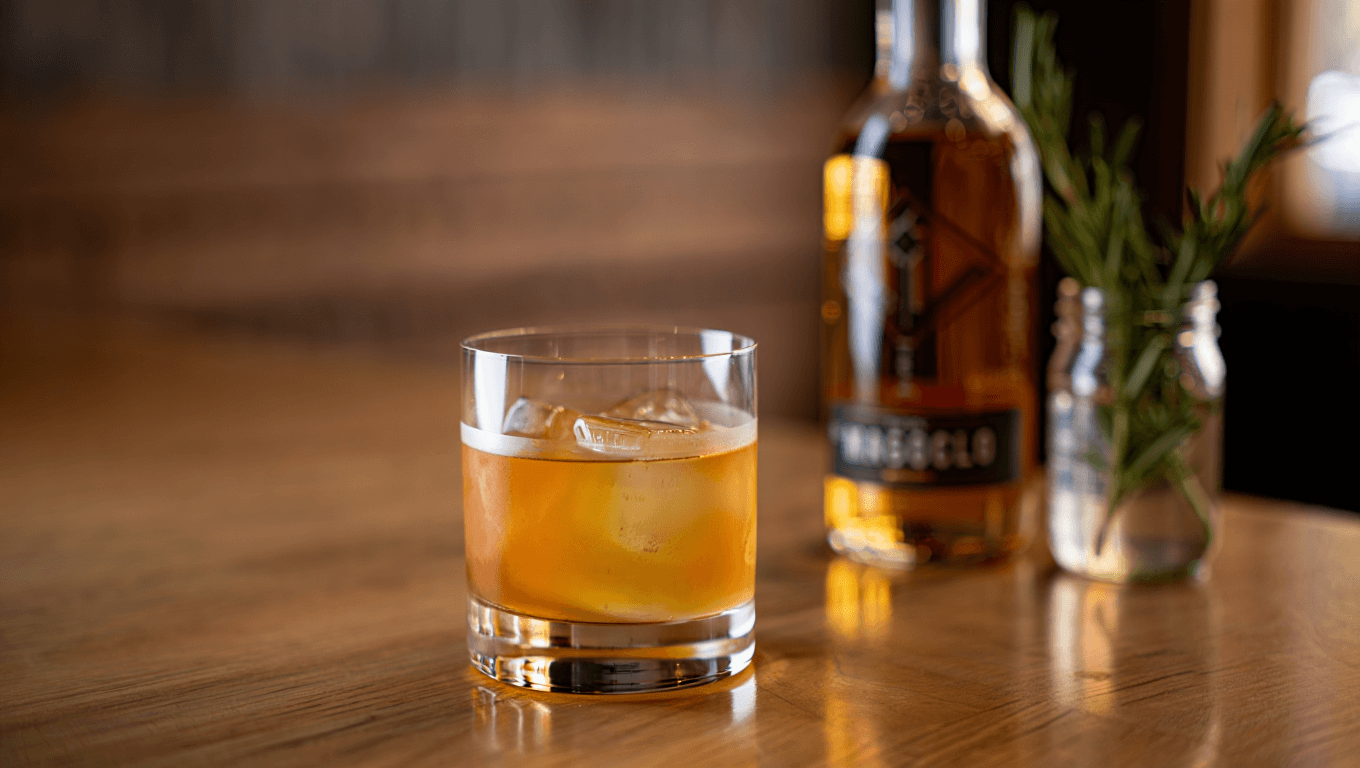
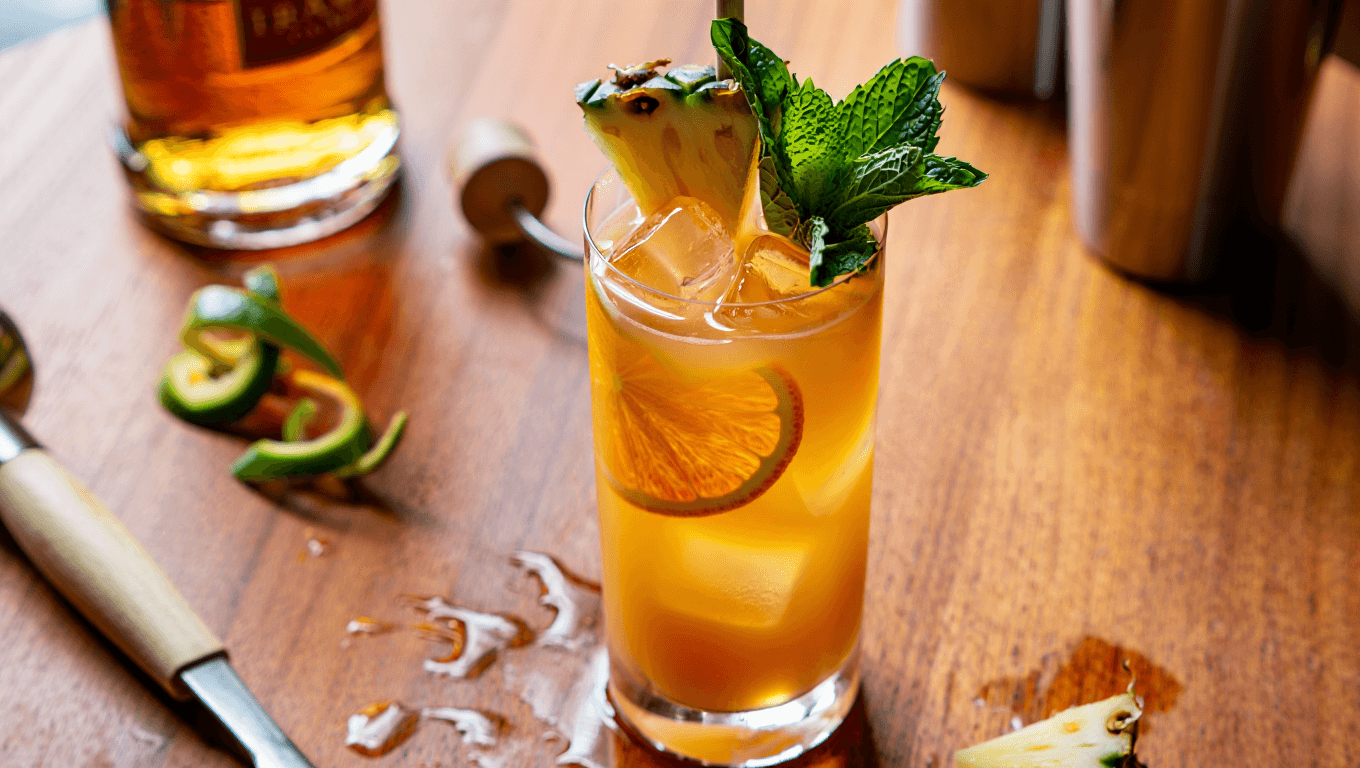
Here is a modern take on the Rye Tai, a rum-free riff that swaps tropical tradition for bold rye whiskey and layers pineapple, citrus and almond sweetness into a refreshing Collins-style serve. You will find clear measurements, step-by-step technique, and background notes so you can recreate a balanced cocktail at home with confidence. This recipe highlights rye whiskey, orgeat and pineapple juice while keeping the preparation approachable for home bartenders and professionals alike.
What goes into a Rye Tai?
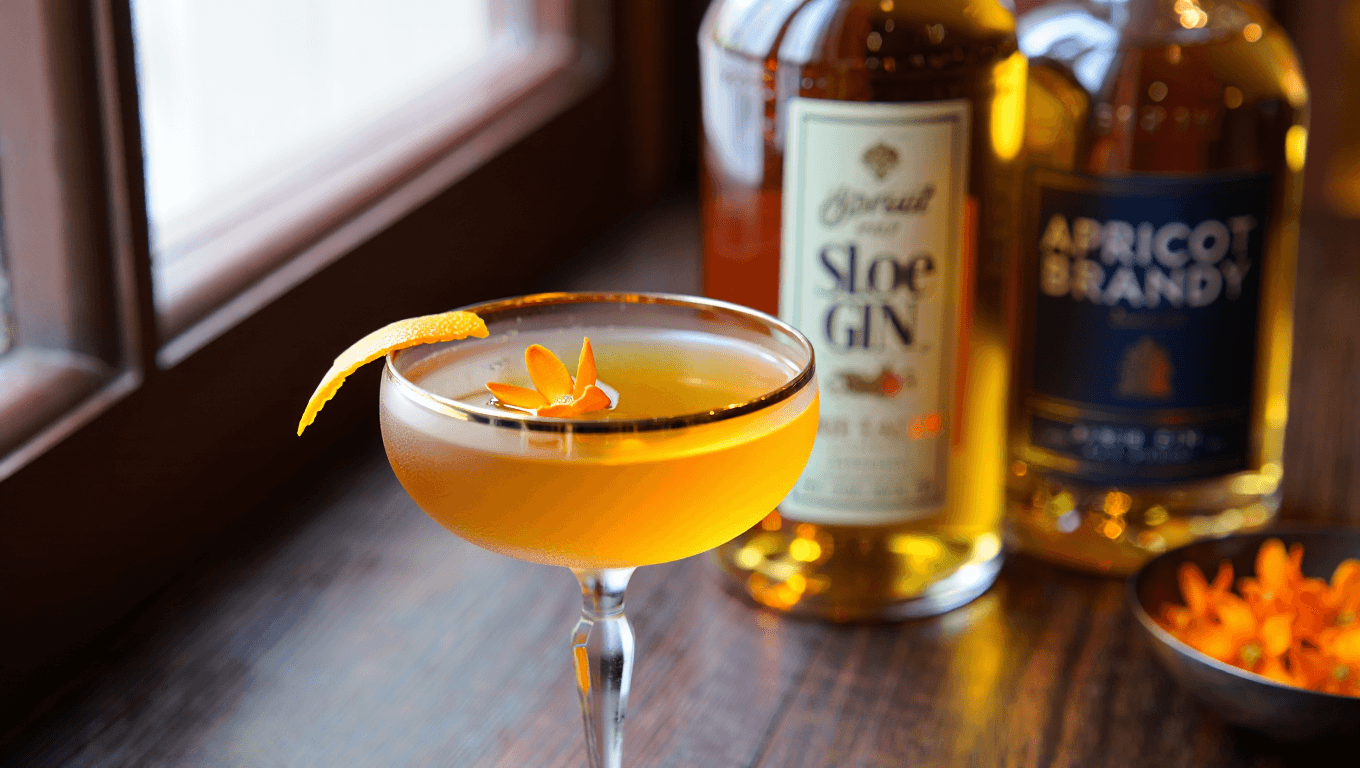
How to make the Fat Cat cocktail: apricot brandy sour with orange blossom and sloe gin
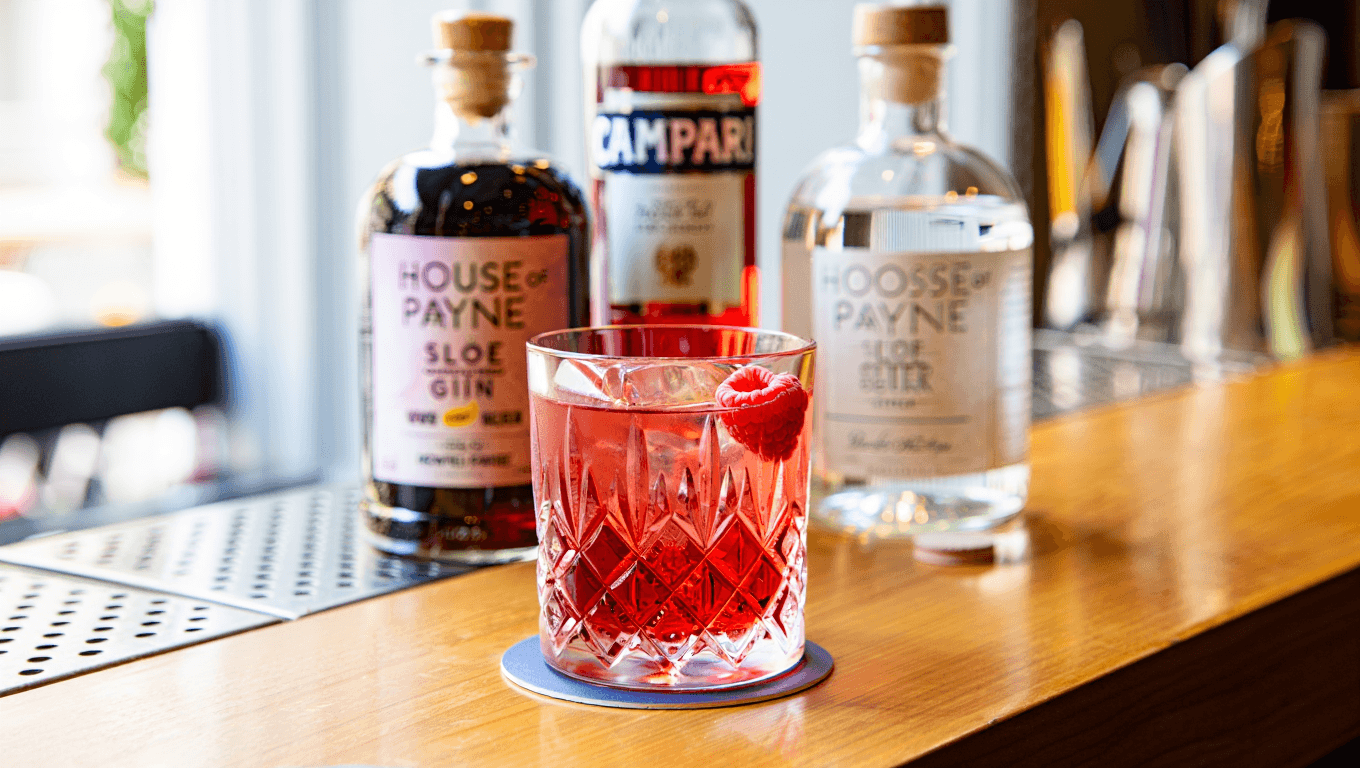
House of Payne sloe gin negroni recipe with raspberry
The Rye Tai blends spirited rye whiskey with almond syrup, a touch of herbal amaro and a sweet vanilla liqueur for complexity. Ingredients are measured precisely to keep the drink bright and well balanced.
Below is a concise ingredient list in millilitres so you can scale servings easily. Use chilled pineapple juice and freshly squeezed lemon juice for best results.
| Amount | Ingredient |
|---|---|
| 60 ml | Straight rye whiskey (100 proof / 50% alc./vol.) |
| 15 ml | Orgeat (almond) sugar syrup, 2:1) |
| 5 ml | Amaro (for example Montenegro) |
| 5 ml | Licor 43 Original liqueur |
| 22.5 ml | Pineapple juice (chilled) |
| 22.5 ml | Fresh lemon juice |
| 7 dashes | Angostura aromatic bitters (for float) |
How should you mix and serve a Rye Tai?
Begin by pre-chilling a Collins glass and preparing a pineapple wedge for garnish. Fill your shaker with ice before adding the measured ingredients so everything chills quickly and uniformly.
Shake the first six ingredients vigorously with ice until well chilled. Strain the mix into a glass piled with crushed ice and use a gentle pour to leave room on top for the bitters float.
Finish the cocktail by floating the dashes of Angostura bitters on the surface and resting the pineapple wedge on the rim. Serve immediately while the crushed ice retains the cold and dilution balance.
What equipment and tips make the biggest difference?
A few simple tools improve consistency and presentation. A reliable cocktail shaker and a fine strainer help achieve a clean, well-aerated drink. Crushed ice keeps the balance of dilution correct over the course of drinking.
- Use a Collins glass for the classic silhouette and comfortable volume
- Prefer fresh lemon juice and chilled pineapple juice for brightness
- Adjust orgeat to taste if you prefer a less sweet profile
Are there allergens or dietary considerations?
This cocktail contains orgeat, which is almond-based and therefore a nut allergen. Individuals with nut allergies should avoid orgeat or use a nut-free substitute designed for cocktails.
Certain amari may contain sulphites. If vous or guests are sensitive to sulphur dioxide or sulphites, check the amaro label or substitute with a sulphite-free herbal liqueur.
How does the Rye Tai taste and how strong is it?
The flavour profile balances boozy rye spice against tropical pineapple and sweet almond notes. Licor 43 adds a subtle vanilla-citrus layer while the amaro contributes herbal depth and a faint bitterness.
The Rye Tai leans toward a dry/sour finish with medium sweetness when made to the recipe proportions. That contrast makes it feel lively and sophisticated rather than cloying.
| Calories | 222 kcal per serving |
| Standard drinks | 1.9 |
| Alcohol by volume | 18.77% alc./vol. (37.53° proof) |
| Pure alcohol | 26.6 grams |
Where did this Rye Tai recipe come from?
The Rye Tai evolved from a 2017 recipe by Nick Brown at The Spaniard in Manhattan. It draws inspiration from earlier rye-based takes on the classic Mai Tai and from a Rye Tai served at the Claremont in Oakland.
Nick Brown’s version emphasized equal pineapple and citrus components paired with orgeat and rye. The lineage reaches back to a Rye Tai associated with Sother Teague, which appears in his 2018 book I’m Just Here for the Drinks.

Andrew Cole focuses on everyday drinks, from warm comfort beverages to refreshing options. His writing emphasizes balance, clarity, and ease of preparation.