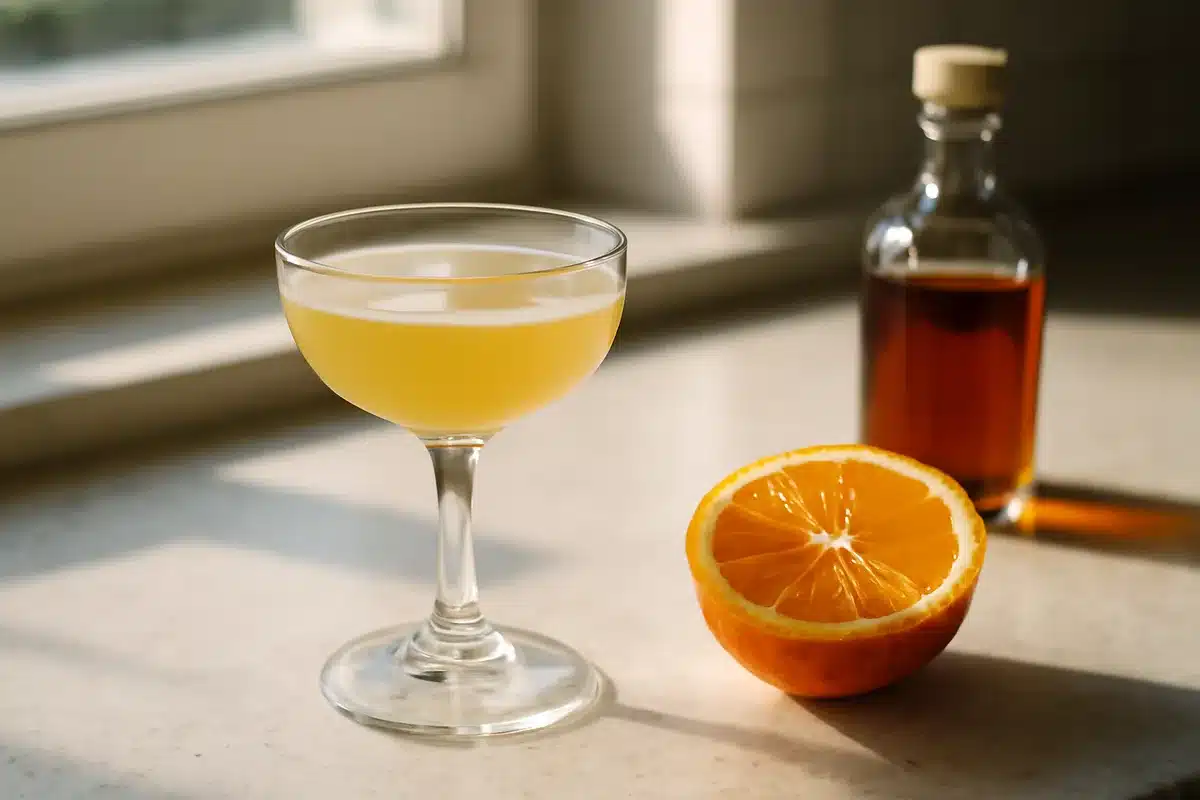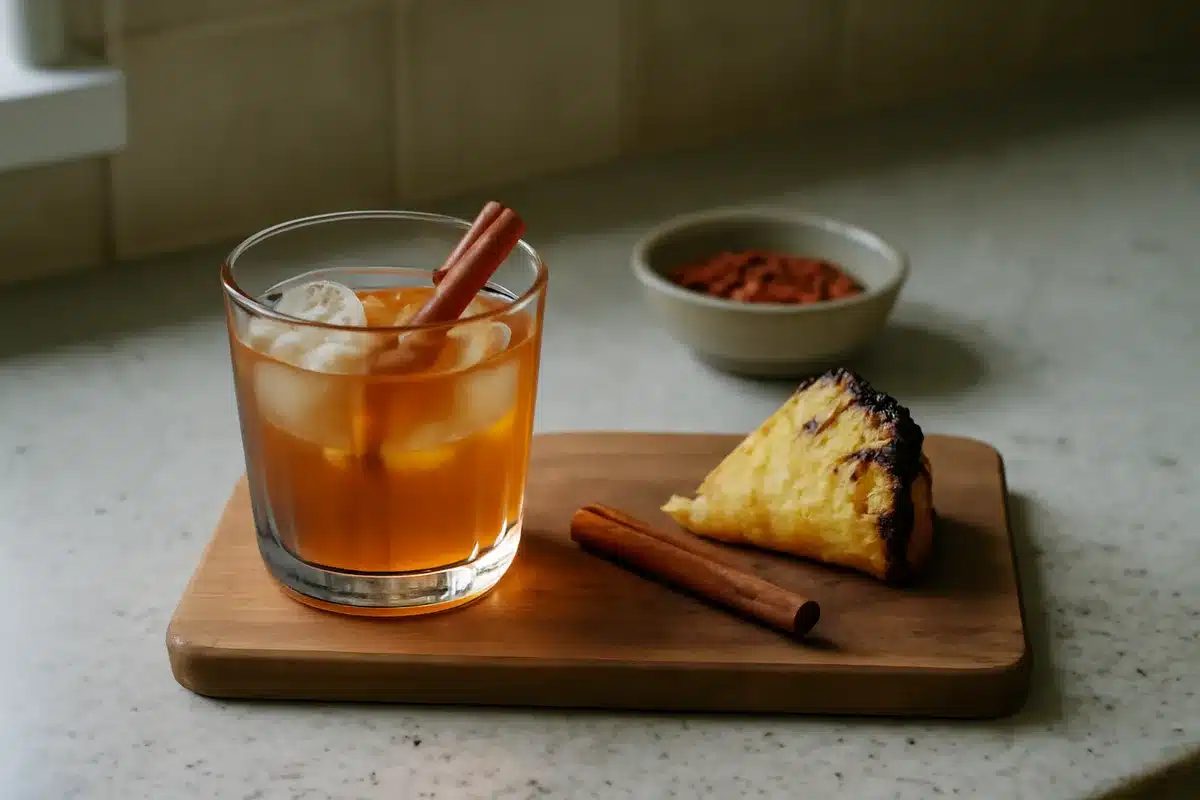
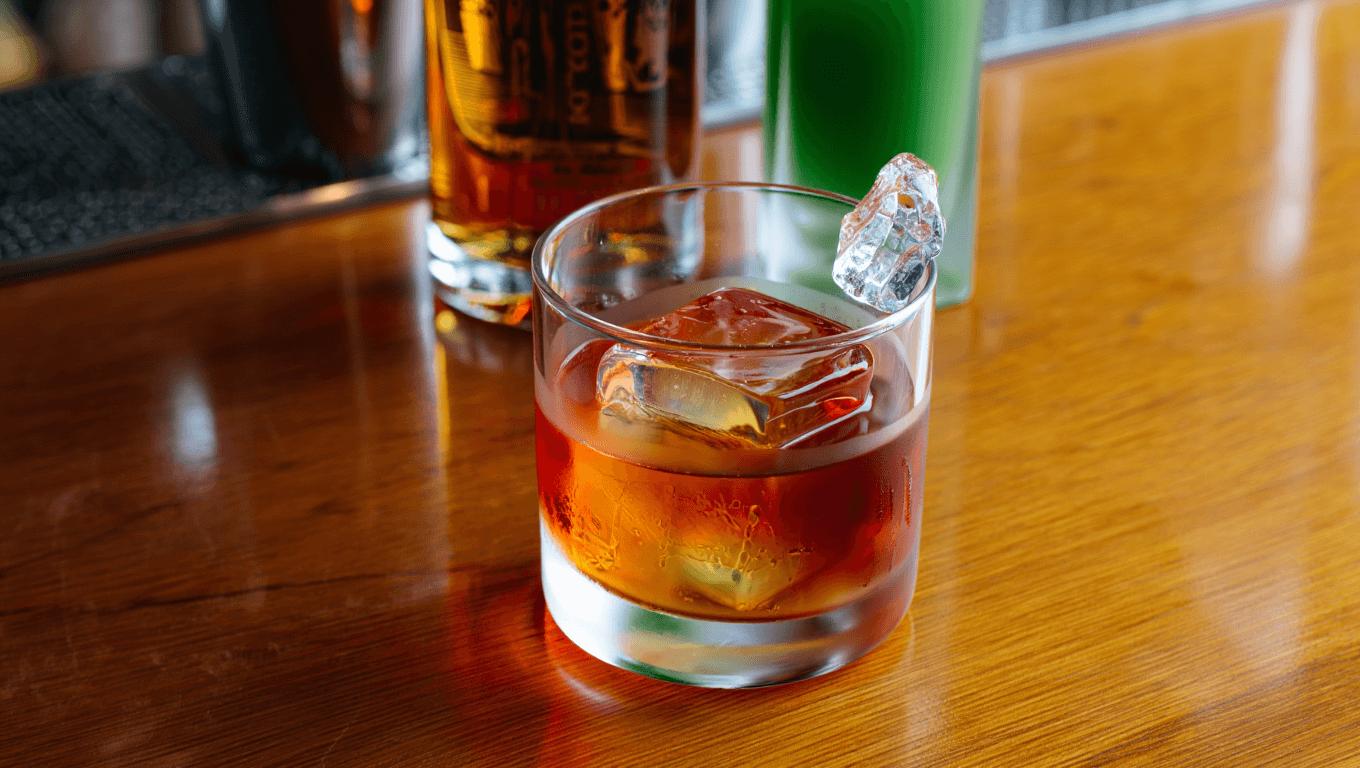
The End of the Road is a compact, spirit-forward cocktail that balances peaty Scotch with an herbal green liqueur and a bitter red mixer to create a polished, Negroni-adjacent experience. This drink sits perfectly in an Old‑Fashioned glass over a large ice cube and finishes with an expressive orange twist. It pairs smoky whisky, aromatic Green Chartreuse and a Campari-style red bitter to deliver depth and restraint in every sip. Bartenders and home mixers alike appreciate how simply three equal parts combine into a complex, modern classic.
What exactly is the End of the Road cocktail?
How to make a Lucky Lily margarita: spicy tequila and pineapple cocktail recipe
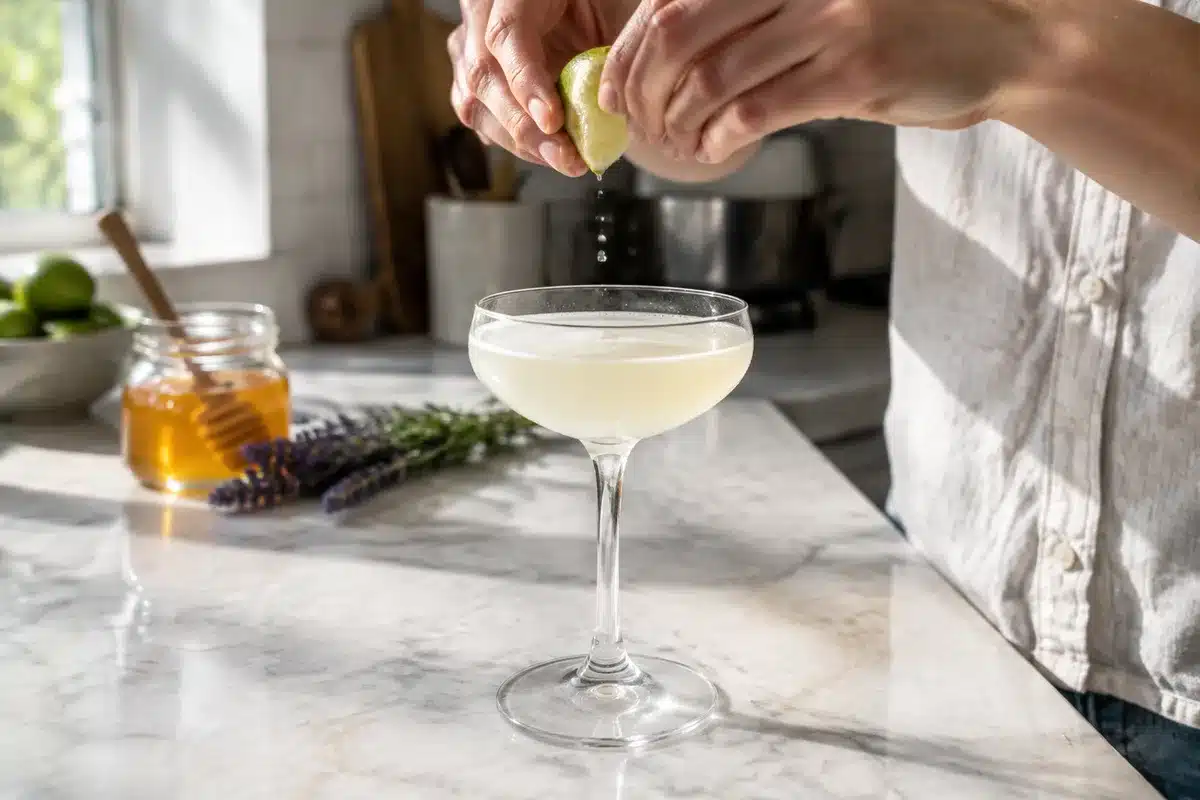
Lavender and honey daiquiri recipe: easy floral cocktail
This cocktail combines a peated single malt whisky with Green Chartreuse and a red bitter liqueur in equal parts to form a short, spirit-forward serve. The result is a cocktail that recalls the bitterness and balance of a Negroni while showcasing the smokiness of whisky. It was conceived as a stirred-up drink but often benefits from light dilution over ice to open the aromatics and soften the heat.
The drink emphasizes texture and aroma as much as flavor, so method and ice matter. Serving it in an Old‑Fashioned glass over a single large cube keeps dilution steady and presentation elegant. Small details like the orange twist and the choice of peated malt make a measurable difference.
Which ingredients are essential for this recipe?
At its core the recipe is simple: three ingredients in equal measure. Substitutions are possible but will change the cocktail’s character, so choose quality components where you can. Below is a clear breakdown of quantities and practical notes for each item.
| Ingredient | Amount | Notes |
|---|---|---|
| Torabhaig Peated Single Malt Whisky | 30 ml (≈1.0 fl oz) | Smoky backbone; swap for other peated malts if needed |
| Green Chartreuse | 30 ml (≈1.0 fl oz) | Herbal complexity; use a similar herbal liqueur if unavailable |
| Strucchi Red Bitter (Campari-style) | 30 ml (≈1.0 fl oz) | Adds bitter-sweet structure and bright color |
Using equal parts keeps the recipe simple and repeatable. You can scale portions by multiplying the measures while keeping the balance intact.
How should you prepare and serve this drink?
Begin by chilling an Old‑Fashioned glass while you prepare the garnish. Add the three ingredients to a mixing glass, fill with ice and stir until well chilled and slightly diluted. Strain the mixture over fresh ice, preferably a single large cube to preserve temperature and control dilution.
Finish by expressing an orange zest over the surface and drop the twist into the glass as garnish. If vous plan to serve several guests, prepare the garnish and glassware in advance to keep the flow smooth. The cocktail was originally intended straight-up but many prefer it on the rocks for a softer, more approachable finish.
- Pre-chill an Old‑Fashioned glass.
- Stir 30 ml each of peated whisky, Green Chartreuse and red bitter with plenty of ice.
- Strain over a large ice cube and garnish with an expressed orange twist.
What does the cocktail taste like and which drinks are similar?
The palate opens with smoky peat from the whisky, followed by an herbal green heart and a persistent bitter-sweet finish. The interplay between the Chartreuse and the red bitter creates a layered mid-palate where botanicals and citrus oils meet. Overall, the drink lands on the drier, more bitter side of the spectrum with a warming alcohol presence.
This is a spirit-forward serve that rewards slow sipping and occasional small sips of water to reset the palate. The texture is silky when properly stirred and served over large ice, and the orange oil brightens the aromatics without overwhelming the base spirits.
- Negroni — comparable structure but gin replaces whisky and Chartreuse.
- Boulevardier — similar bitter backbone with whisky instead of gin.
- Paper Plane — shares bold, balanced flavors and contemporary provenance.
Who invented the End of the Road and where did it originate?
The cocktail was created by New Orleans bartender Chris McMillian. It first appeared in print in the 2011 book Beta Cocktails by Maks Pazuniak and Kirk Estopinal, which helped spread the recipe among bartenders and cocktail enthusiasts.
Over time it found fans who adapted the serve to suit an on-the-rocks presentation rather than straight-up. A common note among experienced mixers is that the drink softens and becomes more approachable with a little extra dilution, which many prefer for casual sipping and longer conversations.
How strong is the drink and what does that mean for servings?
Expect a fairly potent cocktail given the equal parts of high-proof components and the use of whisky. Per serving the drink equates to around 2.1 standard drinks and measures roughly 33.0% alc./vol. in total strength. That converts to approximately 29.7 grams of pure alcohol per serving, so moderate consumption is advised and pacing matters for fuller enjoyment.
When sharing, plan smaller pours or offer water and lighter snacks to balance the intensity. The recipe scales easily but always preserve the 1:1:1 ratio to keep the intended flavor profile intact.

Andrew Cole focuses on everyday drinks, from warm comfort beverages to refreshing options. His writing emphasizes balance, clarity, and ease of preparation.