The Ponte Vecchio reinvents the classic Boulevardier with an Italian twist that balances bitterness and warmth. This cocktail merges brandy and grappa with amaro liqueur and a vermouth amaro, creating a complex sip that lingers. Readers searching for a refined aperitivo or a modern bitters-forward drink will find the Ponte Vecchio both approachable and sophisticated. Expect herbal depth, a touch of sweetness, and a pleasantly drying finish that rewards careful mixing.
What exactly is the Ponte Vecchio?
How to make a Lucky Lily margarita: spicy tequila and pineapple cocktail recipe
Lavender and honey daiquiri recipe: easy floral cocktail
The Ponte Vecchio is a Boulevardier-style cocktail that substitutes or complements the usual whiskey with Italian spirits. It pairs brandys and grappa alongside an amaro and a richer vermouth amaro. The result feels familiar to lovers of classic bitter cocktails while offering a distinctly Italian aromatic profile.
The drink emphasizes balance rather than overpowering alcohol or sugar. You will notice citrus, herbal bitterness, and a warm, vinous backbone. Bartenders appreciate this cocktail for its adaptability and its ability to showcase artisanal Italian bottlings.
How do you mix a balanced Ponte Vecchio
Begin with quality base spirits and precise measurements for consistent results. Use chilled mixing glass and large ice to avoid over-dilution. Finish with a twist or a flamed orange peel if you want extra aromatics.

Classic recipe
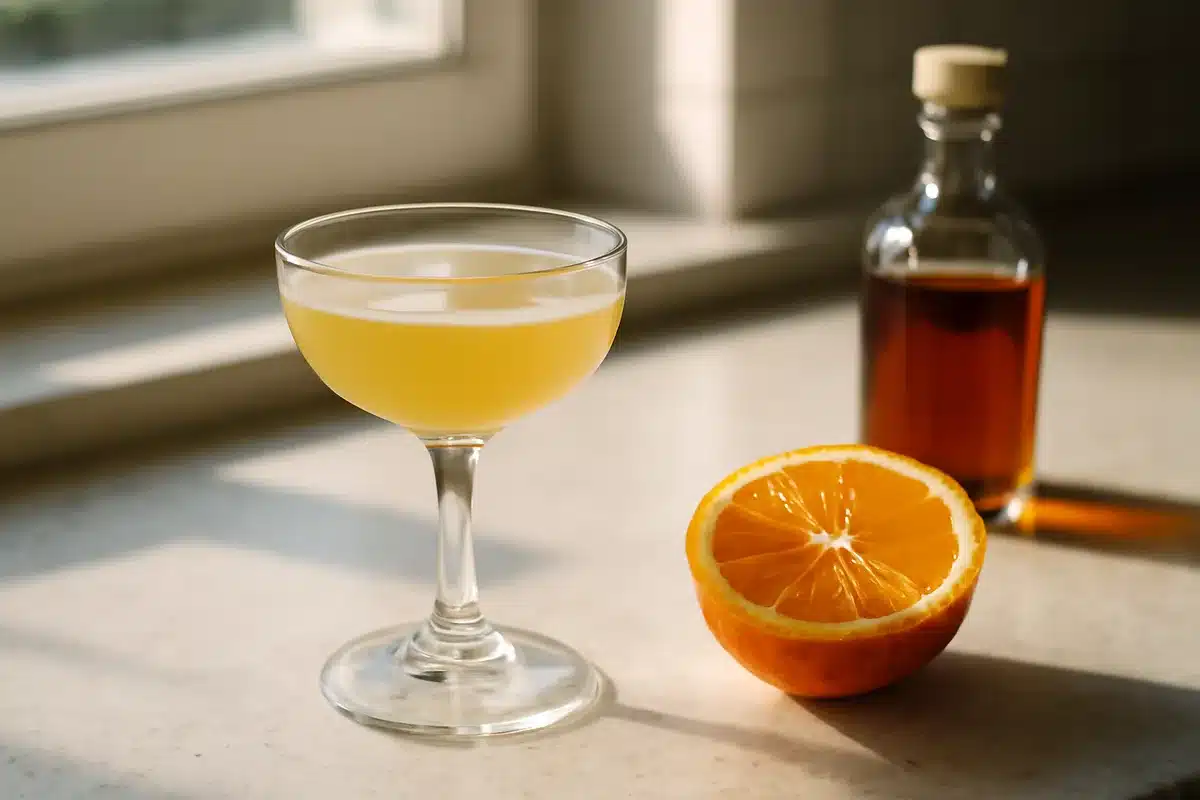
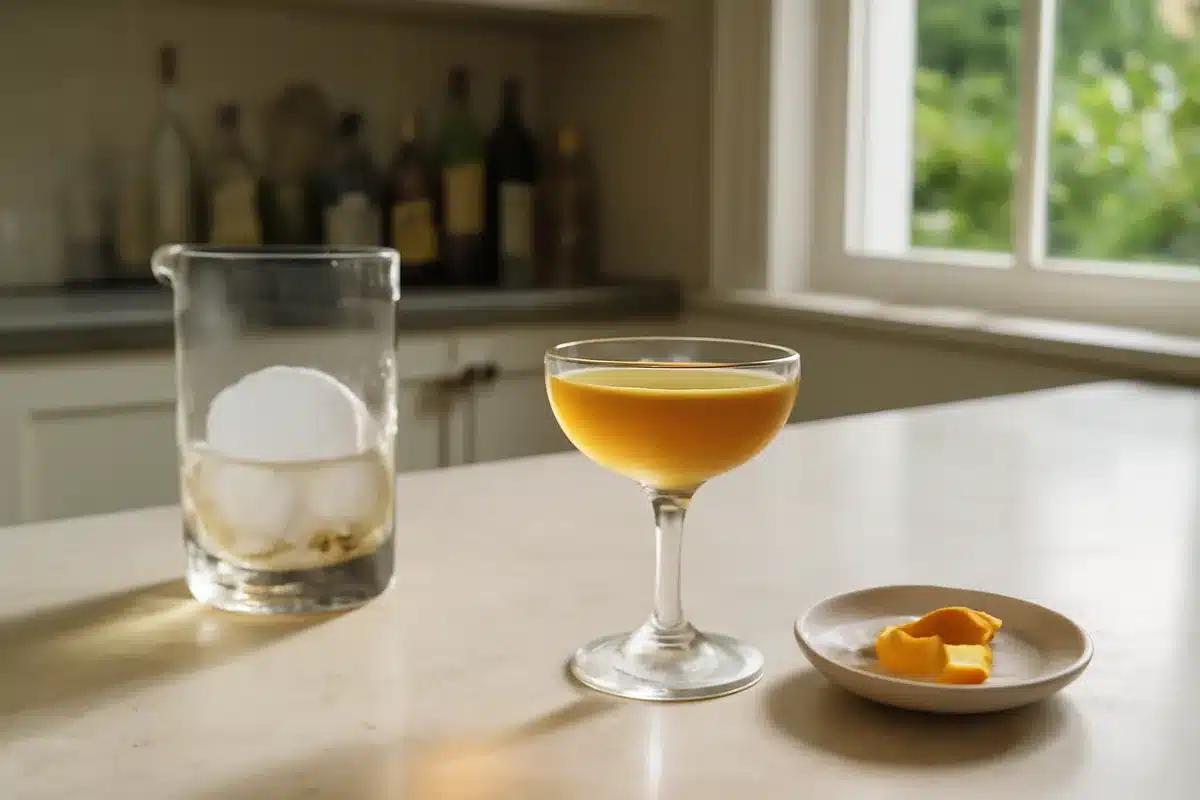
Start with 30 ml Italian brandy and 30 ml grappa for a rounded base. Add 30 ml amaro and 25 ml vermouth amaro. Stir with ice until well chilled and dilute to taste, then strain into a chilled coupe or rocks glass over a single large cube.
Practical mixing tips
Stirring preserves clarity and texture while allowing controlled dilution. Taste after about 20 to 30 seconds of stirring and add more water if the alcohol feels aggressive. Adjust the amaro ratio if you prefer a drier or sweeter finish.
Which ingredients and substitutions work best?
Choose amari and vermouths that complement rather than compete with the brandy and grappa. A medium-bitter amaro with herbal and orange notes harmonizes well. For vermouth, select a fuller-bodied amaro-style vermouth with toasted or caramelized aromatics.
If vous prefer a bolder profile, increase the grappa slightly and reduce vermouth. For a softer, more wine-forward version, use more vermouth amaro and a lighter grappa. Modern craft producers offer many options so experiment with small adjustments.
- Recommended balance — equal parts brandy and grappa; slightly less vermouth than amaro
- For a lighter drink — reduce grappa by 25 percent and add a splash of club soda
The table below summarizes pairing suggestions and tasting notes to help you choose bottles that will elevate the cocktail.
| Ingredient | Role | Suggested styles |
|---|---|---|
| Brandy | Warm base and roundness | Aged cognac-style or Italian brandy with soft oak |
| Grappa | Bold, fragrant lift | Young striped grappa or refined pomace distillate |
| Amaro | Bitter-sweet complexity | Medium bitter with citrus and herb notes |
| Vermouth amaro | Wine backbone and spice | Full-bodied, slightly oxidized styles |

Andrew Cole focuses on everyday drinks, from warm comfort beverages to refreshing options. His writing emphasizes balance, clarity, and ease of preparation.