
The Cotillion cocktail has a quiet charisma that draws curious cocktail lovers and bartenders alike, blending bourbon warmth with a whisper of rum for depth and intrigue. This classic recipe calls for a small dash of rum to a base of bourbon, and choosing a rum with a pronounced personality elevates the whole drink. We will explore why a bold, funky rum works here, how to balance flavors, and practical tips for mixing a Cotillion that stands out on any menu or home bar.
What exactly is the Cotillion cocktail?
Lavender and honey daiquiri recipe: easy floral cocktail
Easy Hawaiian-style BBQ short ribs recipe with grilled pineapple
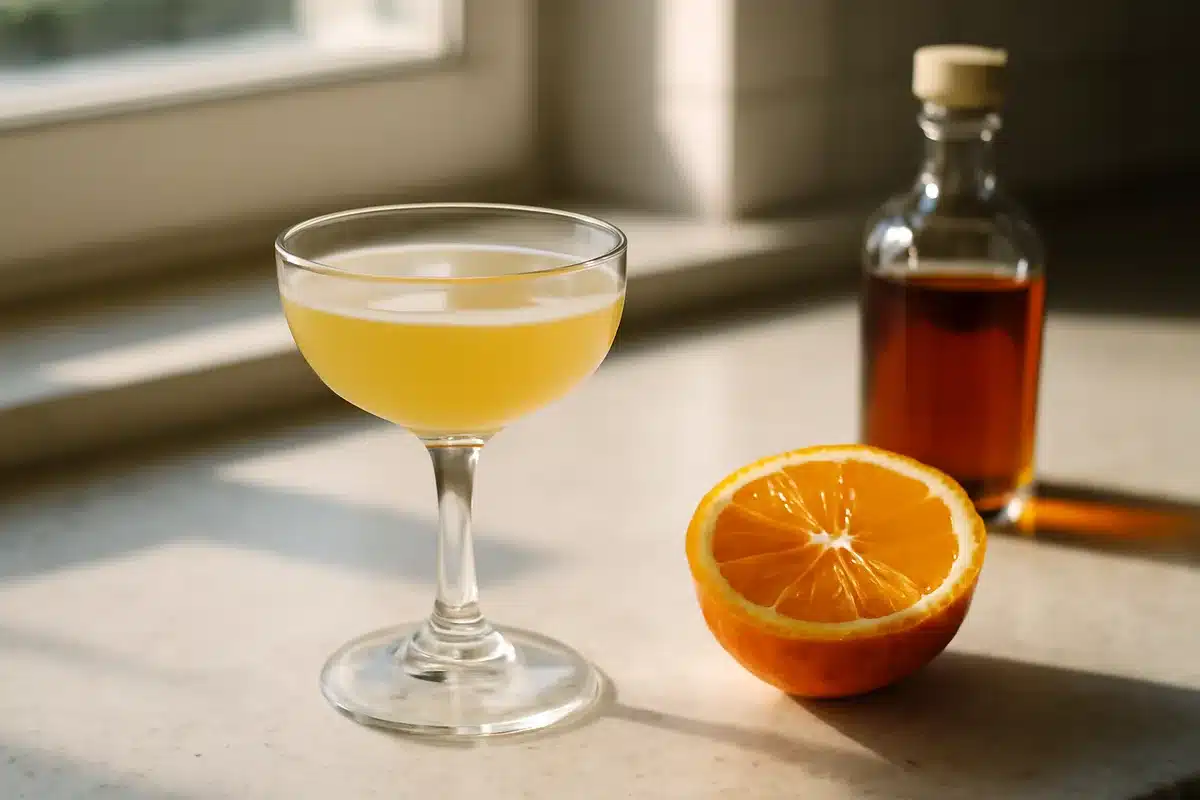
The Cotillion is a spirit-forward cocktail that pairs the caramel and oak of bourbon with a subtle rum accent. Originating from classic cocktail eras, it rewards careful ingredient selection more than elaborate technique.
Unlike tiki-style rum drinks, this cocktail uses rum as a seasoning rather than the star. A single dash can introduce tropical esters, molasses richness, or funky agricole notes depending on the rum chosen.
How do you prepare a Cotillion at home?
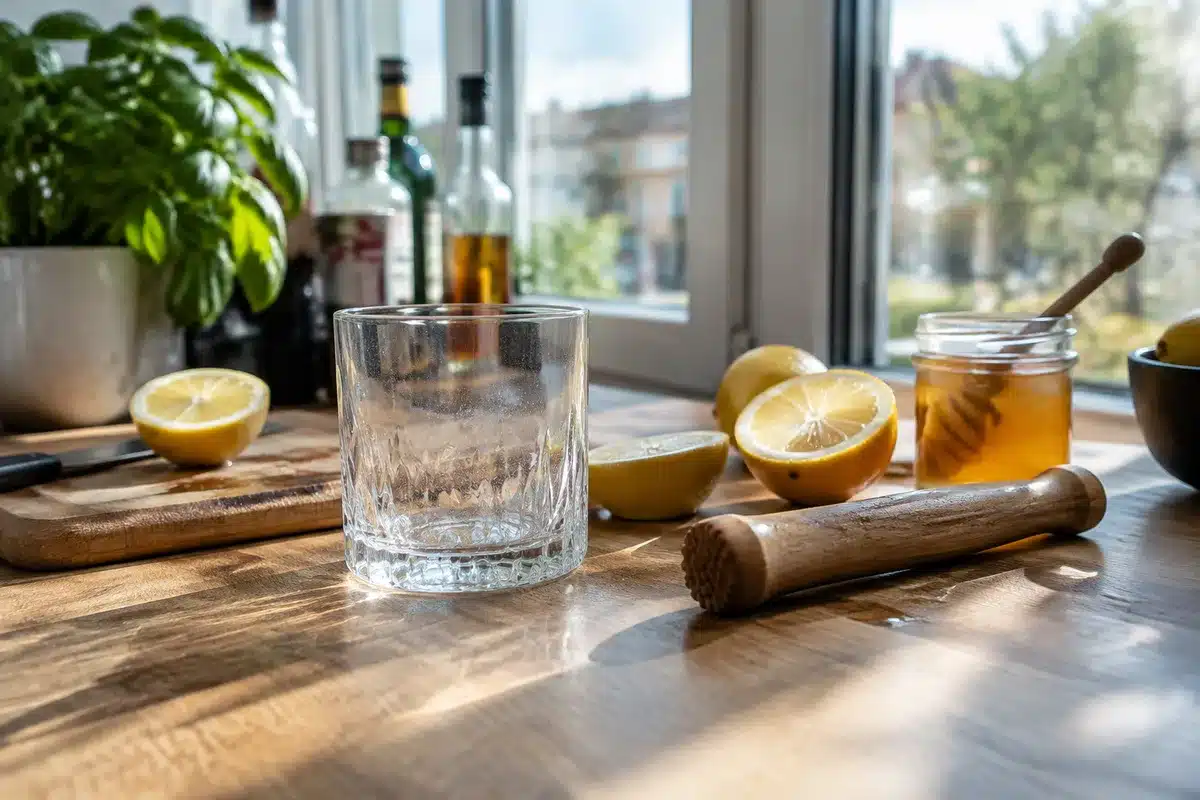
Gather simple tools first: a mixing glass, bar spoon, jigger, and a chilled coupe or rocks glass. Keep all components cold to preserve clarity and balance.

Measure precisely for consistency. A reliable starting ratio is 1½ oz bourbon with one dash of characterful rum, plus a few dashes of aromatic bitters if you prefer complexity.
Begin by filling the mixing glass with ice, add the bourbon, then the dash of rum and bitters. Stir gently for about 20–30 seconds, strain into your chilled glass, and finish with a citrus twist or a simple lemon peel expressed over the surface.
Which rum styles work best with bourbon in this drink?
Selecting the right rum transforms the Cotillion into either a warm, rounded sipper or a bright, funky contrast. Heavy column-still light rums will barely register, while pot-still, pot-still–influenced, or agricole rums will assert flavor with just a dash.

When you want funk and personality, choose a rum with estery, molasses-forward notes or a white agricole with grassy, vegetal qualities. The goal is subtle enhancement, not a rum takeover, so balance is key.
Here are practical examples of rum types and why they work:
- Dark pot-still rum: Adds baked sugar and spice that complements bourbon’s oak.
- White agricole: Offers grassy, citrusy brightness that lifts the drink.
- Gold or añejo rum: Brings dried fruit and caramel that echo bourbon’s notes.
Adjust the dash size based on the rum’s intensity. Stronger, funkier rums may need just a sniff; smoother rums can be used slightly more liberally.
Practical recipe chart and pairing suggestions
The table below helps choose ingredients and finish options depending on your preferred direction for the Cotillion. It’s a quick reference for bartenders and home enthusiasts alike.
| Component | Standard measure | Recommended options |
|---|---|---|
| Bourbon | 1½ oz | Midproof (90–100 proof), rich vanilla and caramel profile |
| Rum | 1 dash | Dark pot-still, añejo, or agricole; bold flavor preferred |
| Bitters | 2–3 dashes optional | Aromatic or orange bitters for added complexity |
| Garnish | 1 twist | Lemon peel or expressed orange oil |
How should you tweak the Cotillion for different occasions?
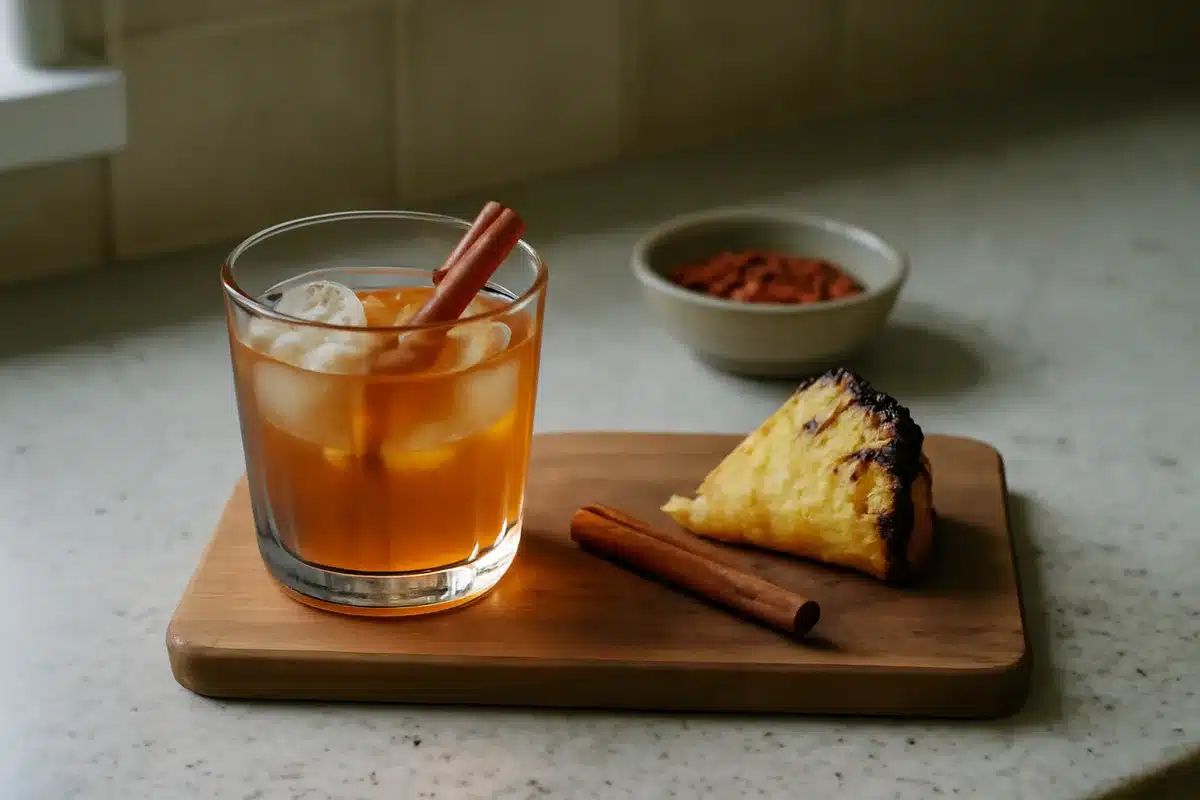
Serve the Cotillion neat as a contemplative after-dinner drink or on the rocks for a longer, slower sip. Each format highlights different elements of the base spirits.
When vous entertain a crowd, consider a batchable formula: scale bourbon and bitters while keeping the rum dash measured per serving. That preserves the delicate balance across multiple pours.
Experiment with bitters and citrus peels to create subtle signature variations. A single drop of orange or a whisper of allspice dram can shift the drink’s character without overwhelming the rum-bourbon dialogue.

Andrew Cole focuses on everyday drinks, from warm comfort beverages to refreshing options. His writing emphasizes balance, clarity, and ease of preparation.