
The Charlie Chaplin cocktail sits at the crossroads of tart lime and velvety apricot, a compact drink that rewards careful technique more than fuss. This fruity, sweet and sour classic depends heavily on dilution and timing, so a slight adjustment to ice or a dash of water can transform the balance. Enthusiasts prize the cocktail for its simplicity and bright profile, and bartenders lean on precise ratios and gentle shake to keep the flavors lively. Read on for a clear guide to ingredients, method, and creative variations that respect the original while inviting experimentation.
What is a Charlie Chaplin cocktail?
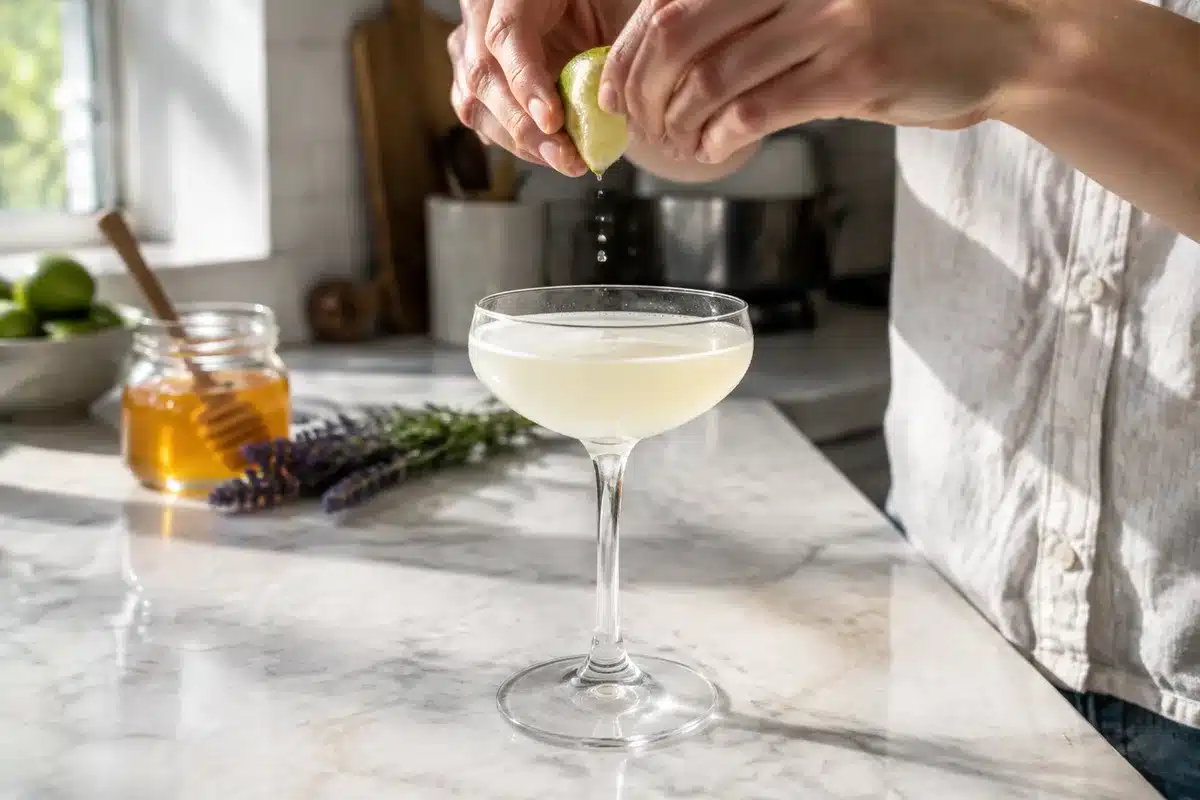
Lavender and honey daiquiri recipe: easy floral cocktail
Easy Hawaiian-style BBQ short ribs recipe with grilled pineapple
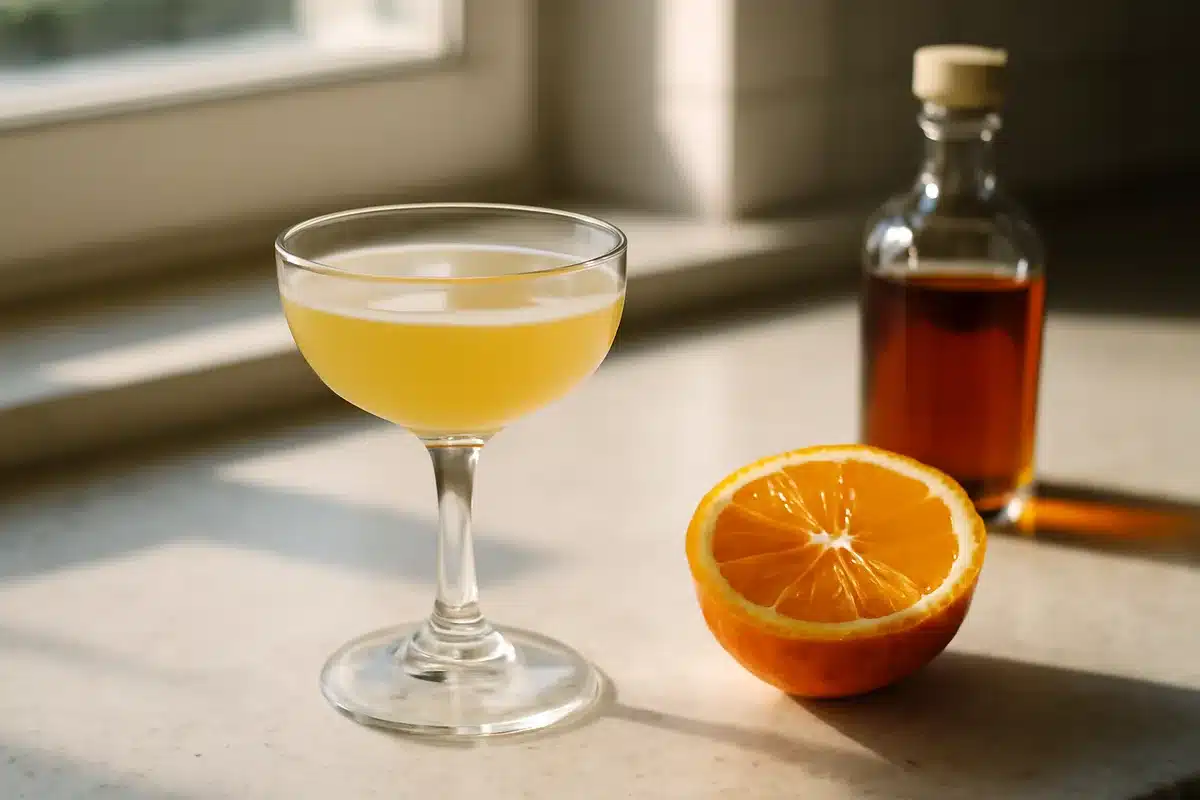
The Charlie Chaplin is a short, stirred or shaken cocktail built around gin, apricot liqueur and fresh lime. It falls into the sweet and sour family and arrives in a coupe or rocks glass, depending on how you want to present it. Bartenders often describe it as compact, fragrant, and immediately accessible.

Its charm comes from the contrast between bright lime and the rounded fruit of apricot brandy, while gin provides botanical backbone. The drink is easy to scale for service and adapts well to slight dilution changes, which makes it popular in craft cocktail bars. Because the recipe is short, every small technique choice influences the final sip.
How do you make a Charlie Chaplin?
Start with a classic 1:1:1 ratio for a reliably balanced profile. Equal parts gin, apricot liqueur and fresh lime juice create harmony without one element overpowering the others. Measure carefully and use freshly squeezed lime for the cleanest citrus notes.
- Ingredients: 30 ml gin, 30 ml apricot liqueur, 30 ml fresh lime juice, ice, garnish of a lime wheel or cherry
Shake the ingredients vigorously with plenty of ice for about 10 to 15 seconds, then strain into a chilled coupe. If you prefer a slightly colder, more diluted drink, serve over fresh ice in a rocks glass. A tiny splash of water or soda can be added after shaking when the ice is dense and dilution was minimal.
- Fill the shaker with ice and add measured ingredients.
- Shake until the shaker becomes frosty and the outside feels cold.
- Double strain into chosen glass and garnish with a lime wheel or cherry.
Why does dilution change the result?
Dilution tames both the alcohol heat and the acidity of lime, and it helps aromatics bloom. When ice melts during shaking, it integrates water into the mixture, smoothing rough edges and allowing the apricot to show its sweetness. Insufficient dilution leaves the cocktail sharp and tightly concentrated.

Different types of ice yield different results, so assess your equipment and environment when you mix. Large, slow-melting cubes reduce dilution and intensify flavor, while crushed or small cube ice dilutes faster and softens the sip. If you are uncertain, add a small splash of water after shaking and taste before serving to reach the ideal balance.
What variations should you consider?
Simple substitutions can shift emphasis without losing the essence of the Charlie Chaplin. Swap the gin for a London dry to keep botanicals forward, or try a floral gin to accentuate the apricot. You can also replace apricot liqueur with an apricot brandy or an apricot-infused spirit for greater depth.
If vous favor a lower-proof approach, reduce the gin by a third and compensate with a touch more apricot liqueur or a half teaspoon of simple syrup. For a sparkling finish, top the shaken cocktail with a short splash of soda; the bubbles lift the aroma and lighten the mouthfeel. Garnish thoughtfully with either a lime twist for brightness or a Luxardo cherry for a sweeter presentation.
Below is a quick reference comparing common variations so you can choose the version that fits your bar or palate.
| Variation | Main swap | Effect on flavor | Recommended glass |
|---|---|---|---|
| Classic | Equal parts gin, apricot liqueur, lime | Balanced sweet and sour with botanical backbone | Coupe |
| Floral | Floral gin (e.g., elderflower-forward) | More aromatic and perfumed | Coupe |
| Low proof | Less gin, more liqueur or splash of soda | Softer bite and sweeter finish | Rocks glass over ice |
| Modern twist | Apricot brandy or apricot infusion | Richer, darker stone fruit character | Coupe or Nick and Nora |

Andrew Cole focuses on everyday drinks, from warm comfort beverages to refreshing options. His writing emphasizes balance, clarity, and ease of preparation.