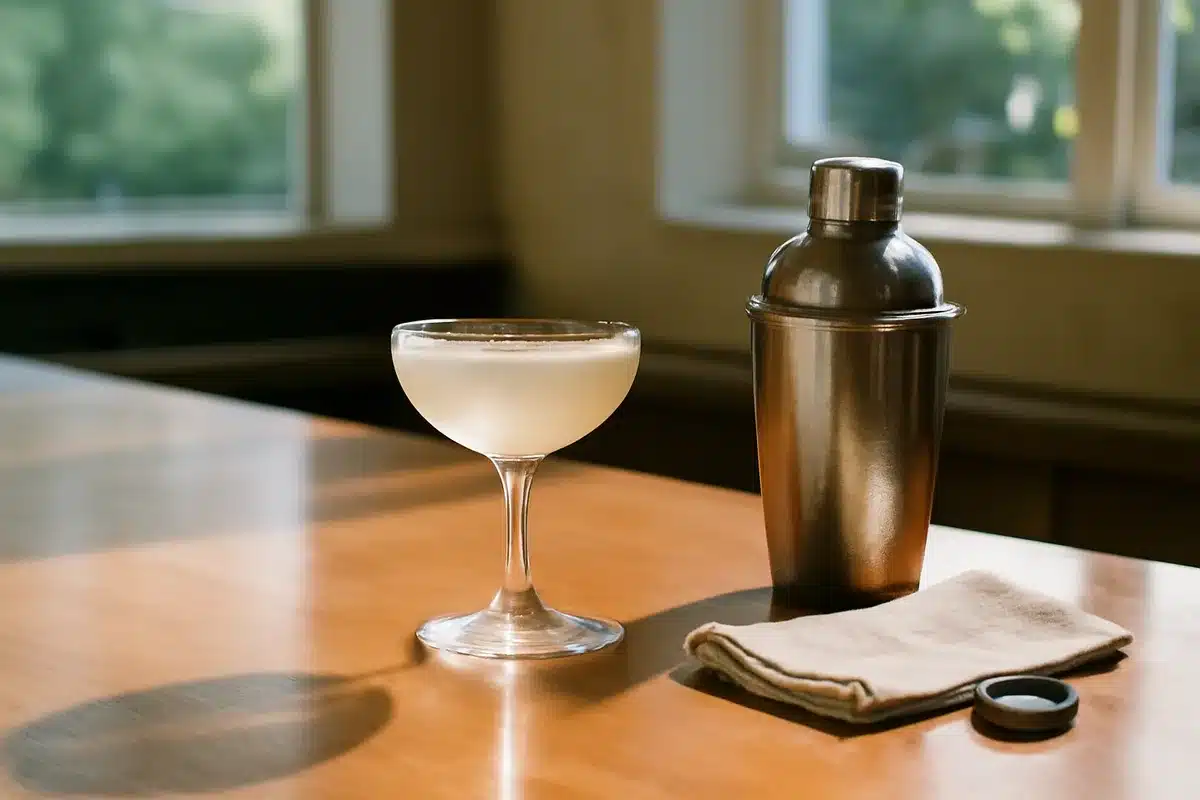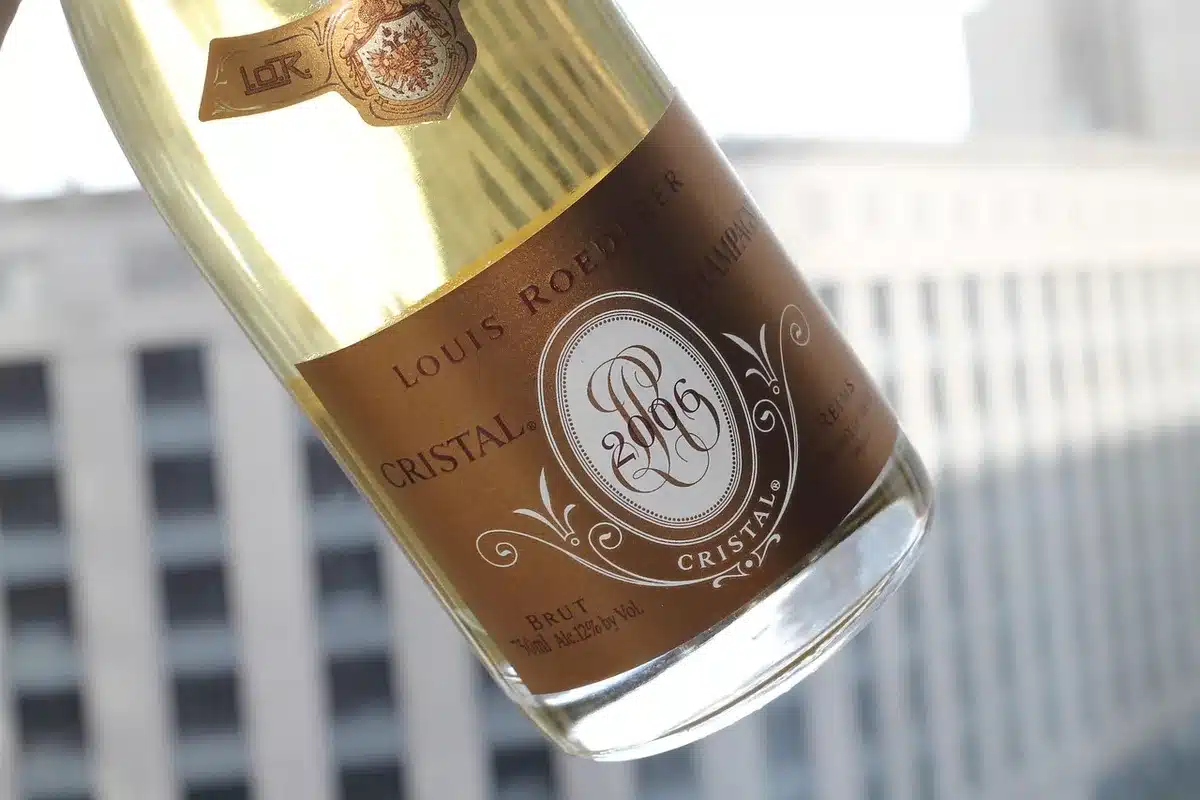

The Champagne cocktail remains a small masterpiece of simplicity and ritual, marrying effervescence, bitters, and a single sugar cube into a drink that evolves with every sip. This classic sparkling cocktail blends Champagne or other sparkling wine with aromatic bitters and a touch of sweetness, then finishes with a citrus twist or a cherry garnish. Drinkers appreciate how the sugar cube dissolves and changes the balance as it melts, creating a variable taste experience. Whether preparing it for a special occasion or adding a refined touch to a casual gathering, the Champagne cocktail delivers elegance with minimal effort.
What is a Champagne Cocktail?
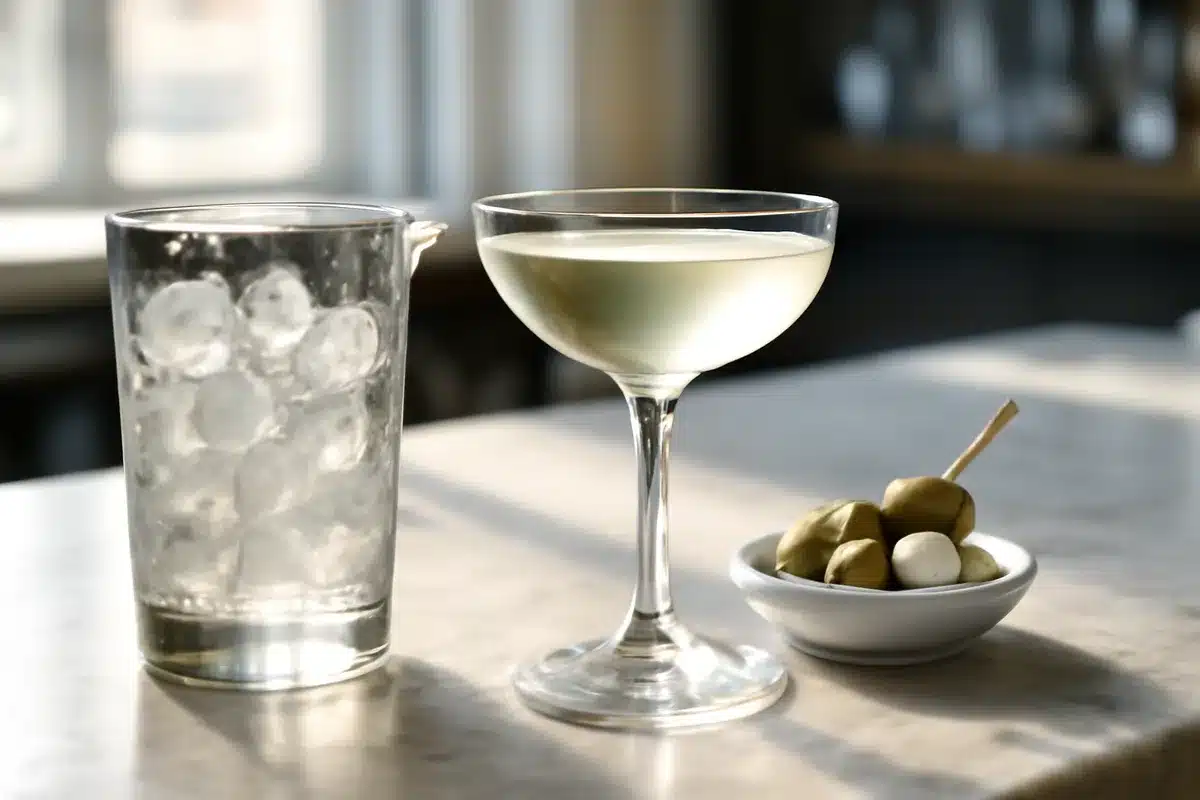
How to make a smoky Mai Tai riff with Tia Mia mezcal
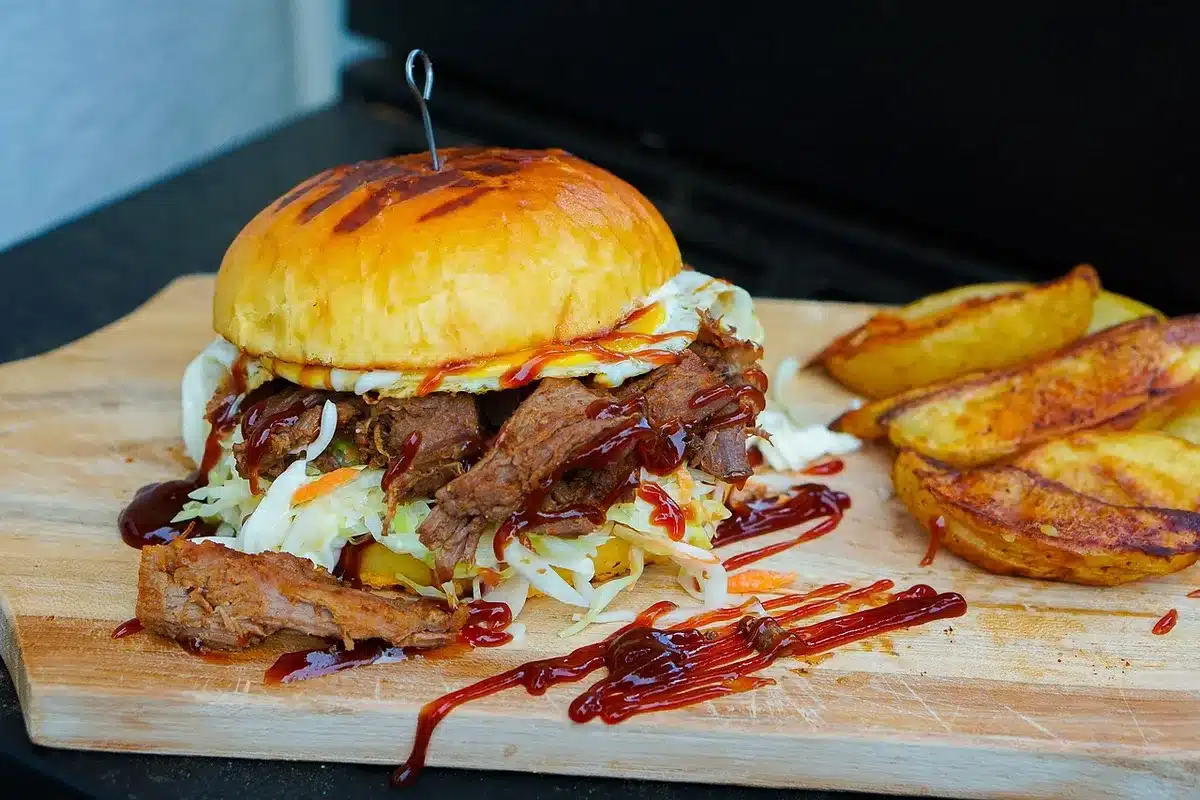
How to make sweet and tangy brisket: easy recipe and tips
The Champagne cocktail represents one of the oldest sparkling drinks, a staple of Victorian parlors and modern bars alike. At its core lies a sugar cube soaked with bitters, dropped into a flute and topped with cold sparkling wine. The interaction between the dissolving sugar, the bitters and the bubbles creates a layered flavor profile that shifts from dry to gentle sweetness. Many guides describe it simply, but small technique choices make a big difference.
Historically, this drink surfaced in the 19th century and quickly became associated with celebrations and refined hospitality. References to the recipe appear in early cocktail guides where bartenders recommended Angostura or aromatic bitters. Today’s interpretations still honor that heritage while allowing for creative substitutions. Expect a drink that feels both timeless and adaptable.
How do you make a classic Champagne Cocktail?
Making a classic Champagne cocktail relies on quality ingredients and a careful build rather than shaking or blending. Choose a chilled flute, a fresh sugar cube, aromatic bitters and a dry or extra-brut sparkling wine for the traditional profile. Small steps like pre-chilling the glass and adding the bitters directly to the cube influence the final texture and taste.
Ingredients
Gather these essentials: one sugar cube, three to four dashes of aromatic bitters, 90–120 ml of Champagne or comparable sparkling wine, and a lemon twist or Maraschino cherry for garnish. Using Angostura bitters preserves the authentic aromatic backbone of the classic recipe. Substitutions of sparkling wine are possible but adjust sweetness and garnishes accordingly.

Step-by-step method
Place the sugar cube in the bottom of a chilled flute and saturate it with the bitters so the aroma releases immediately. Gently pour the sparkling wine down the side of the glass to preserve carbonation and let the cube begin to dissolve slowly. Finish with a thin lemon twist expressed over the drink or drop a cherry for a vintage touch. Sip slowly and notice how the cocktail moves from very dry to gently sweet as the cube softens and melts.
What variations and substitutions work best?
Experimentation gives each Champagne cocktail a personality. Replacing Champagne with Prosecco or Cava lightens the body and highlights fruit notes. Using different bitters—orange, Peychaud’s, or chocolate—shifts the aromatic focus dramatically.

If vous prefer fruitier expressions, add a small splash of elderflower liqueur or a few drops of fruit cordial before topping with bubbles. Those swaps create a softer, more floral drink that pairs well with summer hors d’oeuvres. Keep proportions modest to avoid overpowering the sparkling wine.
Consider these quick variation ideas that deliver real value:
- Classic: Champagne, sugar cube, Angostura, lemon twist.
- Fruity: Prosecco, sugar cube soaked in orange bitters, orange peel.
- Herbal: Cava, sugar cube with elderflower liqueur, edible flower garnish.
How should you serve a Champagne Cocktail and what pairs well?
Serve the Champagne cocktail very cold in a flute to preserve bubbles and concentrate the aromas toward the nose. Use a chilled bottle and avoid vigorous pouring or stirring that would flatten the wine. Presentation matters; a neat lemon twist or a single high-quality cherry makes the drink feel intentional and festive.
Pair the cocktail with light appetizers, shellfish, and delicate pastries for complementary textures and flavors. The table below outlines suitable wine bases, expected flavor notes and ideal food pairings to guide your choices.
| Base Sparkling Wine | Flavor Profile | Recommended Pairings |
|---|---|---|
| Champagne (Brut) | Crisp, toasty, mineral | Oysters, smoked salmon, goat cheese |
| Prosecco | Light, fruity, floral | Prosciutto-wrapped melon, summer salads |
| Cava | Bright, citrusy, bready | Tapas, fried seafood, manchego |

Andrew Cole focuses on everyday drinks, from warm comfort beverages to refreshing options. His writing emphasizes balance, clarity, and ease of preparation.