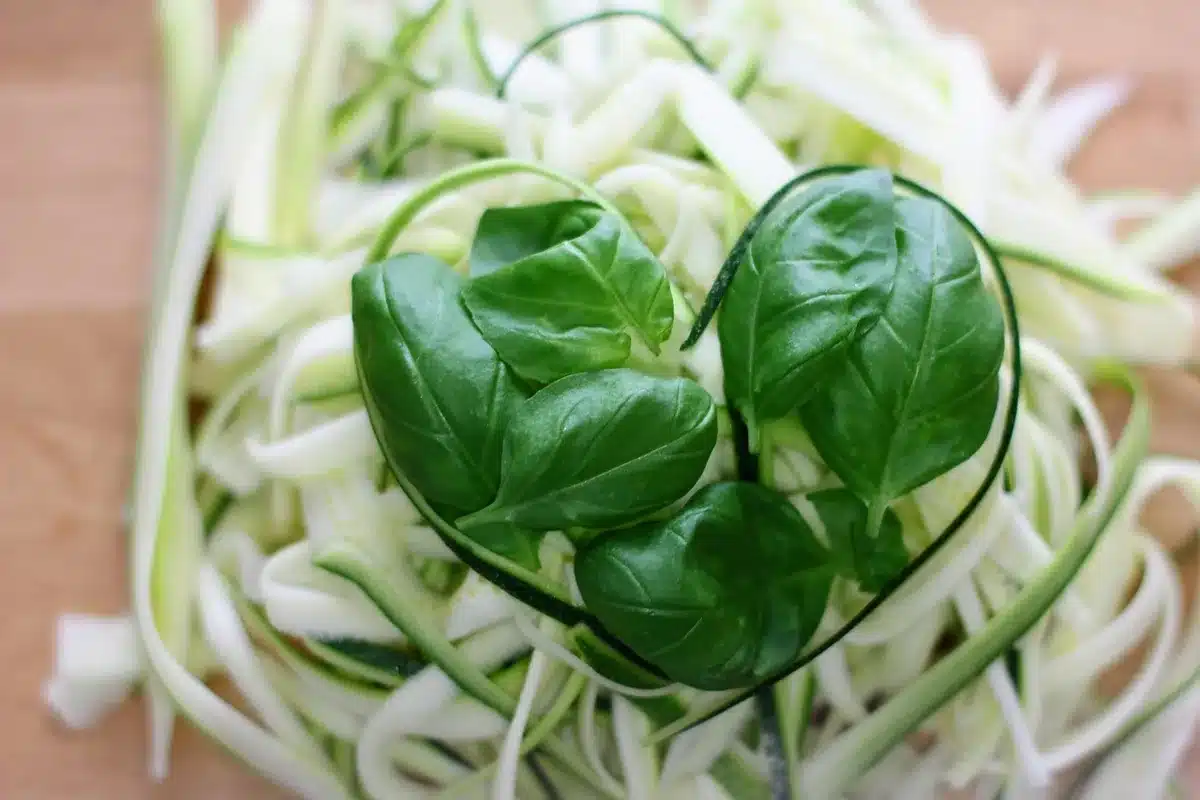

Making a jar of fresh basil pesto at home elevates simple meals and preserves the bright taste of summer. With just basil leaves, garlic, good olive oil, cheese and a handful of nuts or seeds you can whip up a versatile sauce in minutes. This pesto recipe adapts easily for allergies and fridge space, and it freezes well so you can enjoy your garden’s bounty all year. If vous serve friends or plan weekday dinners, a batch of pesto will become one of your kitchen staples.
What ingredients and equipment are essential for basil pesto?
Lavender and honey daiquiri recipe: easy floral cocktail
Easy Hawaiian-style BBQ short ribs recipe with grilled pineapple
The foundation of excellent pesto is fresh basil leaves and quality olive oil. Freshly grated Parmesan or Pecorino, a clove of raw garlic, and a small amount of pine nuts give the classic texture and flavor. You may swap almonds, walnuts, or seeds if you prefer.

For tools, a food processor gives the quickest and most even result, but a high-powered blender or a mortar and pestle also work when used carefully. Make sure your cheese is freshly grated and your oil is one you enjoy, because both will noticeably affect the final taste.
The table below summarizes a reliable starting point for quantities and useful notes that make the recipe easy to scale and customize.
| Ingredient | Amount (serves ~8) | Notes |
|---|---|---|
| Fresh basil leaves | 3 cups loosely packed | Use only leaves; avoid flowers |
| Parmesan cheese | ½–¾ cup shredded | Freshly grated for best flavor |
| Pine nuts (or substitute) | ⅓ cup | Walnuts or almonds work well |
| Garlic | 1 large clove | Fresh, roughly chopped |
| Extra virgin olive oil | ½ cup, more as needed | Adjust for texture and taste |
| Salt and pepper | To taste | Kosher salt recommended |
How do you keep pesto a bright vibrant green?
Blanching basil briefly before processing prevents the leaves from oxidizing and turning dull. Rapid exposure to boiling water followed by an immediate ice bath stops the enzymes that cause browning and preserves the vivid color.
- Fill a medium bowl with ice water and bring a pot of water to a rolling boil.
- Submerge basil leaves in boiling water for 5–10 seconds and then plunge them into the ice bath to halt cooking.
- Drain and pat the leaves dry before adding to the food processor.
This technique improves presentation without changing the pesto’s taste, so it’s ideal when color matters for a dinner party or a bright jar for the freezer.
Can pesto be made nut free or dairy free?
Absolutely. Pesto without nuts remains rich and flavorful, especially when you reduce the oil slightly so that the texture stays creamy. Many cooks replace pine nuts with toasted pepitas, sunflower seeds, or omit the nuts entirely.
Dairy-free pesto has become common and delicious thanks to alternatives like nutritional yeast, which adds a savory, cheesy note. If vous are avoiding dairy, try 1–2 tablespoons of nutritional yeast and adjust salt to taste.
Small tweaks such as a squeeze of lemon, a pinch of red pepper flakes, or swapping half the basil for parsley will help you create a customized version that suits dietary needs without sacrificing depth of flavor.
What is the best way to freeze pesto?
Pesto freezes very well and keeps the flavor intact when stored properly. Many home cooks freeze portions so they can pull out exactly what is needed for a single meal without thawing a whole jar.

Two practical methods work particularly well: flattening into freezer bags for compact stacking and freezing in individual cubes for single-serve use. Both approaches speed thawing and simplify portion control.
How can you use fresh basil pesto in everyday cooking?
Having pesto on hand transforms quick meals into memorable ones. A spoonful tossed with hot pasta creates a fast dinner, and pesto stirred into sauces or soups adds immediate depth and herbaceous brightness.
Pesto also performs well as a condiment. Spread it on sandwiches, brush it on grilled chicken or fish, or fold it into mayonnaise for an elevated sandwich spread. The oil and herbs bring immediate flavor without extra prep time.
- Toss with pasta or gnocchi
- Spread on pizza or flatbreads before baking
- Mix into roasted vegetables or mashed potatoes
- Stir into soups, stews, or dressings
Experiment with small adjustments until you find the version your family loves most. Simple swaps in nuts, cheese, or acid can turn a familiar pesto into something fresh and exciting for weeknight menus.

Jonathan Pierce specializes in approachable main dishes for everyday family meals. His writing emphasizes clarity, structure, and reliable recipes that are easy to recreate at home.