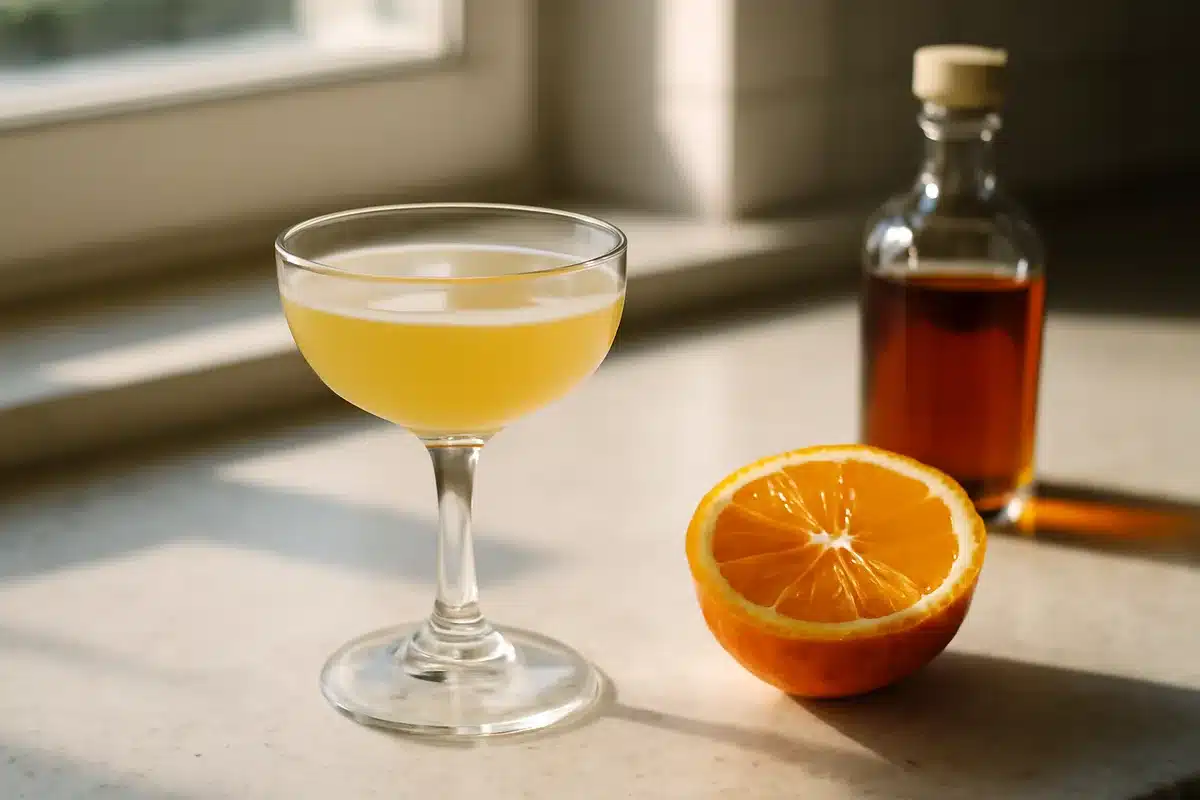

The Smoking Hand is a bold, peated whisky twist on the classic Boulevardier that balances smoke, bitter orange, and a whisper of cocoa. Served up and silky on the palate, this drink uses mole bitters to introduce warm, spiced cacao notes that lift the bitter-sweet structure. If you enjoy aperitivo-style cocktails with depth, this version rewards slow sipping and an appreciation for smoky complexity. Expect a refined bitterness wrapped in chocolatey spice and peaty warmth.
What makes the Smoking Hand different from a traditional Boulevardier?
Lavender and honey daiquiri recipe: easy floral cocktail
Easy Hawaiian-style BBQ short ribs recipe with grilled pineapple
The Smoking Hand shifts the foundation from bourbon or rye to a peated whisky, which brings a distinctive smokiness to the foreground. This change alters how the vermouth and Campari interact, creating a darker aromatic profile and a firmer, more savory finish. The drink keeps the bitter-sweet backbone you expect from a Boulevardier while adding campfire-like notes that play well with bitters and chocolate nuances.
Another defining element is the use of mole bitters instead of standard aromatic bitters. Mole bitters add roasted chili warmth, cacao, and subtle earthy spices that heighten the cocktail’s complexity. Together the peated whisky and mole bitters turn a familiar template into something celebratory and slightly mysterious.
How do mole bitters shape the flavor?
Mole bitters are concentrated extracts inspired by Mexican mole sauces, featuring cacao, dried chilies, and toasted seeds. Those components deliver cacao notes and earthy heat in small, precise doses so the cocktail does not become cloying. The chocolatey undertones complement the bitter orange of Campari and the herbaceous sweetness of sweet vermouth.

When added sparingly, mole bitters sharpen the midpalate and leave a delicate spice trail on the finish. Adjusting the drop count modifies the chocolate and chili presence, allowing vous to personalize intensity without overpowering the whisky. Small changes in bitters create noticeable differences because of their concentrated flavor.
Pairing-wise, the bitters align brilliantly with smoky spirits and dark vermouths. They also buffer the alcohol’s edge, smoothing transitions between sips and emphasizing savory aromas that might otherwise remain subtle. In short, mole bitters transform the cocktail from bitter-sweet into layered and tactile.
How can you make a Smoking Hand cocktail at home?
Start by selecting a peat-forward single malt or a peated blended whisky you enjoy. The level of peat will determine how smoky the final drink feels, so choose more gently peated whiskies if you prefer balance. Use quality sweet vermouth and Campari for a reliable bitter-sweet backbone.

Follow this practical recipe and technique for consistent results. Stir the cocktail with large ice to chill without over-dilution and strain into a chilled coupe or Nick & Nora glass for a refined presentation. Gentle stirring preserves clarity while adding the right degree of dilution.
| Ingredient | Amount | Notes |
|---|---|---|
| Peated whisky | 45 ml (1.5 oz) | Choose moderate peat for balance |
| Sweet vermouth | 30 ml (1 oz) | Preferably full-bodied and aromatic |
| Campari | 30 ml (1 oz) | Classic bitter orange backbone |
| Mole bitters | 2–4 dashes | Adjust to taste for cacao and spice |
Basic technique:
- Fill a mixing glass with ice and add all ingredients.
- Stir for about 30–45 seconds until properly chilled.
- Strain into a chilled coupe and express an orange peel over the top.
Garnish options include an expressed orange twist or a thin flamed orange peel for aroma. Flamed citrus adds an extra smoky-citrus note that complements the peat without changing the drink’s balance.
Which glassware and serving tips bring out the best flavors?
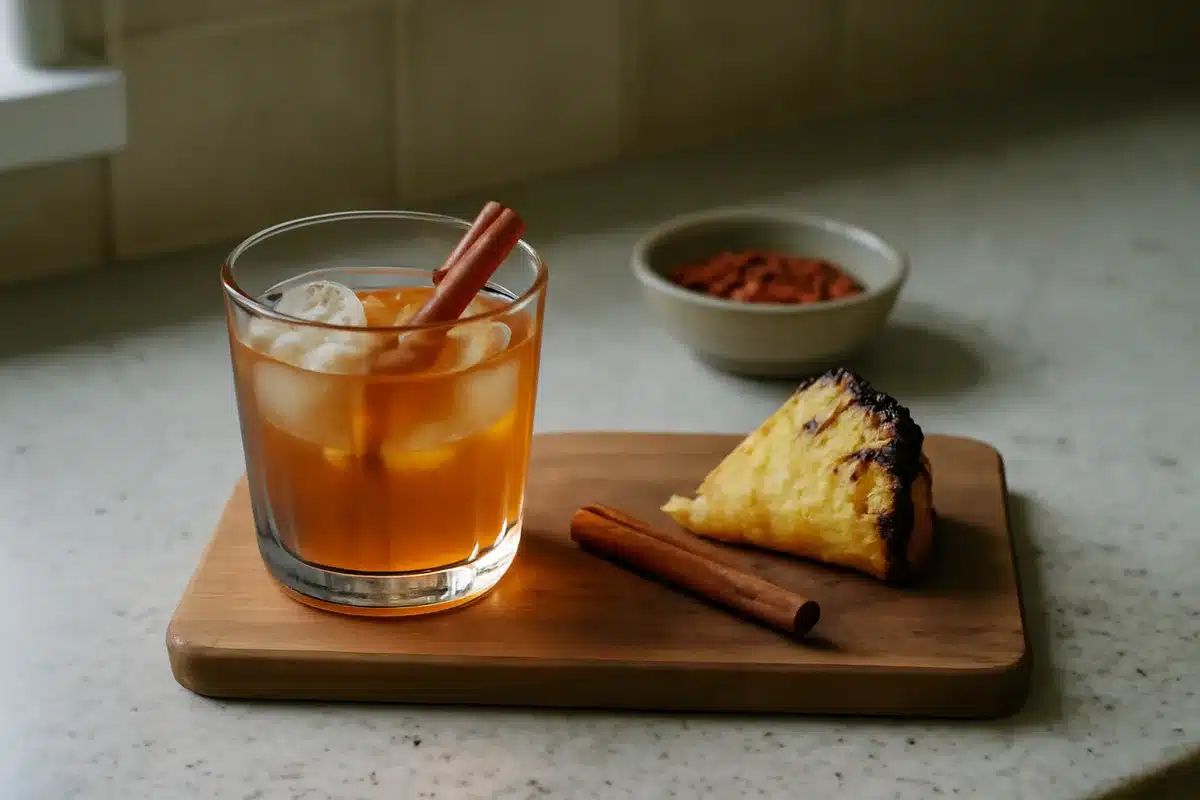
Serve the Smoking Hand in a chilled coupe or Nick & Nora glass to keep aromas concentrated near the nose. Choosing a smaller bowl helps the smoky and chocolate notes remain perceptible from the first sip. A rocks glass can work if vous prefer it over ice, but the aroma will diffuse faster.
Temperature and dilution matter more than flamboyant garnishes. Aim for a brisk chill and moderate dilution so the peat, vermouth, and bitters sing together. When you present the cocktail, add garnish at the last moment to preserve volatile aromatics and let guests experience the scent first.

Andrew Cole focuses on everyday drinks, from warm comfort beverages to refreshing options. His writing emphasizes balance, clarity, and ease of preparation.