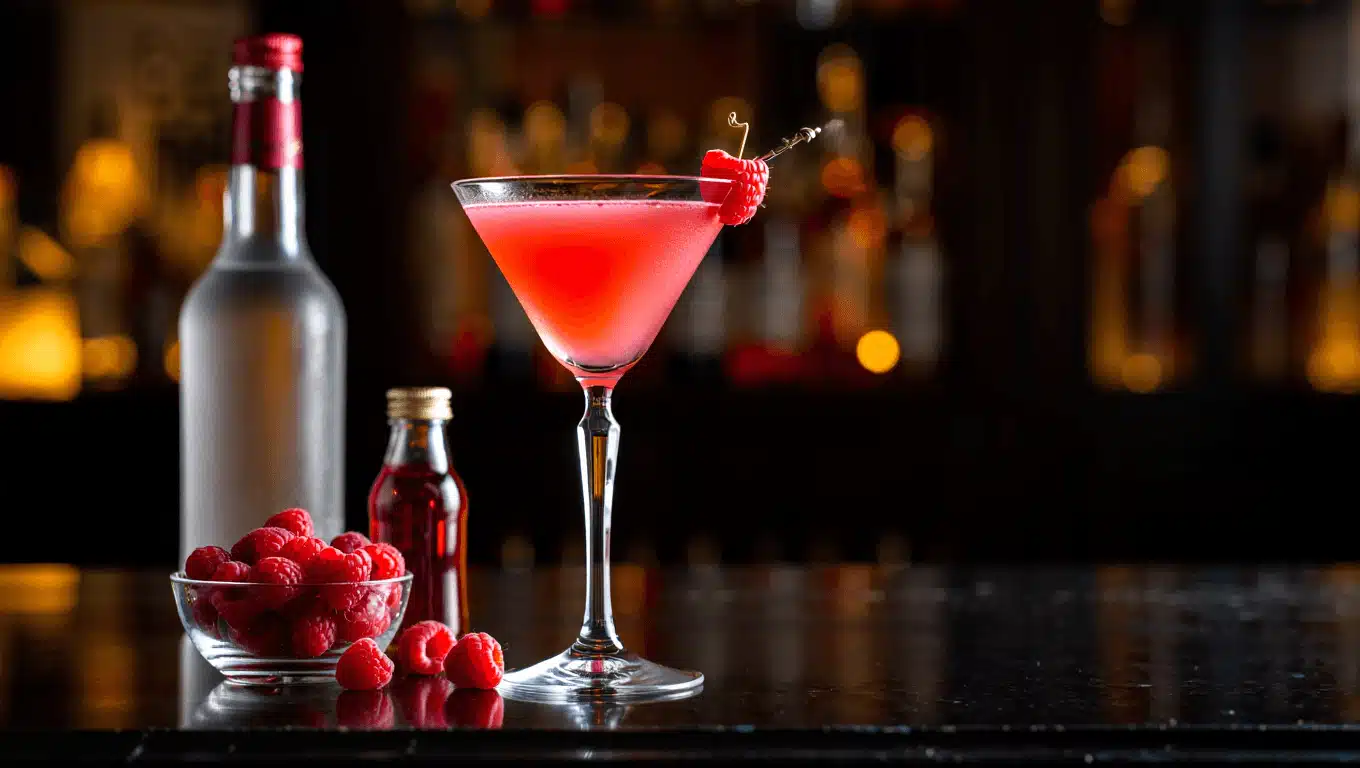
This Raspberry Vodkatini brings bright berry character into a classic martini silhouette and makes a refined option for summer menus or intimate gatherings. The recipe balances vodka, dry vermouth and raspberry purée for a cocktail that tastes fruity without losing its spirit-forward edge. You will find clear measurements, simple techniques and practical tips below so you can recreate a consistent Raspberry Vodkatini at home or behind a busy bar. Keywords like Raspberry Vodkatini, vodka martini and raspberry puree appear naturally as we describe ingredients, preparation and nutritional facts.
What goes into a Raspberry Vodkatini?
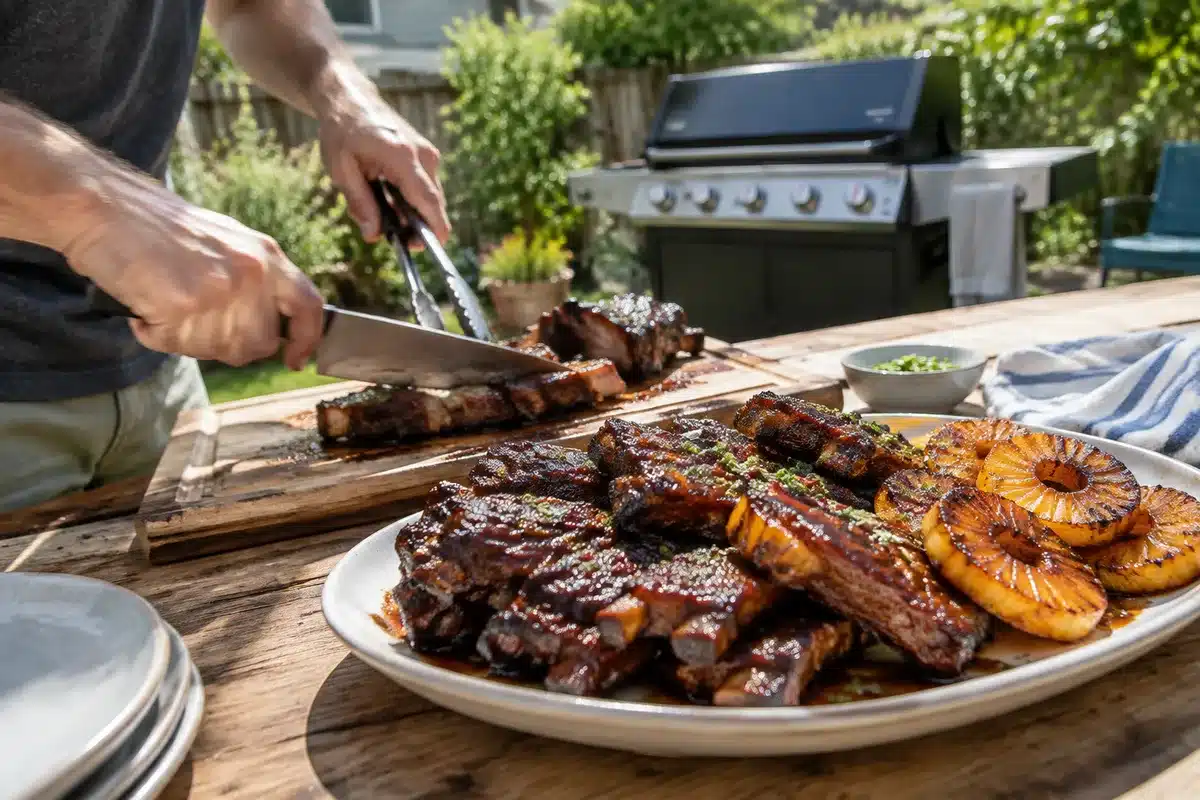
How to make a Lucky Lily margarita: spicy tequila and pineapple cocktail recipe
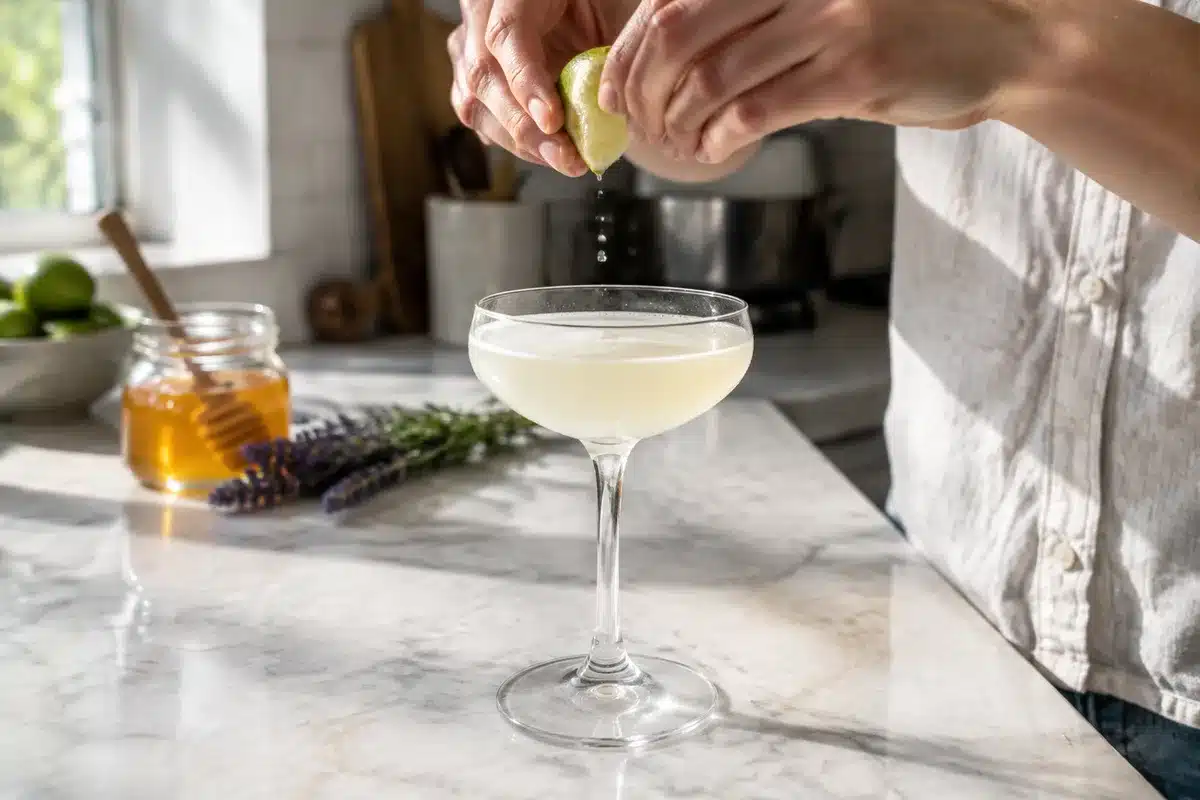
Lavender and honey daiquiri recipe: easy floral cocktail
The Raspberry Vodkatini centers on four primary ingredients that are easy to source. Use a quality vodka for a clean base and a dry vermouth to keep the drink crisp. Fresh or high-quality raspberry purée provides texture and aromatic depth while a touch of rich sugar syrup tames tartness.
Here is a compact ingredient list with common measurements adapted for a single serving. Highlight the freshest purée you can find and consider chilling bottles ahead of time. Use chilled vermouth and vodka kept in the freezer for the cleanest result.
| Measure | Ingredient |
|---|---|
| 60 ml | Vodka (example: Ketel One) from freezer |
| 7.5 ml | Dry vermouth chilled |
| 20 ml | Raspberry purée chilled |
| 10 ml | Rich sugar syrup (2:1 sugar to water) |
| 2 dashes | Orange bitters (Angostura or similar) |
How do you make a Raspberry Vodkatini?
Start by chilling a small martini glass and preparing a garnish of skewered raspberries. Keep your vodka and vermouth cold so dilution and temperature remain consistent. Use a fine-mesh strainer when finishing the cocktail to remove seeds and pulp for a silky pour.
Combine all ingredients in a cocktail shaker with plenty of ice and shake vigorously until the exterior of the shaker feels very cold. Double strain into the chilled glass and finish with the raspberry skewer. Serve immediately while the aromatics and chill are at their best.
How can you adjust sweetness and raspberry intensity?
Raspberry purées vary widely in sugar content, so tasting during assembly matters. If the purée is sweet, reduce the sugar syrup by half or skip it altogether. Conversely, use more syrup if purée is very tart.
Small technique changes produce different results. Muddling fresh raspberries yields a brighter, more textured drink while sieved purée creates a smoother mouthfeel. And if vous prefer a lighter expression, cut the vodka by 10 ml and add a splash of soda for a sparkling version.
Here are quick substitution and serving ideas that preserve balance
- Swap dry vermouth for a slightly herbal blanc vermouth for extra aromatics
- Use raspberry liqueur for a sweeter, deeper profile and reduce sugar syrup
- For a visually striking serve, float a few whole raspberries or a thin lemon twist
When preparing multiple servings, scale ingredients proportionally and keep fruit purée chilled in a sealed container. Measure carefully and adjust sweetness only after tasting the mixed cocktail.
What are the nutrition and alcohol details?
A single Raspberry Vodkatini contains roughly 191 calories per serving. Alcohol by volume for one serving measures about 19.13% alc./vol. which equates to approximately 1.4 standard drinks and near 20.1 grams of pure alcohol.
These figures are approximate and influenced by the exact vodka strength and sweetness of the purée. If you need a lighter option, lower the vodka by 10–20 ml and increase purée or soda to maintain flavor without adding alcohol.
Where did this Vodkatini come from?
This Raspberry Vodkatini was developed in a contemporary cocktail setting with the intention of pairing bright fruit with a spirit-forward template. The mix honours classic martini technique while introducing a clear fruit element that stays assertive rather than cloying.
The original version first appeared in a restaurant context in mid 2026 and has been adapted by bartenders seeking a seasonal, crowd-pleasing martini variant. Presentation plays a big role here because the clear, pale pink colour and a neatly skewered raspberry make an immediate impression.
When you recreate this drink chez vous or in a professional environment, focus on temperature, texture and balance. Small adjustments yield different but equally enjoyable interpretations and the formula adapts well to scaling for menus or events.

Andrew Cole focuses on everyday drinks, from warm comfort beverages to refreshing options. His writing emphasizes balance, clarity, and ease of preparation.