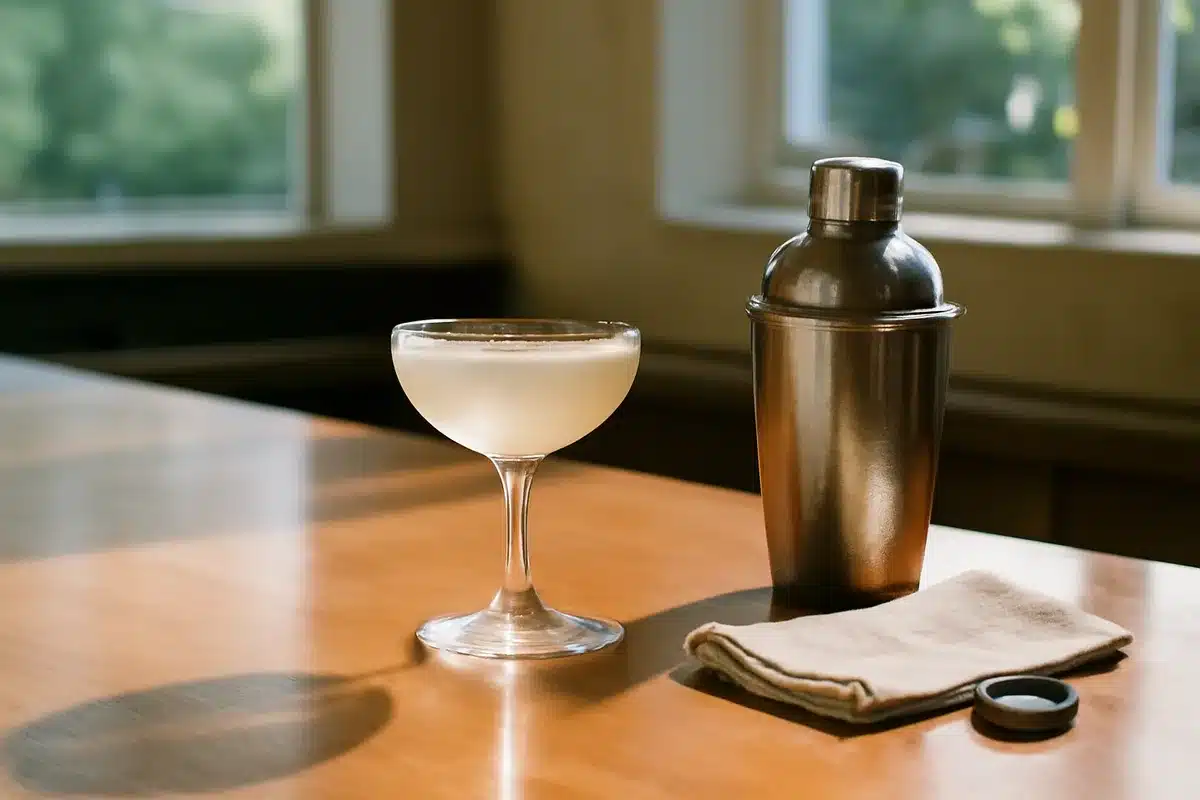

Classic Boulevardier elements meet a savory twist in this Roasted Duck Boulevardier, a spirit-forward cocktail that balances bourbon, rye and a Campari-style bitter with a chilled sweet vermouth and an unusual roasted duck fat wash. This recipe brings a smoky, umami edge to an otherwise familiar bittersweet profile and works well when you want a cocktail that feels both elegant and adventurous. Ingredients like bourbon, straight rye, red bitter and vermouth are essential, while the duck fat wash and a whisper of saline are optional but transformative for texture and depth.
What ingredients do you need for the Roasted Duck Boulevardier?
How to make an aged honey daiquiri: rum cocktail recipe and flavor tips
Mint and basil pesto recipe: easy homemade pesto with fresh herbs
The drink maintains the classic Boulevardier ratio but splits the base between two whiskeys for complexity. Use 22.5 ml bourbon and 22.5 ml straight rye (100 proof / 50% alc./vol.) so the bourbon brings roundness while the rye provides spice. A Campari-style bitter and a chilled red vermouth complete the bitter-sweet axis.
Small, precise additions matter. Measure 22.5 ml Strucchi Red Bitter and 22.5 ml Strucchi Rosso Vermouth. Add four dashes of a roasted duck fat wash for the signature savory layer. A few drops of saline solution can lift flavors; use sparingly and only if you want that extra nuance.
| Ingredient | Amount | Notes |
|---|---|---|
| Bourbon whiskey | 22.5 ml | Adds sweetness and body |
| Straight rye whiskey (100 proof) | 22.5 ml | Spice and backbone |
| Strucchi Red Bitter | 22.5 ml | Campari-style bitterness |
| Strucchi Rosso Vermouth | 22.5 ml | Chilled, sweet vermouth |
| Roasted duck fat wash | 4 dashes | Creates savory texture |
| Saline solution | 3 drops | Optional, 20g salt to 80g water |
How should you prepare the glass and garnish?
Select an Old-fashioned glass and chill it before service. A cold vessel keeps dilution steady and shows off the drink’s clean appearance. Pre-chilling also helps when you serve on a single large ice cube.
Prepare an orange zest twist for garnish. Express the oils over the surface of the cocktail for aroma, then finish by placing the twist on the rim or floated gently. If vous prefer a more assertive citrus note, lightly flame the peel before expressing oils.
How do you assemble the Roasted Duck Boulevardier?
Begin by adding all measured spirits, vermouth and the red bitter into a mixing glass with plenty of ice. Add the roasted duck fat wash and saline if using. Use a bar spoon and stir until the mixture is well chilled and slightly diluted.
Strain the stirred cocktail into the chilled Old-fashioned glass over fresh ice. Aim for a smooth, clear pour; fine straining helps remove small fat particles and ensures a silky mouthfeel. Express the orange twist over the surface and drop it in as garnish.
Serve immediately while the cocktail is cold and aromatic. The roasted duck fat wash will settle into the spirit matrix and create a subtle sheen and savory trailing note that evolves as you sip.
What allergens and nutritional details should you be aware of?
This recipe contains elements that may trigger allergies. The sweet vermouth typically includes sulphur dioxide or sulphites from the fortified wine process. The roasted duck fat wash introduces animal product and a meat allergen risk. Check ingredient labels and communicate with guests when serving.
- Sulphites from sweet (rosso) vermouth
- Meat traces from roasted duck fat wash
One serving contains about 194 calories. Alcohol content works out to approximately 26.4% alc./vol., which equals roughly 1.7 standard drinks and about 24.2 grams of pure alcohol. Adjust portions or dilution if vous need lower strength or calorie counts.
What does this cocktail taste like and what else might you try?
The Roasted Duck Boulevardier keeps the Boulevardier’s bittersweet DNA while introducing a savory umami thread. Expect a boozy backbone, herbaceous vermouth, and bitter orange notes from the red bitter. The duck fat wash rounds out edges and adds a silky mouthfeel.
Palate mates include the Negroni family and other bittersweet aperitivo drinks. If vous enjoy this savory twist, try experimenting with different smoked or cured fat washes, or swap in other Campari-style liqueurs for nuanced bitterness. Similar spirit-forward cocktails that highlight vermouth and bitter liqueur make good alternatives when you want the same profile without the duck fat element.

Andrew Cole focuses on everyday drinks, from warm comfort beverages to refreshing options. His writing emphasizes balance, clarity, and ease of preparation.