
Weeknight dinners get an upgrade with this easy skillet chicken thighs recipe glazed in a buttery apple cider pan sauce that balances sweet and savory. Crisped boneless skinless chicken thighs take on a glossy glaze made from fresh apple cider and pure maple syrup, and the whole meal comes together in one skillet for minimal cleanup. Families love it for the comforting flavors and quick prep, and you will find the sauce especially irresistible when spooned over mashed potatoes or rice. Scroll down for clear ingredient amounts, step-by-step technique, and helpful tips for perfect results every time.
What ingredients make the apple cider glazed chicken?
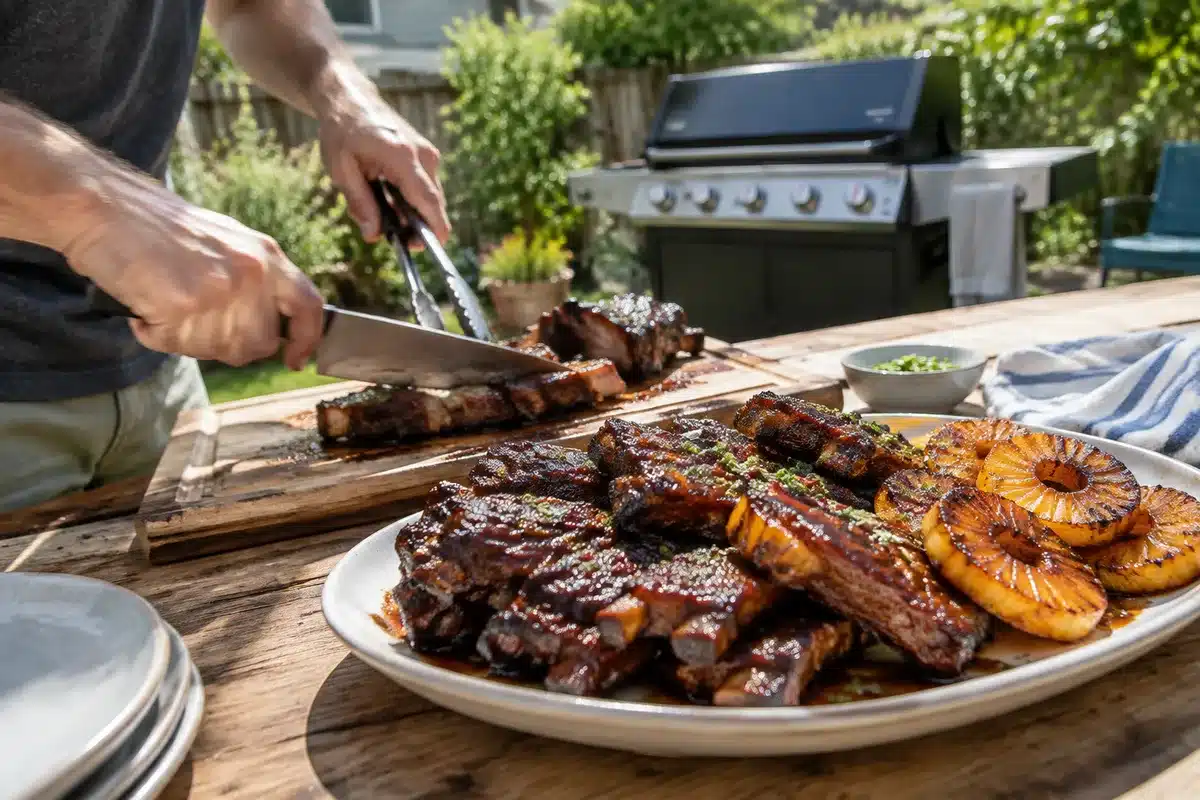
How to make a Lucky Lily margarita: spicy tequila and pineapple cocktail recipe
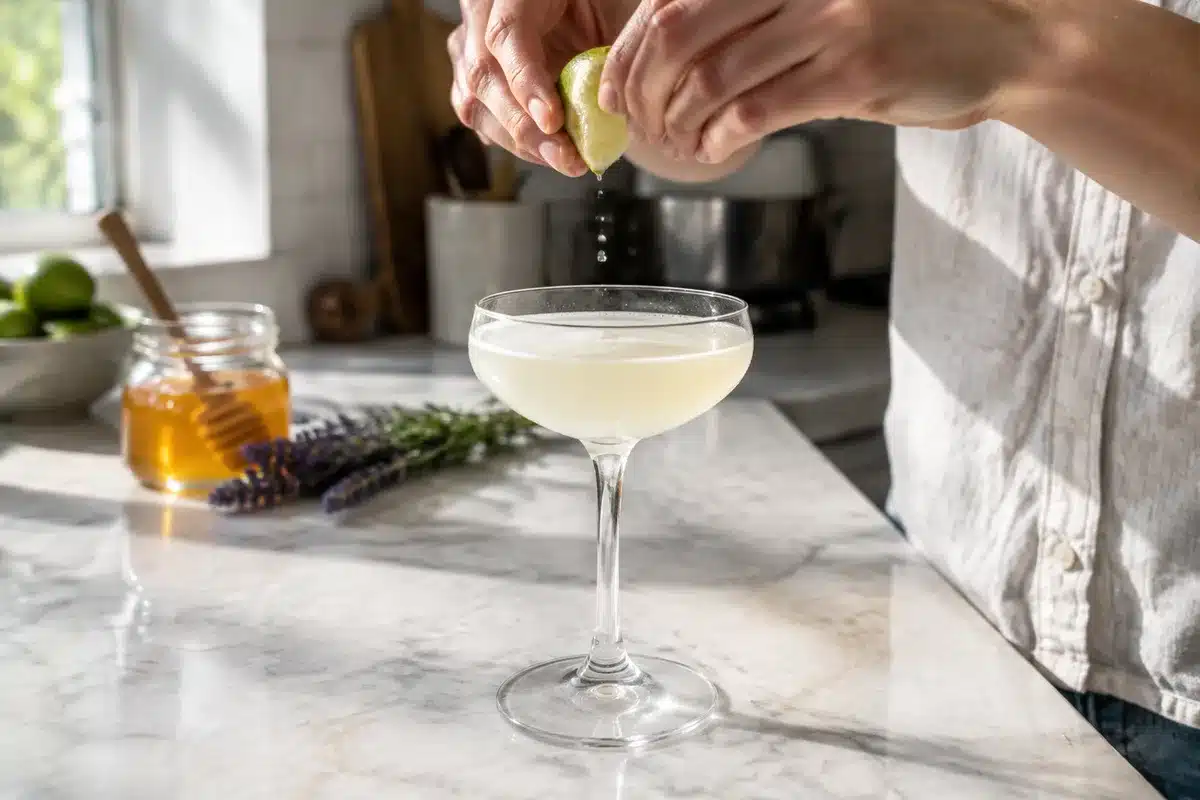
Lavender and honey daiquiri recipe: easy floral cocktail
The flavor foundation is simple and pantry-friendly. Use boneless skinless chicken thighs for the juiciest texture, a light coating of cornstarch for a golden crust, and a few seasonings like kosher salt, black pepper, onion powder and garlic powder.
A bright, balanced sauce combines apple cider (the cloudy, fresh kind, not vinegar), chicken broth, Dijon mustard and real maple syrup. A sprig of rosemary and a couple tablespoons of butter at the finish make the glaze fragrant and silky.
Ingredients at a glance appear below so you can shop or check your pantry quickly.
| Ingredient | Amount (serves 4) | Notes |
|---|---|---|
| Boneless skinless chicken thighs | 2 pounds (6–8 thighs) | Avoid overcrowding the pan |
| Cornstarch | ½ cup (approx.) | Light dredge for crust and sauce thickening |
| Kosher salt, black pepper, onion powder, garlic powder | To taste (see notes) | Mix spices first for even seasoning |
| Olive or avocado oil | 1 tablespoon | Pan needs to be hot before adding oil |
| Chicken broth | 1 cup | Use low-sodium if watching salt |
| Apple cider | ½ cup | Cloudy fresh cider, not vinegar |
| Real maple syrup | 2 tablespoons | Gives depth and natural sweetness |
| Dijon mustard | 1½ teaspoons | Adds brightness and helps emulsify |
| Fresh rosemary (optional) | 1 sprig | Aromatic finish, but optional |
| Butter | 2 tablespoons | Whisk in at the end for gloss |
How do you pan-sear and glaze the thighs?
Pat the thighs completely dry and season both sides with salt, pepper, onion powder and garlic powder so the flavors stick. Lightly coat each piece with cornstarch, shaking off the excess so you keep only a thin dusting that helps with browning.
Heat a 12-inch skillet until it is hot and shimmering, then add oil and swirl to coat the surface. Place the thighs spaced evenly and resist moving them; the crust forms when the meat releases naturally. Cook about 10–12 minutes on the first side until you see the cooked color creeping up the sides, then flip and cook to an internal temperature of about 180°F for thighs.
Use the same pan for the sauce so you capture the browned bits. Add broth, apple cider, maple syrup and Dijon, scrape up fond, and simmer until the liquid reduces and concentrates. Finish by lowering heat and whisking in butter until the sauce is glossy, then return the chicken and spoon the glaze over each piece.
What quick steps help make the sauce perfect?
Keep an eye on reduction so the sauce does not evaporate away. If it becomes too concentrated, add a splash more cider or broth to loosen it up without losing flavor.
If you prefer a thicker finish, whisk together a teaspoon of cornstarch with a couple tablespoons of cold broth and add that slurry near the end, simmering until your desired consistency appears. Many cooks rely on this trick when they need the glaze to cling tightly for plating.
Can chicken breasts or other thickeners be used instead?
Chicken breasts work fine if you prefer leaner meat, but adjust technique for even cooking. Pound breasts to an even thickness so they sear consistently, and stop cooking at 165°F internal temperature to avoid dryness.
Substitute all-purpose flour for cornstarch if that is what you have, although the crust will be a bit less crisp. The recipe remains gluten-free when you use cornstarch and verify your mustard and broth are gluten-free certified if needed.
What sides, timing and storage tips should you know?
This skillet meal takes roughly 30 minutes from prep to plate, with about 10 minutes of active prep and 20 minutes of cooking. It pairs beautifully with mashed potatoes, rice, or roasted vegetables that can soak up the extra glaze.
Leftovers store well in the refrigerator for up to three days when sealed in an airtight container. Reheat gently on the stovetop to preserve texture and whisk a bit of broth into the sauce if it tightens too much during refrigeration.
If vous are planning ahead for a crowd, keep the cooked thighs warm on a baking sheet in a low oven while preparing the sauce; this keeps the crust crisp until serving.
Troubleshooting and pro tips
If the chicken sticks when you try to flip it, the crust likely needs more time; wait until it releases naturally. Lower the heat slightly if the exterior is browning faster than the center cooks.
- Prevent thin sauce by using cornstarch lightly at the start and finishing with butter for shine and body.
- Adjust sweetness by tasting the glaze and adding more maple syrup in small increments if you prefer a sweeter profile.
- Herb swap works well—thyme or a bay leaf can replace rosemary if desired.

Jonathan Pierce specializes in approachable main dishes for everyday family meals. His writing emphasizes clarity, structure, and reliable recipes that are easy to recreate at home.