
Hungarian fried cabbage and noodles is a simple, budget-friendly one-pan meal of sautéed cabbage folded into cooked egg noodles; it cooks in about 30 minutes and serves a crowd. Follow a few small technique points—slice the cabbage thin, salt it early to help it wilt, then turn up the heat so it caramelizes—and you’ll get deep, savory flavor from just butter, cabbage, noodles, salt, and pepper.
Why this humble dish deserves a place on your weeknight rotation
25 Of Our Best Chicken and Cream Cheese Recipes
Martha Stewart: Tasted 8 Dishes at her Foxwoods restaurant — What to order
This recipe is comfort food that costs next to nothing. A head of cabbage and a packet of wide egg noodles feed many people, and the finished dish keeps well for several days in the fridge. That economy explains why it’s been a staple in Eastern European immigrant kitchens for generations.
Beyond price, cabbage and noodles is gratifying because it transforms two everyday pantry items into something rich and layered. You get mellow sweetness from the caramelized cabbage and a silky mouthfeel from the butter and noodles. It’s a good main dish on its own or a sturdy side with roasted or braised meats.
Key ingredients and what each one does
At its core the recipe calls for egg noodles, cabbage, butter, and simple seasoning. Keep the ingredient list short. That makes it forgiving and fast while still allowing a few thoughtful tweaks.

Noodles
Wide egg noodles are traditional because they hold up to tossing and carry buttery sauce well. Cook them until just tender according to the package directions, then drain thoroughly to avoid a watery final dish. If you use a narrower cut, be gentler when combining so the pasta doesn’t break apart.
Cabbage and butter
Shredded green cabbage is wilted, then browned in butter until parts of it reach a deep amber color. Use real butter if you can because it adds a round, nutty richness. The recipe calls for a generous amount of butter so the cabbage caramelizes rather than simply steams.
Practical, step-by-step cooking advice and common mistakes to avoid
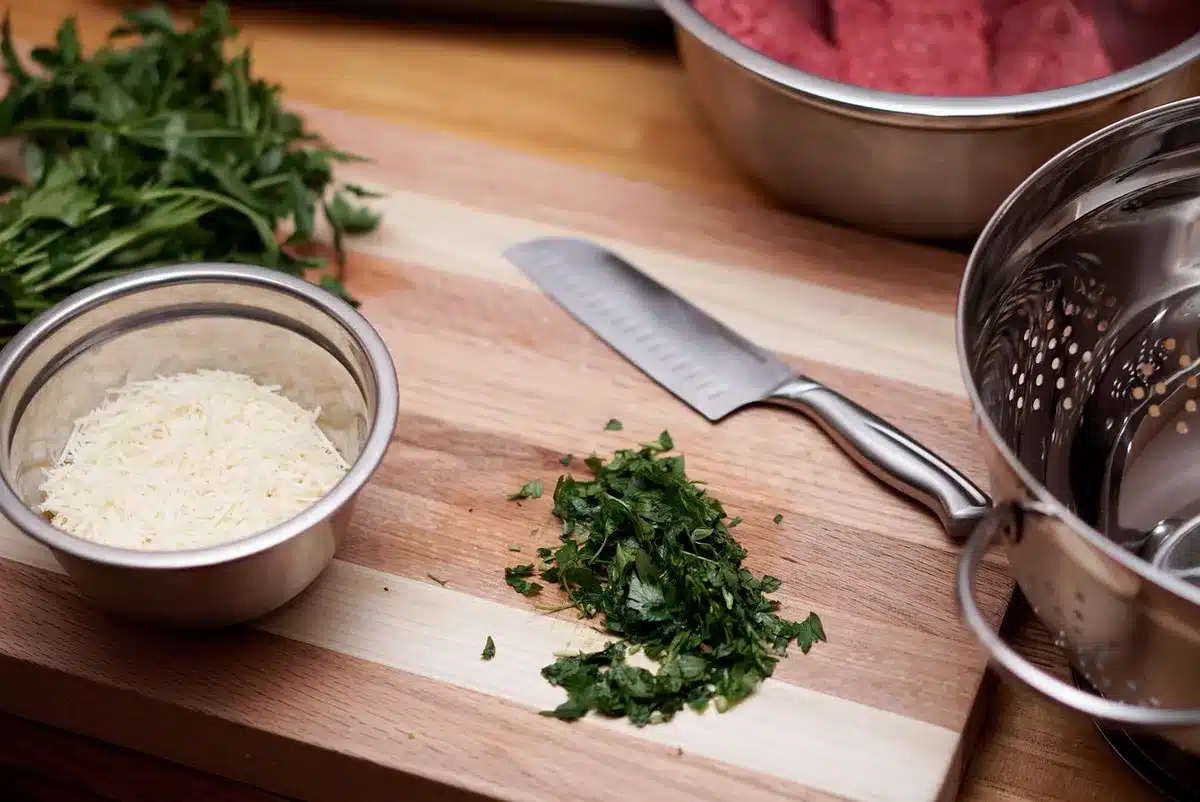
Start by removing the core and cutting the cabbage into thin ribbons. Thin slices wilt faster and develop more surface area for browning. Salt the cabbage early to help pull moisture out and speed the softening process.
Cook in a large skillet over medium heat with the butter. Cover briefly to wilt, then remove the lid and raise the temperature. This two-stage approach first softens the cabbage and then encourages caramelization. Keep a watchful eye and stir often to prevent burning.
When the cabbage has ambered and smells sweet, season with black pepper and fold it into the drained noodles. Avoid tossing while the pan is still very hot and watery; excess liquid will make the noodles soggy. Taste and adjust salt at the end because some brands of noodles or butter contain more sodium than others.
Flavor variations that actually improve the dish
If you want to introduce new textures or deeper savory notes, a handful of sensible additions work well. Below are easy swaps and additions many home cooks use.
- Caramelized onions for sweetness and complexity
- Cooked bacon or a spoonful of bacon fat to add smoky umami
- Caraway seeds for a slightly anise-like lift
- Sour cream or cottage cheese folded in briefly for creaminess
- Sliced kielbasa tossed with the noodles when serving for a heartier meal
What to serve it with and how to store and reheat it
Cabbage and noodles plays several roles. It is a comforting vegetarian main if you keep it simple, an excellent side for pork roast or chicken paprikash, and a convenient accompaniment to sausages or grilled meats. A light sprinkle of sweet Hungarian paprika when serving brightens the color and adds aroma.
Leftovers store well in an airtight container in the refrigerator for up to four days. Freezing is not recommended because the texture of the cabbage and noodles degrades when thawed. Reheat gently over low heat on the stovetop with a splash of water or butter to loosen the mixture rather than microwaving at full power, which can make it dry or rubbery.
Make it tonight: a short shopping and timing checklist
Plan on about 10 minutes of prep and 20 minutes of active cooking, totaling roughly 30 minutes from start to finish. The recipe quantities below are the simple essentials you need to shop for and an easy timing plan to follow.
Shopping basics: one large green cabbage, one 12-ounce package egg noodles, six tablespoons salted butter, salt, and ground black pepper. Expect roughly eight servings from these amounts and about 431 kcal per serving as a general estimate.
Timing checklist: start water for the noodles, shred the cabbage while the water heats, melt the butter and begin wilting the cabbage, cook the noodles, caramelize the cabbage until amber, drain noodles, fold cabbage into noodles, and taste for seasoning. If you want to add onions or bacon, sauté them first and then proceed with wilting the cabbage.
Grab the cabbage and noodles on your next grocery run and try the two-stage cooking method tonight. You’ll get a crowd-pleasing, inexpensive meal with minimal fuss and a lot of flavor.

Elliot Raymond focuses on side dishes that balance meals without overpowering them. His recipes are flexible, light, and easy to pair with a variety of cuisines.