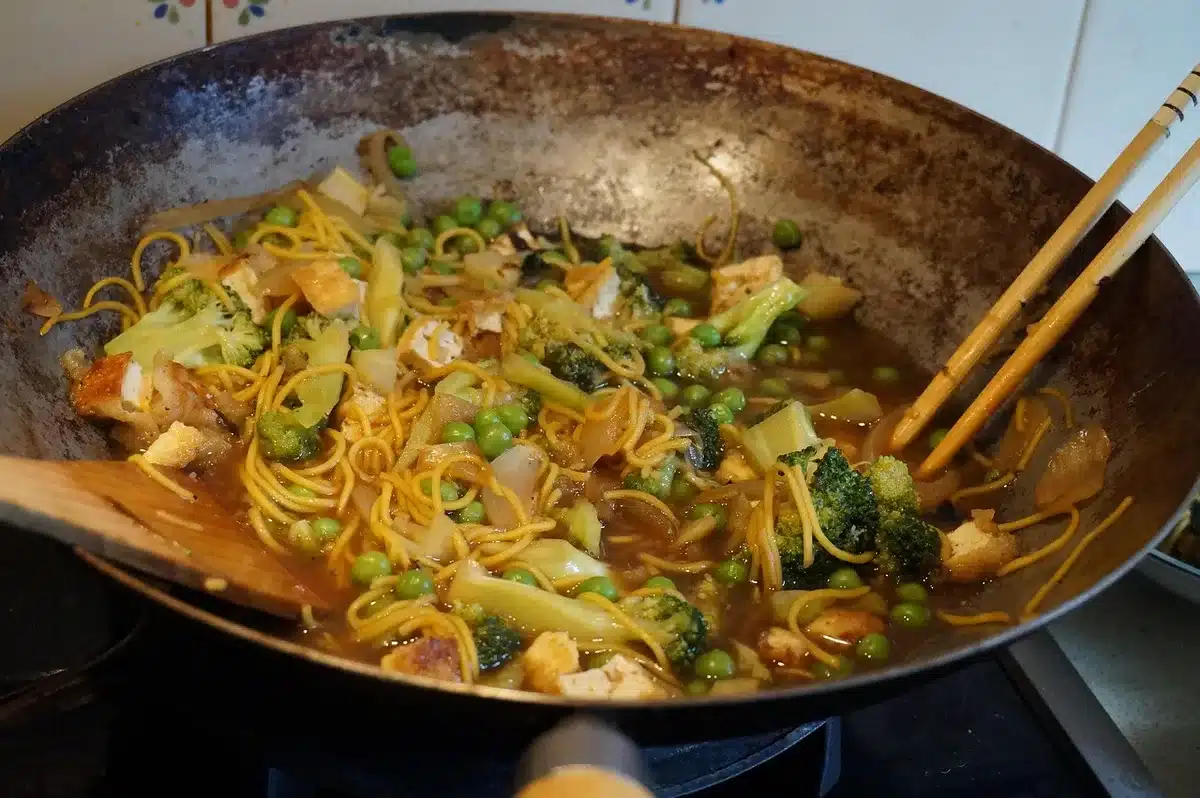
When weeknight schedules get tight and hunger calls, a quick and easy noodle stir-fry becomes the best shortcut to a satisfying meal. This noodle stir-fry recipe balances speed and flavor so you can get dinner on the table in under 20 minutes without sacrificing texture or taste. With simple pantry staples and a few fresh ingredients you will learn how to transform basic noodles into a restaurant-style dish that works as a family-friendly weeknight dinner or a flexible meal prep option.
How can you make a quick and easy noodle stir-fry?
How to make a Lucky Lily margarita: spicy tequila and pineapple cocktail recipe
Lavender and honey daiquiri recipe: easy floral cocktail
Start by preparing all ingredients before the pan heats. Cutting vegetables and measuring sauces first avoids rushed mistakes and keeps cooking fast. High heat and a roomy pan deliver the signature sear that separates good stir-fry noodles from bland ones.
Quick method
Cook the noodles one minute less than package directions so they finish in the wok. Toss them with a splash of oil after draining to prevent clumping. Work in small batches while stir-frying proteins and vegetables for even browning.
Flavor base
Use a combination of soy sauce, a touch of sugar or honey, and a splash of rice vinegar for brightness. Finish with sesame oil and fresh aromatics like green onion or cilantro for contrast. If you prefer heat, a spoonful of chili paste or crushed red pepper lifts the dish without overpowering it. Keep a neutral oil with a high smoke point ready so the pan stays hot and ingredients brown quickly. Adjust seasoning at the end rather than during cooking for better control.
What ingredients should you keep on hand for fast weeknight stir-fries?
Stocking a few versatile staples makes noodle stir-fry truly quick. When those containers are full you can improvise based on what you have in the fridge or freezer. Focus on items that store well and layer flavor easily.
A compact pantry list will speed up prep and broaden your options for protein and vegetables. If vous cook regularly, double up on things like soy sauce and sesame oil so you never run out mid-recipe.
- Pantry: soy sauce, oyster or hoisin sauce, rice vinegar, sesame oil, neutral oil, chili paste
- Noodles: egg noodles, rice noodles, udon, ramen or soba depending on your texture preference
- Fresh and frozen: garlic, ginger, green onions, bell peppers, carrots, frozen peas or edamame
- Proteins: tofu, shrimp, thin-sliced chicken, or leftover roast beef
With this setup you can assemble a balanced stir-fry in minutes and tailor it to dietary needs or seasonal produce. Use leftover vegetables and proteins to minimize waste and speed up cooking even more.
How do you keep noodles from sticking and stay glossy?
Rinse many packaged rice and glass noodles under cold water after cooking to remove excess starch and prevent clumping. For wheat-based noodles, tossing immediately with a teaspoon of oil keeps strands separate while you finish other components. Avoid overcooking noodles in boiling water since they’ll continue to soften in the pan.
Finish the dish over medium-high heat so the sauce reduces slightly and coats the noodles. A small pat of butter or a drizzle of extra sesame oil added at the end brings sheen and roundness to the flavor.
Can this stir-fry be adapted for vegetarian or gluten-free diets?
Absolutely, and adaptations are simple without compromising on taste or texture. Swap regular soy sauce for tamari or a certified gluten-free alternative to keep the umami while avoiding gluten. For vegetarian and vegan versions, replace oyster or fish sauce with mushroom-based sauces or a dash of miso diluted in water.
| Typical ingredient | Vegetarian swap | Gluten-free swap |
|---|---|---|
| Soy sauce | Tamari or coconut aminos | Gluten-free tamari or coconut aminos |
| Oyster/fish sauce | Mushroom sauce or miso blend | Gluten-free fish sauce or mushroom sauce |
| Wheat noodles | Rice noodles or glass noodles | Rice noodles, buckwheat soba (100% buckwheat) |
| Regular hoisin | Homemade hoisin with miso | Gluten-free hoisin |
These simple swaps keep the dish inclusive and flavorful while allowing you to maintain the same quick technique. Taste and tweak as you go, and use fresh herbs or toasted seeds to add depth without complexity.

Jonathan Pierce specializes in approachable main dishes for everyday family meals. His writing emphasizes clarity, structure, and reliable recipes that are easy to recreate at home.