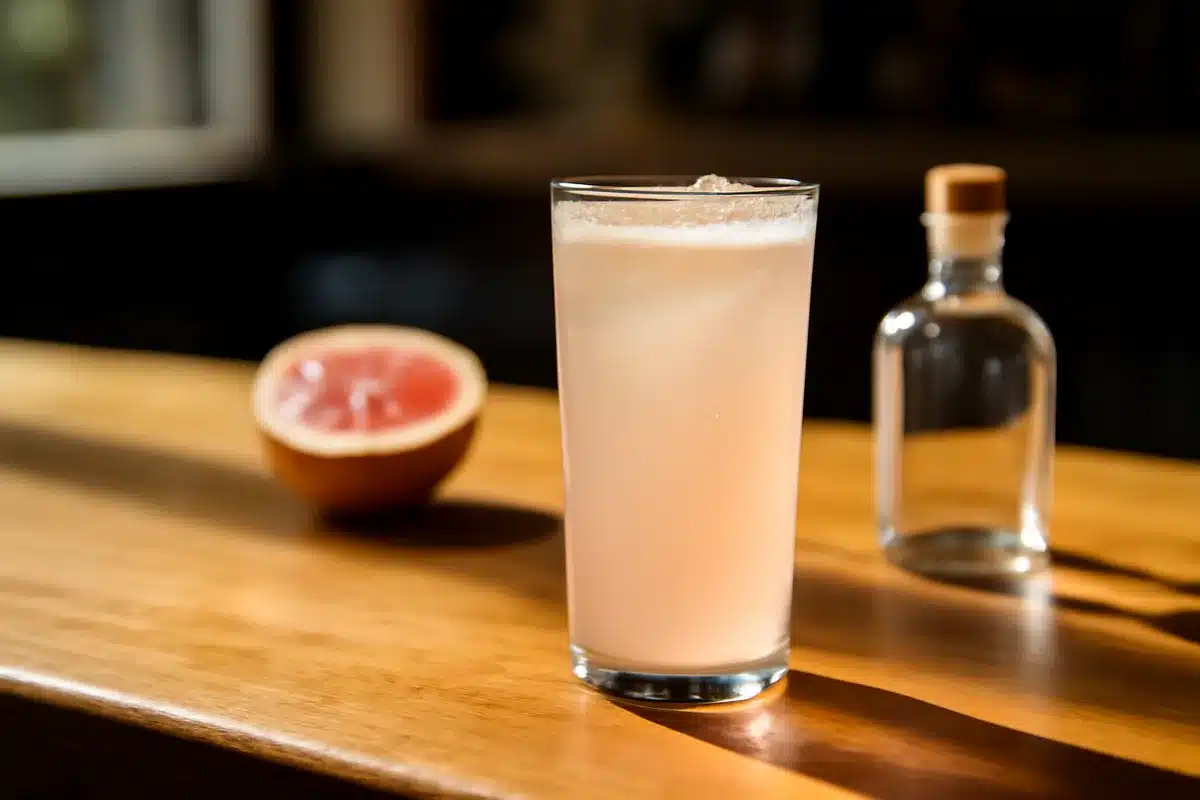
Meet the Tango, a refined cocktail by Mattia Capezzuoli that puts a crisp spin on the classic Paloma and embraces a delicate bittersweet character. This drink balances smoky and citrus elements while staying bright and refreshing, ideal for anyone seeking a modern, well-rounded cocktail recipe. You will find notes of grapefruit, light bitterness, and a cleansing finish that make the Tango a versatile option for bars and home mixologists alike.
What exactly is the Tango cocktail?
How to make a Lucky Lily margarita: spicy tequila and pineapple cocktail recipe
Lavender and honey daiquiri recipe: easy floral cocktail
The Tango is a contemporary riff on the traditional Paloma, reworked to highlight subtle bitter tones without overwhelming the palate. Mattia Capezzuoli crafted the drink to feel both familiar and inventive, blending elements of grapefruit and agave-forward spirits. The result is a cocktail that reads as cleansing and slightly savory rather than sweet.
In classic Paloma fashion the drink keeps grapefruit at its core, but the Tango often introduces a smoky or herbal note to create contrast. Many bartenders favor mezcal or reposado tequila for depth, while a dash of bitters rounds the edges. That bitter backbone is what sets the Tango apart and gives it its defining personality.
This cocktail works well as an aperitif and pairs nicely with spicy or citrus-driven dishes. Bars aiming for a modern, balanced menu will find the Tango fits between light sippers and heavier stirred drinks.
How do you make an authentic Tango?
Begin with quality ingredients and keep proportions focused on balance rather than complexity. Use fresh grapefruit juice for brightness and a spirit that provides character without dominating. Small adjustments in sweetness and bitterness will change the drink’s profile significantly, so taste as you go.
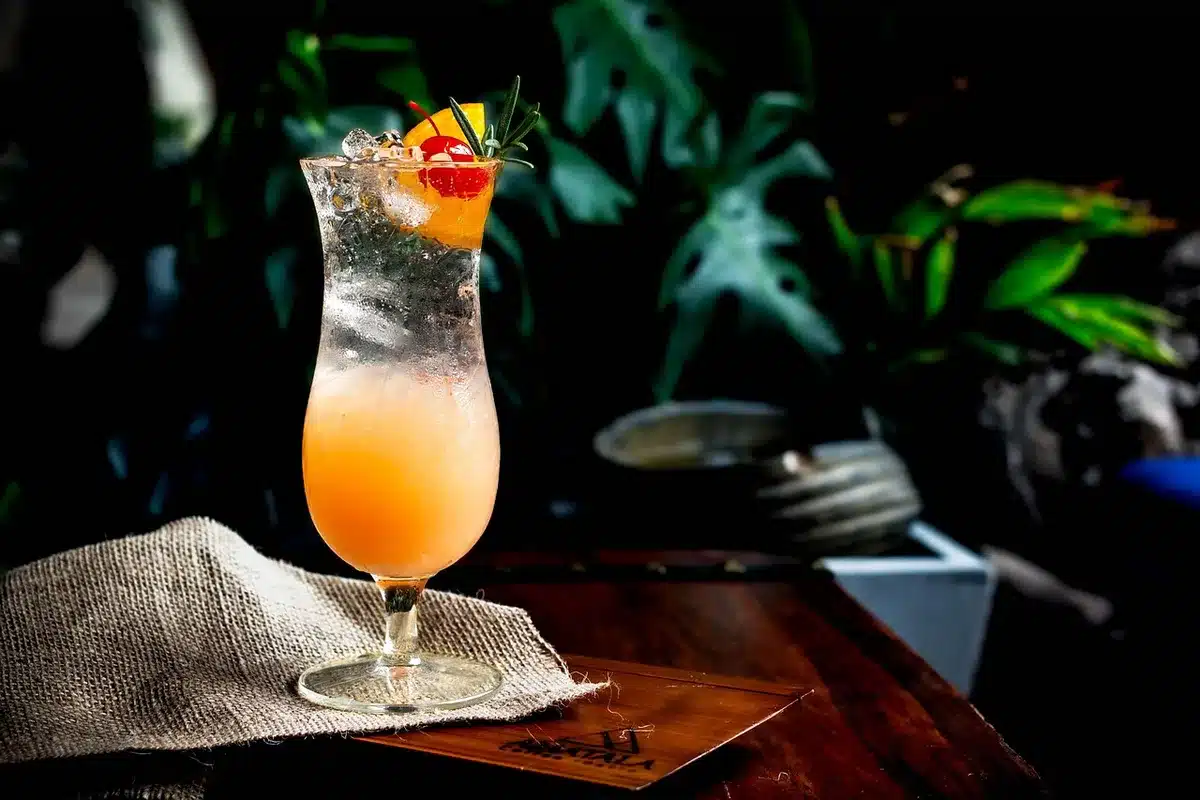
Below is a concise ingredients and technique table that makes the recipe easy to follow for service or home preparation.
| Ingredient | Amount | Notes |
|---|---|---|
| Mezcal or reposado tequila | 45 ml (1.5 oz) | Mezcal adds smoke, tequila keeps it cleaner |
| Fresh grapefruit juice | 60 ml (2 oz) | Preferably pink or red for sweetness |
| Grapefruit soda or sparkling water | Top to taste | Soda adds lift; water keeps it drier |
| Sugar syrup | 10–15 ml (0.33–0.5 oz) | Adjust for bitterness and fruit variance |
| Angostura or aromatic bitters | 1–2 dashes | Creates the bittersweet signature |
| Garnish | Grapefruit twist or wheel | Express oils over the glass |
Start by shaking the spirit, juice, syrup, and bitters with ice, then strain into a highball glass filled with fresh ice. Top with grapefruit soda or sparkling water and stir gently once or twice to marry the elements. Finish with a grapefruit twist or wheel, expressing the oils over the surface for aroma.
If vous are serving a group, scale the base components into a batch and carbonate or soda right before serving for maximum freshness.
What substitutions and twists can you try?
Experimentation is welcomed with the Tango because the framework is forgiving and rewarding. Swapping the base spirit alters the drink’s trajectory: mezcal pushes toward smoky complexity while tequila maintains a brighter, vegetal edge.
Here are practical substitution ideas that keep the drink balanced
- Swap mezcal for reposado tequila if you prefer less smoke and more agave clarity.
- Use grapefruit soda for sparkling grapefruit water when you want extra sweetness and effervescence.
- Replace simple syrup with agave nectar for a deeper, more integrated sweetness.
Why does the bittersweet balance matter for this cocktail?
Bitterness provides structure and contrast, preventing the grapefruit from tasting cloying or one-dimensional. A measured addition of aromatic bitters brings savory complexity and ties the spirit and citrus together. Without that touch, the Tango risks leaning too sweet or flat.
The smoky notes from mezcal amplify the bittersweet relationship by adding savory and vegetal flavors that the bitters can echo. That echo creates a near-symphonic balance where each sip reveals a different facet.
Attention to balance also makes the drink versatile across menus and seasons. Bars can dial bitterness up in winter for warmth, or lighten it in summer for a cleaner, thirst-quenching option.

Andrew Cole focuses on everyday drinks, from warm comfort beverages to refreshing options. His writing emphasizes balance, clarity, and ease of preparation.