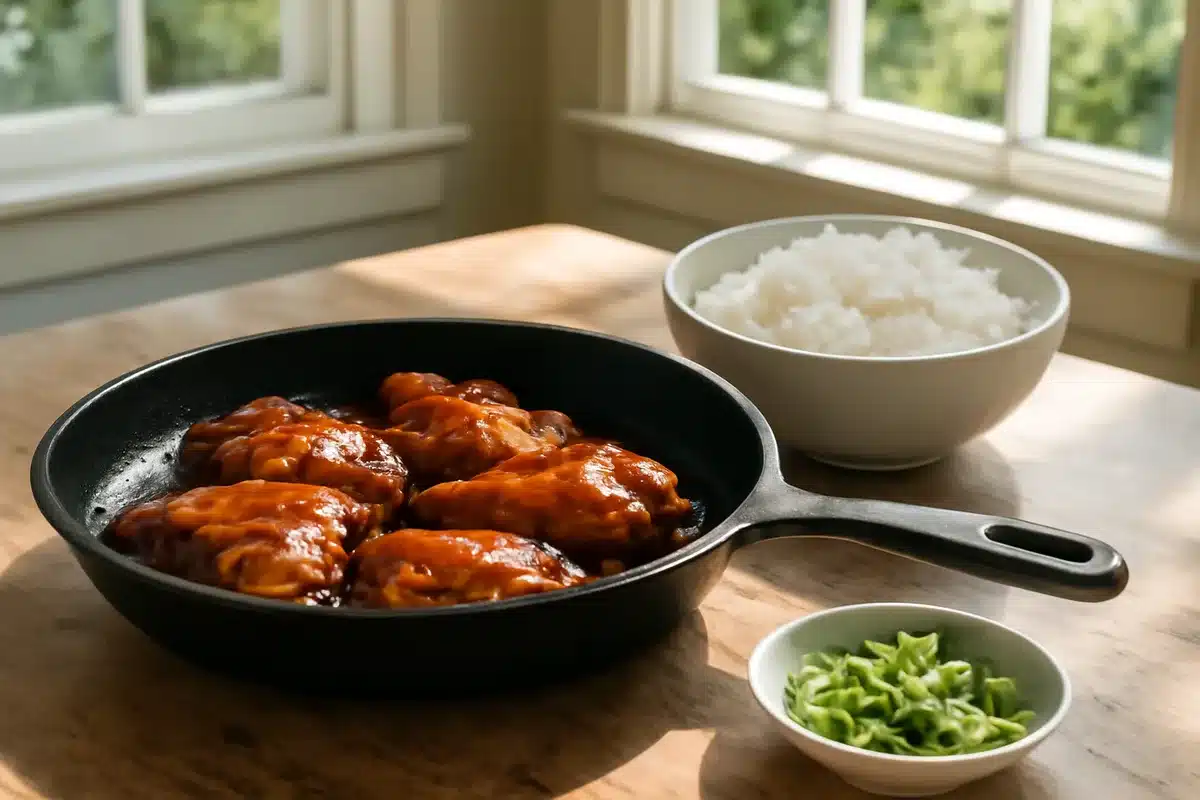
This Easy Sweet and Sour Catalina Chicken recipe transforms pantry staples into a glossy, crowd-pleasing weeknight dinner that stays simple and satisfying. Bright Catalina dressing combines with brown sugar and a splash of vinegar to create a balanced sweet and sour glaze that clings to seared chicken. The technique works for breasts, thighs, or shredded rotisserie chicken and takes under an hour from start to finish. You will find ingredient swaps, timing tips, and plating ideas to make this dish a dependable favorite.
What gives Catalina chicken its bright sweet and tangy flavor?
How to make a Lucky Lily margarita: spicy tequila and pineapple cocktail recipe
Lavender and honey daiquiri recipe: easy floral cocktail
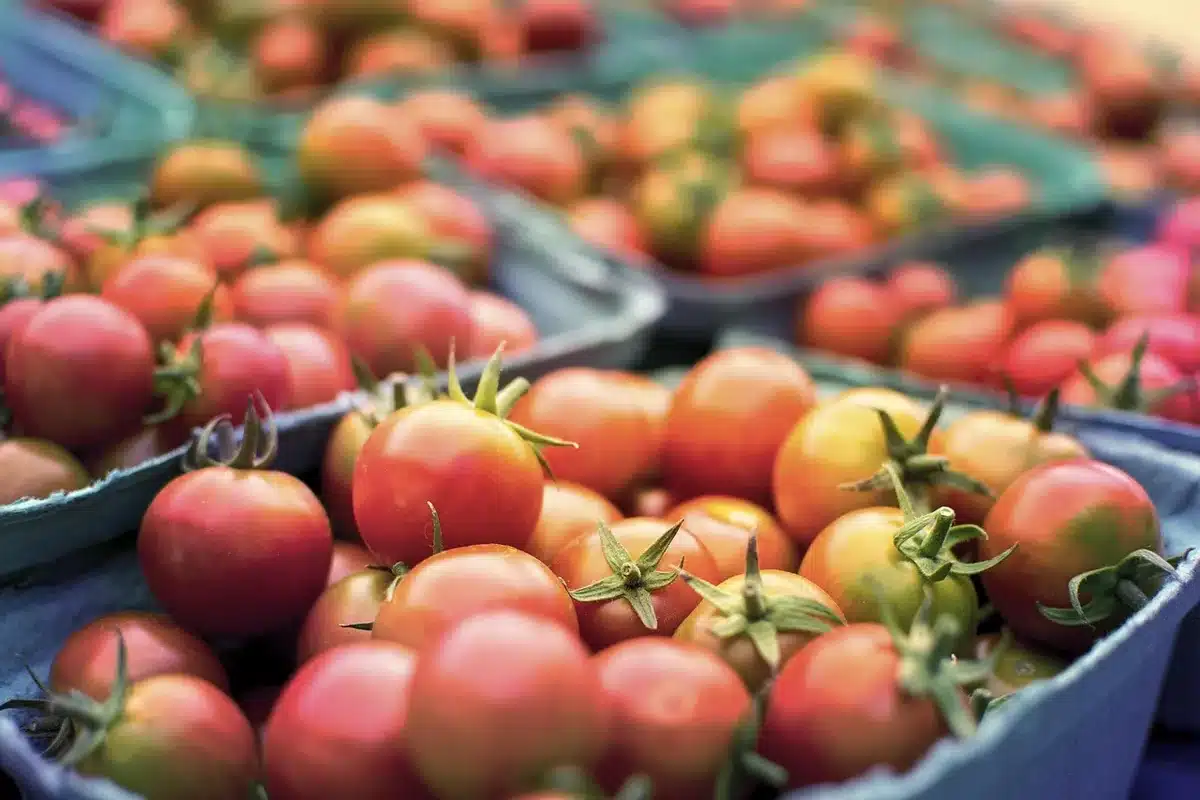
The characteristic taste comes from a base of tomato-forward dressing mixed with sweeteners and acidic notes. Commercial Catalina dressing already blends tomato, vinegar, and spices which makes it an ideal shortcut for a sauce that is both fruity and tangy. Adding brown sugar or pineapple juice deepens the sweetness while vinegar or lemon sharpens the acidity.
Savory elements help balance the profile and prevent cloying sweetness. A dash of Worcestershire sauce or low-sodium soy adds umami and rounds out the flavor. Cornstarch or a brief reduction will give the sauce body so it becomes a shiny glaze that adheres to each piece of chicken.
Texture plays a role in perception of flavor as well. Crisped edges on pan-seared chicken introduce caramelized notes that contrast with the glossy sauce. Marinating briefly or tossing shredded chicken into the hot sauce after cooking ensures every bite remains moist and flavorful. Keeping the sauce balanced is the key to recreating that classic sweet and sour sensation.
How do you make Easy Sweet and Sour Catalina Chicken?
Start by gathering the few ingredients that deliver maximum flavor with minimal effort. Trim and pat dry 1.5 to 2 pounds of chicken, then season lightly with salt and pepper. Heat a skillet over medium-high heat with oil and brown the chicken until nearly cooked through, then finish the dish by simmering in the sauce for a glossy finish.
Below is a compact ingredient guide to keep on hand for quick assembly
| Ingredient | Amount | Notes |
|---|---|---|
| Catalina dressing | 1 cup | Use your favorite brand or homemade equivalent |
| Brown sugar | 2 tbsp | Adjust for sweetness |
| White vinegar | 1 tbsp | Or rice vinegar for milder acidity |
| Soy sauce or Worcestershire | 1 tsp | For umami depth |
| Chicken | 1.5 to 2 lb | Breasts, thighs, or shredded |
| Cornstarch slurry | 1 tsp cornstarch + 1 tbsp water | Optional for thicker glaze |
Follow these practical steps for reliable results on the first try. Brown the chicken in a hot skillet until golden, then remove and deglaze the pan with the Catalina dressing and vinegar. Return the chicken to the sauce and simmer gently until cooked through and the flavors meld. Finish with the cornstarch slurry if you prefer a clingy, restaurant-style glaze.
- For faster meals, use cooked rotisserie chicken and just warm it in the sauce.
- For deeper color, sear skin-on thighs and cook skin-side down longer before adding sauce.
- Reserve a small amount of sauce to brush over the chicken just before serving for extra shine.
Which sides and presentation ideas pair best with this dish?
Rice makes the most obvious and effective base for this sweet and sour chicken. Plain jasmine or long-grain rice soaks up the sauce, while coconut rice offers a slightly richer backdrop when you want more indulgence. Steamed vegetables such as broccoli, snap peas, or bell peppers add color and a fresh crunch.
Garnishes and small touches elevate the plate and enhance the dining experience. Sprinkle sliced scallions and toasted sesame seeds for aroma and texture, and add a wedge of lime if you like an extra acidic lift. Garnish with fresh cilantro sparingly and vous will notice how the herbs brighten each bite.
Can this recipe be adapted to meet dietary needs?
Yes, the recipe adapts easily to different diets without losing its core profile. For gluten-free preparation use a certified gluten-free Catalina dressing and swap tamari for soy sauce. For lower sugar keep the dressing amount but reduce added brown sugar or use a sugar substitute that tolerates cooking heat.
Vegetarian and vegan options work well when you swap in firm tofu, tempeh, or cauliflower florets as the main protein. Press tofu to remove excess moisture, sear until crisp, then fold into the sauce just like chicken. Slow cooker variations also succeed by combining ingredients and cooking on low until the sauce thickens and the protein absorbs the flavors.

Jonathan Pierce specializes in approachable main dishes for everyday family meals. His writing emphasizes clarity, structure, and reliable recipes that are easy to recreate at home.