Most bartenders know the debate between shaken and stirred as a practical choice that affects texture, temperature, and presentation. This article explores why Robin’s original recipe calls for stirring and how a quick change in technique can produce a stunning foamy head and a richer, creamier mouthfeel. You will learn the science behind agitation, when to follow tradition, and simple tricks to reproduce that attractive finish at the bar or at home.
When should you shake or stir a cocktail?
How to make a Lucky Lily margarita: spicy tequila and pineapple cocktail recipe
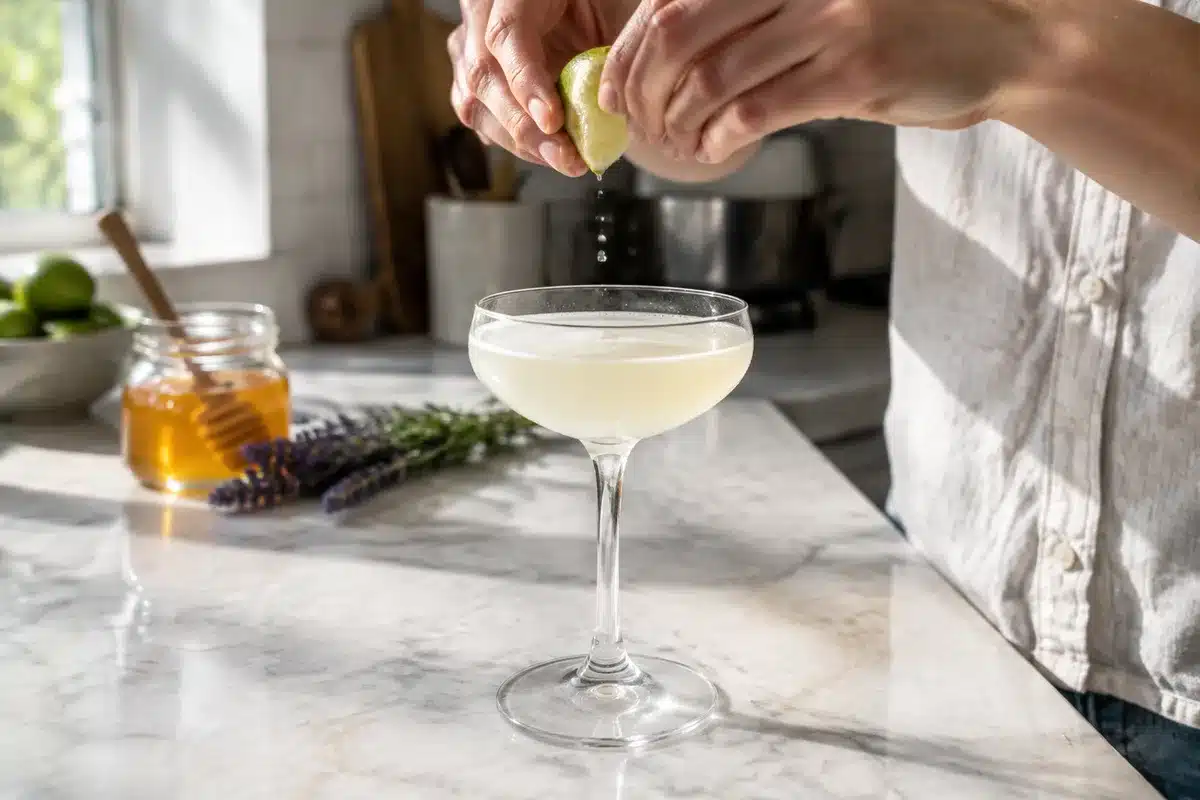
Lavender and honey daiquiri recipe: easy floral cocktail
Professional mixologists usually choose stirring for spirit-forward drinks that rely on clarity and subtle aromatics. Classic recipes preserve balance and minimize dilution when stirred slowly over ice.

Shaking introduces more air and faster dilution, which can help when a recipe includes citrus, egg, cream, or liqueurs that benefit from aeration. Many bartenders adapt technique based on the desired texture rather than strict tradition.
What changes in the drink when you shake it?
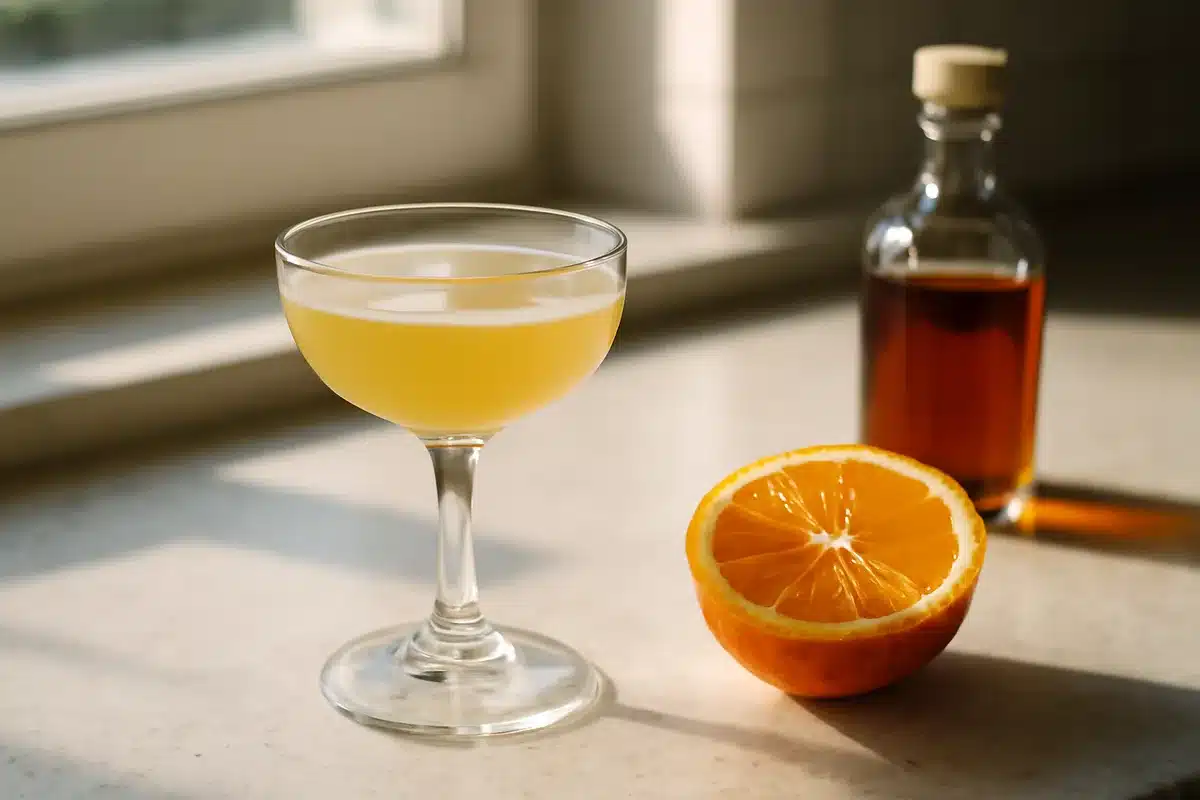
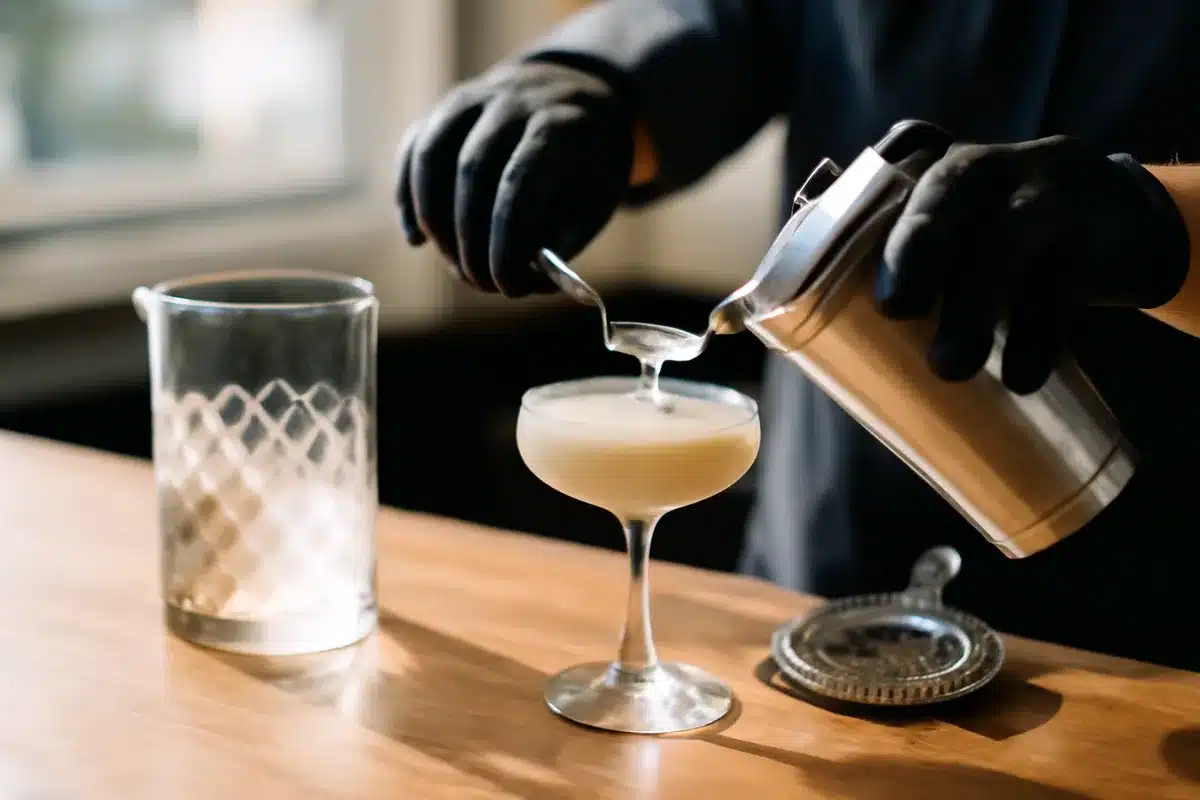
Shaking forces vigorous interaction between liquid, ice, and air, which creates tiny bubbles and increases dilution in a short time. That agitation often yields a glossy, creamy foam layer that sits on top of the cocktail.
Stirring offers a gentler temperature drop and less air incorporation, so the final presentation appears clearer and the aromas remain more pronounced. Choosing between methods affects mouthfeel, aroma release, and visual appeal.
How can you achieve a stable foamy head?
Successful foam depends on four elements: an ingredient that stabilizes bubbles, proper agitation, cooling, and the right vessel. Egg white and aquafaba are classic stabilizers because their proteins trap air and create sustained foam.

Technique matters as much as ingredients. Start with a vigorous dry shake when using egg white or aquafaba, then add ice and shake again to chill and dilute. This double-shake method produces a velvety head with lasting structure.
Small details improve results: strain through a fine mesh to eliminate large bubbles and use chilled glassware to slow foam collapse. Pour slowly over the back of a spoon for a refined top layer and to control foam spread.
What tools and measurements work best?
Choosing the right equipment makes a measurable difference. A sturdy shaker, a good-quality strainer, and a chilled mixing glass will improve consistency and presentation for both shaken and stirred preparations.
Precise proportions and measured shaking times help you reproduce texture reliably. For egg white cocktails, many bartenders follow these general guidelines:
- Dry shake 10–12 seconds to aerate.
- Wet shake 8–10 seconds to chill and integrate.
- Strain twice for a silky finish.
How do professionals decide which recipes to alter?
Experienced bartenders evaluate each recipe for balance and intent before changing the technique. When a drink’s flavor profile benefits from additional air or a softer texture, shaking becomes a deliberate stylistic choice rather than an accident.
If vous run a busy bar, consider testing variations with staff and regulars. Tasting side-by-side samples helps determine whether the foam and added dilution enhance the cocktail’s character without masking its core elements.
Quick comparison of shaking and stirring
| Aspect | Shaken | Stirred |
|---|---|---|
| Texture | Creamy, aerated | Clear, silky |
| Dilution speed | Faster | Slower |
| Aroma intensity | More muted | More pronounced |
| Best for | Citrus, egg white, cream | Spirit-forward cocktails |
| Visual result | Foamy head, cloudy | Clear, glossy surface |
Simple recipes and swaps to try tonight
Experimentation helps you understand the trade-offs between clarity and creaminess. Try converting one stirred spirit-forward drink into a shaken version and note how aroma, dilution, and presentation shift.
Here are a few smart swaps to explore that deliver a foamy finish without overwhelming the recipe:
- Replace a small portion of heavy cream with aquafaba for a vegan foam.
- Introduce a double shake when adding egg white for extra volume.
- Use microfoam technique and a fine strain for a silkier mouthfeel.

Andrew Cole focuses on everyday drinks, from warm comfort beverages to refreshing options. His writing emphasizes balance, clarity, and ease of preparation.