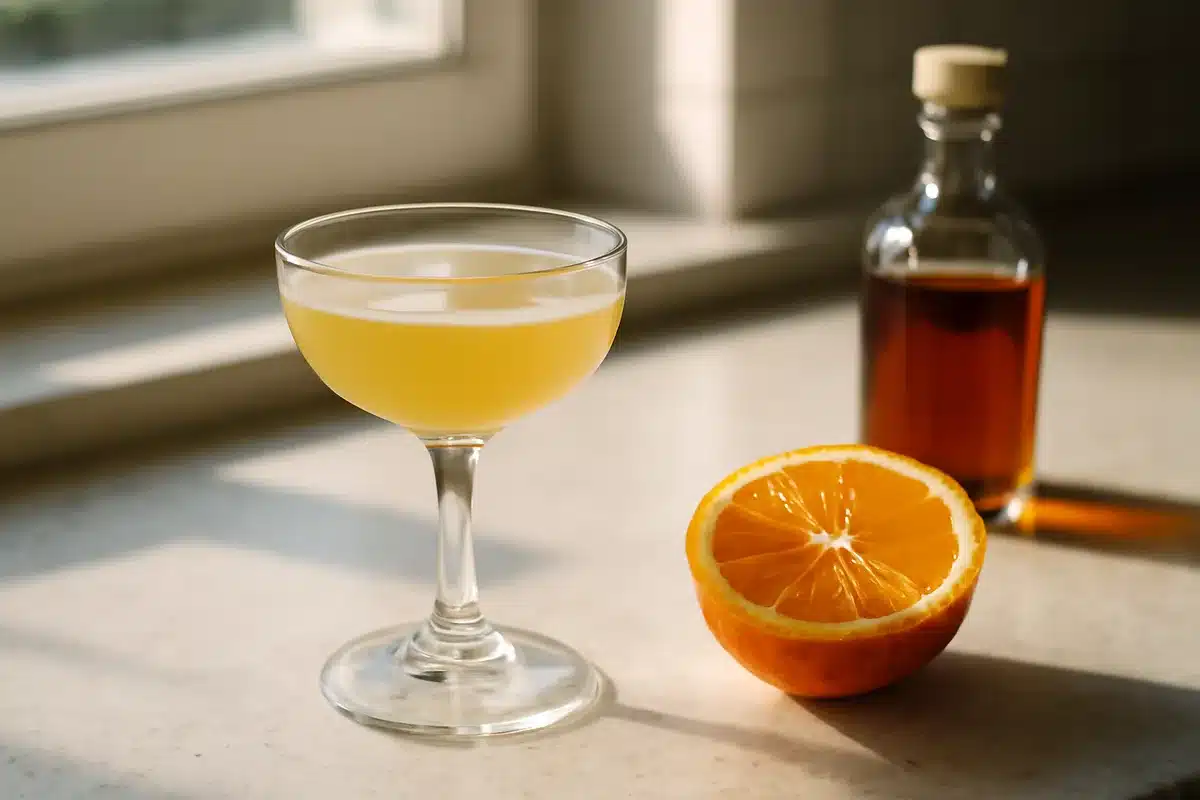
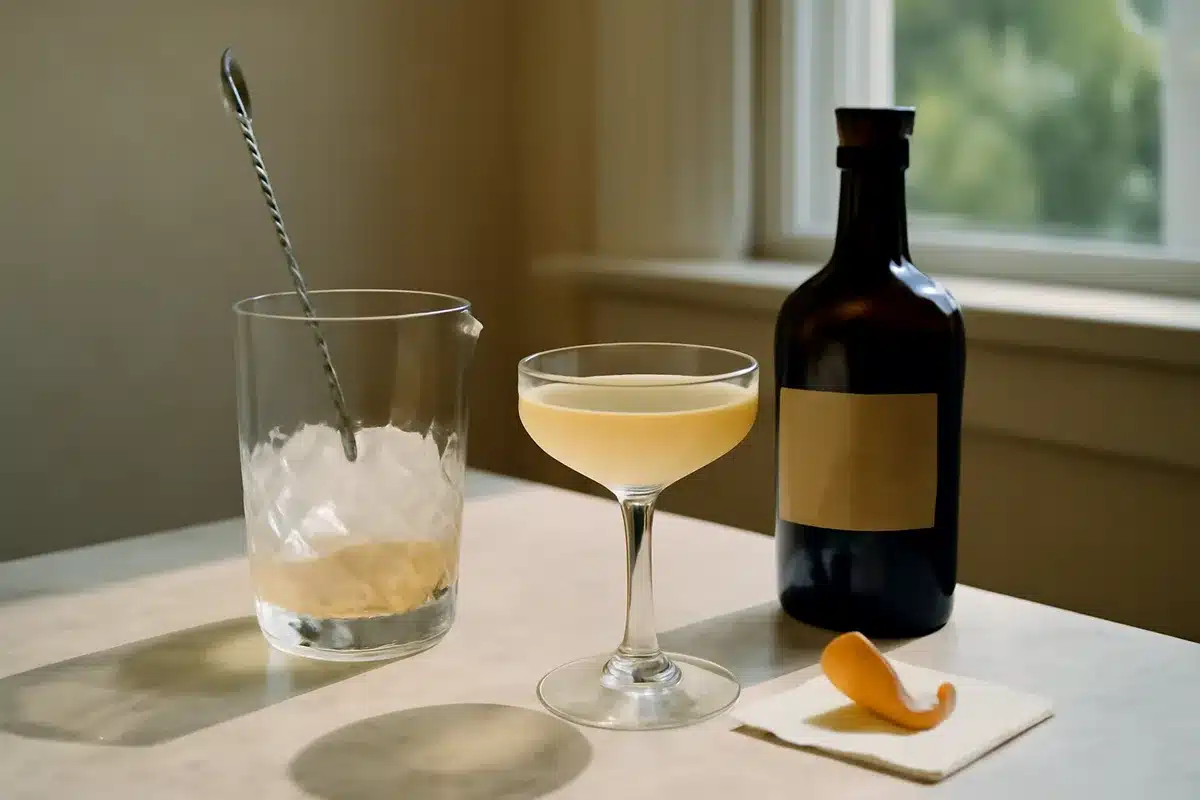
The Borough cocktail reimagines the Manhattan by swapping the usual vermouth for a fragrant, aromatic quinquina, creating a rounder and slightly bitter profile that invites slow sipping. This recipe nods to history and to the old marketing push for American-made Dubonnet Rouge, though many bartenders prefer the floral depth of French Dubonnet Red or another quality red quinquina. Expect spice-forward whiskey, gentle quinine bitterness, and a balancing touch of sweetness that keeps the drink civilized and surprisingly versatile. If you enjoy classic cocktails with a twist, the Borough deserves a place on your rotation.
What exactly is the Borough cocktail?
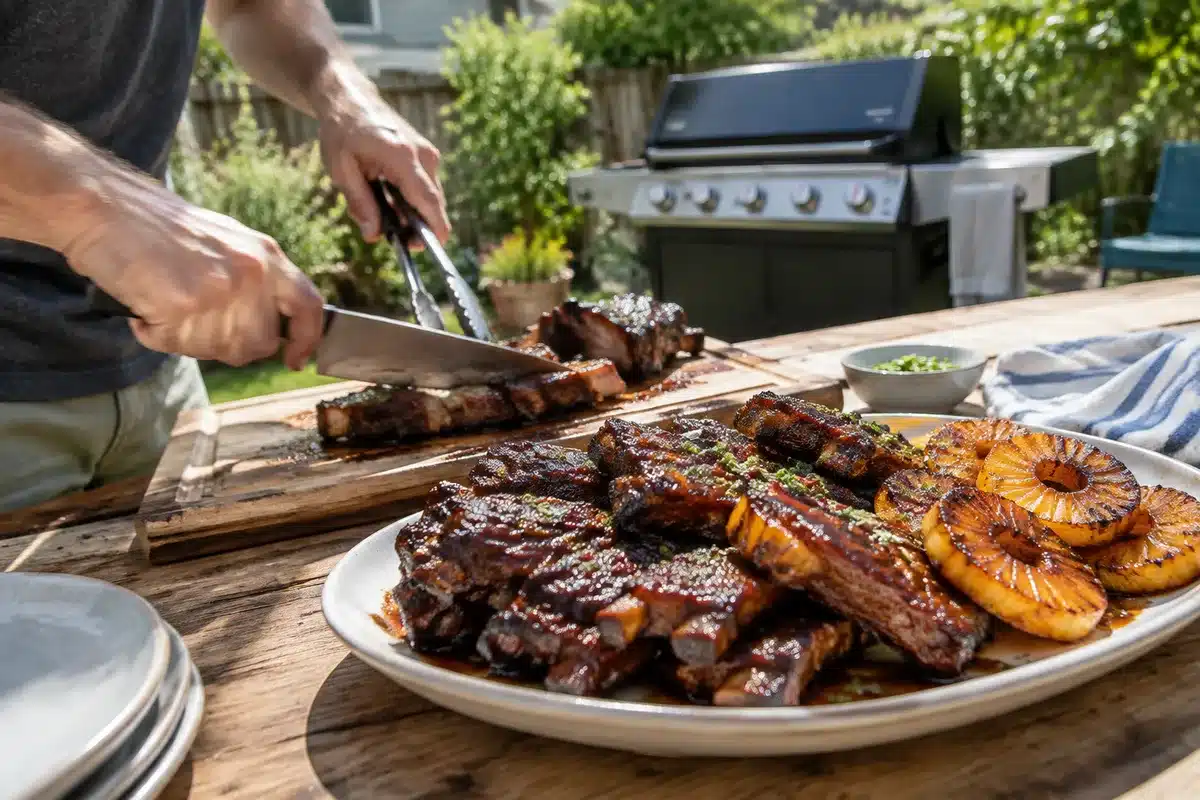
How to make a Lucky Lily margarita: spicy tequila and pineapple cocktail recipe
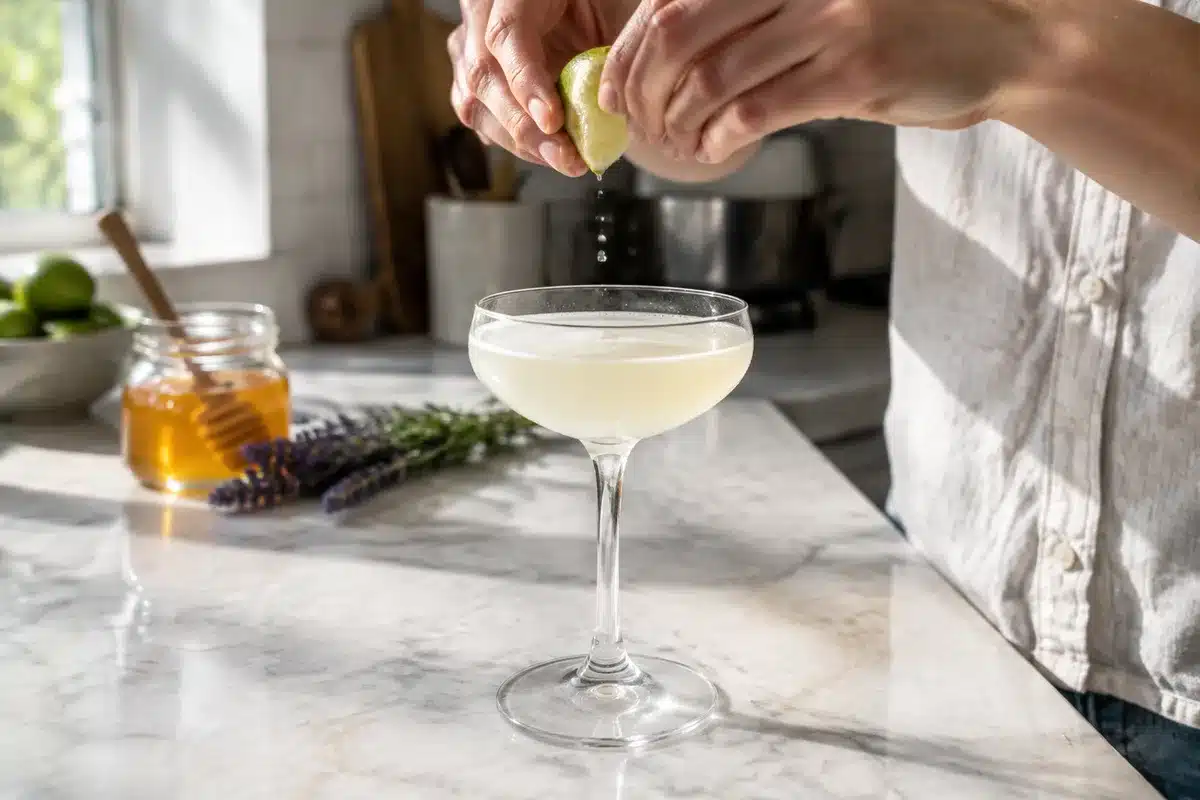
Lavender and honey daiquiri recipe: easy floral cocktail
The Borough is essentially a Manhattan variation that replaces sweet vermouth with a red quinquina. This swap shifts the drink from straightforward sweetness toward a more layered bitterness and botanical complexity. The cocktail emerged as a promotional vehicle for an American Dubonnet, but bartenders found the French version often gave a superior floral backbone.
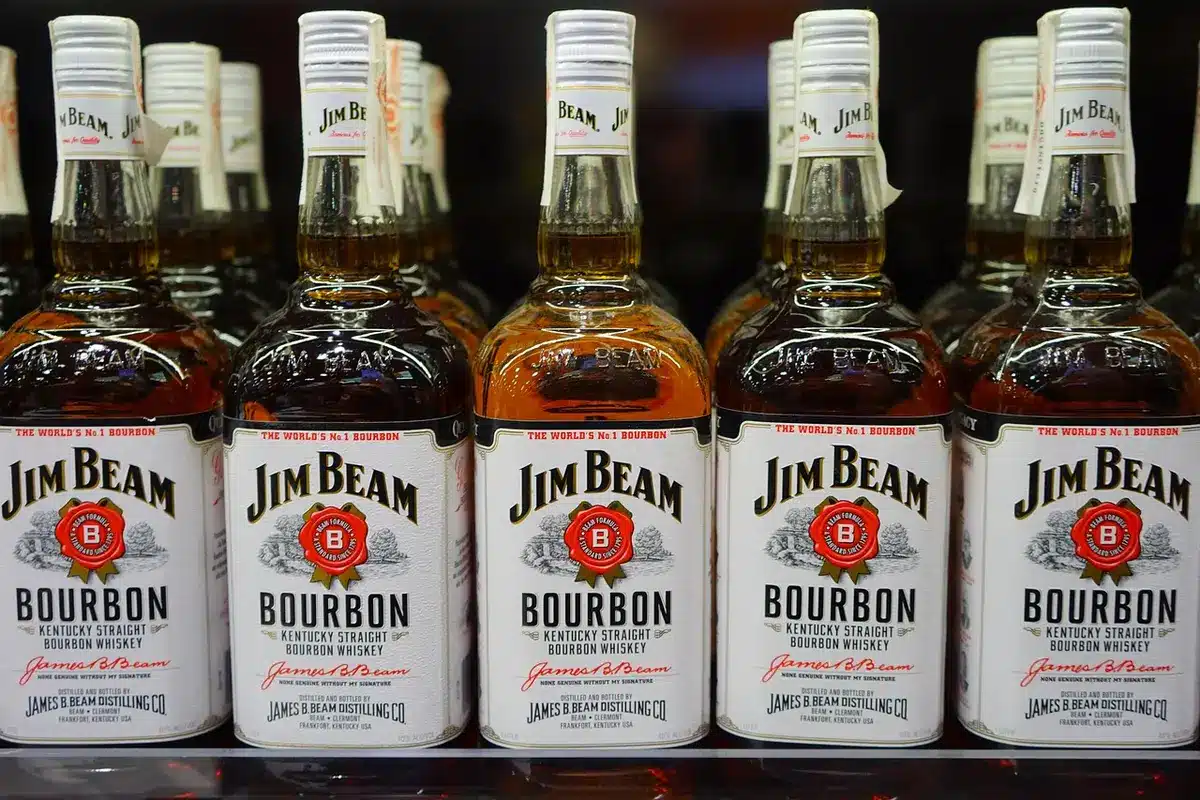
At its heart, the Borough pairs a base whiskey with a quinquina liqueur that has quinine, aromatics, and gentle sugar. Bartenders typically choose rye for its spice, though bourbon works when a softer roundness is desired. Curing the balance between spirit and quinquina is the central skill when mixing this drink.
Compared with other quinquina cocktails, the Borough tends to feel closer to a classic Manhattan while retaining a distinct identity. The bitterness from the quinquina interacts differently with the whiskey than standard vermouth, and that interaction creates the cocktail’s signature character. Understanding how each ingredient contributes will help you adapt the recipe to your taste and available spirits.
How should you mix a Borough at home?
Start with chilled glassware and a proper mixing glass to get the cleanest result. Use a good quality whiskey and a fresh bottle of quinquina, since the aromatics in that liqueur carry most of the cocktail’s personality. Stirring over ice for the right dilution is preferable to shaking this style of drink because it preserves clarity and silkiness.
Here is a simple recipe to try and adapt as you learn what you prefer:
- 2 oz rye whiskey or bourbon for a softer option
- 3/4 oz Dubonnet Red or another red quinquina
- 1/4 oz maraschino liqueur or a touch of sweet vermouth if you prefer
- 1 dash Angostura bitters or orange bitters
Stir the ingredients with plenty of ice for about 30 seconds, then strain into a chilled coupe or old-fashioned glass with a large ice cube. Garnish with a lemon twist or a dark cherry, depending on whether you want citrus brightness or richer fruit notes. Adjust the quinquina amount in small increments until the balance suits your palate.
What works as a substitute for Dubonnet if you cannot find it?
Several liqueurs can stand in for Dubonnet, each leaning the Borough in a slightly different direction. French Dubonnet Red remains the most faithful option and will produce a floral, rounded finish. Other red quinquinas offer similar quinine bitterness and aromatics, making them natural replacements.
For a slightly sweeter and herbier take, fortified aromatized wines such as sweet vermouth blended with a splash of quinine tincture can be effective. If you want to explore more adventurous swaps, try amaro-based blends, though those will push the drink away from the Manhattan family toward a more Italianate profile.
Below is a short reference table to help you select the right substitute based on availability and desired flavor direction.
| Ingredient | Typical Role | When to Use |
|---|---|---|
| Dubonnet Red | Floral quinquina, balanced sweetness | Best when aiming for authentic Borough character |
| Other red quinquina | Quinine bitterness with botanical complexity | Good if Dubonnet is unavailable |
| Sweet vermouth + quinine tincture | Adjustable sweetness and bitterness | Useful for home bartenders crafting a close mimic |
| Amaro (light style) | Herbal bitterness and depth | When preferring a darker, complex profile |
When substituting, start with a smaller quantity and taste as you go. The quinquina element is powerful and can dominate if overused. If vous are experimenting, keep a notebook of proportions so you can reproduce successful tweaks later.
How does the Borough compare with a Manhattan?
The Manhattan uses sweet vermouth, which tends to emphasize sweetness and classic fortified-wine aromatics. The Borough replaces that sweetness with quinine-driven bitterness and botanical nuances, making the cocktail feel drier and more textured. Think of the Borough as a Manhattan filtered through a quinquina lens.
Flavor-wise, rye whiskey’s spice interacts differently with quinquina than with vermouth, highlighting tannic and bitter notes. A Manhattan often leans smoother and more molasses-like when made with bourbon, while the Borough can retain brightness even with darker whiskeys. This contrast makes the Borough a great choice for those seeking a more adult, slightly austere sip.
Classic garnishes also shift perception between the two drinks. A lemon twist on the Borough brings forward the quinquina’s aromatics, while a cherry on the Manhattan underscores sweetness. Try both back-to-back to appreciate how a single ingredient swap transforms the entire cocktail experience.

Andrew Cole focuses on everyday drinks, from warm comfort beverages to refreshing options. His writing emphasizes balance, clarity, and ease of preparation.