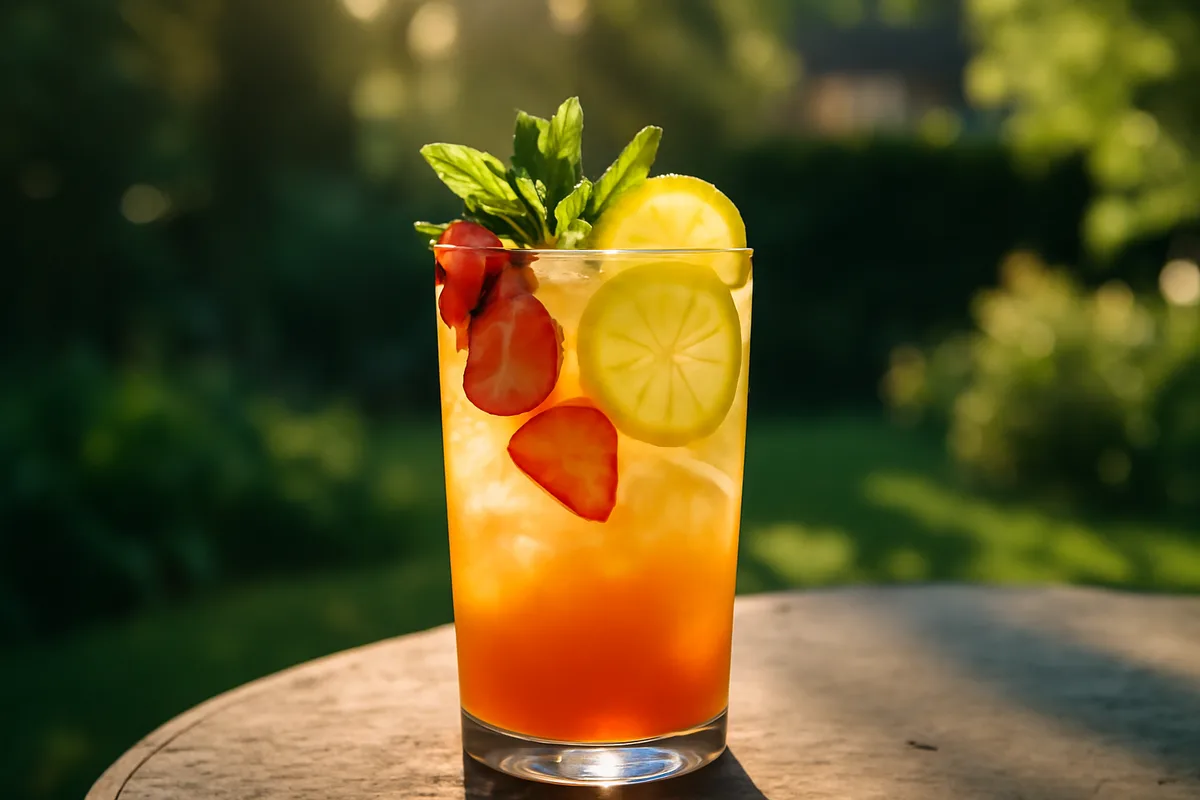
Difford’s Fruit Cup No.1 is a bright, gin-based take on the classic Pimm’s Cup that brings more weight and fruity complexity to a long, refreshing drink. This cocktail works beautifully for warm-weather entertaining and for anyone looking to serve a crowd-pleasing long drink in a Collins glass. The recipe balances London dry gin, dry curaçao and sweet vermouth with bitters, ginger ale and cola to create a layered flavour that stays light on the palate while offering a satisfying body.
What is Difford’s Fruit Cup No.1?
How to make a Lucky Lily margarita: spicy tequila and pineapple cocktail recipe
Lavender and honey daiquiri recipe: easy floral cocktail
This serves as a modern interpretation of a Pimm's-style fruit cup, conceived to boost flavour and alcohol presence compared with the original version. Simon Difford developed it in 2011 to give bartenders and home hosts a more robust gin-based alternative. The result blends botanical gin character with sweet vermouth and citrus liqueur for a rounded, vintage-inspired profile.
People often reach for this cocktail when they want a long drink that remains refreshing after several sips. It sits comfortably in categories such as aperitivo and summer cocktails while also working well for barbeques and garden parties. Expect a drink that feels fruity and balanced rather than cloyingly sweet.

Which ingredients do you need?
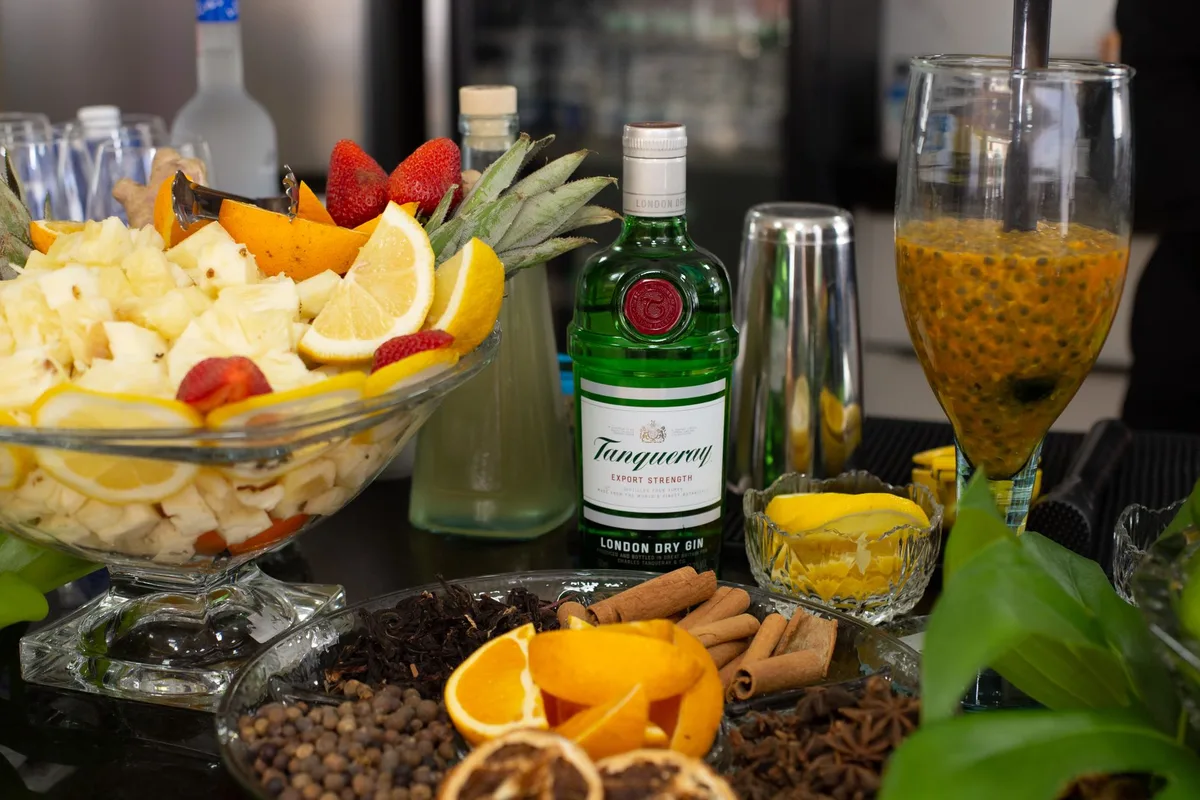
Gather quality components for the best results because each element contributes to the finished complexity. Use a chilled Collins glass and prepare fresh garnishes ahead of assembly. The main keywords to remember are gin, dry curaçao, vermouth, ginger ale and cola.
| Amount | Ingredient | Notes |
|---|---|---|
| 22.5 ml | Hayman’s London Dry Gin | |
| 22.5 ml | Ferrand Dry Curaçao | |
| 22.5 ml | Strucchi Rosso Vermouth | chilled |
| 2 dashes | Angostura Aromatic Bitters | |
| 60 ml | Thomas Henry Ginger Ale | chilled |
| 60 ml | Cola | chilled |
How should you prepare and assemble the cocktail?
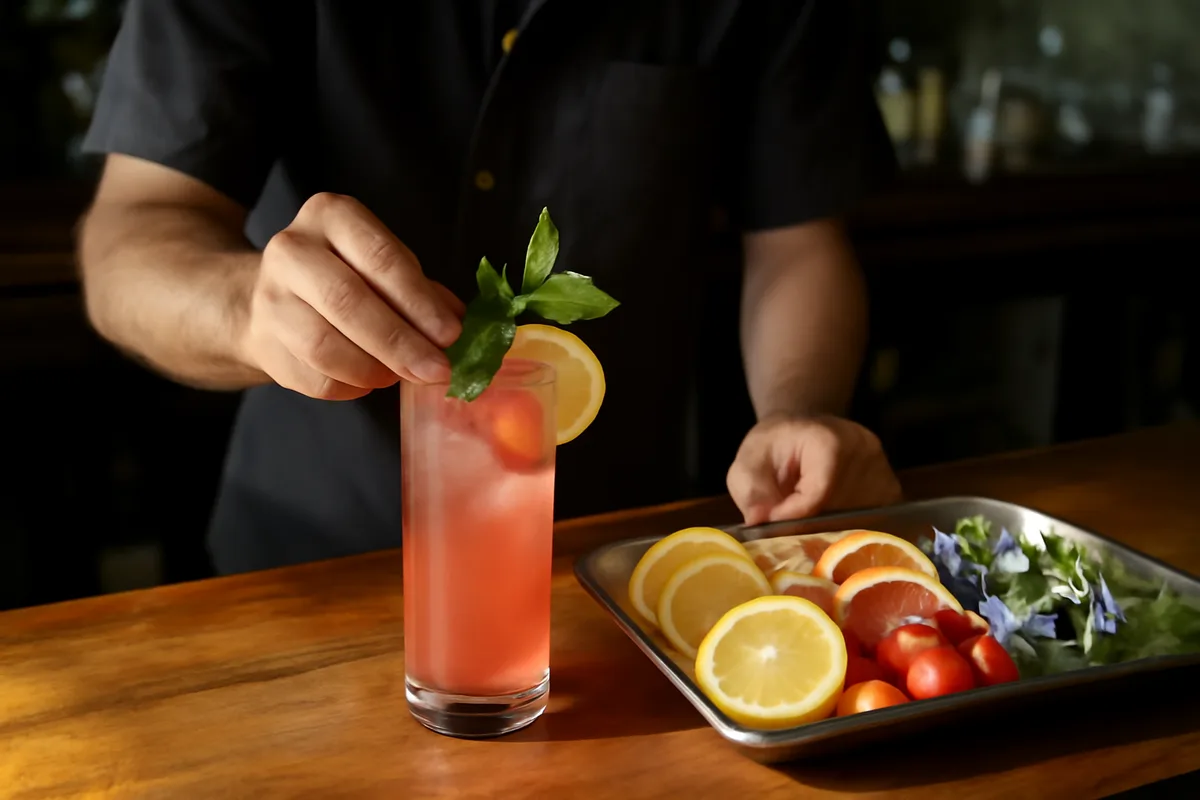
Select and pre-chill a Collins glass before you start. Prepare a garnish tray with lemon and orange wheel slices, thin strawberry slices and mint sprigs. When flowers such as borage are in season, they make an attractive finishing touch.
- Pour all liquid ingredients into the chilled Collins glass.
- Half fill the glass with ice and add one citrus slice plus a couple of mint leaves.
- Top up the glass with more ice until it reaches the brim, then finish with the remaining garnish.
Keep ingredients cold and work swiftly so dilution stays controlled while the drink reaches a balanced temperature. If vous plan to batch for a party, scale quantities but add the fizz at serving time to retain effervescence.
How should it be served and which garnish works best?
Serve in a tall Collins glass filled with plenty of ice so the drink stays crisp between sips. The glass showcases the layered colour and gives room for aromatic citrus and herbs. Present the garnish with a couple of mint sprigs and citrus wheels perched on top for visual appeal.
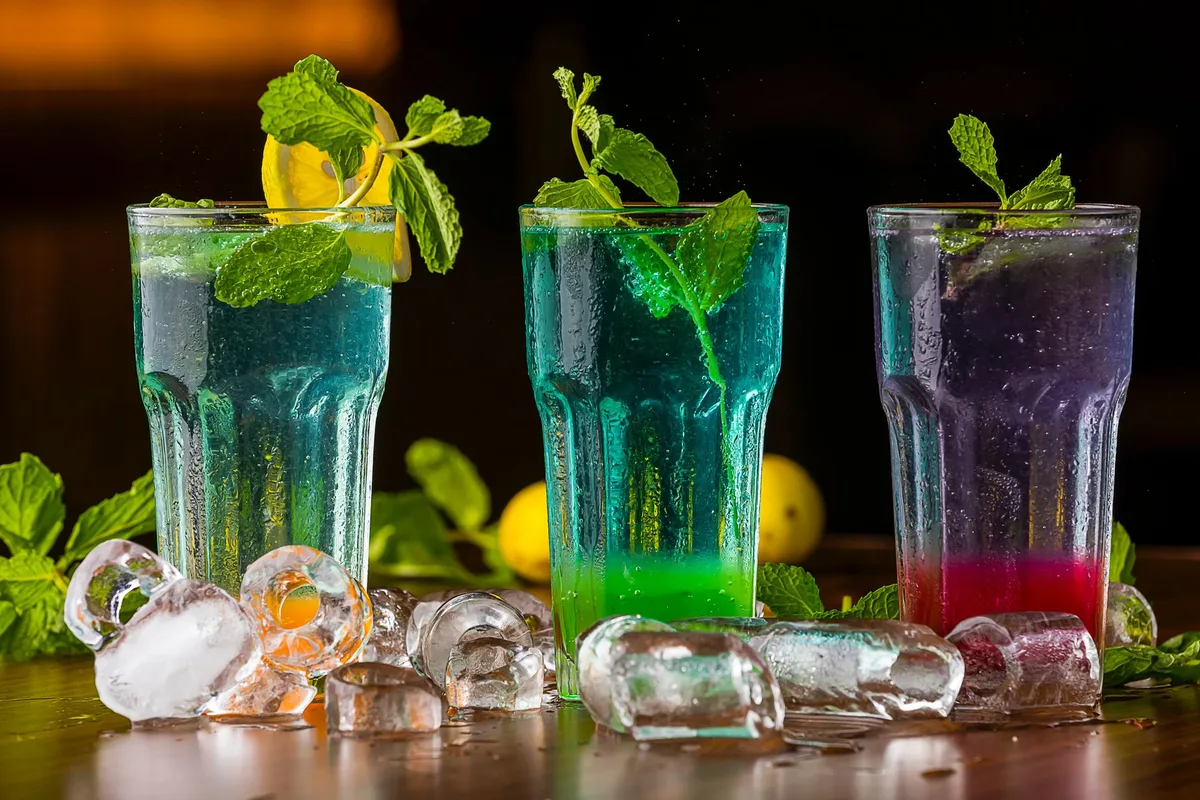
Strawberry slices and borage flowers enhance the fruity presentation and add a seasonal note. Pour the ginger ale and cola chilled and finish with an artful arrangement of fruit so each serving looks inviting. Small touches like bruising the mint slightly will release aromatics without overpowering the palate.
What does the Fruit Cup taste like and how strong is it?
Expect a medium-bodied drink that leans fruity and aromatic rather than intensely sweet. Gin brings botanical lift, dry curaçao offers orange depth and the rosso vermouth contributes gentle sweetness and herbaceousness. Bitters add a foil to the sugar while cola and ginger ale provide carbonation and a soft caramel-ginger counterpoint.
Alcohol content is moderate for a long drink. One serving registers at approximately 10.7% alc./vol. and amounts to about 1.2 standard drinks. The cocktail’s structure makes it easy to enjoy across an afternoon or evening without feeling too heavy.
The recipe is also calorie-conscious compared with many dessert-style cocktails. One serving contains roughly 205 calories, so you can plan portions when hosting. Adjust mixer volumes or substitute lower-calorie alternatives if vous prefer a lighter version.
Are there allergens and other details to check?
The rosso vermouth used in the recipe commonly contains sulphur dioxide and sulphites, which are recognised allergens for sensitive individuals. Label reading matters when you choose commercial vermouths and liqueurs because formulations differ between brands. Highlight allergen information for guests and offer an alternative if needed.
Additional notes include the cocktail’s place among aperitifs and summer drinks and its suitability for large gatherings when batched carefully. If vous create a punch version, add sparkling mixers right before serving and keep garnishes fresh for the best presentation.

Andrew Cole focuses on everyday drinks, from warm comfort beverages to refreshing options. His writing emphasizes balance, clarity, and ease of preparation.