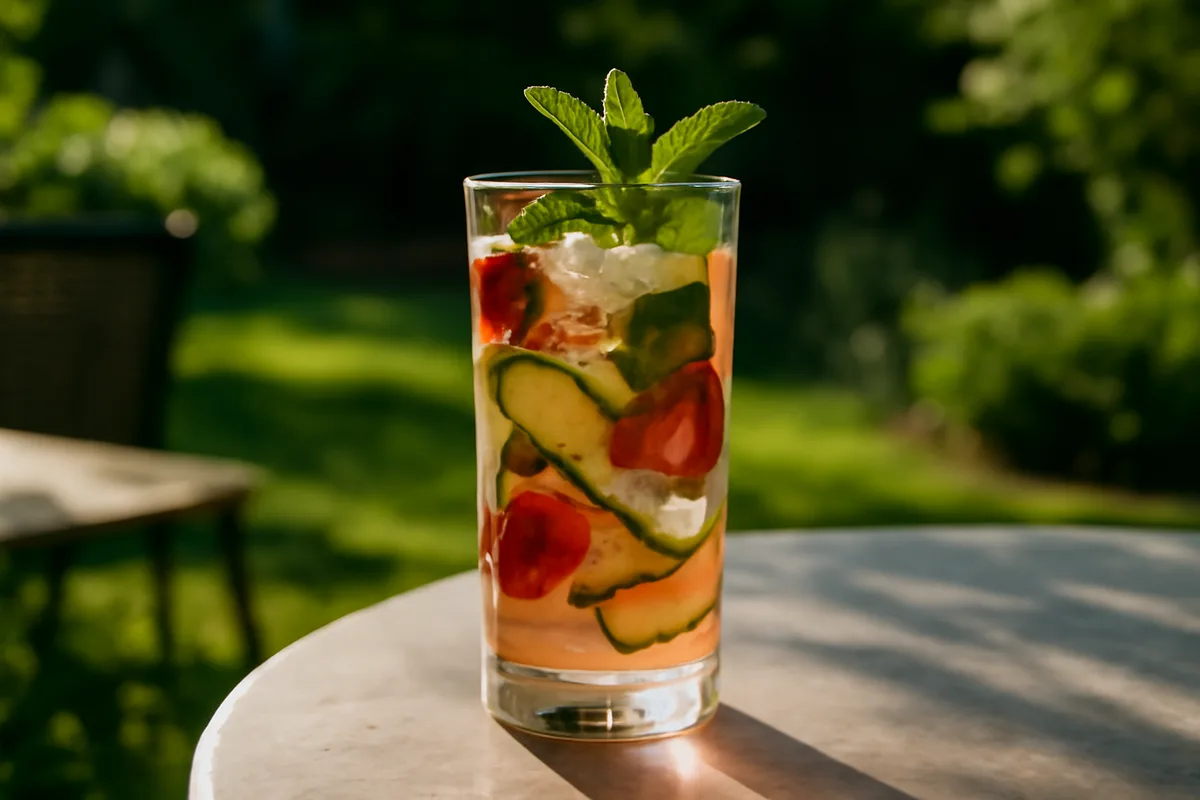
Summer Rosé Cup arrives as a light, crowd-pleasing cocktail that balances floral rosé vermouth with bright lemon and a ginger ale lift. This easy Collins glass serve pairs well with warm afternoons and relaxed gatherings while highlighting mint, cucumber and strawberry accents. The recipe focuses on simplicity and fresh ingredients so you can scale it for a single serve or a pitcher for guests. Expect a gently fragrant, fizzy drink that reads as a modern take on a Pimm’s-style refresher.
What is a Summer Rosé Cup?
How to make a Lucky Lily margarita: spicy tequila and pineapple cocktail recipe
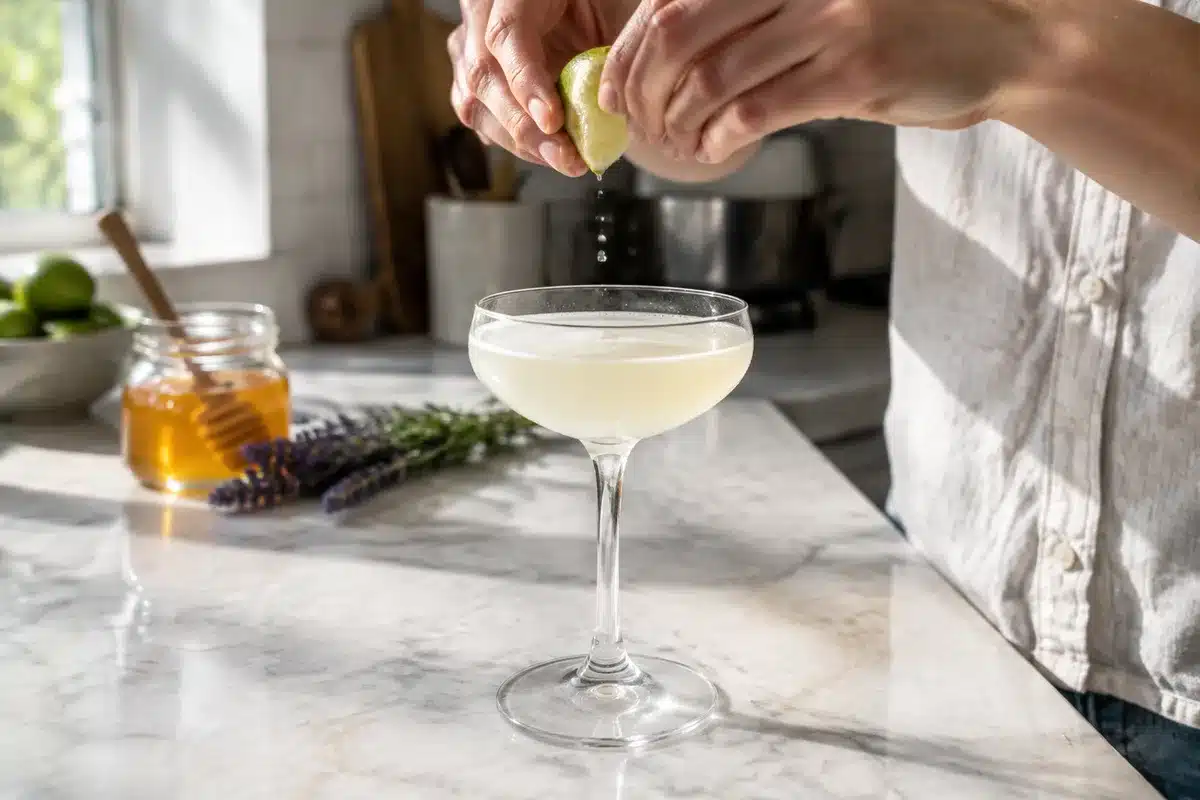
Lavender and honey daiquiri recipe: easy floral cocktail
The Summer Rosé Cup is a vermouth-forward highball that leans on rosé vermouth for aromatic fruit and floral notes. It resembles a Pimm’s Cup in spirit but replaces darker liqueurs with a chilled rosé vermouth base for brightness and a lighter alcohol profile. This cocktail suits garden parties, light lunches and anytime you want something low-key but sophisticated.
Crafted for sipping, the cup uses ginger ale rather than soda water for a touch of spice and sweetness. Lemon juice adds acidity to balance the vermouth and ginger ale while fresh garnishes deliver an herbal and cooling finish. The result is a drink that feels both summery and refined.
Which ingredients are essential for this cocktail?
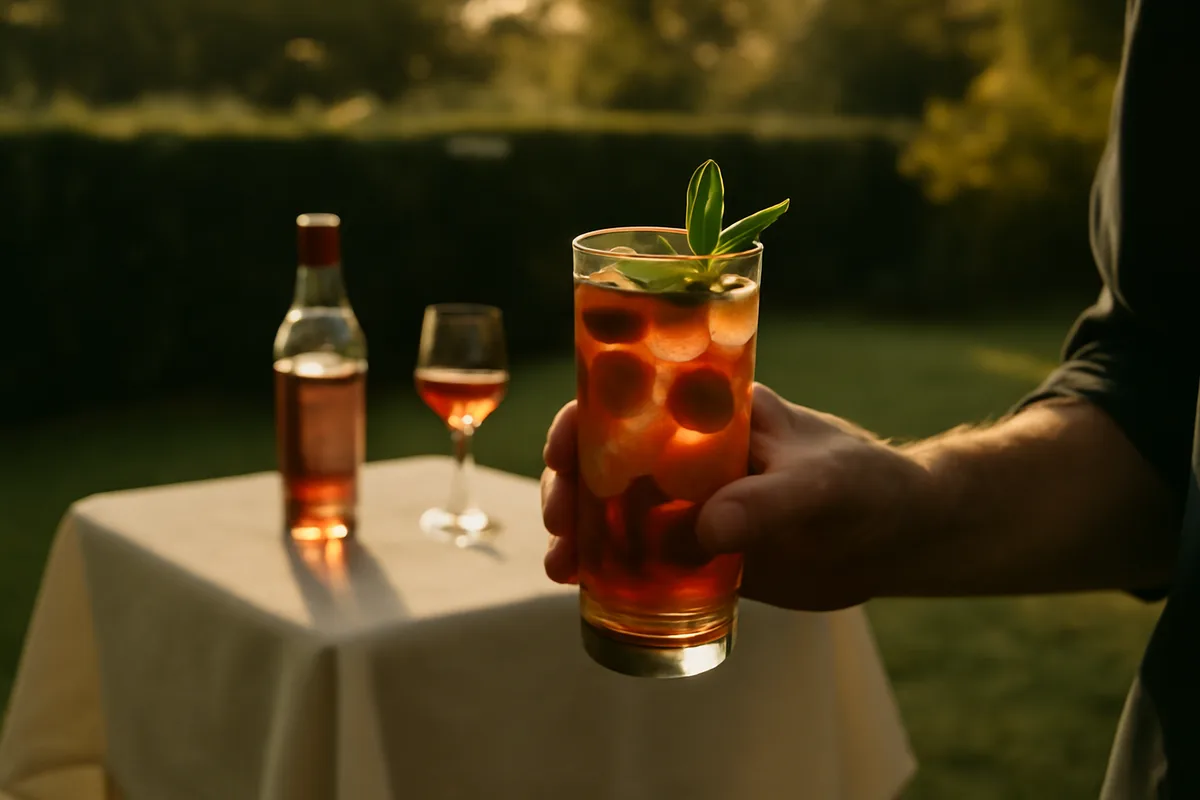
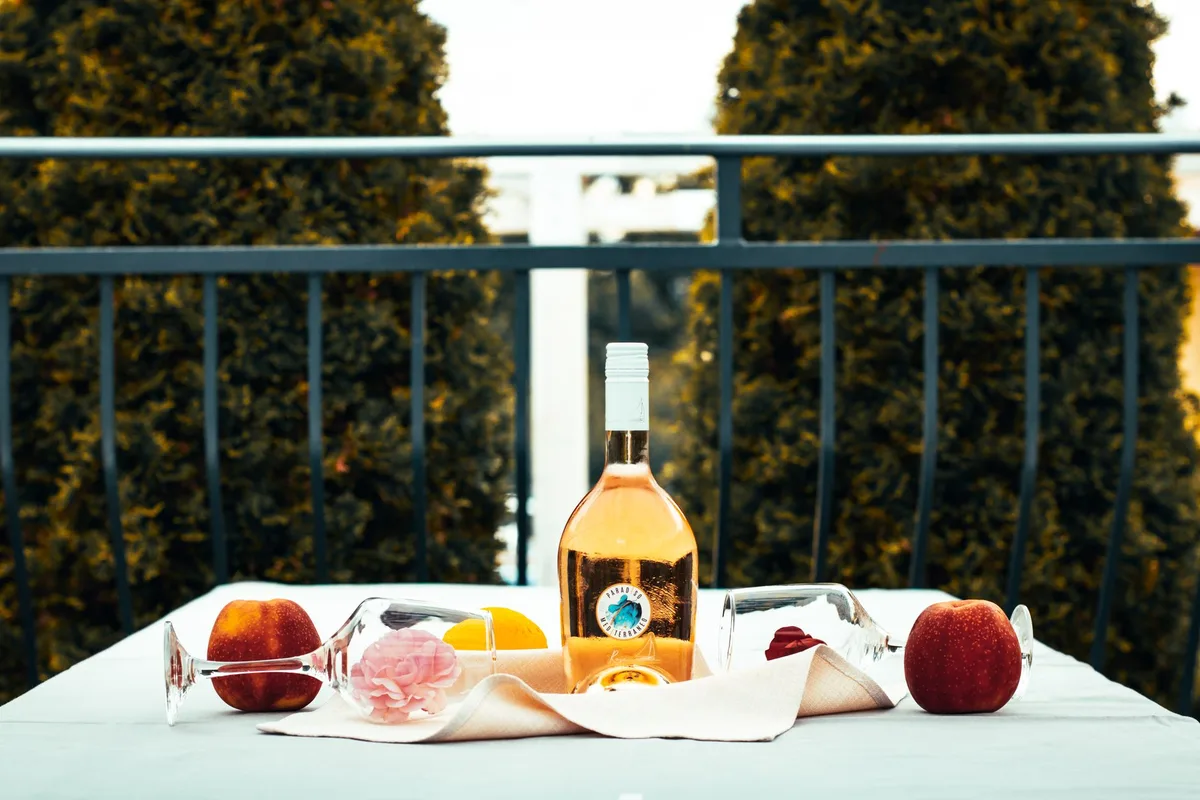
Keep the ingredient list short and quality-driven for the best result. The recipe centers on three elements: rosé vermouth, fresh lemon juice and ginger ale, with a Collins glass and plenty of ice to keep the drink crisp. You may want to chill bottles and glassware in advance to avoid diluting flavor too quickly.
| Ingredient | Amount | Notes |
|---|---|---|
| Rosé vermouth (chilled) | 60 ml | Use a quality rosato vermouth such as Lustau Rosé for floral depth |
| Fresh lemon juice | 15 ml | Brightens the sweetness of the vermouth |
| Ginger ale | 150 ml | Top the drink with a spicy, effervescent ginger ale |
If vous decide to scale the recipe, multiply ingredients proportionally and add ice at serving time rather than while mixing ahead. Small swaps work too: premium tonic or ginger beer can alter sweetness and spice if you prefer a drier or bolder character.
How do you prepare the Summer Rosé Cup?
Select a Collins glass and cool it ahead of time in the refrigerator or by filling with ice for a few minutes. Prepare a garnish bundle of mint sprigs, thin cucumber ribbons and halved strawberry slices so assembly flows without delay.
Mixing steps
- Fill the chilled Collins glass with fresh ice.
- Pour 60 ml rosé vermouth and 15 ml lemon juice over the ice.
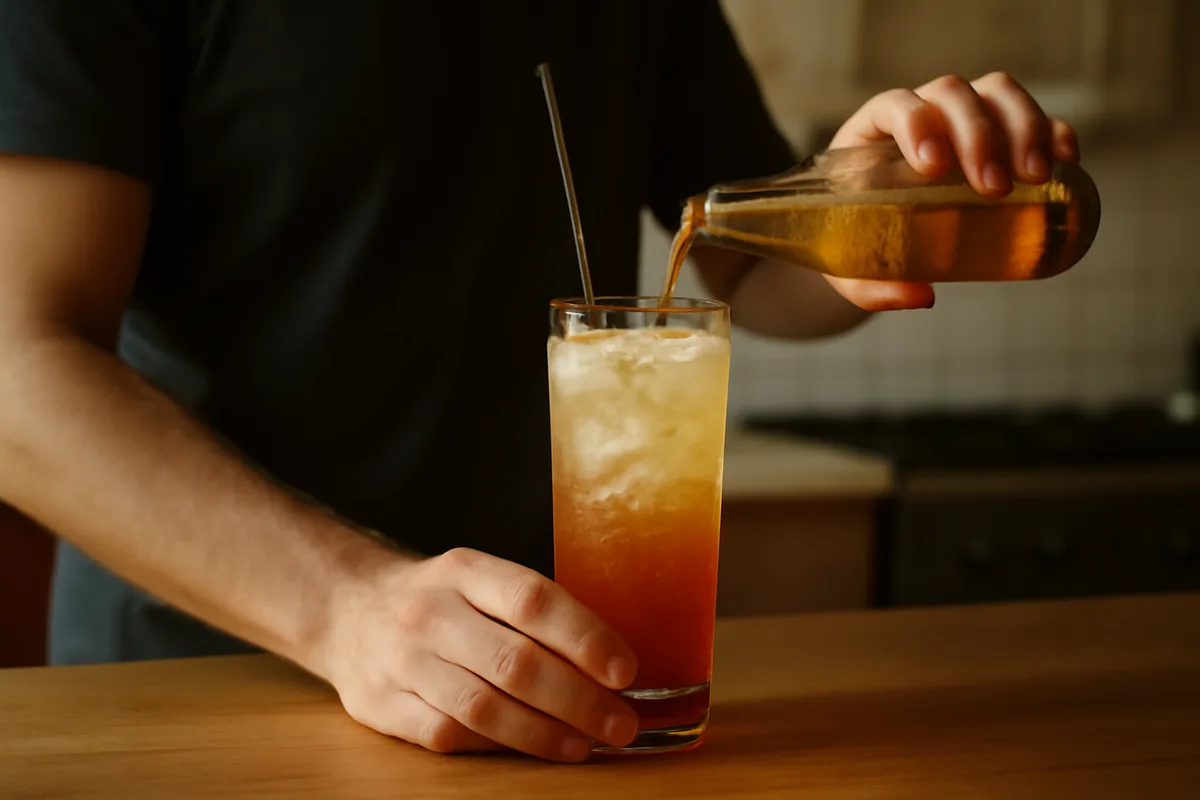
- Top with approximately 150 ml ginger ale and stir gently once to integrate.
Timing and service
Serve immediately so the bubbles stay lively and the aromatics from the garnishes remain fresh. Light stirring prevents flattening while ensuring the lemon cuts through the vermouth and ginger ale. If you prepare a pitcher for a group, add ginger ale at the last moment to keep fizz.
How should the drink be garnished and served?
Garnish plays a major role in the Summer Rosé Cup by contributing aroma, texture and visual appeal. A compact bouquet of mint, a few thin cucumber slices and a couple of strawberry slices give the glass a pleasant herbal and fruit-forward profile. Insert the mint stem upright for both scent and presentation.
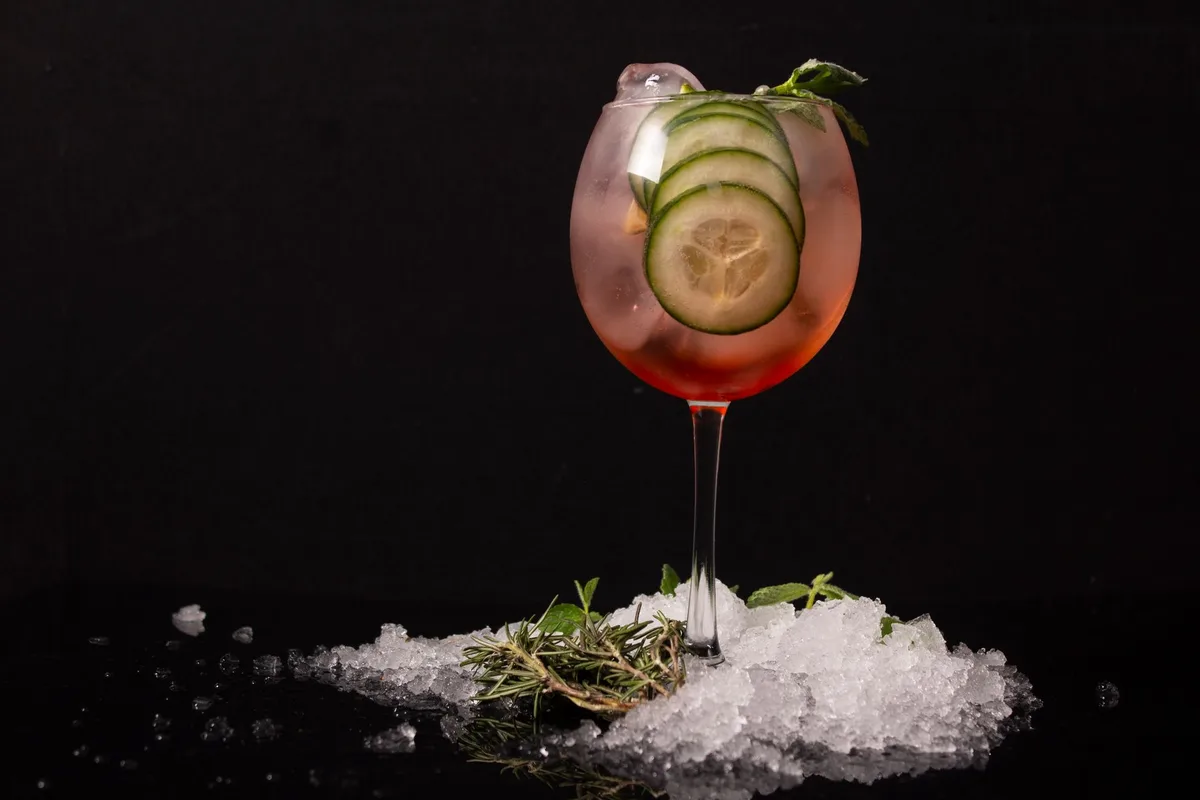
- Mint sprigs for aroma and contrast
- Cucumber ribbons for cooling texture
- Strawberry slices for color and light sweetness
What about alcohol level, calories and allergens?
This cocktail is intentionally lighter than many classics, yielding modest alcohol per glass. A standard single serving equates to roughly 0.5 standard drinks and sits at about 3.6% alc./vol. which makes it a good daytime option for casual sipping.
| Measure | Value |
|---|---|
| Calories | 140 |
| Pure alcohol | 7.1 g |
| Alcohol by volume | 3.64% alc./vol. |
Allergy note: the rosé vermouth contains sulphur dioxide/sulphites, which may affect sensitive guests. Offer a non-alcoholic alternative or omit vermouth for those with intolerances.
What variations and tips make the recipe your own?
Small adjustments can shift the character from light and floral to bold and spicy. Substitute ginger beer for ginger ale to increase ginger intensity or choose a slightly drier vermouth for a less sweet finish. Simple syrup is unnecessary in the classic build, but a bar spoon can round harsh edges if lemons are exceptionally tart.
For entertaining, scale the recipe into a pitcher and keep ice and ginger ale separate. When serving, pour vermouth and lemon over ice, then share the ginger ale at the table so every glass remains effervescent and visually appealing.

Andrew Cole focuses on everyday drinks, from warm comfort beverages to refreshing options. His writing emphasizes balance, clarity, and ease of preparation.