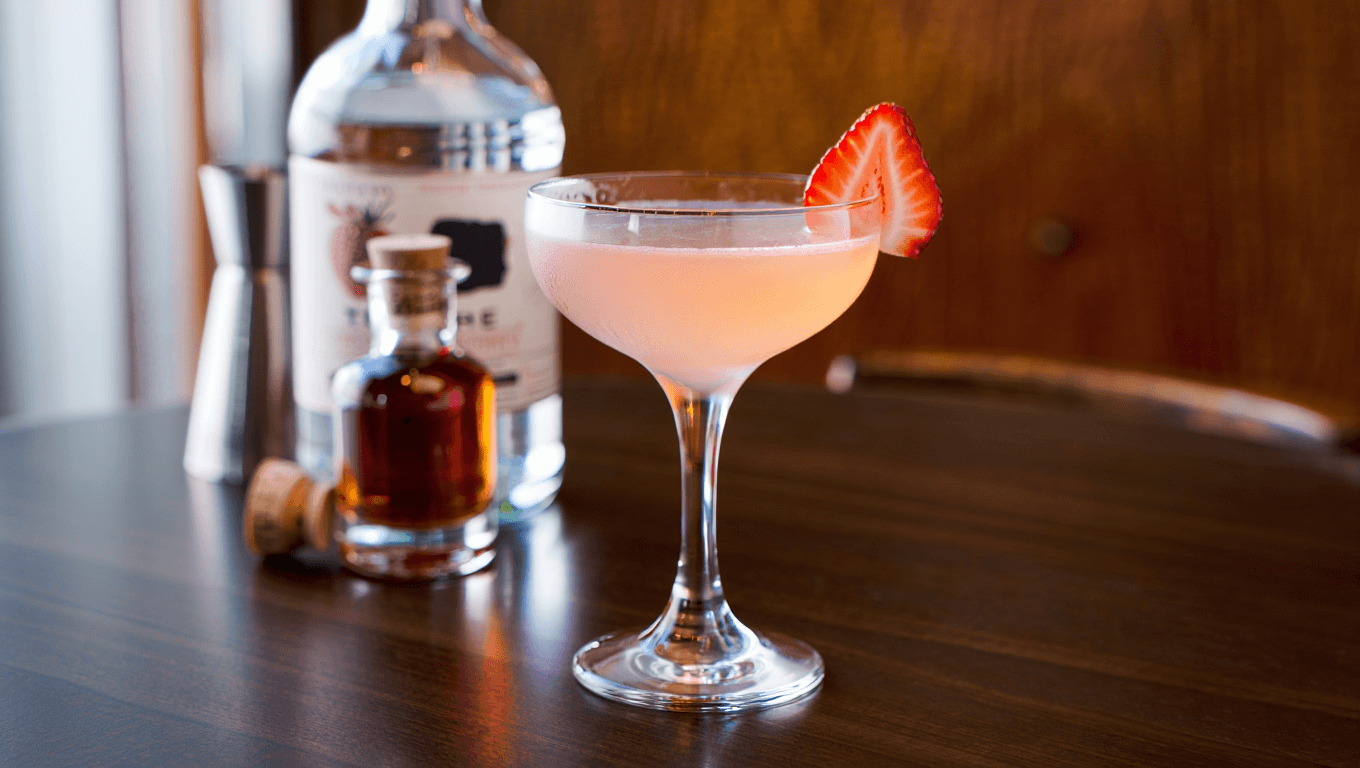
The Tulane is a refined, slightly fruity cocktail that leans toward a classic Martini style while carrying a delicate strawberry note. This recipe showcases gin, dry vermouth and a touch of wild strawberry liqueur served in a chilled coupe glass, offering a balanced, spirit-forward sip. I explain the ingredients, the method, and the little details that lift the drink so you can reproduce it at home with confidence.
What is the Tulane cocktail and how does it taste?
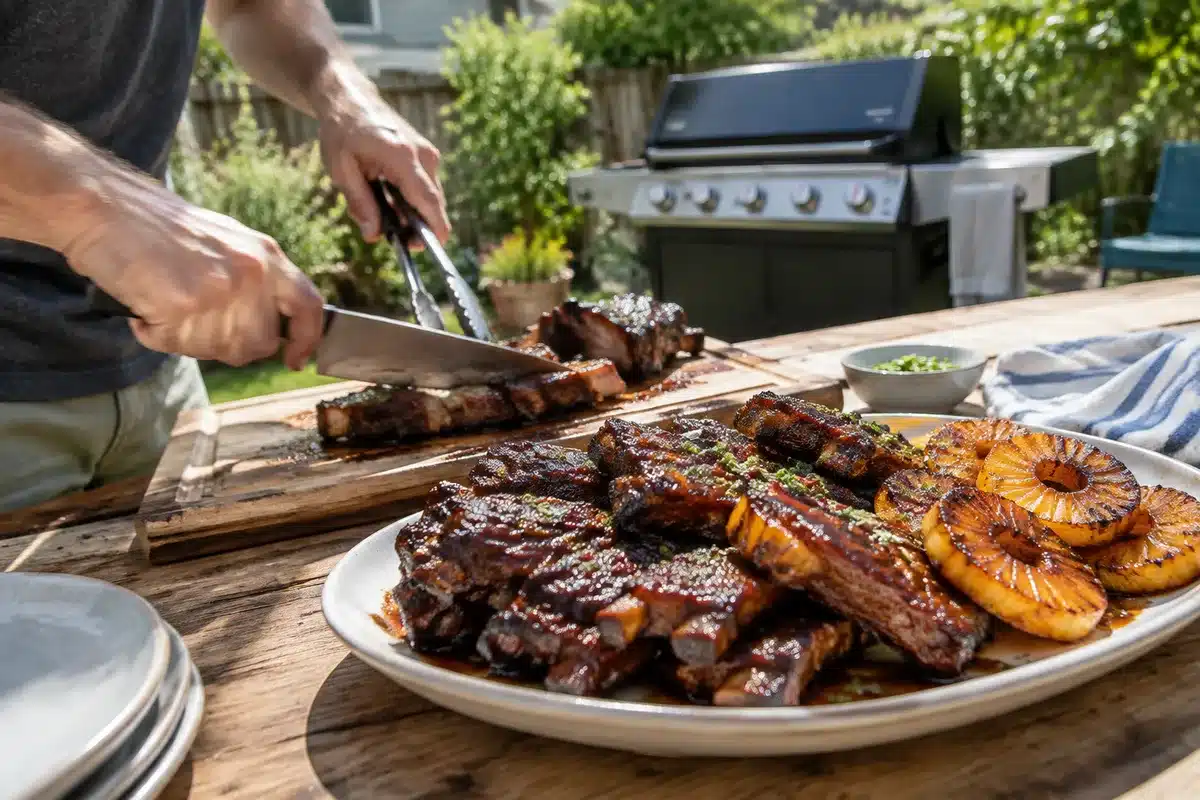
How to make a Lucky Lily margarita: spicy tequila and pineapple cocktail recipe
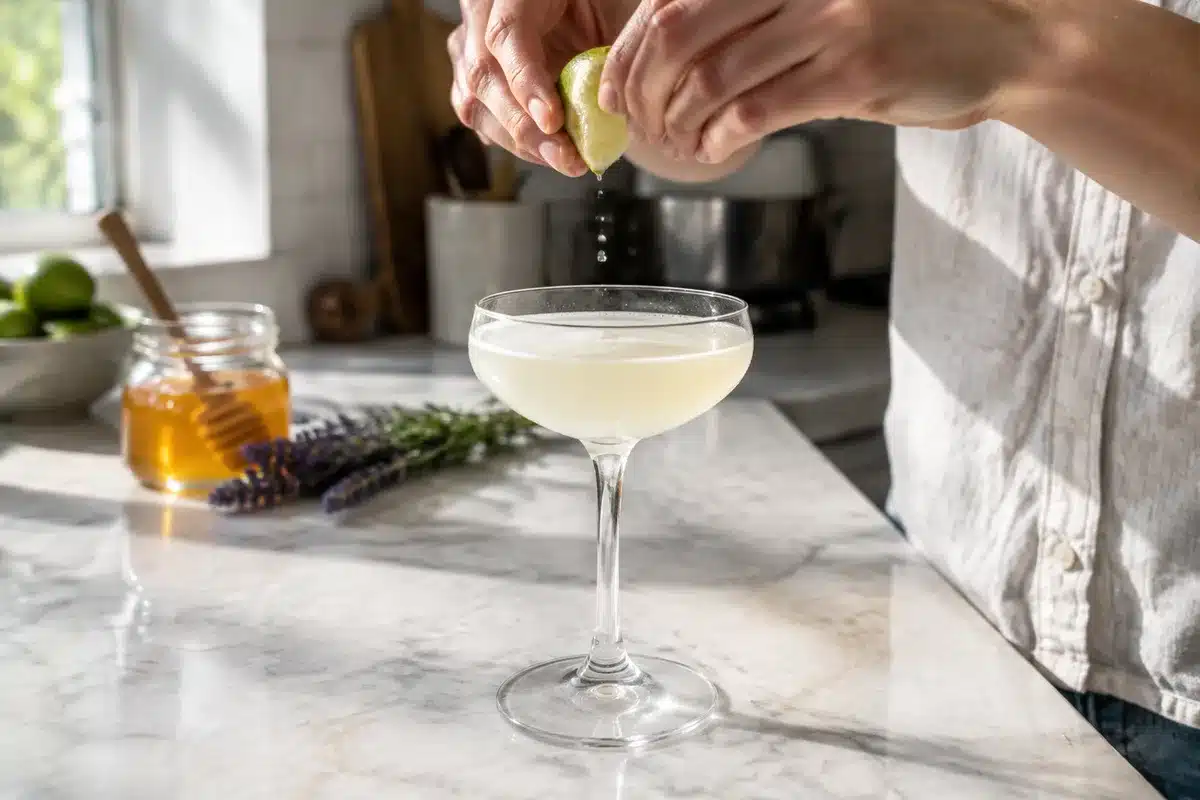
Lavender and honey daiquiri recipe: easy floral cocktail
The Tulane is a vintage mixed drink with a Martini-like backbone softened by a strawberry liqueur. It reads as more spirit-forward than most modern strawberry drinks, so the gin and vermouth remain prominent while the sweetness remains subtle. Expect a smooth mouthfeel, aromatic juniper from the gin, and a gentle red-fruit perfume from the liqueur that rounds the profile without masking the base spirit.
This cocktail appeals to drinkers who enjoy tradition updated with a single fruity accent. If vous prefer a drier finish, reduce the liqueur slightly and chill the vermouth well to keep balance. The result is a cocktail that tastes classic, not gimmicky, and works as an aperitif or a refined after-dinner option.
Which ingredients are required for a proper Tulane?
Use quality components and precise measures to capture the original character of the drink. Below is a clear ingredient breakdown so vous can shop and prepare without guesswork.
| Ingredient | Amount | Note |
|---|---|---|
| London Dry Gin | 40 ml | Well chilled; Hayman’s is a classic choice |
| Dry Vermouth | 30 ml | Chilled vermouth keeps the mix crisp |
| Strawberry liqueur (Fraise des Bois) | 22.5 ml | Use a natural-strawberry liqueur for balance |
Note the allergen: dry vermouth may contain sulphites. Always check labels for specific dietary concerns.
How do you make the Tulane step by step?
Precision matters with spirit-forward cocktails, so measure each element and keep everything cold. Select a coupe and put it in the freezer or fill it with ice to chill while you prepare the drink.
- Fill a mixing glass with clean, fresh ice.
- Add 40 ml gin, 30 ml dry vermouth and 22.5 ml strawberry liqueur.
- Stir gently for about 20–30 seconds until the mixture is properly chilled and slightly diluted.
- Fine strain into the chilled coupe and garnish.
Stirring preserves clarity and a silky texture that shaking would disrupt. Fine straining removes micro shards of ice for a smooth, elegant presentation.
What garnish and glass suit the Tulane best?
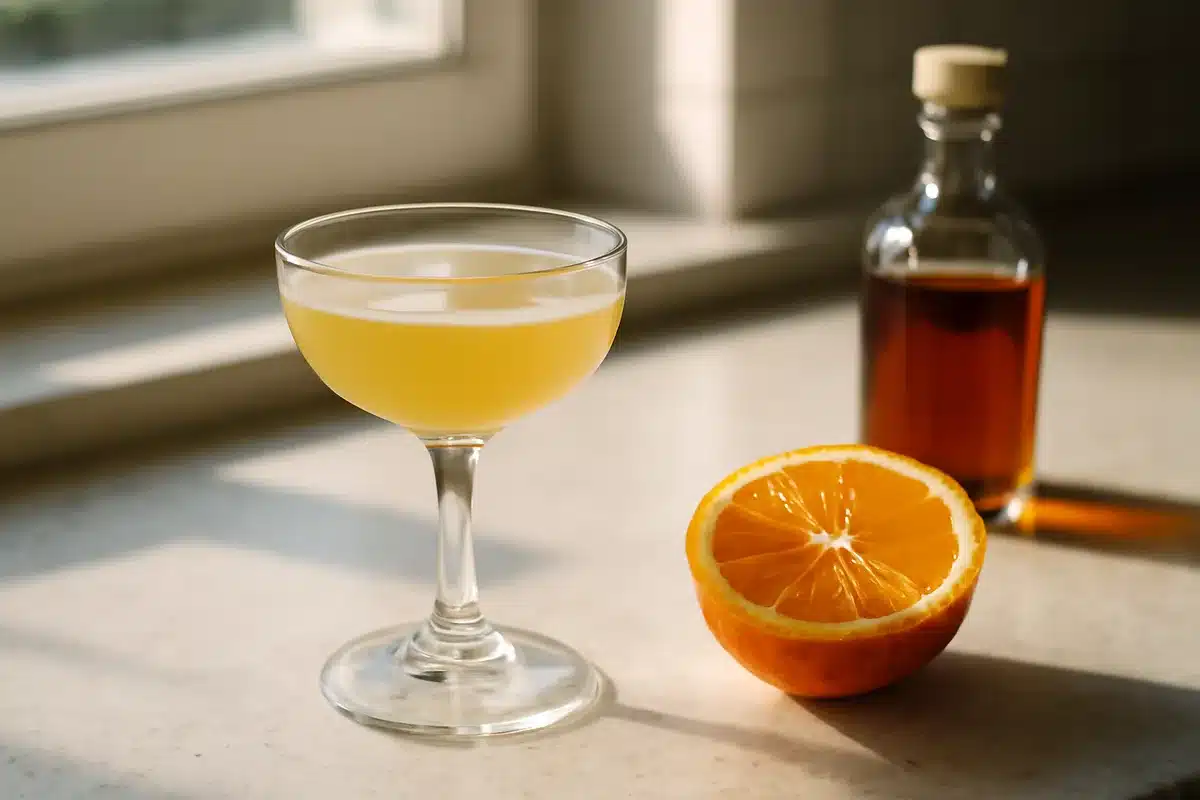
Presentation reinforces the drink’s vintage pedigree. Serve the Tulane in a pre-chilled coupe glass to emphasize its Martini-like lineage and to keep the surface cool without unnecessary dilution.
A single fresh strawberry on the rim is traditional and effective. The fruit signals the flavor twist and releases a gentle aroma as you sip. If fresh strawberries are out of season, a thin lemon twist can add a citrus lift without overpowering the strawberry note.
How strong is the Tulane and how many calories does it contain?
This cocktail sits in the medium to strong spirit range. Typical composition yields about 21.7% alc./vol., which translates to roughly 1.4 standard drinks per serving, depending on local definitions.
Nutrition estimates vary with ingredient brands, but a single Tulane serving commonly contains around 191 calories. Being spirit-forward with moderate liqueur and vermouth means the drink is not overly sweet, yet it still carries measurable calories from alcohol and the liqueur.
Where did the Tulane originate and how has the recipe changed?
The Tulane appears in early 20th-century cocktail literature and has evolved from a strawberry-brandy permutation into a cleaner, Martini-style recipe. Early versions cited equal parts gin and vermouth with a barspoon of strawberry brandy, reflecting an era that favored lighter modifiers.
By mid-century, bartenders adapted the proportions and introduced clearer strawberry liqueurs, shifting the balance toward a more even partnership between gin and vermouth. Modern recipes tend to preserve the spirit-forward intent while using refined liqueurs to avoid cloying sweetness.
Practical tips to make a better Tulane
- Chill the vermouth in the fridge to avoid watering down the cocktail with refrigeration ice.
- Use fresh ice and stir long enough to reach proper dilution and temperature.
- Choose a strawberry liqueur with natural fruit notes rather than one that tastes overly candy-like.

Andrew Cole focuses on everyday drinks, from warm comfort beverages to refreshing options. His writing emphasizes balance, clarity, and ease of preparation.