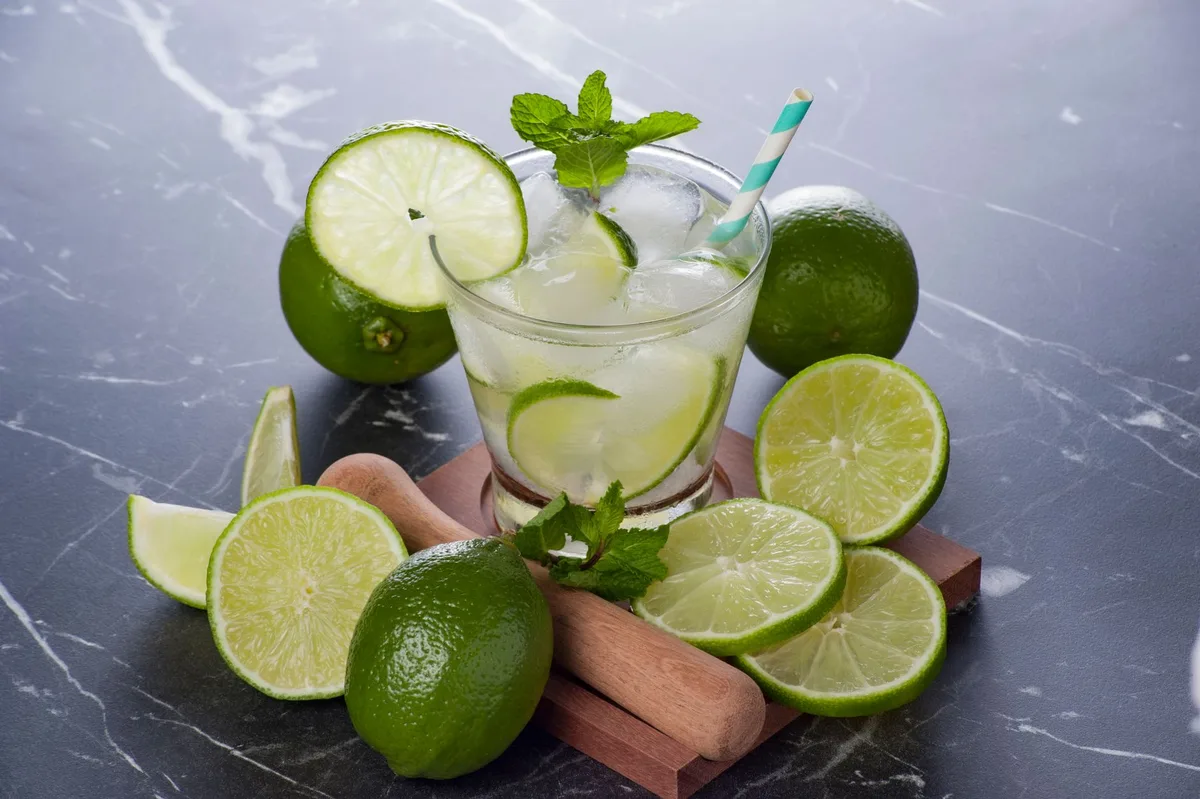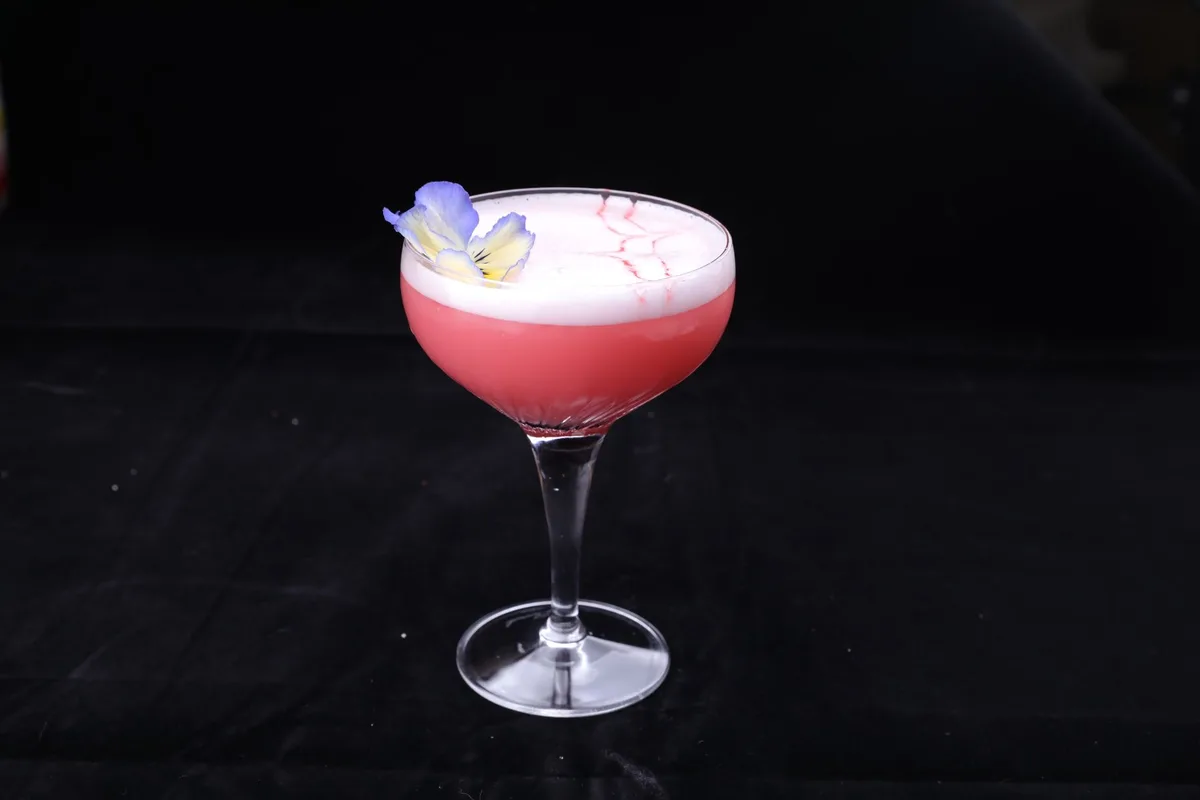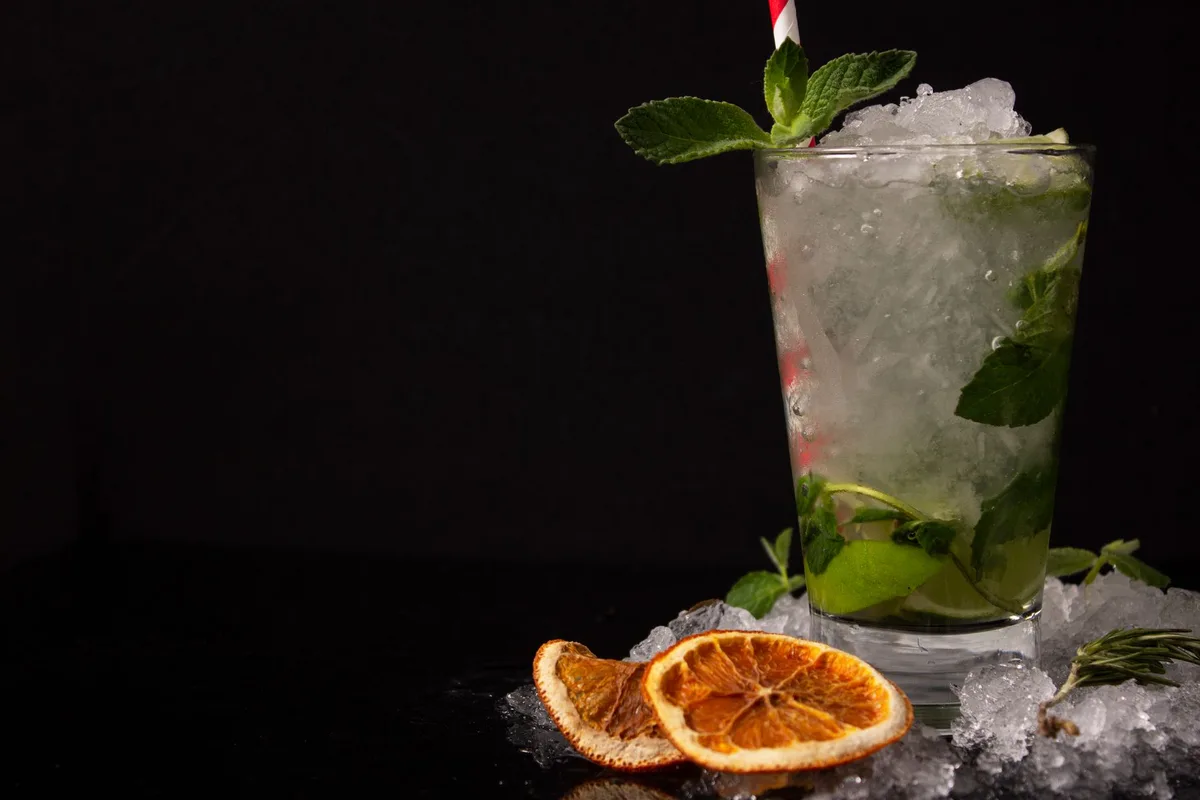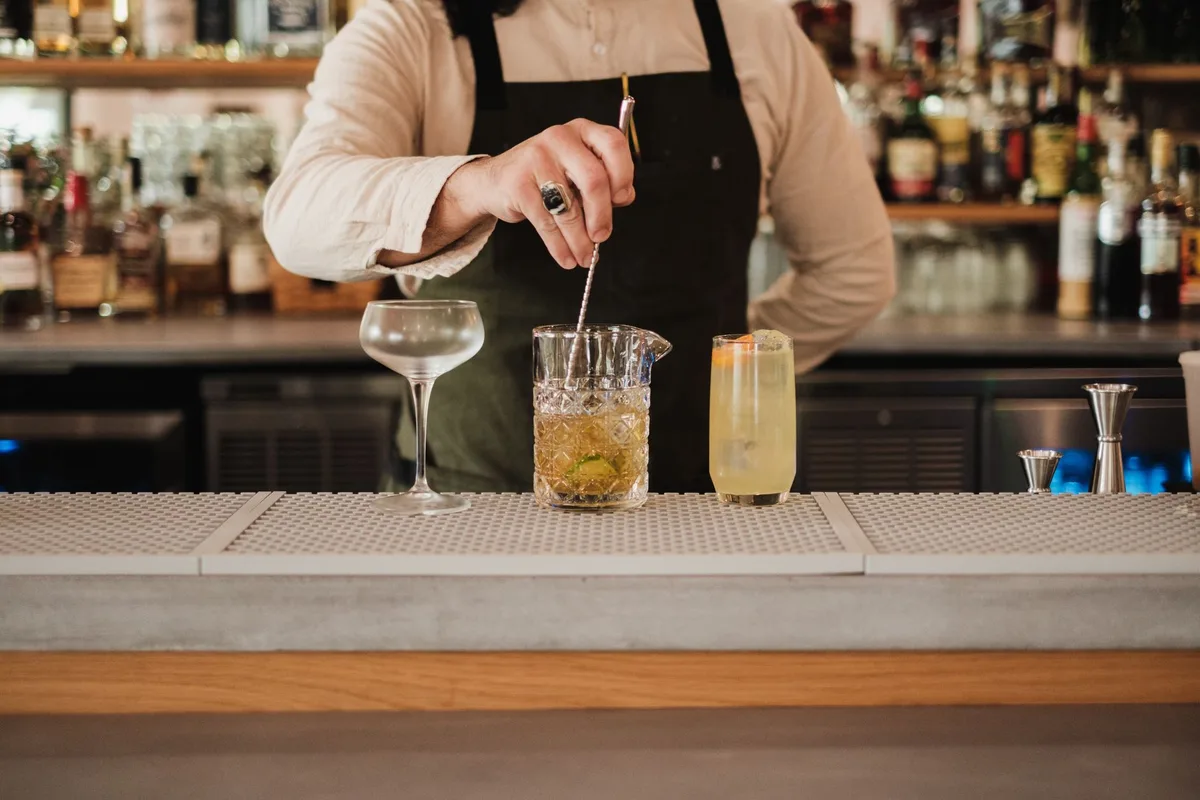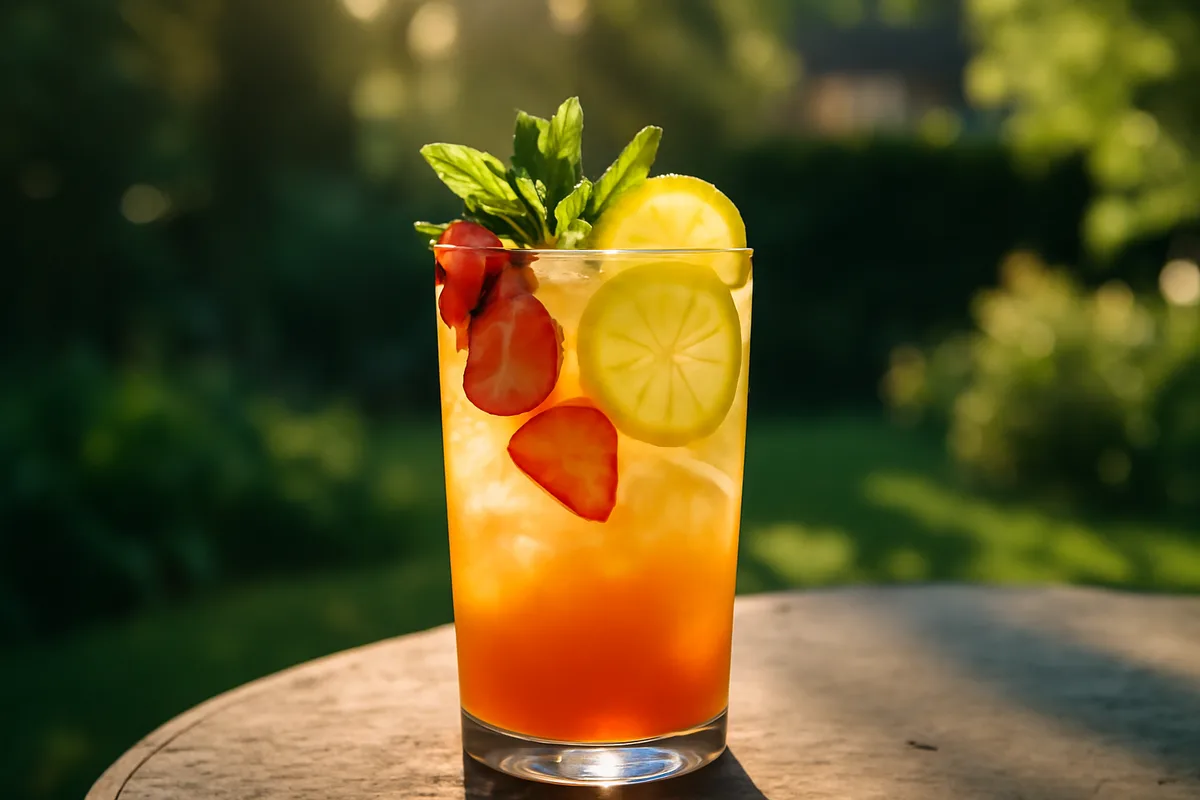

Fresh mint and floral elderflower meet an unexpected fizzy twist in a Pickled Hugo that balances savory tang with effervescence. This cocktail riffs on the familiar Hugo spritz while adding a playful pickle soda lift that keeps the drink light and refreshing. Whether you are planning a summer terrace service or a curious tasting at home, this recipe delivers a memorable, easy-to-make highball-style serve. Ingredients are simple and the technique is forgiving, which makes it ideal for both beginners and experienced bartenders looking for a new spritz variant.
What makes the Pickled Hugo different?
How to make a sherry caipirinha: a lighter, low-alcohol alternative to cachaça
Molten Steel Flip recipe: velvety herbal rum dessert cocktail
The Pickled Hugo swaps the classic prosecco element for pickle soda, giving the drink a savory, slightly briny carbonation that counterpoints the floral notes. Elderflower liqueur keeps the original aromatic profile of a Hugo, while mint and lime add freshness and lift. That combination produces a cocktail with a bright nose and an intriguing, palate-cleansing finish that works well as an aperitif.
People who enjoy spritzes and highballs will find the Pickled Hugo familiar yet surprising. It drinks lighter than many stirred cocktails and is excellent for long, relaxed sips. Bartenders often describe it as a playful conversation starter because the pickle soda surprise sparks curiosity.
Flavor-wise, the balance leans floral and savory rather than sweet or boozy. The end result is a delicate, effervescent serve meant for sharing and social moments.
Which ingredients and measures are required?
Keep the shopping list short and focus on quality elements that show through in a chilled, fizzy serve. You will need fresh mint, elderflower liqueur for floral depth, and cold pickle soda for the signature fizz. Ice and a lime wedge finish the drink.
Below is a clear ingredients table to help you scale the recipe and note key preparation tips.
| Ingredient | Measure (per serving) | Notes |
|---|---|---|
| Mint leaves | 8 fresh leaves | Lightly bruised to release aroma |
| Elderflower liqueur | 45 ml | Choose a floral, balanced brand |
| Pickle soda | 105 ml | Serve well chilled for brightness |
| Ice | As required | Use large cubes if possible |
| Garnish | Lime wedge and mint sprigs | Arrange as a small bouquet |
How should you prepare and assemble the cocktail?
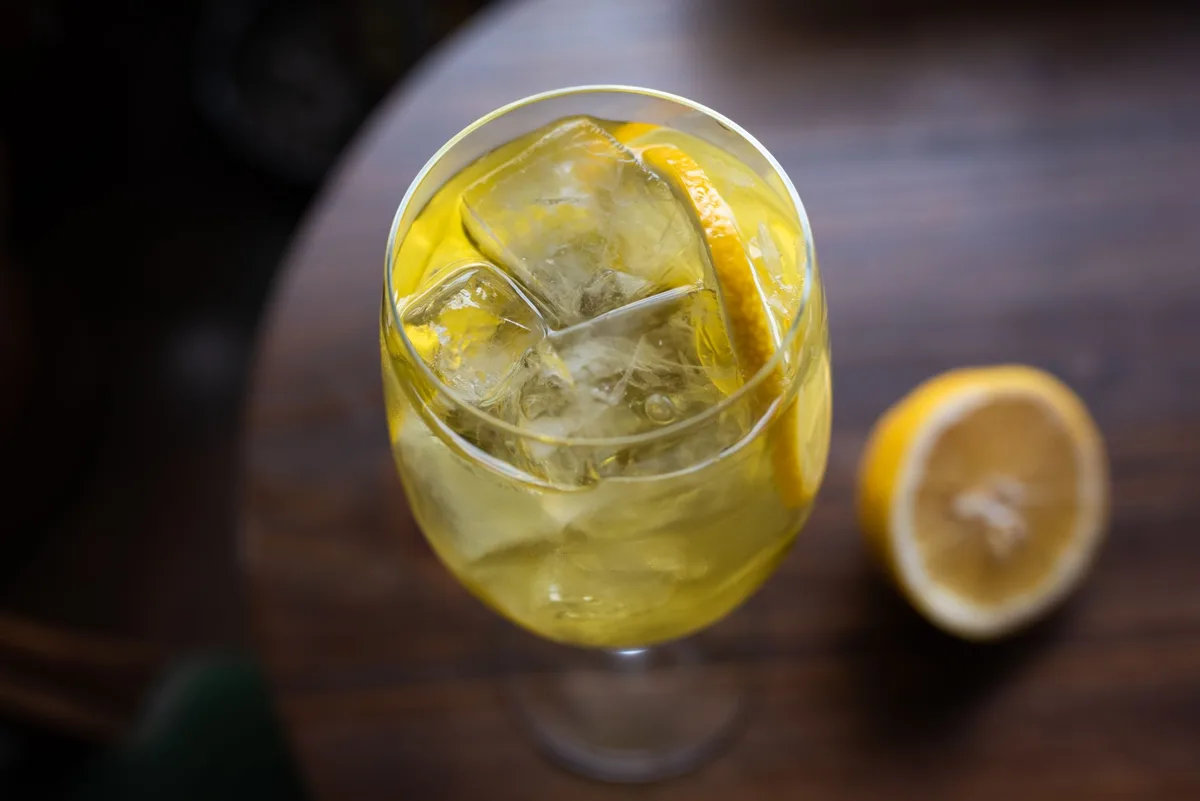
Begin by pre-chilling a wine glass; this improves the overall temperature and keeps the fizz lively. Place the fresh mint into the glass and briefly bruise the leaves against the glass sides to release their oils. Filling the glass with ice next will lock in that mint aroma while chilling the serve rapidly.
- Pour 45 ml elderflower liqueur over the ice and mint.
- Top gently with 105 ml chilled pickle soda so the carbonation stays vivid.
- Stir briefly and gently once or twice to marry the flavors without flattening the bubbles.
- Garnish with a lime wedge and a small bouquet of mint sprigs, placing them so aromas reach the nose as you sip.
Pay attention to glassware and temperature because a warm serve will mute the effervescence and aromas. A gentle stir is all that is required; aggressive mixing can destroy the delicate carbonation that defines the Pickled Hugo.
How much alcohol does the Pickled Hugo contain and when should you serve it?
Exact alcohol by volume depends on the specific elderflower liqueur and the pour size, but this recipe contains a modest alcoholic component relative to its volume. A single serving typically equates to about 7 grams of pure alcohol based on common liqueur strengths, making it a lighter cocktail option. Keep in mind that variations in measures or a stronger liqueur will affect the ABV.
Serve the Pickled Hugo chilled and immediately after assembly so the pickle soda stays effervescent. If vous prefer a lower-alcohol version, reduce the liqueur by a third and top up with more pickle soda or a splash of soda water for a longer, more sessionable drink.
What are useful variations and food pairings?
Small tweaks let you shift the profile toward floral, savory, or herbaceous notes depending on your guest list and menu. Swapping pickle soda for a savory tonic or a light lager will change the mouthfeel and bitterness while keeping the concept intact. You can also experiment with aromatic bitters for extra complexity.
- Replace pickle soda with dill-infused soda for a herbier character
- Use sparkling white wine for a closer Hugo spritz expression
- Add a dash of saline solution or olive brine for a more savory edge
Food pairings tend toward salty, acidic, and herb-forward plates that echo the drink’s savory and floral contrasts. Think charcuterie with cornichons, smoked fish, or grilled vegetables with lemon and herbs. These combinations let the Pickled Hugo cut through fat while complementing bright, aromatic components.
Experiment and note which versions you prefer so you can reproduce them reliably for guests or a menu rotation.

Andrew Cole focuses on everyday drinks, from warm comfort beverages to refreshing options. His writing emphasizes balance, clarity, and ease of preparation.